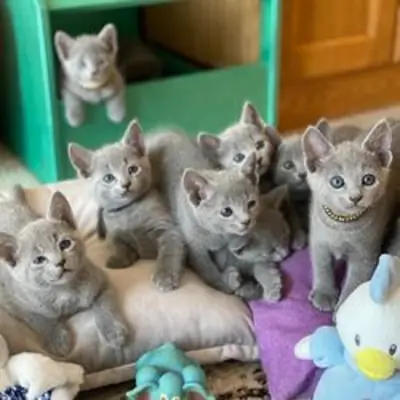
Russian Blue

Russian Blue: Poised Elegance, Care, Nutrition, Health and 2026 Companion Guide

Russian Blue: Poised Elegance, Care, Nutrition, Health and 2026 Companion Guide

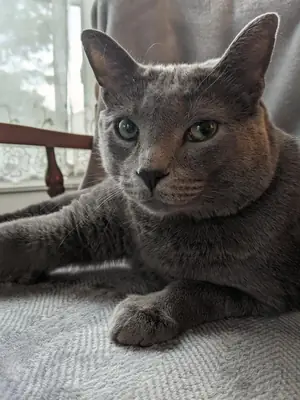
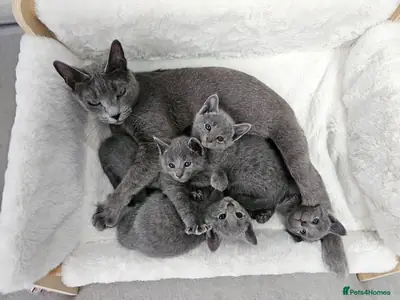
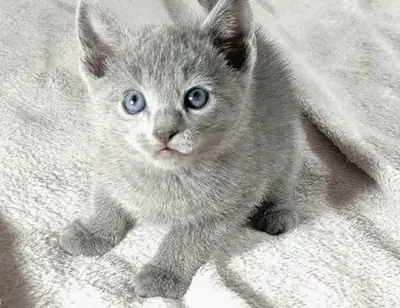
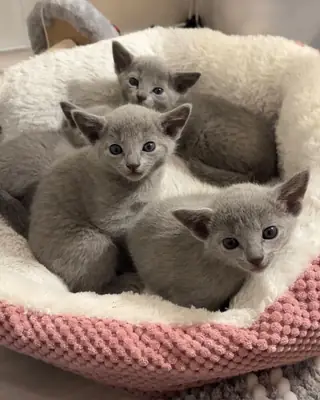
The Russian Blue pairs shimmering blue coat tips with luminous green eyes and a serene temperament. 2026 smart homes deploy HEPA sensors, RFID feeders and noise-buffered retreats to respect this breed’s refined sensitivities.

1. Breed Profile

  • Weight: 7 – 12 lb (3 – 5.5 kg)
  • Height: 9 – 10 in (22 – 26 cm)
  • Lifespan: 12 – 15 years
  • Temperament: Reserved with strangers, affectionate with family, intelligent, routine-oriented
  • Coat: Short double coat; plush undercoat + silver-tipped guard hairs

2. 2026 Living Environment

  • Maintain 68–73°F (20–23°C) and 45–55% humidity to protect the dense undercoat.
  • Use HEPA 14 filtration and VOC monitors; strong scents can stress Russian Blues.
  • Provide vertical shelves plus enclosed “calm pods” for safe retreats.
  • Smart lighting and UV-filtering blinds reduce glare for sensitive eyes.

3. Nutrition & Digestion

Lean frame + muscular build require premium animal proteins, omega-rich fats and minimal fillers. Smart bowls document grams consumed and flag rapid eating.

Component Target Sources Benefit
Protein 38–42% Chicken breast, turkey, salmon, rabbit Lean muscle, coat density
Fat 14–18% (omega-3 heavy) Salmon oil, sardine oil, flax Skin barrier, anti-inflammatory
Complex carbs Low Pumpkin, pea fiber, lentil Gut balance, hairball control
Micronutrients Rich Blueberry, cranberry, kelp Antioxidants, urinary wellness
Functional Targeted Taurine, L-lysine, probiotic blends Cardiac health, immunity, digestion

Feeding cadence: 3 small meals/day + evening snack; filtered fountains encourage hydration.

4. Coat & Hygiene

  • Brush 2–3x weekly (daily during spring/fall) with a fine-tooth comb + rubber mitt.
  • Monthly lukewarm baths; air-dry with gentle fans to avoid frizzing the undercoat.
  • Weekly dental care (enzymatic gels) plus ear/eye checks.
  • Offer sisal scratch boards and cardboard loungers to reduce furniture wear.

5. Behavior & Enrichment

  • Short, structured play sessions with feather wands, tracking toys and scent trails.
  • Puzzle feeders and treat hunts stimulate problem-solving.
  • Introduce visitors slowly; provide safe rooms or tall shelves.
  • Night-time auto toys keep them active without disturbing sleep.

6. Health Tracking

  • Genetics: Screen for HCM, kidney panels, ocular exams.
  • Weight: Monthly weigh-ins; dense fur can mask gain.
  • Dental: prone to tartar—weekly brushing, annual dental checkups.
  • Urinary: Smart litter boxes track pH/usage; support with cranberry extracts.
  • Stress: Keep routine consistent, use pheromone diffusers, noise-dampening pods.

7. Tech Toolkit

  • RFID feeders authorize only the Russian Blue’s tag.
  • Wearable collars stream heart-rate/sleep data, flagging anxiety spikes.
  • UV grooming docks sanitize combs/brushes automatically.
  • Air dashboards show PM2.5, humidity and VOC in real time.

8. Travel & Safety

  • Top-entry carrier with memory-foam base and pheromone-treated lining.
  • Pre-trip: light meal, hydration, noise-reduction hood, gentle playlist.
  • Microchip + GPS tracker + NFC ID card.
  • Emergency kit: comb, eye drops, probiotic paste, vet paperwork.

9. Frequently Asked Questions

Are Russian Blues shy?

Reserved initially, but deeply bonded once trust forms; provide safe hideaways.

How often to groom?

2–3 times weekly; ramp up to daily during seasonal sheds.

Can they be left alone?

Limit to ~6 hours with enrichment toys, cameras and consistent routines.

Preferred litter?

Fine, unscented clumping litter in covered boxes for privacy.

Noise sensitivity?

High; use white-noise machines and acoustic panels during loud events.

Supplements?

Vet-approved omega-3, taurine, probiotics, lutein as needed.

Good with kids?

Yes with calm children and respectful handling guidelines.

Hairball issues?

Less than longhaired breeds, but fiber + grooming + hydration still recommended.

Vaccination schedule?

Core FVRCP + rabies; maintain boosters even for indoor-only cats.

Eye care tips?

Use lint-free wipes, manage sun exposure with smart blinds.

Travel anxiety?

Crate training, pheromone wipes, calm playlists; consult vet if extra support needed.

When to see a vet?

Annual wellness exams plus prompt visits for appetite loss, coat dullness or behavioral shifts.

10. Conclusion

With precision grooming, nutrient-dense meals and tech-assisted comfort, the Russian Blue remains radiant, confident and healthy in 2026 city life.

此分类中的最新公告

品种特点

性格与行为

精力水平
爱玩程度
智力
可训练性
护主性
社交性
能否独处

生活方式匹配

适合公寓
与儿童相处
适合新手
掉毛程度
叫声/噪音
运动需求

体格与概况

寿命 15–20 年
体重 3.5–5.5 公斤
身高/肩高 30–35 cm
起源 Russia
美容护理难度
饮食敏感
健康风险
耐热
耐寒
Russian Blue

查看该品种的领养信息

在 Petopic 上了解该品种的最新领养信息。

查看领养信息
分享此指南
f 𝕏 in W

用户关于该品种的提问

What’s the best way to introduce my Russian Blue to new people?

提问者: Enes E.

Allow her to approach at her own pace, and provide a safe space where she can retreat if she feels overwhelmed. This can help her feel more comfortable.

— petopic Breed Expert

My Russian Blue is 10 years old. How should I adjust her care as she ages?

提问者: Angela O.

As she ages, you might want to consider a senior diet and regular vet check-ups to monitor her health. Keeping her active with gentle play is also beneficial.

— petopic Breed Expert

Is it okay to let my Russian Blue outside occasionally?

提问者: Eloş t.

It's generally safer to keep them indoors, as Russian Blues can be sensitive to environmental changes. If you do let her outside, supervise her closely.

— petopic Breed Expert

I heard Russian Blues are great companions. How can I bond with my cat?

提问者: Sukran E.

Spend quality time with her through play, grooming, and gentle petting. Consistent interaction will strengthen your bond over time.

— petopic Breed Expert

My Russian Blue seems to dislike loud noises. How can I help her feel safe?

提问者: Ahmet T.

Creating a calm environment with soft lighting and quiet spaces can help. Consider using white noise machines to mask sudden loud sounds.

— petopic Breed Expert

I want to travel with my Russian Blue. Any tips?

提问者: Merve K.

Make sure she is comfortable in her carrier and bring familiar items, like her blanket or toys. Gradual acclimatization to the carrier can help her feel secure.

— petopic Breed Expert

Can Russian Blues be trained to do tricks?

提问者: Edanur G.

Yes, they are quite intelligent and can learn tricks with positive reinforcement. Start with simple commands and be patient!

— petopic Breed Expert

I've noticed my Russian Blue's eyes seem a bit watery. Should I be concerned?

提问者: Süeda A.

Occasional watery eyes can be normal, but if it persists or is accompanied by other symptoms, it's best to consult your vet to rule out any issues.

— petopic Breed Expert

My Russian Blue seems to be shedding a lot lately. What can I do?

提问者: ALI A.

Regular grooming can help manage shedding. You might also want to ensure she is on a nutritious diet to support her coat health.

— petopic Breed Expert

Is it normal for my Russian Blue to be aloof at times?

提问者: Zümra G.

Absolutely! Russian Blues can be reserved, especially with strangers. They often bond closely with their families but might need their own space at times.

— petopic Breed Expert

My Russian Blue keeps bringing me her toys. What does that mean?

提问者: Chester H.

This behavior is often a sign of affection and a desire to play with you. It's a good opportunity to engage her in playtime!

— petopic Breed Expert

How do I help my Russian Blue adjust to a new pet in the house?

提问者: muazzez k.

Introduce them slowly and give her a safe space to retreat if needed. Supervised meetings can help them get used to each other without feeling threatened.

— petopic Breed Expert

My Russian Blue has been coughing occasionally. Should I take her to the vet?

提问者: Esra A.

Yes, if she's coughing frequently, it's best to consult a vet. It could be a sign of allergies or other health issues that need attention.

— petopic Breed Expert

I heard that Russian Blues need a special diet. Is that true?

提问者: Cédric X.

They thrive on high-quality protein and omega-rich fats. It's important to provide them with a balanced diet to support their health and coat condition.

— petopic Breed Expert

My Russian Blue loves to play at night. Is there a way to help her settle down?

提问者: Flora N.

Consider engaging her in more playtime during the day to tire her out. You might also try using automatic toys that can keep her entertained when you want her to calm down.

— petopic Breed Expert

What’s the best way to groom my Russian Blue? She has such a thick coat.

提问者: Francisca H.

Brushing her 2-3 times a week with a fine-tooth comb will help keep her coat healthy. During shedding seasons, you might want to increase that to daily grooming.

— petopic Breed Expert

I recently moved and my Russian Blue seems stressed. Should I be worried?

提问者: Fahri K.

It’s normal for cats to feel stressed after a move. Make sure she has a quiet space and familiar items around her. Gradually introducing her to new areas can help her adjust.

— petopic Breed Expert

Are Russian Blues prone to any specific health issues?

提问者: Ysabeau L.

Generally, they are healthy cats, but like all breeds, they can be prone to certain conditions. Regular vet check-ups will help catch any issues early on.

— petopic Breed Expert

My Russian Blue has started to scratch the furniture a lot. What can I do?

提问者: Thomas C.

Providing sisal scratch boards and engaging toys can help redirect her scratching behavior. Regular play sessions can also keep her entertained and less likely to scratch furniture.

— petopic Breed Expert

I'm thinking about getting a Russian Blue kitten. Are they good with children?

提问者: Alcan A.

Russian Blues can be great with children, but it's important to supervise interactions. They are gentle and affectionate, but also value their space, so teaching kids to be respectful is key.

— petopic Breed Expert

My friend has a Russian Blue and said they are picky eaters. Is that true?

提问者: Özer B.

Yes, many Russian Blues can be selective about their food. They often prefer high-quality protein sources, so try offering different premium options to see what she likes best.

— petopic Breed Expert

I just adopted a Russian Blue and she's been hiding a lot. Is that normal behavior?

提问者: Stepanida N.

It's not uncommon for Russian Blues to be a bit shy, especially in a new environment. Give her time to adjust and create a safe space where she can feel comfortable.

— petopic Breed Expert