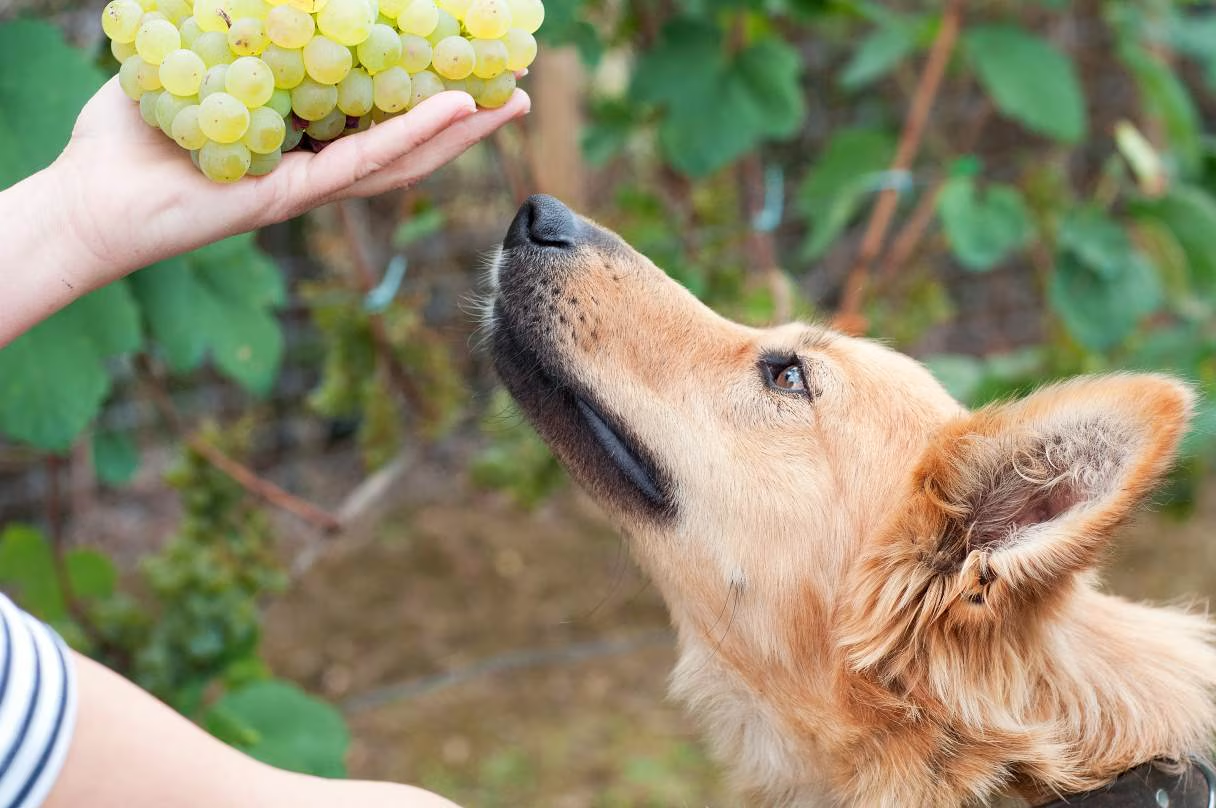
My Dog Ate Grapes: What Should I Do?
If your dog just ate grapes, it's completely natural to panic. But taking the right steps quickly can significantly reduce the risk of serious — and potentially irreversible — health complications. Grapes are one of the most dangerous foods a dog can eat, and the threat applies equally to raisins, currants and any grape-containing product. What makes this especially alarming is that no safe dose has ever been established: some dogs suffer severe kidney failure after a single grape, while others eat more with no immediate reaction. This unpredictability is precisely why every grape ingestion must be treated as a medical emergency.
Why Grapes Are Dangerous for Dogs
The exact toxic compound in grapes has not yet been scientifically identified, which makes this one of the most complex poisoning cases in veterinary medicine. What is well established, however, is the outcome: grape and raisin ingestion can cause acute kidney failure in dogs — sometimes within 24 to 72 hours.
Several factors make grape toxicity particularly dangerous:
- There is no known safe amount. Unlike chocolate, where toxicity scales with weight and dose, grapes can cause fatal kidney damage in unpredictable quantities. A single grape has caused kidney failure in some dogs.
- All grape forms are toxic. Fresh grapes, raisins, currants, sultanas, grape juice, and any food containing these ingredients carry the same risk.
- Breed, size and age do not determine risk. Large breeds are just as vulnerable as small ones. Young, healthy dogs have experienced severe reactions.
- Seedless or organic varieties are equally dangerous. The toxic element is not in the seeds or skin specifically — the entire fruit poses a threat.
- Kidney damage can become irreversible. Without early intervention, the progression from ingestion to permanent organ failure can happen within days.
Symptoms of Grape Poisoning in Dogs
Symptoms typically begin within the first 6 to 12 hours after ingestion, though some signs may appear sooner. The earlier and more intensely they present, the more urgent the situation. Watch closely for the following:
Early-Stage Symptoms
- Vomiting — often the first sign; may contain grape fragments
- Diarrhea — sometimes bloody
- Extreme lethargy and weakness
- Loss of appetite
- Abdominal pain — your dog may flinch or whine when the belly is touched
- Excessive drooling
Later-Stage Symptoms Indicating Kidney Involvement
- Decreased or absent urination — this is a critical warning sign of kidney shutdown
- Excessive thirst or, conversely, complete refusal to drink
- Foul breath with an ammonia-like odor
- Tremors or loss of coordination
- Confusion or unresponsiveness
- Seizures — in severe cases
- Difficulty breathing
Some of these symptoms — particularly lethargy and vomiting — can resemble reactions caused by parasites or other conditions. If you are uncertain about the cause, reviewing the flea, tick and parasite schedule for dogs may help distinguish between presentations. However, if grape ingestion is confirmed or suspected, always treat it as a poisoning emergency first and seek veterinary guidance immediately.
How Long Does It Take for Symptoms to Appear?
Understanding the timeline can help you act at the right moment — which, in grape poisoning, is as soon as possible:
- Within 1–3 hours: Vomiting often begins; this is the ideal window for induced vomiting by a vet
- 6–12 hours later: Lethargy, loss of appetite and abdominal discomfort become apparent
- 24–48 hours later: Signs of kidney involvement may emerge — reduced urination, increased thirst or complete fluid refusal
- 48–72 hours later: Without treatment, kidney failure can progress to an irreversible stage
The most important point: Do not wait for symptoms before calling your vet. If you know or suspect your dog ate grapes, contact a veterinary professional immediately — even if your dog appears completely fine right now.
What To Do Immediately If Your Dog Ate Grapes
Stay calm and follow these steps in order. Acting correctly in the first hour makes a measurable difference to the outcome.
Step 1: Establish the Facts
- Identify what was eaten — fresh grapes, raisins, currants, or a grape-containing product
- Estimate the quantity as accurately as possible
- Note the time of ingestion
- Save any packaging or remaining food — bring it to the vet
Step 2: Call Your Vet Immediately
- Do not wait for symptoms to develop
- Provide your dog's weight, breed, age and the details of what was consumed
- Follow the vet's instructions precisely — they may be able to guide you over the phone
- If your regular vet is unreachable, go directly to the nearest emergency animal hospital
Step 3: Keep Your Dog Calm and Under Observation
- Move your dog to a quiet, comfortable space
- Do not allow strenuous activity — physical exertion can accelerate toxin absorption
- Monitor closely and note any changes in behavior, breathing or urination
- Do not leave your dog alone — symptoms can escalate without warning
If you are heading to a clinic and want to know what to expect, the guide on what to do at your pet's first vet visit provides practical advice on communicating effectively with veterinary staff during an emergency situation.
When You Should Contact a Veterinarian
With grape poisoning, the answer is simple: contact a vet the moment you know or suspect your dog has eaten grapes. Do not wait. Go directly to emergency care if any of the following apply:
- Grape or raisin ingestion is confirmed, even with no symptoms
- Your dog is vomiting repeatedly or has bloody diarrhea
- Urination has stopped or dramatically decreased
- Your dog is extremely lethargic or unresponsive
- Abdominal swelling or tenderness is visible
- Tremors, seizures or loss of coordination are present
- Your dog is refusing all food and water
Never adopt a wait-and-see approach with grapes. Kidney damage can reach an irreversible stage before outward signs become severe. The window for effective intervention is narrow — and early action is what determines whether your dog makes a full recovery.
If you need to find a veterinarian quickly, you can locate nearby clinics and emergency animal hospitals through the Petopic veterinarian directory, which lists trusted professionals by location.
Dangerous Mistakes Dog Owners Must Avoid
Panic can lead to well-meaning but harmful decisions. Avoid these critical errors:
- Do not induce vomiting without veterinary instruction. Incorrectly induced vomiting can lead to aspiration pneumonia or additional internal injury. This procedure must only be performed by a vet or under direct phone guidance from one.
- Do not give milk or water to "dilute" the poison. Adding fluid to the stomach can accelerate absorption of the toxic compound. Give nothing by mouth unless explicitly told to by a vet.
- Do not administer any medications. Activated charcoal, human antacids, hydrogen peroxide — none of these should be given without a direct veterinary instruction. Incorrect use causes additional harm.
- Do not let your dog run or exercise. Physical activity increases circulation and may speed the spread of toxins through the body.
- Do not assume one grape is harmless. There is no established safe threshold. A single grape has caused acute kidney failure in documented cases.
- Do not research online before calling your vet. Call your vet first. Every minute in the early window after ingestion has clinical value.
For a broader reference on managing pet poisoning situations — including other toxic foods and household substances — the pet poisoning symptoms and first aid guide on Petopic covers a wide range of emergency scenarios with practical, expert-reviewed guidance.
How Vets Treat Grape Poisoning in Dogs
Treatment depends on the quantity ingested, the time elapsed and the dog's clinical presentation. Your vet may use one or more of the following approaches:
- Induced vomiting — most effective within the first 1–2 hours after ingestion
- Activated charcoal — to limit further absorption of the toxic substance in the digestive tract
- Aggressive intravenous fluid therapy — the cornerstone of treatment; supports kidney function and promotes toxin elimination, typically maintained for 48–72 hours
- Kidney function monitoring — regular blood tests measuring BUN, creatinine and electrolytes to track organ health
- Supportive medications — to manage nausea, vomiting and inflammation as needed
- Hospitalization — severe cases may require extended inpatient care
When treatment begins before kidney damage has become irreversible, the majority of dogs recover fully. The prognosis worsens significantly with each hour of delay — which is why immediate action is the single most important factor in survival and recovery.
Foods That May Contain Grapes or Raisins
Grapes and raisins appear in many everyday foods that may not seem obviously dangerous. Be aware of the following:
- Raisins and dried fruit mixes — far more concentrated in toxicity than fresh grapes
- Fruitcake, fruit bread and hot cross buns
- Granola bars, trail mix and cereal
- Cookies, muffins and cakes with dried fruit
- Some yogurts and health bars
- Grape juice and wine — alcohol compounds the toxic risk
- Certain savory dishes — grape-based sauces or salads
Always check ingredient labels on packaged foods your dog can access. Terms like "dried fruit," "currants" or "sultanas" all indicate the presence of grape-family products.
How To Prevent Grape Poisoning in the Future
Prevention is always the safest strategy. These practical steps significantly reduce the risk:
- Store all grapes and raisins in sealed containers in inaccessible locations
- Warn family members and guests — well-meaning people sharing "just one" grape can cause a life-threatening situation
- Use covered, dog-proof trash cans — disposed grape packaging can retain enough residue to be dangerous
- Check all baked goods and snacks before leaving them within your dog's reach
- Save your emergency vet's number in your phone before you ever need it
Frequently Asked Questions
My dog ate one grape. Is that really dangerous?
Yes — potentially. There is no established safe dose for grapes in dogs. Individual reactions vary enormously, and a single grape has caused acute kidney failure in documented cases. Contact your vet immediately regardless of the quantity.
Are raisins more dangerous than fresh grapes?
Yes. Raisins are dried and therefore more concentrated in whatever compound causes toxicity. A smaller quantity of raisins carries a greater risk than the equivalent weight of fresh grapes. Both are dangerous and must be treated as emergencies.
My dog ate grapes but seems perfectly fine. Should I still call a vet?
Absolutely. Appearing normal does not mean kidney damage is not already underway. Grape poisoning often shows no immediate symptoms while internal damage progresses. Call your vet right away — do not wait for visible signs.
Can I make my dog vomit at home?
Not without direct veterinary instruction. Incorrectly induced vomiting can cause your dog to inhale vomit into the lungs, resulting in serious complications. Only a vet can safely authorize and guide this procedure.
Are cats at risk from grapes too?
There are reports suggesting grapes may be toxic to cats and other pets as well. All household pets should be kept away from grapes and raisins as a precaution.
What is the recovery rate for dogs treated early?
When treatment begins before significant kidney damage has occurred, the majority of dogs recover fully. The prognosis becomes significantly worse the longer treatment is delayed. Early intervention is the key determining factor.
Does the grape variety matter — seedless, organic, red or green?
No. All grape varieties have been associated with poisoning in dogs. Seedless grapes, organic grapes, red grapes, green grapes — all carry the same risk. There is no safe variety.
At Petopic, our mission is to give pet owners the accurate, expert-reviewed information they need at exactly the moment they need it. Grape poisoning is one of the most time-sensitive emergencies in veterinary care — but knowing how to respond immediately, and what not to do, gives your dog the best possible chance of a complete recovery.