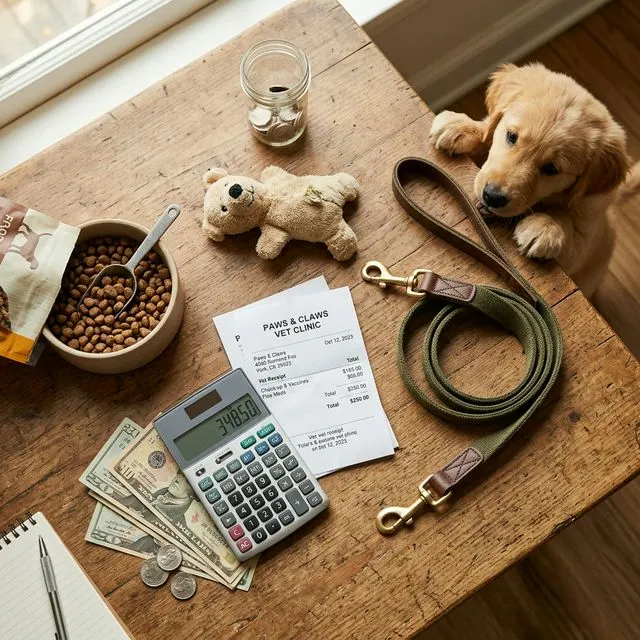
If you are researching dog prices in 2026, you have already noticed that the numbers vary wildly depending on the breed, the source, and where you live. A Pomeranian from a reputable breeder and a Pomeranian from a questionable online listing might sit at opposite ends of a ten-thousand-dollar range. This guide breaks down current puppy prices for 15+ breeds, explains what is driving costs up across the US, UK, and global markets, compares buying versus adoption, and gives you the honest checklist you need before spending a dollar.
Why Dog Prices Changed Significantly in 2026
Understanding why prices are where they are right now matters before you look at any specific breed figure. The dog market does not operate in a vacuum, and several converging forces have shaped what buyers are being asked to pay in 2026.
Post-Pandemic Demand Has Stabilized But Stayed High
The surge in dog ownership during 2020 and 2021 did not reverse the way some predicted. Millions of people who adopted or purchased dogs during lockdowns have remained pet owners, and new household formation continues to drive demand. In most markets, the pipeline of available puppies from responsible breeders has not kept pace with this sustained interest, which keeps prices elevated for popular breeds.
Breeding Costs Have Risen Sharply
Responsible breeders face significantly higher costs than they did three or four years ago. Genetic health testing, which now covers a wider panel of conditions for most breeds, costs more. Veterinary fees have risen in virtually every market. Premium nutrition during pregnancy and early puppy development has also increased in price. These are real costs that ethical breeders pass on, which is one reason the gap between responsible breeder pricing and backyard breeder pricing has widened.
Certain Breeds Have Become Social Media Phenomena
The influence of platforms like TikTok and Instagram on specific breed popularity is not subtle. Breeds that go viral see demand spikes that can double or triple their market price within months. French Bulldogs, Pomeranians, Cavapoos, and certain designer mixes have all experienced this effect in recent years. When demand outpaces supply this dramatically, prices rise and so does the incentive for unscrupulous operators to fill that gap.
Geographic Arbitrage Has Become More Complex
Interstate and international transport of puppies is more regulated than it was five years ago. Several US states have passed laws restricting the sale of commercially bred puppies in pet stores, pushing more buyers toward breeders directly. In the UK, Lucy's Law has had lasting effects on how puppies are sourced and sold. These regulatory changes add friction to the market in ways that generally increase prices for legitimate operations while creating new opportunities for bad actors operating outside those frameworks.
Dog Price List by Breed: 2026 Market Rates
The prices below reflect current market conditions across legitimate breeder and adoption channels. Responsible breeder pricing represents what you should expect to pay for a health-tested puppy with appropriate documentation. These figures are not guarantees; individual variation exists based on lineage, coat color, geographic location, and breeder reputation.
Pomeranian
Pomeranians remain one of the most searched dog breeds globally, and their price reflects it. Social media visibility has driven demand far beyond what the responsible breeding community can meet, which means the market is flooded with both high-quality options and exploitation.
- US price range: $2,000 to $6,500 from reputable breeders; show-quality or rare colors can exceed $10,000
- UK price range: £1,800 to £4,500
- Why prices vary: Color (white, merle, and lavender command premiums), parent champion titles, and whether the breeder performs cardiac and eye health screening
- Best suited for: Apartment dwellers, single owners, people who want a compact companion with a large personality
- Important note: "Teacup" Pomeranians are not a recognized size category and typically command inflated prices while carrying elevated health risks
If you are open to adoption, verified Pomeranian adoption listings are worth exploring before committing to a breeder purchase.
Golden Retriever
Golden Retrievers have maintained their status as one of the most consistently purchased family breeds for decades, and 2026 is no different. Their predictable temperament and trainability make them a perennial favorite for first-time owners.
- US price range: $1,500 to $4,500 from reputable breeders
- UK price range: £1,500 to £3,500
- Why prices vary: Field line versus show line genetics, hip and elbow OFA certification of parents, cardiac clearances
- Best suited for: Active families, homes with children, people with outdoor space
Labrador Retriever
Labradors have held the top spot in US breed registrations for decades, though their ranking slipped slightly in 2022 for the first time in thirty years. Demand remains enormous, particularly for health-tested working lines.
- US price range: $1,200 to $3,500 from reputable breeders
- UK price range: £1,200 to £3,000
- Why prices vary: Color (chocolate continues to command slight premiums in some markets), working versus show certification, exercise dog hip testing
- Best suited for: Active families, runners and hikers, multi-pet households
French Bulldog
French Bulldogs are simultaneously the most in-demand and the most complicated breed purchase of this decade. Their popularity has not waned despite significant awareness of the health challenges associated with their brachycephalic structure. This paradox keeps prices high and the risk of encountering a poorly bred individual equally high.
- US price range: $3,500 to $12,000 from reputable breeders; fluffy or exotic color variants can exceed $20,000
- UK price range: £3,000 to £8,000
- Why prices vary: Color genetics (merle, lilac, and fluffy coat require specialized breeding), BOAS screening results in parents, reproductive difficulty requiring assisted breeding
- Best suited for: Urban apartment dwellers who want a low-exercise companion; not suitable for hot climates or owners who cannot manage potential respiratory health costs
- Critical warning: French Bulldogs require higher lifetime veterinary investment than most breeds. Respiratory surgery is not uncommon. Factor this into your total cost assessment.
Chihuahua
Chihuahuas are among the most underrated long-term companions in the dog world. Their lifespan regularly reaches fifteen to seventeen years, and their minimal physical maintenance requirements make them genuinely practical for many lifestyles.
- US price range: $800 to $3,000 from reputable breeders
- UK price range: £700 to £2,500
- Why prices vary: Apple head versus deer head structure, long coat versus smooth coat, color and size
- Best suited for: Single-person households, older owners, people in very small living spaces
German Shepherd
German Shepherds occupy a unique position in the market: they are simultaneously one of the most commonly available breeds and one with enormous price variation depending on the line and intended purpose.
- US price range: $1,200 to $5,000 from reputable breeders; working line imports can significantly exceed this
- UK price range: £1,000 to £4,000
- Why prices vary: Working line versus show line genetics, import versus domestic breeding, Schutzhund titles of parents, hip certification level
- Best suited for: Experienced dog owners, people committed to training, households with space and an active lifestyle
Doodle Breeds (Goldendoodle, Labradoodle, Cavapoo)
Designer mixes continue to command premium prices that rival or exceed their purebred parent breeds, which is a market reality worth understanding clearly.
- US price range: $2,000 to $6,000 depending on generation and size
- UK price range: £2,000 to £5,000
- Why prices vary: Generation (F1, F1b, multi-gen), coat type, size (mini versus standard), and parent health testing
- Important context: No kennel club registers these as recognized breeds, which means health testing standards vary dramatically. Due diligence on parent health screening matters as much here as with any purebred.
- Best suited for: Allergy-sensitive households, families wanting a sociable companion, first-time owners who can commit to grooming
Cavalier King Charles Spaniel
Cavaliers are beloved for their gentle, affectionate nature, but the breed carries significant genetic health burdens that responsible buyers need to understand before purchasing.
- US price range: $2,000 to $5,000 from health-focused breeders
- UK price range: £1,800 to £4,000
- Why prices vary: MRI cardiac and neurological screening of parents, color, lineage
- Critical note: Mitral valve disease and syringomyelia are serious hereditary conditions in this breed. Only purchase from breeders who can demonstrate current cardiac clearances for both parents.
- Best suited for: Apartment dwellers, families, older owners, people who want an exceptionally affectionate companion
Border Collie
Border Collies are the most intelligent dog breed in the world by most behavioral assessments, and they are also the most demanding to live with. Their price is reasonable relative to the commitment they require.
- US price range: $1,000 to $4,000
- UK price range: £1,000 to £3,500
- Why prices vary: Working trial performance of parents, eye and hip health certification, color and coat type
- Best suited for: Very active owners, dog sport enthusiasts, experienced handlers; emphatically not suited to sedentary households or small apartments
Husky (Siberian Husky)
Huskies attract buyers with their dramatic appearance, and those buyers often underestimate what living with one actually involves. Their exercise requirement, vocal behavior, and escape artistry make them a genuinely challenging breed for unprepared owners.
- US price range: $1,000 to $3,500
- UK price range: £1,000 to £3,000
- Why prices vary: Eye color (blue eyes command premiums), coat color and markings, working sled dog lineage
- Best suited for: Very active owners, cooler climates, experienced handlers; requires significant outdoor exercise daily
Shih Tzu
Shih Tzus are an excellent apartment breed with a long history as companion animals. Their grooming requirements are their main ongoing commitment.
- US price range: $1,000 to $3,000
- UK price range: £800 to £2,500
- Why prices vary: Color, coat quality, and parent show records
- Best suited for: People who enjoy grooming, apartment dwellers, households looking for a calm companion
Yorkshire Terrier
Yorkies punch well above their weight in personality. Despite their small size, they are assertive, brave, and capable of remarkable feats of stubbornness when not properly trained from puppyhood.
- US price range: $1,200 to $4,000
- UK price range: £1,000 to £3,500
- Why prices vary: Size (very small individuals cost more but carry more health risk), coat color and texture, champion lineage
- Best suited for: Owners who want a compact but characterful dog, urban dwellers, experienced small breed owners
Dachshund
Dachshunds have enjoyed significant popularity growth in recent years, partly driven by their photogenic proportions on social media. Their loyalty and playfulness make them genuinely rewarding companions when their back health is managed properly.
- US price range: $1,000 to $3,500
- UK price range: £1,000 to £3,000
- Why prices vary: Coat type (smooth, long, wire), color (dapple and piebald cost more), miniature versus standard
- Health note: Intervertebral disc disease is a significant risk. Avoid breeders who do not test for spinal issues and be cautious about environments that require excessive stair climbing.
- Best suited for: Apartment dwellers, individuals, families without very young children who may handle the dog roughly
Beagle
Beagles are consistently underrated by first-time buyers who focus on their manageable size and cheerful expression without fully accounting for their nose-first relationship with the world. A Beagle that catches a scent becomes temporarily deaf to all other input.
- US price range: $800 to $2,500
- UK price range: £800 to £2,000
- Why prices vary: Show versus pet quality, color combination, breeder reputation
- Best suited for: Active families, people with securely fenced yards, patient owners willing to invest in consistent recall training
Maltese
The Maltese is one of the oldest toy breeds in the world, and its combination of hypoallergenic coat properties and gentle temperament keeps it in demand among urban owners.
- US price range: $1,500 to $4,000
- UK price range: £1,200 to £3,500
- Why prices vary: Coat quality, size, parent show records
- Best suited for: Allergy-sensitive households, apartment dwellers, owners who enjoy regular grooming sessions
Dog Price Differences by Location
Where you live has a material impact on what you will pay for a puppy from any given source. Understanding the geography of dog pricing helps you shop more intelligently and avoid paying city premiums when regional alternatives exist.
United States: Coastal vs. Inland Markets
In major coastal cities like New York, Los Angeles, San Francisco, and Miami, dog prices from breeders tend to run fifteen to thirty percent above the national average. The combination of higher living costs for breeders, concentrated demand in dense urban areas, and higher disposable income among buyers creates upward price pressure. A Golden Retriever that costs $2,500 from a reputable breeder in rural Ohio might be listed for $3,500 by a comparable breeder in the San Francisco Bay Area.
Inland and rural markets offer more pricing variability. You can find high-quality breeders at more accessible price points, but you may need to travel or arrange transport. Do not compromise on the quality of the breeder to save on the purchase price; the lifetime cost difference between a health-tested dog and one with preventable genetic conditions vastly exceeds any initial savings.
United Kingdom
Lucy's Law, which came into effect in 2020, prohibited the sale of puppies through pet stores and third-party commercial dealers, pushing the market toward direct breeder and adoption transactions. The practical effect has been mixed: it has made puppy farms harder to access through legitimate retail channels, but online sales from unscrupulous breeders have increased to fill that gap. Prices in London and the Southeast run noticeably higher than in Scotland, Wales, and the Midlands for most breeds.
European Markets
Germany, France, the Netherlands, and Scandinavia have some of the most stringent breeding regulations in the world. This generally means higher prices for puppies, but also more reliable health guarantees and genetic documentation. Germany in particular is known for rigorous working dog breeding standards, particularly in German Shepherds and Belgian Malinois. Buyers importing from European breeders need to factor in transport costs and import documentation requirements, which can add $500 to $2,000 or more to the final price.
Global Context: Why Prices Differ So Much Internationally
In countries with less regulatory oversight of breeding operations, base prices can appear dramatically lower. This does not reflect better value; it typically reflects lower breeding standards, reduced health testing, and less comprehensive veterinary care during early development. A $500 puppy from an overseas source that then requires $3,000 in veterinary treatment within the first year is not a bargain by any reasonable accounting.
Buying vs. Adopting: An Honest Cost Comparison
Adoption is not a compromise. For many buyers, it is the superior choice on both ethical and practical grounds, and the cost comparison makes this argument even more compelling.
What Adoption Typically Costs
- Shelter or rescue organization: $50 to $500 in most markets, often inclusive of spay/neuter, microchip, and initial vaccinations
- Purebred rescue organizations: $200 to $600 for breed-specific rescues, which often include behavioral assessments and health checks
- What you get included: Most legitimate rescue and shelter adoptions include sterilization, current vaccinations, flea and tick prevention, and a health assessment that would cost several hundred dollars if done separately
What Responsible Breeder Purchase Typically Costs
- Purchase price: $1,000 to $12,000+ depending on breed
- Initial vet visit: $150 to $300
- First year vaccinations (if not already begun): $200 to $400
- Spay or neuter surgery: $200 to $800
- Microchip: $50 to $100
The total first-year cost of a purchased puppy from a responsible breeder, including all initial health setup, typically runs $2,000 to $15,000 or more depending on the breed. The first-year cost of adoption from a reputable rescue is typically $500 to $1,500 inclusive of most of these same services.
Why Adoption Deserves Serious Consideration
Adult dogs from reputable rescue organizations come with documented behavioral history. You know whether the dog gets along with children, cats, and other dogs before you commit. With a puppy, you are making an educated guess based on breed tendencies and early socialization. Neither approach is universally superior, but the certainty of an adult rescue dog's personality is a genuine advantage for many households. Explore available dogs directly through dog adoption listings to see the range of options currently available.
Why Cheap Dog Prices Are Almost Always a Warning Sign
This section exists because the gap between what a responsibly bred puppy costs and what the cheapest online listings offer has become enormous. That gap is not an opportunity; it is a risk map.
Common Scam Patterns in 2026
- Overseas photo scams: Professional-looking listings using stolen photos from legitimate breeders. You pay a deposit or full price; the puppy never arrives or arrives as a completely different animal than advertised.
- Transport fee escalation: A low upfront price is followed by repeated requests for shipping insurance, customs fees, or veterinary clearance charges. These are fabricated and escalate until the buyer stops sending money.
- Fake health documentation: Certificates that appear legitimate but are created using template software. Verify any documentation through the issuing organization directly.
- Social media marketplace listings: High-volume platforms with minimal seller verification have become significant vectors for puppy scam listings. Be especially cautious with listings that offer unusually low prices, insist on payment via wire transfer or cryptocurrency, and cannot arrange a physical visit.
The Hidden Costs of Cheap Breeding
Beyond outright scams, puppies from low-cost high-volume operations often arrive with conditions that were present before purchase but not disclosed. Parvovirus, kennel cough, parasitic infections, and genetic conditions that manifest in the first year of life are disproportionately common in puppies from these sources. The short-term savings on purchase price routinely translate into first-year veterinary bills that exceed what a responsible breeder would have charged in the first place.
Understanding the true ongoing cost of dog ownership before you purchase helps you see the purchase price in the context of the actual financial commitment you are making.
Before You Buy or Adopt a Dog: The Complete Checklist
This list is not bureaucratic box-ticking. Every item on it has a direct connection to outcomes that affect you and the animal for years.
Evaluating a Breeder
- Can you visit the breeding premises and meet the mother in person?
- Are health certificates for genetic conditions relevant to the breed available for both parents?
- Is the puppy's date of birth documented and verifiable? No puppy should leave before eight weeks of age.
- Does the breeder ask you qualifying questions about your lifestyle, home, and experience? Responsible breeders screen buyers as carefully as buyers should screen them.
- Does the breeder offer a health guarantee and a take-back policy if circumstances change?
- Can the breeder provide references from previous puppy buyers?
Evaluating the Puppy
- Are the eyes clear with no discharge?
- Is the nose clean without colored or bubbly discharge?
- Is the abdomen proportionate, not pot-bellied? Distension often indicates parasites.
- Is the puppy moving confidently with no limping or toe-dragging?
- Is the coat clean, glossy, and free of bald patches or skin irritation?
- Does the puppy respond to your approach with appropriate curiosity rather than extreme fear or aggression?
- Is the environment where the puppy has been raised clean and appropriately socialized?
Before the Puppy Comes Home
- Book a veterinary appointment within the first 48 hours of bringing the puppy home
- Puppy-proof your home: secure toxic plants, cover electrical cords, install window screens
- Purchase food appropriate for the breed's size category and current age
- Set up a crate or designated safe space before arrival
- Research local puppy classes and schedule enrollment
- Confirm everyone in the household is aligned on rules, boundaries, and responsibility sharing
Financial Preparation
- Budget realistically for the first year: food, vaccinations, parasite prevention, initial vet setup, spay or neuter, and unexpected health costs
- Consider pet insurance; for breeds with known health vulnerabilities, this can be the difference between manageable and catastrophic veterinary expense
- Identify a veterinarian before the puppy arrives, not after
Questions to Ask Before Committing to Any Dog Purchase
These questions apply whether you are dealing with a breeder, a rescue organization, or a private rehoming situation.
- What vaccinations has the dog received, and when are the next ones due?
- Has the dog been dewormed? What protocol was used?
- Is the dog microchipped? What registry is it enrolled in?
- Has the dog been spayed or neutered? If not, what is the recommended timing?
- What is the dog currently eating, and what portion size?
- Has the dog shown any behavioral concerns in its current environment?
- Does the dog have experience with children, other dogs, or cats?
- What is the return policy if the placement does not work out?
Where to Find Legitimate Listings in 2026
The platform where you find your dog matters as much as the individual listing. Verified platforms with seller accountability processes reduce, though they do not eliminate, the risk of encountering fraudulent or irresponsible sellers.
For both adoption and purchase, browsing Petopic's dog adoption listings gives you access to verified listings with documented health information. For those specifically looking to purchase, Petopic's dog sale listings provide a platform with seller verification that reduces the risk associated with unvetted sources.
Frequently Asked Questions About Dog Prices in 2026
What is the average cost of a puppy in 2026?
From a responsible breeder in the United States or UK, the realistic average across popular breeds sits between $1,500 and $5,000. This is the range for a health-tested puppy with appropriate documentation from a breeder who has invested properly in the parents and litter. Prices below this range from breeders claiming the same quality warrant skepticism. Adoption costs typically fall between $100 and $600 inclusive of health services.
Why are French Bulldogs so expensive?
French Bulldogs require assisted reproduction in many cases because their physical conformation makes natural breeding difficult. C-section delivery is often necessary. Health testing requirements are extensive. Demand has dramatically outpaced responsible breeding supply. These factors combine to justify significant prices from legitimate breeders, though the market also has more inflated and fraudulent listings for this breed than almost any other.
Is it cheaper to adopt than buy a dog?
Yes, in almost every market and for almost every scenario, the initial cost of adoption is significantly lower than purchase from a breeder. The total first-year cost comparison often shows adoption saving buyers $2,000 to $10,000 compared to purchasing from a responsible breeder, with comparable or better health outcomes when the adoption comes from a reputable rescue organization.
What are the signs of a puppy mill operation?
Multiple breeds available simultaneously, inability to meet the mother, refusal to allow a physical visit, pressure to decide quickly, prices that seem too good to be true for a claimed purebred, payment methods that offer no buyer protection, and documentation that cannot be verified through the issuing organization are all significant indicators.
Should I buy a dog from a different state or country to get a lower price?
Distance purchasing significantly increases risk. You cannot assess the environment, meet the parents, or evaluate the puppy's actual condition before committing. When lower prices in distant markets reflect legitimate regional variation, they can represent real savings. When they reflect lower breeding standards, you will pay the difference in veterinary bills. Any purchase from a source you cannot visit in person requires exceptional due diligence and should never involve wire transfer or cryptocurrency payment.
Final Perspective: The Purchase Price Is the Smallest Part of the Cost
Whatever you pay to acquire a dog represents a small fraction of what that dog will cost you over its lifetime. A fifteen-year relationship with a medium-sized dog involves roughly $20,000 to $40,000 in food, routine veterinary care, preventive medications, grooming, training, boarding, and supplies in most markets. A breed with significant health vulnerabilities can push that number considerably higher.
The decision about which dog to get should be driven primarily by lifestyle compatibility, not purchase price. The decision about where to get the dog should be driven by source quality and ethical considerations, not the lowest available number.
Spend less time hunting for the cheapest puppy and more time identifying the right breed for your actual life, then finding the most responsible source for that breed. That sequence of priorities is what separates satisfying, decade-long dog ownership from expensive, heartbreaking disappointment. If you are still early in figuring out which direction is right for you, exploring available dogs across all breeds and ages is a far better starting point than a price list.