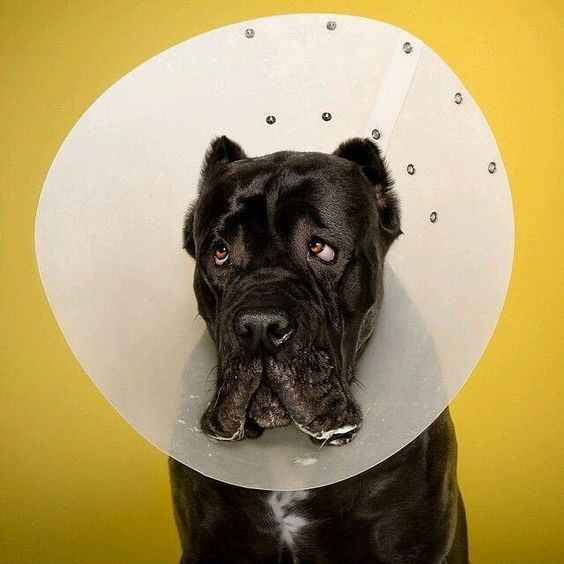
Spaying or neutering your dog is one of those decisions that seems “simple” until you’re actually the one booking the appointment. Suddenly you have a dozen real questions: What’s the best age? Is it risky? How much does it really cost? Will my dog’s behavior change? What do I do if they try to lick the stitches at 2 a.m.?
This guide is written for normal people living normal life — not for perfectionists and not for internet arguments. I’m going to walk you through the decision like a friend who has already watched dogs go through it (and learned the hard lessons): what matters, what doesn’t, what vets actually worry about, and what owners usually mess up during recovery.
What does “spay/neuter” actually mean?
Neuter usually means removing the testicles in male dogs. Spay usually means removing the ovaries (and often the uterus) in female dogs. The goal is permanent sterilization — but it also changes reproductive hormones, which can affect certain health risks and sometimes some hormone-driven behaviors.
Important reality check: spay/neuter is not a “personality reset.” If your dog has learned bad habits, the surgery will not magically teach impulse control. Behavior improvements (when they happen) usually come from lowering hormone-driven motivations combined with training and routine.
Best age to spay or neuter: is there one “perfect” time?
There isn’t one universal number that fits every dog. The “best time” depends on size, breed, growth rate, lifestyle, and health history. But here’s how the conversation commonly goes in practice:
- Small breeds: often discussed around 6–9 months.
- Medium breeds: commonly around 8–12 months.
- Large & giant breeds: sometimes delayed to 12–18 months due to slower growth and joint considerations.
For female dogs, you’ll often hear: before the first heat vs after the first heat. There are legitimate arguments on both sides. The only “bad” approach is picking a date based on random comments without considering your dog’s actual body and situation.
If your dog is still in the puppy stage, your timing decisions should also align with basic health planning. If you haven’t organized vaccinations yet, this can help you set a clean schedule: www.petopic.com/en/blog/2026-dog-vaccination-schedule-plan-ahead
Spay vs neuter: what’s different for recovery?
Neutering a male dog
Neuter is generally quicker and less invasive than a spay. Many male dogs bounce back fast — sometimes a little too fast — which is why owners accidentally allow too much activity too early. Hormone-driven behaviors like roaming for females or intense scent-fixation may reduce over time, but it’s not guaranteed and it’s not instant.
Spaying a female dog
A spay is usually abdominal surgery, which makes aftercare more important. Your dog may need stricter rest. The benefits can be significant: it prevents accidental pregnancy and can reduce risks of serious reproductive conditions later on.
How much does spay/neuter cost? (What actually drives the price)
People ask for a single number, but that’s not how it works. Costs vary by city, clinic standards, your dog’s size, and what’s included. Two dogs in the same neighborhood can have very different bills because the surgery is only one part of the total package.
Here are the most common factors that push the cost up or down:
- Dog’s weight and age: affects anesthesia and medication dosing.
- Female vs male: spay is typically more complex than neuter.
- Pre-op bloodwork: some clinics include it, some price it separately.
- Monitoring and safety: better monitoring equipment and trained staff cost more.
- Pain management plan: proper pain control often adds cost but improves recovery.
Here’s the truth most people learn late: the “cheapest option” can become expensive if complications happen and you need multiple follow-up visits. Good surgery is not just the operation — it’s the whole system around it.
If you’re trying to plan your overall dog budget (not just surgery), this cost breakdown helps you see the bigger picture: www.petopic.com/en/blog/how-much-does-a-dog-really-cost
Is spay/neuter risky? The honest answer
Any surgery carries risk — but most risk comes from poor preparation and poor aftercare, not from the concept of spay/neuter itself. The goal is to reduce preventable issues by doing the boring, simple things correctly.
Common risks and complications
- Anesthesia risk: this is why a proper exam (and often bloodwork) matters.
- Infection: most often linked to licking, chewing, or dirty environments.
- Bleeding / swelling: sometimes triggered by early activity and jumping.
- Weight gain tendency: not “automatic,” but easier if calories aren’t adjusted.
The #1 owner mistake is emotional: “I feel bad putting the cone on.” I get it. But skipping the cone is how you turn a clean surgery into an urgent problem. Dogs don’t understand stitches. They understand “this feels weird” — and they will try to fix it with teeth.
Pre-surgery checklist: what to do in the 24 hours before
Before surgery, your clinic will tell you what to do. Follow their instructions exactly — but here’s the practical version owners remember best:
- Fasting: most dogs need an empty stomach before anesthesia (your clinic sets the hours).
- Water: allowed or restricted depending on the plan — ask and follow.
- Keep it calm: no intense play right before; a calm walk is fine.
- Transport: bring your dog safely and comfortably (especially if they get anxious in cars).
- Don’t DIY meds: never give “something to relax” unless your vet approves it.
If you’re new to vet appointments and want to know what to ask (and what to bring), this guide is useful: www.petopic.com/en/blog/what-should-be-done-first-vet-visit-complete-guide
Recovery timeline: day-by-day what’s normal vs what’s not
First 24 hours
Sleepiness, mild disorientation, and a smaller appetite can be normal. Your dog may look at you like, “Why am I floating?” That’s anesthesia wearing off.
Not normal: repeated vomiting, collapse, breathing issues, pale gums, or extreme pain behaviors. Those require immediate contact with the clinic.
Days 2–3 (the “danger zone”)
This is when dogs often feel better and start trying to act normal — which is exactly why stitches get ruined. Owners see energy and think “great, we’re done.” But internally, the body is still healing. Keep activity controlled and boring.
Days 4–7
You should see steady progress. Mild swelling can be normal early on. The incision should look cleaner every day, not worse.
Red flags: worsening redness, bad smell, heat, pus-like discharge, or your dog obsessively trying to lick.
Days 10–14
Many clinics schedule a follow-up around this window, especially if there are external stitches. Even if your dog looks “perfect,” don’t celebrate early by letting them sprint and jump. A lot of setbacks happen because owners relax right at the finish line.
Aftercare rules that actually matter (and why)
- Cone (E-collar): wear it, especially at night. This is non-negotiable if your dog licks.
- Keep the incision dry: no baths, no muddy adventures, no “quick rinse.”
- Short potty breaks: controlled, leashed, no running, no stairs if possible.
- Prevent jumping: couch/bed launches are how healing gets undone.
- Give meds correctly: don’t stop early just because your dog seems okay.
- Food portion awareness: some dogs get hungrier after; adjust calories rather than “treating the sadness.”
A lot of owners underestimate how strategic rest has to be. Here’s a real-life scene: the dog looks completely fine on day 3, you take them outside, they see a squirrel, they explode forward — and suddenly the incision is angry. Recovery is boring by design. Boring is success.
Will my dog’s behavior change after spay/neuter?
Sometimes. Not always. And rarely instantly.
Spay/neuter can reduce certain hormone-driven behaviors (like roaming, heat-related stress, some marking). But behaviors rooted in habit, anxiety, or lack of training won’t disappear just because hormones changed.
If you’re dealing with bigger behavior issues, treat surgery as one piece of the puzzle, not the whole solution. Routine, boundaries, and training are still the main tools.
When spay/neuter may NOT be the right immediate choice
This part matters because online content often pushes one direction. Real decisions are more nuanced. You may need to delay or adjust the plan if:
- Your dog has unresolved health issues (your vet needs to stabilize them first).
- Your dog is extremely underweight or recovering from illness.
- You have zero ability to control recovery (work travel, no help, hyperactive dog with no confinement plan).
- Your vet recommends waiting due to breed-specific growth/joint considerations.
That doesn’t mean “never.” It means “plan properly.”
7 questions to ask your vet before you book the surgery
- Based on my dog’s breed/size, what timing do you recommend and why?
- What bloodwork or exam do you do before anesthesia?
- What pain management plan is included?
- How should I manage food/water the night before?
- What activity restrictions do you want and for how long?
- What incision changes are normal vs urgent?
- When is the follow-up visit?
Final take: “The best outcome is the boring one”
Spay/neuter goes smoothly when you treat it like a small project: prepare, ask the right questions, and manage recovery like a routine — not like a guess. Most dogs do great. Most complications are preventable. And the difference is usually not luck — it’s owners doing the basic things consistently for two weeks.
If you’re feeling unsure, that’s not a weakness — that’s you taking the decision seriously. Book a consultation, bring your questions, and choose a plan tailored to your dog, not to a generic internet timeline.