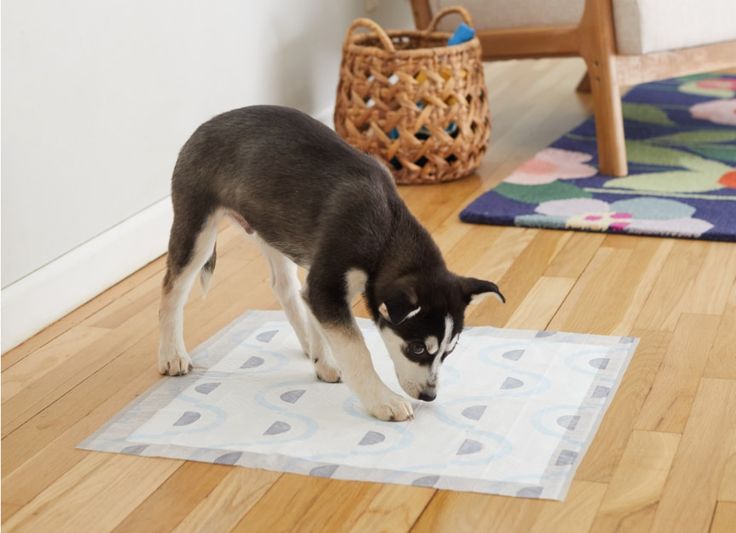
Dog toilet training usually starts with the same sentence: “Everything is fine… except the accidents.”
Whether you have a puppy or an adult dog, live in an apartment or a house, toilet training becomes stressful when it is done incorrectly.
This guide is not based on theory. It is written from real-life experience — the mistakes, the frustration, and what actually works when training a dog to toilet properly.
Why Dog Toilet Training Feels Difficult
Most problems happen because training starts in the wrong way.
The most common mistakes include:
- Not tracking toilet times
- Expecting the dog to “just understand”
- Scolding after accidents
- Lack of a daily routine
Dogs do not toilet indoors on purpose. They simply repeat what has been unintentionally taught.
Puppy Toilet Training
Puppy toilet training requires patience, but it is the easiest stage to fix.
Puppies usually need to toilet:
- Right after waking up
- 5–15 minutes after eating
- After playing
- After short naps
Missing these moments is the main reason accidents happen.
If you are new to puppy care, this guide helps you understand the early stages better:
Puppy & Kitten Care: First 6 Months Guide
Dog Toilet Training at Home
Home toilet training is especially common for apartment living.
The goal is simple: teach the dog to toilet in one consistent spot, not randomly.
If you use training pads or a designated indoor area:
- Do not change the location frequently
- Guide the dog to the same spot every time
- Reward immediately after correct behavior
Rewards do not always mean treats. Calm praise or short play is often enough.
Apartment Dog Toilet Training
The biggest fear of apartment owners is: “What if my dog never adapts?”
Dogs adapt to routines — not buildings.
The most effective apartment routine includes:
- Morning walk at the same time
- Evening walk at the same time
- Short final walk before sleep
These times create a biological schedule for your dog.
Toilet Training Adult Dogs
Adult dogs can be toilet trained — it is not impossible.
Rescued or rehomed dogs may have past habits. Patience and consistency matter more than speed.
Punishment does not work. It only creates fear and delays progress.
The Biggest Mistake: Reacting to Accidents
Many owners shout or panic after seeing an accident.
The dog learns only one thing: “My owner gets angry when I toilet.”
But the dog does not learn where it should toilet.
The correct reaction is to clean calmly and focus on guiding the next correct moment.
How Long Does Dog Toilet Training Take?
There is no single timeline.
- Puppies: 2–6 weeks
- Adult dogs: 1–3 months
Consistency matters more than speed.
The Importance of the First Vet Visit
Some toilet issues are not behavioral but medical.
A proper first vet visit can rule out health problems and make training much easier.
If you are unsure what to expect, this guide helps:
First Vet Visit: What Should Be Done
A Realistic Reminder
Toilet training does not happen overnight.
But one day you will realize: your dog has not had an indoor accident in weeks.
Conclusion
Dog toilet training is not difficult — it is often explained poorly.
With routine, patience and correct timing, puppies and adult dogs can learn successfully, whether living at home or in an apartment.
If you are applying what you read here, you are already ahead of most dog owners.