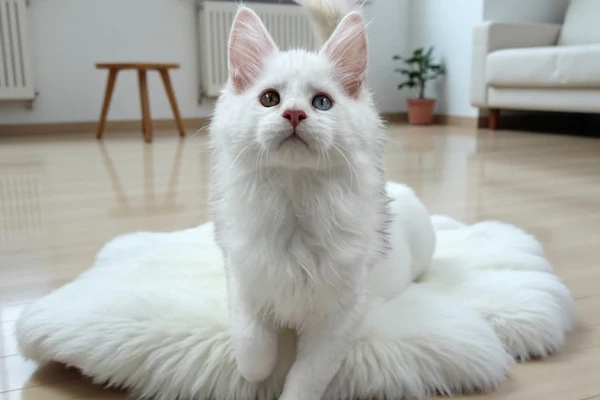
If you are thinking about getting a cat but feel overwhelmed by all the options, choosing the right breed can make an enormous difference in your day-to-day experience. The easiest cat breeds to care for are not just low maintenance in terms of grooming. They are also calm enough for apartment life, independent enough to handle your work schedule, and adaptable enough to fit into a variety of households. This guide covers the best cats for beginners with honest breakdowns of each breed's temperament, shedding level, and real lifestyle fit.
Before You Choose a Breed: What Actually Matters
Most first-time cat owners make the same mistake: they pick based on photos. A breed that photographs beautifully might demand hours of daily grooming, constant attention, or a large space to stay happy. Choosing based on looks alone is one of the most common reasons cats end up in shelters within the first year of adoption.
The questions that actually matter before choosing a breed are: How many hours a day will the cat be home alone? Do you have children or other pets? Does anyone in your household have allergies? Are you in an apartment or a house? Are you prepared for daily brushing, or do you need something truly hands-off? These answers narrow the field considerably and save you from a mismatch that is frustrating for both you and the cat.
If you are still in the early stages of deciding whether cat ownership is right for you at all, reading up on 10 things to know before adopting a pet is a worthwhile investment of fifteen minutes before you commit to anything.
The Easiest Cat Breeds to Care For
1. British Shorthair
The British Shorthair is arguably the most beginner-friendly cat breed in the world, and the reasons are easy to understand. These cats are calm, undemanding, and genuinely comfortable being left alone for reasonable stretches of time. They are affectionate without being clingy, which is exactly the balance most first-time owners want but rarely know how to articulate until they experience the alternative.
- Temperament: Calm, easygoing, independent but affectionate
- Grooming needs: Weekly brushing is sufficient for the dense, plush coat
- Shedding level: Moderate; increases during seasonal changes
- Apartment suitability: Excellent; low activity level, adapts well to small spaces
- Alone time tolerance: High; copes well with owners who work full time
British Shorthairs do not typically seek lap time aggressively. They prefer to be near you rather than on you, which many owners find refreshing. They are also reliably patient with children and generally tolerant of other pets when properly introduced.
2. Ragdoll
Ragdolls get their name from the way they go limp when picked up, and that physical softness reflects their temperament perfectly. These are large, gentle cats that tend to follow their owners from room to room without demanding constant entertainment. Their calm and forgiving nature makes them one of the top recommendations for families with young children.
- Temperament: Extremely gentle, affectionate, calm, and social
- Grooming needs: Silky coat requires brushing two to three times per week
- Shedding level: Low to moderate despite the semi-long coat
- Apartment suitability: Very good; not particularly active indoors
- Alone time tolerance: Moderate; prefers company over long periods of isolation
The main consideration with Ragdolls is the grooming commitment. Their coat does not mat easily, but regular brushing prevents tangles and reduces hairballs. Most Ragdolls seem to enjoy being brushed, so this routine tends to become a bonding ritual rather than a chore.
3. Russian Blue
Russian Blues are a great fit for people who want a genuinely devoted cat without the noise or constant demands of more extroverted breeds. They tend to be reserved with strangers but deeply loyal to the people they trust. One of their most discussed advantages is a lower production of the Fel d 1 protein, which is the primary allergen responsible for cat-related allergic reactions in humans.
- Temperament: Intelligent, loyal, gentle, and slightly reserved with new people
- Grooming needs: Dense double coat needs weekly brushing
- Shedding level: Low; one of the better options for allergy-sensitive households
- Apartment suitability: Excellent; prefers quiet, predictable environments
- Alone time tolerance: Moderate to high
Russian Blues are sensitive to changes in routine, so if your household is chaotic or very loud, they may take longer to settle in. In a calm apartment environment, though, they thrive and become remarkably connected to their primary person. If allergies are a concern in your household, our guide on living with pet allergies covers which breeds are considered more allergy-friendly and how to manage sensitivity before committing.
4. Scottish Fold
Scottish Folds are recognized instantly by their signature folded ears and round, owl-like faces. Beyond the distinctive look, they are known for being sweet-tempered, adaptable, and relatively quiet. They get along well with other cats, dogs, and children, making them a genuinely flexible choice for mixed households.
- Temperament: Calm, sweet, curious, and adaptable
- Grooming needs: Short-haired variety needs weekly brushing; longhair variety needs more frequent attention
- Shedding level: Low to moderate
- Apartment suitability: Excellent
- Alone time tolerance: Good
One important note about Scottish Folds: the genetic mutation responsible for the folded ears can be associated with joint and cartilage issues. This is not a reason to avoid the breed, but it is a reason to source from a responsible breeder who health-tests their animals and to keep up with regular veterinary checkups.
5. Siamese
Siamese cats are not for everyone, and being upfront about that is more useful than glossing over their personality quirks. They are intensely vocal, deeply social, and will follow you around the apartment making their opinions known. If you want a quiet, hands-off cat, Siamese will frustrate you. But if you want a genuinely interactive companion that behaves almost like a conversational roommate, there is nothing quite like them.
- Temperament: Very social, vocal, intelligent, and attention-seeking
- Grooming needs: Short, fine coat requires almost no grooming
- Shedding level: Very low
- Apartment suitability: Good, but requires stimulation and interaction
- Alone time tolerance: Low; does not handle prolonged isolation well
If you work long hours and live alone, consider getting two Siamese cats so they can keep each other company. A bored, lonely Siamese is a loud and sometimes destructive one. But a well-stimulated Siamese is one of the most entertaining and rewarding cats you can live with.
6. Exotic Shorthair
Think of the Exotic Shorthair as the Persian's easygoing younger sibling. They share the same flat face and stocky build but require dramatically less grooming. They are quiet, gentle, and not especially demanding of attention, which makes them an excellent choice for people who want a calm, visually striking cat without the daily brushing commitment that Persians require.
- Temperament: Calm, quiet, affectionate, and undemanding
- Grooming needs: Weekly brushing is usually sufficient; facial folds need regular cleaning
- Shedding level: Moderate
- Apartment suitability: Excellent
- Alone time tolerance: Good
Exotic Shorthairs with their flattened facial structure can sometimes experience mild breathing difficulties, particularly in hot weather. Keeping them cool, avoiding overexertion, and maintaining regular vet visits are the key care commitments for this breed.
7. Devon Rex
Devon Rex cats look like they were designed by a science fiction illustrator: large ears, wavy coat, enormous eyes, and a slender frame. What surprises most first-time Devon Rex owners is how warm and dog-like their personality is. These cats bond closely with their people, follow them everywhere, and genuinely enjoy being held and carried. Their coat is also one of the lowest-shedding of any breed, which is a significant practical advantage.
- Temperament: Playful, affectionate, energetic, and social
- Grooming needs: Very light; curly coat should not be over-brushed as it breaks easily
- Shedding level: Very low; a good option for people with mild sensitivities
- Apartment suitability: Good
- Alone time tolerance: Low; thrives with company
Devon Rex cats do best in homes where someone is around for much of the day, or where they have a feline companion. They can develop separation-related behaviors if left alone too frequently. Their wavy coat can also be prone to thinning in patches, which is cosmetic but worth knowing about so you are not alarmed if it happens.
8. Maine Coon
Maine Coons are the gentle giants of the cat world. They are large, sometimes extraordinarily so, with thick tufted coats and tufted ears. What makes them beginner-friendly despite their size is their remarkably easygoing temperament. They are often described as dog-like: loyal, playful, and interested in whatever you are doing. Many Maine Coons enjoy water, learn their names quickly, and can even be taught to walk on a leash.
- Temperament: Sociable, intelligent, playful, and adaptable
- Grooming needs: Thick, semi-long coat needs brushing two to three times per week
- Shedding level: High, especially in spring and autumn
- Apartment suitability: Moderate; their size means they appreciate more space when available
- Alone time tolerance: Moderate
If shedding is a concern for you, a Maine Coon may require some adjustment in terms of how often you vacuum. But the coat, when regularly maintained, is one of the most satisfying to groom and rarely mats badly if you keep up with it consistently.
9. American Shorthair
The American Shorthair is one of those breeds that does not generate the kind of social media buzz that Persians or Scottish Folds do, but among experienced cat owners it is consistently praised for exactly the qualities that make living with a cat genuinely pleasant. These are healthy, hardy, low-drama cats with balanced temperaments that adapt to almost any household situation.
- Temperament: Balanced, easygoing, independent yet affectionate
- Grooming needs: Weekly brushing is all that is typically needed
- Shedding level: Low to moderate
- Apartment suitability: Excellent
- Alone time tolerance: High
American Shorthairs are particularly good with children and tend to coexist peacefully with dogs and other cats. They are not particularly demanding of attention and do not have strong separation anxiety. For a true beginner who wants a reliable, warm, and uncomplicated companion, the American Shorthair deserves to be at the top of the list.
10. Burmese
Burmese cats occupy an interesting middle ground: they are more social and interactive than truly independent breeds, but they are not as loud or demanding as Siamese. They tend to follow their owners around, sit nearby during work calls, and appear genuinely interested in household activity. Their short, glossy coat requires almost no grooming, which is a significant plus for busy owners.
- Temperament: Curious, affectionate, playful, and sociable
- Grooming needs: Minimal; short coat needs almost no brushing
- Shedding level: Low
- Apartment suitability: Very good
- Alone time tolerance: Moderate; benefits from a companion if owners are often away
Burmese cats are a good choice for people who want more engagement from their cat than a British Shorthair or American Shorthair provides, but are not quite ready for the intensity of a full Siamese experience.
Cats That Don't Shed Much: A Quick Reference
Shedding is one of the most practical concerns for apartment dwellers, allergy sufferers, and anyone who owns a lot of dark clothing. While no cat is entirely non-shedding, some breeds keep it to a minimum that most owners barely notice.
- Sphynx: No coat means no shedding, but requires weekly skin cleaning to remove oil buildup
- Devon Rex: Very minimal shedding due to short, wavy coat
- Russian Blue: Low shedder and lower allergen production than most breeds
- Siamese: Very short, fine coat with minimal shedding
- Burmese: Short, glossy coat that sheds very little
- Balinese: Often called the long-haired Siamese but surprisingly low-allergen despite the coat length
If allergies are driving your choice, no amount of low-shedding research replaces actually spending time with the specific breed before committing. Allergic reactions vary significantly from person to person and from cat to cat even within the same breed.
Apartment-Friendly Cats: What Makes a Cat Suited for Small Spaces
Living in an apartment does not rule out cat ownership, not even close. Cats are fundamentally better suited to indoor apartment life than most dogs. But a few factors determine how well a particular cat will actually thrive in a small space.
Activity Level Matters More Than Size
A large, calm cat like a Maine Coon or Ragdoll often does better in an apartment than a small, high-energy cat that needs constant stimulation. Activity level is the variable to focus on, not physical size. Breeds like the Abyssinian, while compact, are so active and curious that they can become restless and difficult in a small space without sufficient enrichment.
Vertical Space Is as Important as Floor Space
Cats naturally seek elevated positions for security and observation. Cat trees, wall-mounted shelves, and window perches give indoor cats the vertical territory they instinctively crave. A small apartment with good vertical options is a better environment for most cats than a larger apartment with nothing to climb.
Mental Stimulation Prevents Problem Behaviors
A bored cat is often a destructive cat. Puzzle feeders, rotating toys, and window access for bird-watching are low-effort ways to keep an indoor cat engaged. Even leaving a nature video playing on a screen can provide meaningful stimulation for cats left alone during the day.
Which Cat Suits Which Lifestyle: A Practical Matchmaking Guide
If you are still unsure which direction to go, these practical pairings should help crystallize the decision.
- You work long hours and want a cat that handles solitude well: British Shorthair or American Shorthair
- You have young children and need a patient, gentle cat: Ragdoll or Maine Coon
- You have mild cat allergies: Russian Blue or Devon Rex
- You want a highly interactive, talkative companion: Siamese or Devon Rex
- You want calm and quiet: British Shorthair or Exotic Shorthair
- You are an active person who wants a cat that engages with you: Burmese or Maine Coon
- You are a first-time cat owner with no strong preference: American Shorthair; reliable, healthy, and adaptable
- You are concerned about hair on furniture: Devon Rex, Siamese, or Burmese
Common Mistakes First-Time Cat Owners Make
Understanding these mistakes before you adopt will save you significant stress and probably save the cat from being rehomed.
- Choosing based on appearance alone: The most photogenic cat on Instagram might need two hours of daily grooming and howl at three in the morning. Do your homework before falling in love with a look.
- Underestimating ongoing costs: Food, litter, regular vet visits, vaccinations, spay or neuter surgery, and emergency medical care add up quickly. Getting a realistic picture of what pet ownership really costs before committing is worth doing, even if the article focuses on dogs; the cost structure for cats is similar in many areas.
- Skipping the vet within the first week: Even if the cat looks healthy, a baseline health check in the first few days establishes a record, checks for parasites, and catches anything the seller or shelter may not have noticed.
- Neglecting litter box hygiene: Cats are fastidious and will find alternative locations if their litter box is not kept clean. Scooping once or twice daily is the baseline expectation, not an occasional task.
- Not cat-proofing the home: Open windows without screens, toxic houseplants, small objects that can be swallowed, and accessible electrical cords all pose real risks to a curious cat exploring a new space.
- Introducing a second pet too quickly: Whether it is a second cat or a resident dog, rushing the introduction process creates tension that can take months to undo. A slow, structured introduction over days or weeks produces far better long-term outcomes.
- Treating the cat like a completely autonomous creature that needs nothing: Cats may project self-sufficiency, but they still need daily social interaction, mental engagement, and regular health monitoring. Ignoring behavioral or physical changes because "cats are independent" is how small problems become expensive ones.
What to Know Before Adopting a Cat
Adoption is increasingly the first choice for people looking to add a cat to their household, and the practical advantages are real. Most cats adopted through rescue organizations or shelters arrive already vaccinated, spayed or neutered, microchipped, and with some behavioral history documented. That information is genuinely useful when assessing whether a particular cat will fit your household.
Adopting also often means getting a cat whose personality is already apparent. Kittens are unpredictable; the calm kitten at eight weeks may become an intensely active adult. An adult rescue cat's personality is already established, which makes matching to your lifestyle considerably more reliable.
If you are ready to explore available cats, browsing cat adoption listings is a good starting point. And if you are open to the idea of a dog as well, dog adoption listings offer a wide range of options for different household types.
Essential Supplies Before Your Cat Comes Home
Having the right setup in place before the cat arrives makes the transition significantly smoother for both of you.
- Litter box and litter: One box per cat plus one extra is the standard recommendation. Covered or uncovered depends on the individual cat's preference, which you will learn quickly.
- Food and water bowls: Wide, shallow bowls prevent whisker fatigue, which is a real issue some cats experience with deep bowls.
- Carrier: Essential for vet visits; a hard-sided carrier that opens from the top is easier to get a reluctant cat in and out of.
- Scratching post: Non-negotiable if you want your furniture to survive. Place it near where the cat sleeps and where it naturally wants to stretch.
- Cat tree or climbing structure: Particularly important for apartment cats who need vertical territory.
- Toys: Wand toys, crinkle balls, and puzzle feeders; variety matters because cats have preferences and will ignore toys that do not engage them.
- Grooming brush appropriate for the breed: Getting this right from the start prevents coat problems from developing.
A Note on Dental Health, Which Most Owners Overlook
Dental disease is the most commonly underdiagnosed health issue in domestic cats. The majority of cats over three years old have some degree of periodontal disease, and it can cause real pain and systemic health problems when left untreated. Starting a tooth-brushing habit early, offering dental treats designed for cats, or at minimum scheduling periodic professional dental cleanings can prevent the kind of advanced dental disease that requires expensive extractions.
This is not something most first-time cat owners think about. Bringing it up at your first vet visit and getting guidance on the right approach for your specific cat is one of the highest-value investments you can make in their long-term health.
Final Thoughts: The Right Cat Makes Everything Easier
There is no universally perfect cat breed. What there is, for every person reading this, is a breed that fits their specific life better than the others. Spending time with this decision rather than defaulting to what looks cutest on a screen is the single most impactful thing you can do to ensure a long and satisfying relationship with your cat.
The easiest cat to care for is the one that matches your energy, your schedule, your space, and your emotional bandwidth. For most beginners, that tends to be a British Shorthair, American Shorthair, or Russian Blue. For people who want more interaction, a Ragdoll or Burmese. For those with allergy concerns, a Devon Rex or Russian Blue. For families with children, a Ragdoll or Maine Coon.
Whatever you choose, approach it with the same seriousness you would any long-term commitment. Cats live fifteen years on average, and many live considerably longer. The right choice, made thoughtfully, leads to a partnership that genuinely enriches daily life in ways that are hard to fully articulate until you experience them.