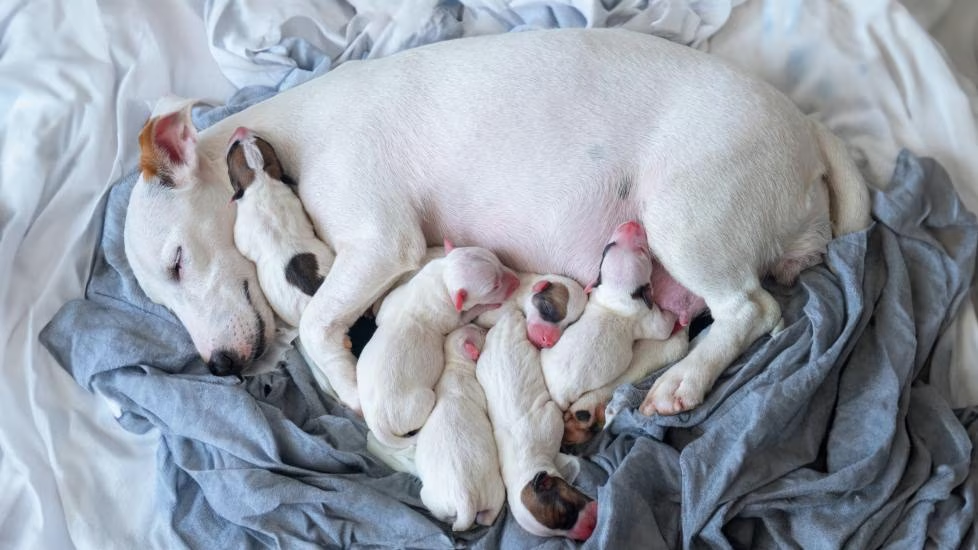
How Many Months Does a Dog Stay Pregnant? Gestation Timeline, Signs, and Safe Birth Preparation
If you’ve recently learned that your female dog is expecting, the first question that naturally comes to mind is: how many months does a dog stay pregnant? While the short answer is “about two months,” responsible dog owners know that managing pregnancy safely requires more than just counting weeks. Understanding the exact gestation window, recognizing early and late pregnancy signs, preparing a proper whelping area, and knowing when to involve your veterinarian can make a life-saving difference for both the mother and her puppies. In this comprehensive, experience-driven guide, you’ll learn the real gestation timeline, week-by-week changes, warning signs, and practical steps trusted by experienced breeders and veterinarians.
⏰ Dog Pregnancy Length: Days vs. Months
In most cases, a dog’s pregnancy lasts between 58 and 63 days, which equals roughly 2 months. However, serious monitoring should always be done in days rather than months, because even a difference of a few days can matter.
- Average gestation: 58–63 days
- Before day 56: May indicate premature birth (requires veterinary attention)
- After day 64–65: Consider veterinary check for delayed labor
- Small breeds: Sometimes deliver slightly earlier
- Large breeds: Sometimes carry a bit longer
🧬 What Can Change the Exact Due Date?
Even though the biological window is fairly consistent, real-world pregnancies can vary. Based on veterinary guidance and breeder experience, several factors influence when labor actually begins.
- Litter size: Large litters may trigger slightly earlier labor; small litters may extend gestation.
- Breed and body size: While the range is similar, timing can shift by a few days.
- Mother’s age: First-time mothers sometimes progress more slowly.
- Overall health: Hormonal imbalance, infections, or uterine issues can affect timing.
- Nutrition and stress: Poor diet or high stress can complicate late pregnancy.
🔍 Early Signs of Dog Pregnancy
During the first weeks, pregnancy can be subtle. The most reliable confirmation is always a veterinary exam, but attentive owners often notice early behavioral and physical clues.
- Appetite changes: Temporary decrease or gradual increase
- Lower energy: More sleeping, less interest in intense play
- Nipple enlargement: Usually noticeable by weeks 3–4
- Gradual abdominal growth: More visible after week 5
- Behavior shifts: Some dogs become clingy; others seek quiet space
For first-time owners, establishing a proper medical baseline is important. If you’re unsure about routine checks, reviewing what happens during a first veterinary visit can help you prepare the right questions for your vet.
📅 Week-by-Week Dog Pregnancy Timeline
Tracking pregnancy week by week helps you anticipate changes instead of reacting late. While every dog is unique, the following timeline reflects what most healthy pregnancies look like.
- Weeks 1–2: Implantation phase. External signs are minimal. Behavior usually normal.
- Weeks 3–4: Nipples enlarge; mild appetite shifts. Ultrasound can confirm pregnancy.
- Weeks 5–6: Abdomen expands. Weight gain becomes noticeable. Nutrition planning becomes important.
- Week 7: Puppy movement may be felt. Mother becomes more protective and rests more.
- Week 8: Nesting behavior begins. Mammary glands enlarge.
- Week 9: Labor is approaching. Temperature drop and restlessness may appear.
🚨 Clear Signs Labor Is Near
As whelping approaches, your dog’s body gives several reliable signals. Experienced breeders watch for patterns, not just single symptoms.
- Temperature drop: Often falls about 12–24 hours before labor (commonly near 37°C / 99°F).
- Nesting behavior: Scratching bedding, searching for quiet corners.
- Restlessness: Frequent position changes, pacing, panting.
- Loss of appetite: Many dogs refuse food shortly before labor.
- Clear mucus discharge: Indicates cervical changes.
- Milk production: May begin shortly before birth.
Keeping your dog’s preventive care on schedule is also important during this period. Many owners review their dog vaccination schedule ahead of time so post-birth care stays organized.
🏠 Preparing a Safe Whelping Area at Home
A calm, well-prepared environment dramatically improves outcomes. The goal is not a sterile hospital setup but a secure, warm, low-stress space where the mother feels safe.
- Quiet location: Away from heavy foot traffic and noise
- Whelping box: Large enough for the mother to stretch comfortably
- Clean bedding: Multiple washable towels or pads
- Stable temperature: Puppies are highly sensitive to cold
- Emergency contacts ready: Vet phone and route prepared in advance
🥣 Nutrition and Exercise During Pregnancy
One of the most common mistakes owners make is overfeeding too early. Healthy pregnancy management is about balance, not excess. According to veterinary best practices, gradual nutritional adjustment works best.
- High-quality food: Choose nutritionally complete dog food
- Smaller frequent meals: Especially helpful in late pregnancy
- Constant fresh water: Hydration is essential
- Moderate exercise: Short walks are beneficial; avoid jumping and rough play
- No random supplements: Calcium and other additives only under vet guidance
Stress management also matters. If your dog struggles when left alone, mild anxiety can increase late-term tension. In such cases, techniques from dog separation anxiety management can be adapted carefully to maintain calm routines.
🩺 When to Call the Veterinarian Immediately
Responsible care means knowing when home monitoring is not enough. Contact a veterinarian promptly if you observe any of the following:
- Pregnancy exceeds 65 days
- Extreme lethargy or collapse
- Dark, foul-smelling discharge
- Strong contractions with no puppy delivered
- Long gaps between puppies during labor
🐾 What to Do During Labor
The most important rule: stay calm and avoid unnecessary interference. Most healthy dogs instinctively manage whelping on their own. Your role is observation, support, and readiness.
- Keep the environment quiet
- Limit spectators and handling
- Track timing between puppies
- Replace soiled bedding as needed
- Contact your vet if anything feels abnormal
✅ The First 24 Hours After Birth
The job is not finished once puppies arrive. The first day is critical for survival and maternal recovery.
- Ensure nursing begins
- Maintain proper warmth
- Monitor the mother for excessive bleeding or fever
- Keep the area clean but low-stress
- Schedule post-birth vet check if advised
As puppies grow, care demands increase quickly. For long-term planning, many owners follow the structured steps in the puppy first 6 months care guide.
📌 Frequently Asked Questions
- How many months is a dog pregnant? About 2 months (58–63 days).
- Is 65 days normal? Borderline — consult your veterinarian.
- Do first-time mothers take longer? Sometimes slightly, but still within the normal window.
- How many puppies will she have? Depends on breed, age, and individual factors.
- Should I assist during birth? Only if necessary or instructed by a veterinarian.
🎯 Final Takeaway
How many months does a dog stay pregnant? In most healthy cases, about two months. But safe outcomes depend on informed monitoring, proper preparation, and timely veterinary support — not just counting days. By following the evidence-based steps in this guide, you significantly improve the chances of a smooth pregnancy, safe delivery, and healthy puppies.
Stay observant, stay prepared, and when in doubt, always involve your veterinarian early. Responsible planning is the strongest protection for both mother and litter.