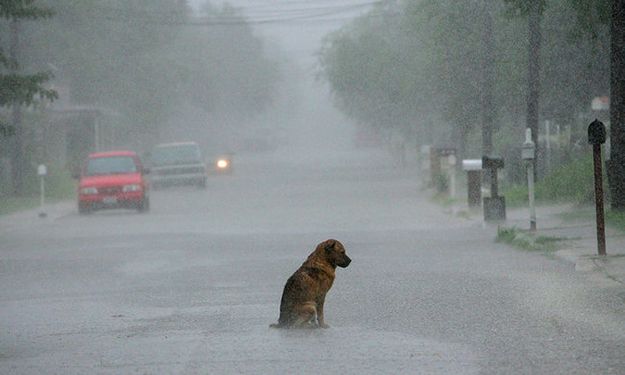
Lost Dog? What You Do in the First Hour Can Change Everything
If your dog just went missing, panic is natural. But panic is also the biggest reason dogs stay lost longer. Most dogs are not truly “gone” — they are nearby, hiding, confused, or slowly moving through familiar areas. What you do in the first 60 minutes often decides whether your dog comes home today or turns into a long search.
This guide explains what actually works in real situations: what to do immediately, what mistakes to avoid, how microchips help (and how they don’t), and how to get the right people involved fast.
If your dog is missing right now and you need to act:
You can immediately view or create a lost dog listing here:
Lost Dog Listings on Petopic
The First 10 Minutes: Control the Situation
Your instincts may push you to run, shout, and chase — but these actions often make things worse.
- Do not chase your dog. Chasing increases fear and distance.
- Mark the last-seen location. Save the exact spot and time on your phone.
- Call calmly, then stop. Listen for movement, tags, or footsteps.
- Secure exits. Ask nearby people to close gates, garages, and doors.
Common Mistakes That Delay Recovery
- Running after the dog or shouting their name aggressively
- Posting unclear or inaccurate information online
- Assuming the microchip will automatically locate the dog
- Offering a large reward too early, attracting scammers
How Lost Dogs Usually Behave
Understanding behavior helps you search smarter, not harder:
- Confident dogs may follow familiar walking routes.
- Shy or rescued dogs often hide quietly near the last-seen area.
- Dogs scared by loud noises may run straight until they feel safe.
This is why slow, quiet searching is usually more effective than loud group searches.
Microchips: What They Really Do
A microchip does not track your dog in real time. It only helps after someone finds them and takes them to a vet or shelter.
- Make sure your contact details are up to date in the chip registry
- Add a second phone number if possible
- Call local vets and shelters and ask them to scan any found dogs
Important: Even with a microchip, active searching and clear online listings are essential.
Posting Online the Right Way
A clean and accurate post gets shared more and produces better leads.
- One clear face photo and one full-body photo
- Exact last-seen location and time
- Temperament details (friendly, shy, may run if chased)
- Direct contact phone number
To keep all information in one trusted place, use the dedicated lost dog section: https://www.petopic.com/en/pet-listings/lost/lost-dog
The First 24 Hours: Where Most Dogs Are Found
- Familiar walking routes and nearby parks
- Quiet areas such as bushes, stairwells, garages, and under cars
- Information from delivery drivers, shop owners, and security staff
- Night searches using a flashlight to catch eye reflection
If 48–72 Hours Pass
- Focus on confirmed sightings, not rumors
- Create a simple map of where your dog has been seen
- Consider experienced help for fearful or runaway dogs
Final Advice
Most lost dogs are found because their owners stayed calm, shared clear information, and used the right platforms. Avoid panic-driven decisions and stay consistent.
If your dog is missing or you want to help others searching, visit: Petopic Lost Dog Listings
Your dog knows your voice. Stay calm, stay visible, and don’t give up.