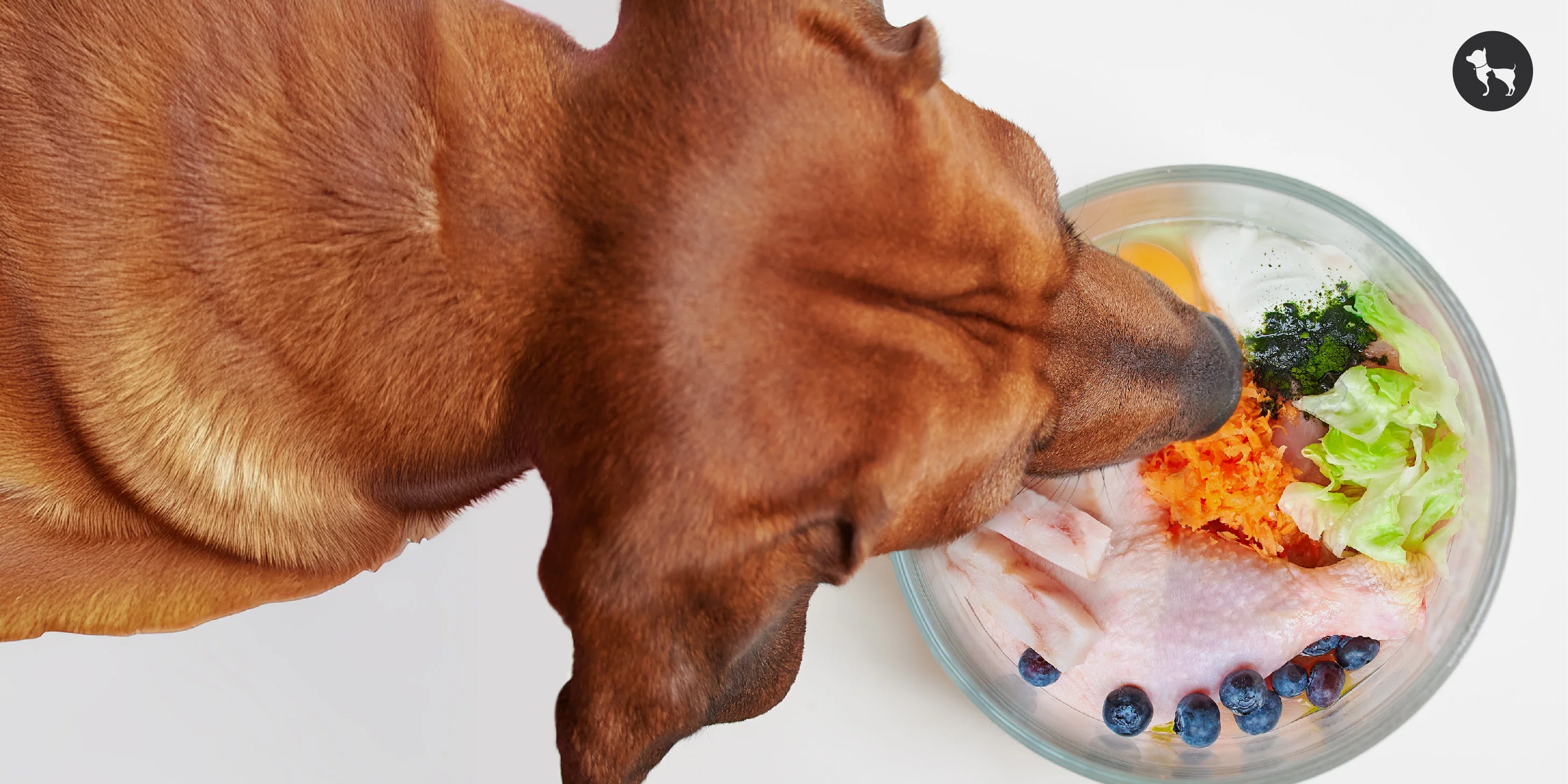
What Can Dogs Eat? Safe and Toxic Foods Complete Guide
If you have ever stood in the kitchen wondering whether your dog can have a piece of what you are eating, you are not alone. Knowing which human foods are safe for dogs and which ones can cause serious harm is one of the most important things any dog owner can learn. Some foods that are perfectly healthy for humans can be toxic or even fatal for dogs. This guide covers everything you need to know: safe foods, dangerous foods, fruits, dairy, and the most common feeding mistakes dog owners make.
Safe Human Foods Dogs Can Eat
Many everyday human foods are perfectly safe for dogs in appropriate amounts. The key is always preparation: plain, unseasoned and cooked in most cases.
Safe Protein Sources
- Chicken: Plain, cooked chicken with no seasoning or bones is one of the best proteins you can give a dog. Remove the skin and always avoid cooked bones, which can splinter and cause internal injuries.
- Turkey: Safe when prepared the same way as chicken. Remove the skin and all bones before serving.
- Lean beef: Well-cooked, unseasoned lean beef is a safe and nutritious option. Avoid fatty cuts, which can trigger pancreatitis.
- Eggs: Fully cooked eggs are an excellent protein source rich in amino acids. Scrambled or hard-boiled without butter or salt works well. Raw egg whites are not recommended as they can interfere with biotin absorption over time.
- Salmon: Fully cooked salmon is rich in omega-3 fatty acids and supports skin and coat health. Never feed raw or undercooked fish, as it may carry dangerous parasites.
- Tuna: Small amounts of plain, cooked tuna are generally safe. Limit frequency due to mercury content.
- Shrimp: Plain, cooked shrimp with the shell removed is safe in small quantities. High in protein and low in fat and calories.
Safe Vegetables for Dogs
- Carrots: Both raw and cooked carrots are safe and healthy. They are low in calories and good for dental health. Many dogs enjoy them as a crunchy snack.
- Broccoli: Safe in small amounts, raw or cooked. Large quantities can cause gas or digestive upset, so moderation is important.
- Sweet potato: Cooked plain sweet potato is a fiber-rich, vitamin-packed food that dogs tend to love. Never feed raw sweet potato.
- Peas: Fresh or frozen peas without added salt are safe. Avoid canned peas, which are often high in sodium.
- Pumpkin: Plain cooked or canned pumpkin without additives is excellent for digestive health and a common recommendation for dogs with diarrhea or constipation.
- Cucumber: A low-calorie, hydrating snack. Great for dogs that need to lose weight.
- Green beans: Plain green beans are safe and low in calories. They make a great healthy treat.
- Spinach: Safe in small amounts, but dogs with kidney problems should avoid it due to its oxalate content.
- Zucchini: Plain cooked or raw zucchini is a safe, low-calorie vegetable option.
Safe Grains and Starches
- White rice: Boiled plain rice is easy to digest and often recommended during stomach upsets. It is a staple in bland diets for dogs recovering from illness.
- Oatmeal: Plain, unsweetened cooked oatmeal is a good source of fiber. Avoid instant oatmeal with flavoring or added sugars.
- Plain pasta and bread: Safe in very small amounts as an occasional treat. These offer little nutritional value and should not become a regular part of your dog's diet.
- Quinoa: A nutritious grain that is safe for dogs. Used in some commercial dog foods as a carbohydrate source.
Can Dogs Eat Fruit?
Yes, dogs can eat many fruits and often enjoy them as treats. However, not all fruits are safe, and portion size always matters because of natural sugar content.
Safe Fruits for Dogs
- Apples: Safe with the core and seeds removed. Apple seeds contain trace amounts of cyanide and must be avoided. Apples are a good source of fiber and vitamins A and C.
- Bananas: Safe in small amounts. Rich in potassium, vitamin B6 and magnesium. High sugar content means it should be an occasional treat rather than a daily food.
- Watermelon: Excellent hydration treat, especially in warm weather. Remove all seeds and the rind before serving.
- Strawberries: Rich in vitamin C and antioxidants. Safe in moderation. Avoid strawberries in syrup or any sweetened form.
- Blueberries: A superfood for dogs. High in antioxidants and fiber. Easy to serve as bite-sized treats.
- Mango: Safe after removing the skin and pit. The pit is a choking hazard and contains small amounts of cyanide.
- Peaches and pears: Safe without the pit or seeds. Fresh only, not canned in syrup.
- Pineapple: Fresh pineapple in small amounts is safe. Rich in vitamins and enzymes. Avoid canned pineapple in sugar syrup.
- Raspberries: Safe in small amounts. Contain xylitol naturally but at very low levels that are not considered dangerous in small quantities.
- Cantaloupe: Safe without the rind. A good source of vitamins A and C.
Fruits Dogs Should Not Eat
- Grapes and raisins: Extremely toxic. Even small amounts can cause acute kidney failure. There is no known safe dose. If your dog ate grapes, treat it as an emergency and contact your vet immediately.
- Cherries: The pits, stems and leaves contain cyanide. Safe flesh in tiny amounts, but the risk of accidental pit ingestion makes it safer to avoid entirely.
- Avocado: Contains persin, a compound that causes vomiting and diarrhea in dogs. The pit is also a choking and intestinal obstruction hazard.
- Figs: Can cause digestive upset and skin irritation. Best avoided.
Can Dogs Eat Dairy Products?
This is one of the most common questions dog owners ask. The short answer is: some dairy is okay in small amounts for dogs without lactose intolerance, but many dogs struggle to digest it.
Adult dogs produce far less lactase, the enzyme needed to break down lactose, than puppies do. As a result, dairy can cause digestive symptoms in many dogs, including:
- Diarrhea and loose stools
- Gas and bloating
- Vomiting or nausea
Dairy Products and What to Know
- Yogurt: Plain, unsweetened yogurt without artificial sweeteners is generally well-tolerated in small amounts. The live cultures may even support gut health. Never give flavored yogurt or any yogurt containing xylitol.
- Cheese: Low-fat cheeses like mozzarella or cottage cheese can be used as treats in small amounts. Avoid salty, processed or blue cheeses. High-fat cheeses can contribute to pancreatitis over time.
- Milk: A small amount of plain cow's milk is not immediately dangerous, but regular feeding is not recommended. Many dogs are lactose intolerant and will show digestive symptoms.
- Ice cream: Not recommended. High in sugar and dairy, and many flavors contain xylitol or toxic ingredients like chocolate. There are dog-safe frozen treat alternatives available.
If you are unsure whether your dog tolerates dairy, introduce tiny amounts and watch for any digestive reaction over 24 hours before offering more.
Human Foods Dogs Should Never Eat
The following foods are genuinely dangerous for dogs. Some can cause immediate poisoning while others cause cumulative damage over time. Every dog owner should memorize this list.
- Chocolate: Contains theobromine, which dogs cannot metabolize properly. Dark chocolate and baking chocolate are the most dangerous. Symptoms include vomiting, diarrhea, tremors, seizures and in severe cases, death. If your dog ate chocolate, the dog ate chocolate emergency guide explains exactly what to do.
- Grapes and raisins: Can cause acute kidney failure. No safe amount is known. A single grape has caused kidney failure in documented cases.
- Onion, garlic, leeks and chives: All members of the Allium family damage red blood cells and can cause hemolytic anemia. Toxic in all forms including raw, cooked and powdered.
- Xylitol: An artificial sweetener found in sugar-free gum, some peanut butters, toothpaste and low-calorie products. Causes a dangerous drop in blood sugar and can lead to liver failure. Always check labels before giving peanut butter or any packaged product to your dog.
- Macadamia nuts: Cause weakness, tremors, hyperthermia and vomiting. Even small amounts can be harmful.
- Raw yeast dough: Expands in the stomach and produces ethanol as it ferments. Can cause alcohol poisoning and dangerous bloating.
- Alcohol: Even tiny amounts are dangerous. Can cause vomiting, disorientation, breathing difficulties and death.
- Caffeine: Coffee, tea, energy drinks and caffeine-containing products are toxic to dogs. Can cause rapid heart rate, tremors and seizures.
- Nutmeg: Contains myristicin, which can cause hallucinations, increased heart rate and seizures in dogs.
- Salt in large amounts: Excessive salt causes sodium ion poisoning. Symptoms include vomiting, diarrhea, tremors, high temperature and in severe cases, death.
- Cooked bones: Splinter easily and can cause choking, internal lacerations and intestinal blockages. Never give cooked bones of any kind.
If your dog has eaten any of the above, do not wait for symptoms. Contact your vet or an emergency animal hospital immediately. The pet poisoning symptoms and first aid guide covers what to watch for and how to respond across a range of toxic substances.
Foods to Be Cautious With
Some foods fall into a grey area where they are not outright toxic but carry real risks depending on quantity, preparation or individual sensitivity:
- Peanut butter: Safe only if it contains no xylitol and no added salt or sugar. Check the label every time, as formulations change. Plain natural peanut butter is the safest option.
- Tomatoes: Ripe red tomatoes in small amounts are generally safe. Green tomatoes and all parts of the tomato plant contain solanine, which is toxic. Avoid tomato sauces, which contain onion and seasoning.
- Potatoes: Cooked and plain potatoes are safe in small amounts. Raw potatoes and green potatoes contain solanine and should never be given. Fried potatoes and chips are always off limits.
- Corn: Plain cooked corn kernels are safe. Corn on the cob is a serious choking and intestinal blockage hazard and should never be given.
- Raw meat and raw eggs: Opinions vary among veterinarians. While some advocate for raw feeding, raw meat and raw eggs carry salmonella and other bacterial risks. Always consult your vet before starting a raw diet.
- Walnuts: Standard walnuts are high in fat and can cause pancreatitis. Black walnuts are more specifically toxic and can cause neurological symptoms, especially if moldy.
Common Dog Feeding Mistakes to Avoid
Many health problems in dogs are directly linked to feeding habits rather than underlying illness. These are the most frequent mistakes dog owners make:
- Feeding table scraps regularly: Most cooked human meals contain onion, garlic, salt, butter or seasoning. Even if individual ingredients are safe, combined dishes rarely are. Regular table scraps also teach dogs to beg and can lead to obesity.
- Overfeeding treats: Treats should make up no more than ten percent of a dog's daily caloric intake. Even healthy treats in excessive amounts can disrupt nutritional balance and contribute to weight gain.
- Assuming "just a little" is harmless: For toxic foods like grapes, xylitol or onion powder, small amounts can be dangerous or even fatal. The size of the dose does not always determine the severity of the reaction.
- Switching food too abruptly: Changing a dog's food suddenly can cause significant digestive upset. Any diet transition should happen gradually over seven to ten days, mixing increasing proportions of the new food with the old.
- Giving the same diet to dogs of all ages: Puppies, adult dogs and senior dogs have different nutritional needs. Using puppy food for an adult dog or adult food for a puppy long-term can create health imbalances.
- Neglecting water intake: Fresh, clean water should always be available. Dehydration can develop quickly, especially in warm weather or after exercise, and has serious health consequences.
- Using food as a primary behavior solution: Relying heavily on food rewards without proper training structure can reinforce unwanted behaviors over time.
What Should Dogs Eat Every Day?
The foundation of a healthy dog diet is a high-quality commercial dog food that is appropriate for your dog's age, size and health status. Look for foods where a named protein source is the first ingredient and that meet AAFCO or equivalent nutritional standards for your dog's life stage.
- Adult dogs generally do best with two measured meals per day.
- Puppies need three to four smaller meals daily to support growth and blood sugar stability.
- Senior dogs often benefit from senior-specific formulas with adjusted protein and calorie levels.
- Dogs with health conditions such as kidney disease, diabetes or food allergies should be on a diet specifically recommended by a veterinarian.
If you are building a home-cooked diet for your dog or have questions about what is right for your specific pet, working with a professional is essential. You can find qualified veterinarians near you through the Petopic veterinarian directory to get personalized dietary guidance.
How to Read Dog Food Labels
Understanding what is in your dog's food helps you make better choices. Key things to look for on a dog food label:
- A named protein source such as chicken, beef or salmon should be the first ingredient.
- Look for the AAFCO nutritional adequacy statement, which confirms the food meets minimum nutritional standards.
- Avoid foods where the first ingredients are corn syrup, artificial preservatives like BHA or BHT, or unnamed meat by-products.
- The label should specify which life stage the food is appropriate for: puppy, adult or all life stages.
Your dog's first vet visit is an ideal time to discuss nutrition in detail. The guide on what to do at your pet's first vet visit covers how to prepare and what questions to ask your veterinarian about feeding.
Frequently Asked Questions
Can dogs eat bananas?
Yes, bananas are safe for dogs. They are a good source of potassium, vitamin B6 and magnesium. Because of their high sugar content, they should be given as an occasional treat in small pieces rather than a daily food.
Can dogs eat yogurt?
Yes, plain unsweetened yogurt without artificial sweeteners is generally safe for dogs in small amounts. It may even support gut health due to its probiotic content. Never give flavored yogurt, and always check for xylitol in the ingredients.
Can dogs eat cheese?
Yes, in small amounts. Low-fat cheeses like mozzarella or cottage cheese are the safest options. Avoid salty cheeses, blue cheese or high-fat varieties. Too much cheese can lead to digestive upset or contribute to pancreatitis over time.
Can dogs eat eggs?
Yes, cooked eggs are excellent for dogs. They are rich in protein, amino acids and vitamins. Hard-boiled or plain scrambled eggs without butter or salt are best. Avoid raw egg whites regularly as they can interfere with biotin absorption.
Can dogs eat bread?
Plain white or wheat bread is not toxic to dogs in small amounts, but it offers little nutritional value. Never give bread containing raisins, garlic, xylitol or onion. Raw bread dough is very dangerous and must be kept away from dogs at all times.
Can dogs eat peanut butter?
Yes, plain natural peanut butter without xylitol is safe and loved by most dogs. Always read the label carefully every time you buy, since some brands have added xylitol, which is fatal to dogs. Avoid peanut butters with added salt or sugar.
Can dogs eat popcorn?
Plain air-popped popcorn without butter, salt or flavoring is safe in small amounts. Buttered or salted popcorn should be avoided. Unpopped kernels are a choking hazard and can damage teeth.
Can dogs eat rice?
Yes, plain boiled white rice is safe and commonly recommended for dogs with digestive issues. It is easy to digest and can help settle an upset stomach. Brown rice is also safe but harder for some dogs to digest.
Can dogs eat strawberries?
Yes, fresh strawberries are safe in moderation. They are high in vitamin C and antioxidants. Remove the stem and give in small pieces. Avoid strawberries in syrup or any sweetened product.
Can dogs eat carrots?
Yes, carrots are one of the best vegetable snacks for dogs. Both raw and cooked carrots are safe. They are low in calories, high in fiber and vitamin A, and raw carrots can help keep teeth clean.
Can dogs eat broccoli?
Yes, in small amounts. Broccoli florets are a nutritious addition to a dog's diet. However, large quantities can cause gas and digestive discomfort. Keep it as a small treat rather than a regular food staple.
Can dogs eat tuna?
Yes, cooked plain tuna in small portions is safe. Canned tuna in water without added salt is the safest option. Avoid frequent servings because of mercury accumulation risk.
Can dogs eat oatmeal?
Yes, plain cooked oatmeal is a safe and fiber-rich option. Do not add sugar, flavoring or toppings. It is sometimes recommended for dogs with sensitive stomachs or constipation.
At Petopic, our goal is to give dog owners clear, expert-reviewed information they can trust. Understanding what your dog can and cannot eat is one of the most effective ways to protect your pet's long-term health and wellbeing.