Amazon Parrot 2026 Mega Guide: Law, Money, Housing, Diet and Decades of Commitment
Amazon parrots (Amazona spp.) sit at the intersection of charisma and complexity: loud dawn and dusk choruses, 40–60+ year lifespans, powerful beaks and—in many countries—strict wildlife trade controls. This page is intentionally long because “Amazon parrot care” queries deserve more than a 400-word blog rewrite. You will find price bands, monthly operating costs, cage dimensions, nutrition tables and health screening costs framed for the United States, United Kingdom and EU, plus global cautions.
Legal disclaimer: CITES listings and domestic laws change. This guide is educational—not legal advice. Before any purchase, transport or sale, verify permits with official wildlife and veterinary border services in your jurisdiction.
1. What “Amazon parrot” covers
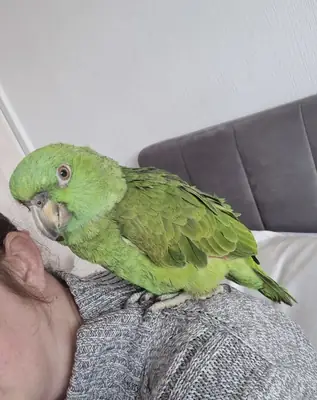
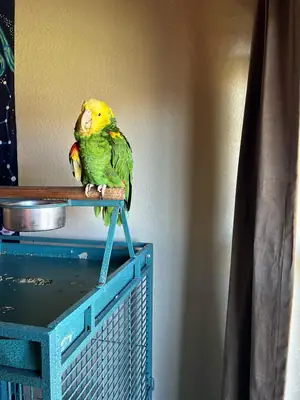
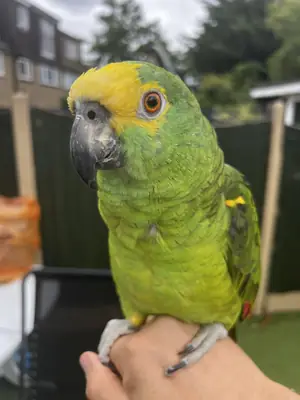
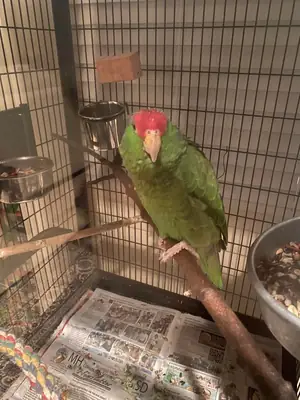
Pet trade “Amazons” usually refer to medium-to-large green-bodied parrots in genus Amazona. Commonly discussed companion species include (examples, not exhaustive) blue-fronted, yellow-crowned, yellow-naped, double yellow-headed, lilac-crowned and red-lored types. Size, noise level and colouration vary; always research the exact subspecies or locality your seller documents.
| Species / type (common name) | Rough length | Noise reputation | Notes for buyers |
|---|---|---|---|
| Blue-fronted Amazon | ~37–38 cm | High when excited | Very common in discussions; long-lived. |
| Yellow-naped Amazon | ~35–38 cm | Strong contact calls | Excellent mimic in individuals; not guaranteed. |
| Double yellow-headed | Larger end | Very loud potential | Apartment risk without training plan. |
| Orange-winged / other Amazons | Varies | Varies | Ask for CITES appendix + closed band / microchip paper trail. |
2. CITES, permits and why paperwork matters for SEO—and for you
Many wild-sourced or internationally traded Amazon parrots fall under CITES Appendix I or II depending on population and annotation. Appendix I species typically require stricter permits for commercial international trade; personal movement across borders may still need documentation. EU, USFWS and UK CITES authorities publish current species lists—cross-check the scientific name on your certificate.
- Red flags: cash-only deals, “no paperwork cheaper,” birds offered below market with no closed band or hatch paperwork.
- Green flags: seller provides hatch date, microchip or leg band, disease testing history, written contract.
3. Purchase price bands (captive-bred, documented, 2025–2026 indicative)
Species, colour mutation rarity, hand-rearing, testing bundle and geography swing quotes massively.
| Market | Typical captive-bred range | Often includes at top end |
|---|---|---|
| United States | USD 1,500–4,500+ | PBFD/Polyoma tests, microchip, starter kit |
| United Kingdom | £1,200–3,800+ | CITES Article 10 / relevant certs, after-sales support |
| Western EU | €1,400–4,200+ | EU health cert path if cross-border |
Rescue / rehome: adoption donations often £200–£600 / $200–$800 but budget immediate vet quarantine—£150–£400 / $200–$600 for workup.
4. First-year setup capital (beyond the bird)
| Item | USD range (quality tier) | Why not to cheap out |
|---|---|---|
| Flight cage or indoor aviary | $800–3,500+ | Bar spacing ~2 cm range for medium Amazons; stainless or powder-coated steel. |
| Play stand + travel carrier | $150–500 | IATA-style carrier for emergencies. |
| Full-spectrum lighting + timer | $80–250 | UV-B per avian vet guidance; replace tubes on schedule. |
| Initial vet + disease panel | $250–600 | PBFD, Chlamydia psittaci screening baseline. |
| Toy rotation budget (year 1) | $200–500 | Destructible wood/leather monthly burn rate. |
5. Monthly operating budget (healthy adult, home environment)
| Line | USD / month | Notes |
|---|---|---|
| Pellets + fresh chop + nuts (as training) | $60–140 | Organic produce spikes cost; bulk chop prep saves time. |
| Toy replacement | $15–45 | Amazons destroy inventory fast. |
| Electricity (lighting timers) | $5–15 | Minor vs total bill. |
| Pet insurance (exotic rider) | $25–70 | Read zoonosis and pre-existing clauses. |
| Emergency fund accrual | $40–100 | Target $2,000–5,000 liquid for exotic ER. |
Annual recurring (no emergencies): many owners land USD 1,800–3,800+ before major toy splurges or travel crates.
6. Housing: minimums vs welfare targets
- Width priority: Amazons need horizontal wing flap; tall narrow cages fail welfare audits.
- Dimension mindset: Think at least roughly 90 cm wide × 60 cm deep × 90 cm high as a discussion floor for a single bird spending long hours inside—larger if outdoor aviary not available.
- Bar spacing: ~1.5–2.0 cm typical; smaller gaps for slimmer species juveniles.
- Materials: Stainless or quality powder coat; galvanised-only budget cages may chip and rust.
- Location: Social core of home, away from kitchen Teflon fumes and smoke.
7. Light, sleep and humidity
Chronic sleep deprivation triggers screaming and hormonal chaos. Aim for 10–12 hours dark, quiet sleep. UV-B decisions belong to your avian vet—over-supplementation and bad lamp placement both cause harm. Humidity roughly 40–60% suits many homes; dry winters may need humidifier + air quality monitor.
8. Nutrition: pellets, chop and the fat trap
Seed-only diets remain the fastest route to obesity and hepatic lipidosis in Amazons. Build around veterinary-formulated pellets, then layer chop (mixed vegetables) and controlled nuts for training.
| Food class | Target % of diet (starting point) | Examples | Warnings |
|---|---|---|---|
| Pellets | 50–70% | Species-appropriate organic lines | Transition over 2–4 weeks. |
| Vegetables / chop | 25–40% | Leafy greens, capsicum, carrot, squash | Rotate colours weekly. |
| Fruit | ≤5–10% | Berry, papaya bits | High sugar drives obesity. |
| Nuts / seeds | Training treats | Almond pieces, walnut slivers | Calorie-dense; count them. |
Never: avocado, chocolate, caffeine, alcohol, salt-heavy human food, xylitol.
9. Water, bath and beak maintenance
Fresh water changed at least daily; many Amazons enjoy misting or shallow pans. Chew toys and soft wood blocks help beak wear; overgrown beak signals vet evaluation, not DIY trimming without training.
10. Behaviour: the decibel truth
Amazon parrots can produce contact calls that violate thin apartment walls. Mitigation includes predictable routine, foraging enrichment, flight exercise before quiet hours and never reinforcing screaming with attention. Professional behaviour consultants familiar with psittacines outperform generic dog trainers.
11. Training and enrichment stack
- Target training and stationing reduce hands-in-cage drama.
- Foraging toys: cardboard shredders, nut-in-paper wraps, puzzle feeders.
- Social time: 2–4 hours daily human interaction baseline for many individuals.
12. Health playbook and exam costs (USD ballpark)
12.1 Infectious disease
- PBFD: DNA feather/blood test often $40–90; quarantine new birds.
- Chlamydia (psittacosis): zoonotic—vet testing $50–150 range; treat seriously.
- Polyomavirus: discuss testing with vet.
- Aspergillosis: linked to poor ventilation and damp substrate.
12.2 Chronic issues
- Obesity / hepatic lipidosis
- Hypocalcemia if lighting and diet wrong
- Feather damaging behaviour from stress or pain—rule out medical first.
12.3 Visit costs
Routine avian exam $80–180; bloodwork panel add $120–300; emergency visits $300–900+ before imaging.
13. Preventive schedule
- Annual: wellness exam, weight log, oral exam.
- Every 6–12 months: nail/beak trim if needed.
- As advised: baseline bloodwork moving into middle age.
14. Travel and relocation
Cross-border moves need CITES paperwork, health certificates and airline species policies booked early. Microchip helps recovery if lost.
15. Breeder / seller checklist
- Hatch documentation and leg band / chip.
- Parent PBFD status or nursery quarantine protocol.
- Weaning diet sheet and pellet brand used.
- Written health window (7–14 days typical) and vet access.
- Return / support policy if behaviour or disease emerges.
16. Extended FAQ
How long do Amazon parrots live?
Decades—plan 40–60+ years; wills and guardians matter.
Are they good for beginners?
Generally no—large parrots need experience, soundproofing and time.
Can they talk?
Many individuals mimic; nothing is guaranteed by species label alone.
Same-sex pair?
Cage aggression risk—consult experienced aviculturist.
Wing clip?
Ethical debate; if done, vet-performed partial clips—not kitchen scissors.
Zoonosis risk?
Psittacosis possible—immunocompromised humans need medical advice.
Can I work 10 hours away?
Not ideal—consider daycare, second compatible bird only with expert pairing advice, or wait.
Best cage brand?
Prioritise material safety and size over logo; join species forums for EU/US availability.
17. 2026 tech that actually helps
- Wi-Fi air quality sensors (VOC, PM2.5) near cage.
- Camera with night mode for stress monitoring.
- Scheduled full-spectrum timers synced to sunrise tables.
18. Final word
An Amazon parrot is a multi-decade acoustic and financial commitment. If the tables in this guide fit your lifestyle and savings, the reward is elite companionship; if not, admire them in accredited zoos or short volunteer shifts—your future self (and neighbours) will thank you.