American Fuzzy Lop: Complete Guide to Traits, Care, Nutrition and Health
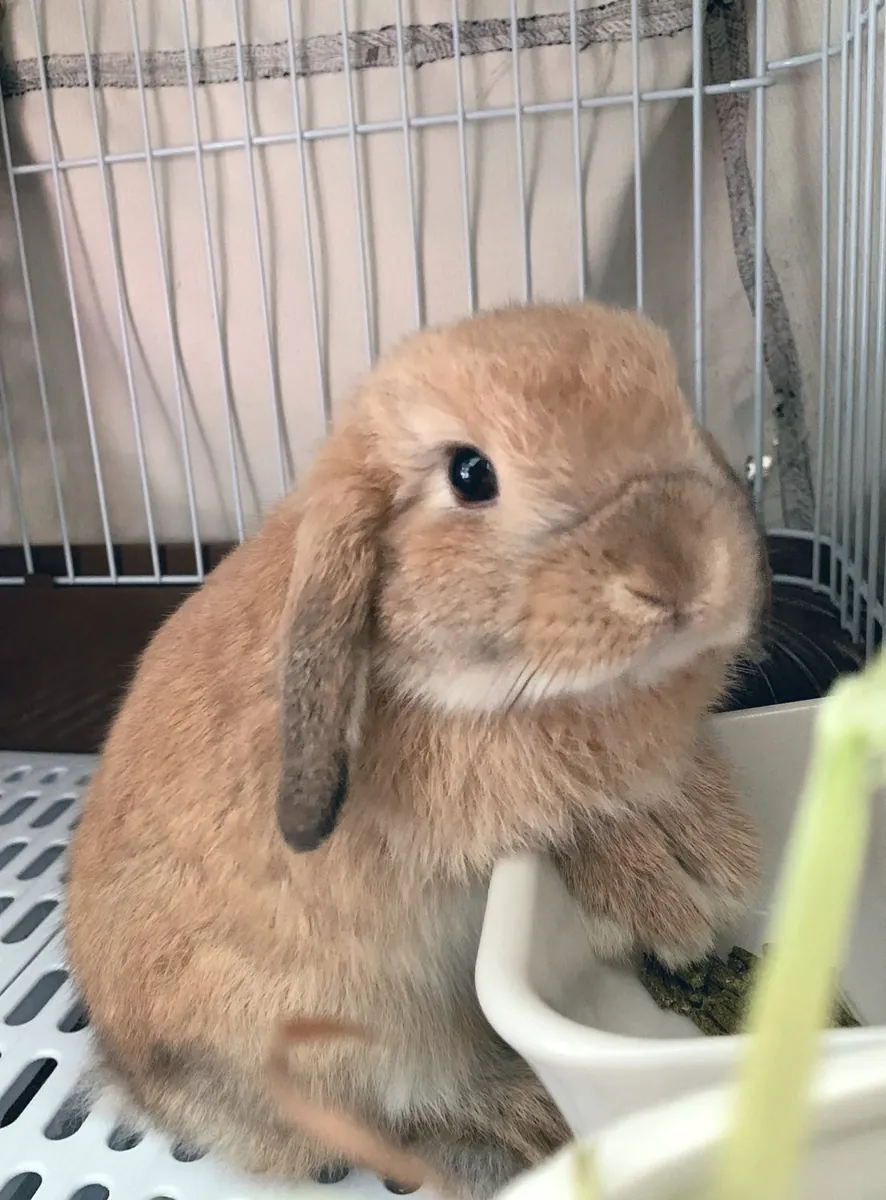
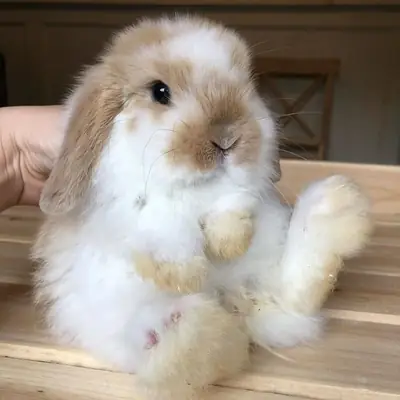
The American Fuzzy Lop is a charming and woolly rabbit breed developed in the 1980s through crossing Holland Lops with Angora rabbits. Combining lop ears and compact body structure with woolly coat, this breed is an ideal choice for rabbit enthusiasts with its friendly character and adorable appearance. This comprehensive guide provides all essential information for prospective and current American Fuzzy Lop owners.
1. Breed Profile and Physical Characteristics
- Origin: United States of America; developed in the 1980s through crossing Holland Lop, English Spot, and French Angora.
- Temperament: Friendly, sweet-tempered, playful, curious, social, bonds closely with owners.
- Energy Level: Moderate; active and enjoys play, requires regular exercise and mental stimulation.
- Lifespan: Average 5-8 years, can live up to 10 years with excellent care.
2. Size, Weight and Physical Features
| Feature | Value | Description |
|---|---|---|
| Weight | 3.5-4 lbs (1.6-1.8 kg) | Average for adult individuals |
| Body Structure | Compact, short, well-muscled, broad chest, deep hindquarters, rounded head | |
| Ears | Lop (flop to sides), held close to head, flat | |
| Muzzle | Short and flat | |
| Coat Length | Minimum 2 inches (5 cm), woolly and dense | |
Coat Features: Woolly and dense coat structure, softer than standard lop fur but not as long as full Angora. Wool gene is recessive.
Colors and Patterns: Wide variety. Solid colors or broken (mixed with white) patterns. Color groups include Agouti, Pointed White, opal, chestnut, chinchilla, lynx, squirrel. Blue or ruby eyes may be seen in white varieties.
3. Pricing and Lifetime Costs
- Bunny Price (US): $50 – $150 from registered, health-screened breeders. Europe: €40 – €130; other regions vary.
- Monthly Care Costs: $90 – $170 for quality hay, fresh greens, pellet food, bedding, veterinary care.
- First Year Investments: Cage/living space ($340-570), basic equipment (feeders, waterers, toys) ($170-250), initial veterinary checkups ($230-340), spay/neuter ($340-570).
- Annual Health Expenses: $340 – $680/year (routine checkups, dental care, preparation for potential health issues).
4. Nutrition Strategy and Diet Planning
The American Fuzzy Lop requires unlimited fresh hay-based nutrition. Fiber is critical for digestive health and dental health.
4.1 Daily Nutrient Distribution
| Nutrient Group | Amount/Percentage | Quality Sources | Important Notes |
|---|---|---|---|
| Fresh Hay | Unlimited (70-80%) | Timothy hay, orchard grass hay | Fiber source, gut motility, dental wear critical |
| Fresh Greens | Daily (15-20%) | Romaine lettuce, parsley, bok choy, arugula, kale | Vitamin and mineral source, variety important |
| Quality Pellets | Daily (5-10%) | High-fiber, limited starch and sugar content | Limited amount due to obesity risk |
| Fruit | 2-3 times weekly (2-3%) | Apple, pear, strawberry (small amounts) | Only as treats, high sugar content |
| Clean Water | Unlimited | Fresh, clean water (always accessible) | Changed daily, automatic waterer or heavy-based bowl |
Feeding Schedule: Hay should always be accessible, fresh greens provided daily, pellets in limited amount (based on body weight), fruit rarely as treats.
4.2 Special Nutrition Requirements
- Unlimited Hay: Unlimited fresh hay is essential for digestive health, dental wear, and gut motility.
- Fiber Content: High-fiber nutrition is critical for preventing GI stasis and wool block.
- Pellets Amount: Should be given in limited amounts to prevent obesity, must be high-fiber.
- Sugar Restriction: High-sugar fruits and vegetables should be given in limited amounts.
5. Housing and Living Space
5.1 Cage/Living Space Dimensions
- Minimum Size: 48 x 24 x 24 inches (120 x 60 x 60 cm), ears should not touch top when standing on hind legs.
- Recommended: Larger cage or free-roaming space preferred, daily free-roaming time should be provided.
- Equipment: Perch areas, hiding spots, separate litter area, play areas.
5.2 Flooring and Bedding
- Bedding: Soft, dust-free, hay or straw (for warmth), paper-based or other non-toxic bedding.
- Avoid: Cedar or pine shavings (can irritate respiratory tract).
- Cleaning: Regular cleaning (daily litter area, weekly deep cleaning).
5.3 Environmental Conditions
- Temperature: 59-70°F (15-21°C) ideal, draft-free area, protection from extreme heat and cold.
- Humidity: 40-60% humidity level, humid environments can lead to fungal infections.
- Lighting: Natural daylight access, avoid excessive direct sunlight.
- Safety: Protection from predators, safe electrical cables, keep away from toxic plants.
6. Care and Grooming
6.1 Coat Care
- Brushing: Requires brushing 2-3 times weekly due to woolly coat structure, daily during molting seasons.
- Mat Prevention: Regular combing especially around hind end and tail area to prevent mat formation.
- Mat Removal: If mats form, carefully comb or trim (to prevent skin irritation).
- Bathing: As needed (very rarely), only soiled areas, thorough drying critical.
6.2 Other Care Requirements
- Ear Care: Lop ears reduce airflow, moisture or ear wax may accumulate. Weekly inspection and cleaning as needed.
- Nail Care: Trim every 4-6 weeks, natural wear may be insufficient.
- Dental Care: Natural tooth wear through hay and chewing toys, tooth growth monitoring (veterinary).
- Hind End Care: Hind end cleanliness and dryness critical (to prevent flystrike risk).
7. Activity and Mental Stimulation
American Fuzzy Lop requires regular exercise and mental stimulation. Should not stay confined in small cages all day.
- Free Roaming: At least 3-4 hours daily free-roaming time in safe area.
- Toys: Chewing toys, tunnels, puzzle toys, for mental stimulation.
- Physical Activity: Space should be provided for jumping, running, exploration activities.
- Social Interaction: Human interaction, play sessions, training activities.
8. Health Management and Common Issues
8.1 Common Health Problems
- Gastrointestinal Stasis (GI Stasis): Stoppage of gut motility, requires emergency intervention. Signs: loss of appetite, small/irregular droppings, lethargy. Unlimited hay and regular exercise critical to prevent.
- Wool Block: Risk of fur ingestion and intestinal blockage due to woolly coat structure. Preventable with regular brushing, high-fiber nutrition. Signs: loss of appetite, bloating, cessation of droppings.
- Dental Problems: Rabbit teeth grow continuously, overgrowth with insufficient hay or chewing. Regular veterinary checkups, unlimited hay access critical.
- Ear Infections: Lop ears reduce airflow, moisture and ear wax accumulation infection risk. Weekly inspection, cleaning (as needed).
- Flystrike (Myiasis): Wet or dirty fur around hind end attracts flies, may lay eggs. Hind end cleanliness and dryness critical, especially in summer months.
- Obesity: Excessive pellets or sugary treats. Prevented with portion control and regular exercise.
8.2 Lifetime Health Schedule
- Bunny Stage: First veterinary checkup, vaccination program, spay/neuter (3-6 months).
- Adult Stage: Annual comprehensive examination, dental check, weight monitoring.
- Senior Stage: Exams every 6 months, extra attention to dental and digestive health.
8.3 Preventive Care Protocols
- Daily Check: Appetite, droppings production, activity level, coat condition.
- Regular Brushing: To prevent wool block, especially during molting seasons.
- Hind End Care: Daily cleanliness and dryness check, flystrike prevention.
- Environment Hygiene: Clean cage, fresh bedding, clean water, fresh hay.
9. Training and Socialization
- Litter Training: Litter box use training possible, requires patience and consistency.
- Basic Commands: Basic commands such as coming when called, staying in certain areas can be taught.
- Positive Reinforcement: Reward-based training, avoid forceful methods.
- Early Socialization: Gentle handling and interaction in bunny stage, fear prevention.
10. Spay/Neuter and Breeding
- Spay/Neuter Recommendation: Recommended to prevent unwanted pregnancies and reduce hormone-related behavioral issues (spraying, aggression).
- Health Benefits: Reduces risk of some reproductive cancers in females, improves behavior.
- Age: 3-6 months ideal spay/neuter age (veterinary recommendation).
- Breeding: Requires experience for breeding, responsible breeding important.
11. Frequently Asked Questions
How long do American Fuzzy Lops live?
Average 5-8 years. Can live up to 10 years with excellent care.
Is care difficult?
Moderately difficult. Requires regular brushing due to woolly coat structure. Requires more care than short-haired rabbits.
Are they good with children?
Yes, compatible with children with gentle and friendly character. However, gentle handling and supervision important.
How much exercise do they need?
At least 3-4 hours daily free-roaming time. Space should be provided for play and activities.
Why should I provide unlimited hay?
Hay is critical for digestive health, dental wear, and gut motility. Plays key role in preventing GI stasis and wool block.
What are the most common health problems?
GI stasis, wool block, dental problems, ear infections, flystrike. Regular veterinary checkups and preventive care are critical.
12. Conclusion and Recommendations
The American Fuzzy Lop is an excellent pet rabbit with its adorable appearance and friendly character. With proper nutrition (unlimited hay), regular coat care (due to woolly coat structure), safe living space, regular exercise, and veterinary care, your American Fuzzy Lop will enjoy a long, healthy, and happy life. Before adopting this breed, it is important to understand woolly coat care requirements and special health risks (GI stasis, wool block). Choosing a health-screened bunny from an experienced breeder and preparing your home environment according to the rabbit's needs is critical.