American Shorthair: Complete Guide to Traits, Care, Nutrition and Health
The American Shorthair is one of America's most beloved and hardy cat breeds. With their hunting origins, adaptable temperament, and low-maintenance requirements, they make an ideal choice for both new and experienced cat owners. This comprehensive guide provides all essential information for prospective and current American Shorthair owners.
1. Breed Profile and Physical Characteristics
- Origin: United States of America; developed through natural selection of cats brought by European immigrants.
- Temperament: Friendly, adaptable, independent yet affectionate, good with children and other pets, playful and intelligent.
- Energy Level: Moderate; enjoys active play but not hyperactive, prefers a balanced lifestyle.
- Lifespan: Average 15-20 years, can live longer with excellent care.
2. Size, Weight and Growth Chart
| Age | Male Avg. Weight | Female Avg. Weight | Physical Development | Key Notes |
|---|---|---|---|---|
| 2-3 months | 1.8-2.6 lbs (0.8-1.2 kg) | 1.5-2.2 lbs (0.7-1.0 kg) | Rapid growth phase | Kitten food, 4-5 meals/day, high protein content |
| 6 months | 5.5-7.7 lbs (2.5-3.5 kg) | 4.4-6.6 lbs (2.0-3.0 kg) | Adolescent phase | Transition to junior cat food, 3-4 meals/day |
| 12 months | 9.9-13.2 lbs (4.5-6.0 kg) | 7.7-11.0 lbs (3.5-5.0 kg) | Approaching adult size | Transition to adult food, 2-3 meals/day |
| 18+ months | 11-15 lbs (5.0-7.0 kg) | 8-12 lbs (4.0-6.0 kg) | Physical maturity | Adult care routine, weight monitoring important |
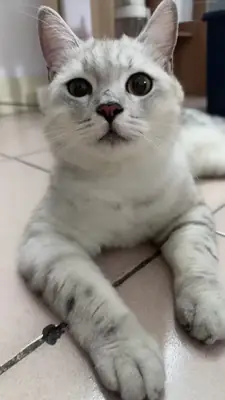
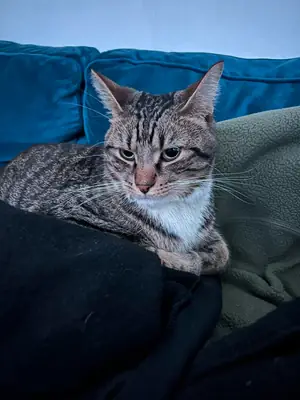
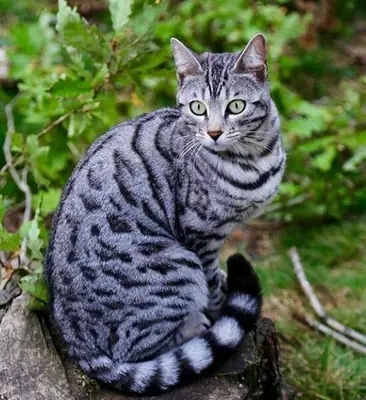
Physical Features: Medium to large size, muscular build, broad chest, strong legs, full cheeks, broad jaw, large and wide-set eyes, medium-sized ears.
3. Coat Structure and Color Diversity
- Coat Type: Short, thick, dense, moderately hard texture; protective against varying weather conditions.
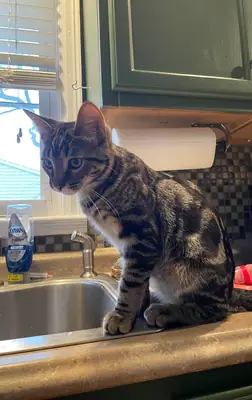
- Colors and Patterns: 60-80 different color/pattern combinations: silver tabby (most common), solid colors, tortoiseshell, bi-color, smoke, calico.
- Shedding: Light shedding year-round, heavier in spring and fall.
- Grooming: Weekly brushing sufficient, low-maintenance requirements.
4. Pricing and Lifetime Costs
- Kitten Price (US): $800 – $1,500 from registered, health-screened breeders. Europe: €600 – €1,200; other regions vary.
- Monthly Care Costs: $90 – $170 for premium cat food, litter, toys, veterinary care, vaccinations.
- First Year Investments: Basic equipment (carrier, litter box, scratching post) ($350-500), initial veterinary checkups and vaccinations ($450-600), toys and accessories ($220-300).
- Annual Health Insurance: $340 – $680/year covering health insurance, emergencies, routine checkups.
5. Nutrition Strategy and Diet Planning
The American Shorthair, as an obligate carnivore, requires high-quality protein and balanced nutrition. Due to obesity predisposition, portion control and life-stage appropriate feeding are critical.
5.1 Daily Nutrient Distribution
| Nutrient Group | Percentage | Quality Sources | Physiological Benefits |
|---|---|---|---|
| High-Quality Protein | 35-40% | Chicken, turkey, fish, beef, eggs | Muscle development, tissue repair, immune function |
| Healthy Fats | 15-20% | Fish oil (Omega-3), chicken fat, flaxseed | Energy, skin-coat health, brain function |
| Carbohydrates | 10-15% | Rice, oats, sweet potato (limited) | Energy, fiber support |
| Vitamins and Minerals | 5-8% | Natural sources, supplements | Metabolic functions, bone health |
| Water | Critical | Clean, fresh water (always accessible) | Hydration, kidney health, urinary tract health |
Feeding Schedule: Adults: 2-3 measured meals daily (free-feeding not recommended), kittens: 4-5 meals, seniors: 2-3 small meals.
5.2 Life Stage Specific Nutrition
- Kitten Stage (2-12 months): Growth formula, high calorie and protein content, DHA supplementation, frequent meals.
- Adult Stage (1-7 years): Active cat formula, weight control focused, balanced macronutrients.
- Senior Stage (7+ years): Digestibility-focused formula, joint support, phosphorus control for kidney health, lower calorie.
5.3 Special Feeding Recommendations
- Wet/Dry Food Combination: Wet food provides hydration, dry food aids dental health.
- Obesity Prevention: Portion control, measured feeding, low-calorie treats (no more than 10% of daily calories).
- Urinary Tract Health: Adequate water intake, wet food, special formulas for urinary pH balance.
6. Care and Grooming
6.1 Coat Care
- Brushing: 1-2 times weekly with soft brush or rubber glove, remove dead hair, prevent hairballs.
- Bathing: As needed (monthly or less), cat-specific shampoo, eye and ear protection.
- Shedding Seasons: More frequent brushing in spring and fall, prevent hairballs.
6.2 Other Care Requirements
- Nail Care: Trim every 2-3 weeks, provide scratching post.
- Ear Care: Weekly inspection, clean as needed (veterinary guidance), watch for infection signs.
- Eye Care: Daily inspection, clean if discharge present, veterinary attention for redness or swelling.
- Dental Care: Daily brushing (ideal), weekly minimum, annual professional cleaning.
7. Activity and Mental Stimulation
The American Shorthair is moderately active. Without sufficient activity and mental stimulation, obesity risk increases.
- Play Activities: Interactive toys, feather wands, laser pointer (careful use), puzzle toys.
- Physical Activity: Climbing trees, window bird watching, safe outdoor access (if available).
- Mental Stimulation: Hidden treat toys, puzzle feeders, new toy rotation.
- Human Interaction: Daily play sessions, petting and affection, training (basic commands).
8. Health Management and Genetic Risks
8.1 Common Health Issues
- Hypertrophic Cardiomyopathy (HCM): Thickening of heart muscle, can lead to breathing issues and heart failure. Genetic screening and regular cardiac exams recommended.
- Obesity: Joint strain, diabetes, shortened lifespan. Portion control, measured feeding, active play critical.
- Dental Disease: Gum disease, tartar buildup, bad breath. Daily brushing, annual cleaning, dental treats.
- Polycystic Kidney Disease (PKD): Genetic; kidney cysts, early kidney dysfunction. Genetic screening, kidney function monitoring, adequate hydration.
- Joint Disorders: Hip dysplasia, pain, limping. Healthy weight, comfortable surfaces, veterinary management.
8.2 Lifetime Health Schedule
- Kitten Stage: Vaccination schedule (core, rabies), parasite control, first comprehensive exam, genetic tests (HCM, PKD).
- Adult Stage: Annual comprehensive exam, dental check, weight monitoring, vaccination updates.
- Senior Stage: Exams every 6 months, comprehensive lab tests, cardiac echocardiography, kidney function monitoring, joint assessment.
8.3 Preventive Care Protocols
- Weight Management: Monthly weight monitoring, body condition scoring, portion adjustment.
- Dental Health: Daily brushing, dental treats, annual professional cleaning.
- Hydration: Clean water (always), wet food, fountains, water bowls.
- Parasite Control: Regular flea/tick prevention, deworming, outdoor environment control.
9. Lifestyle and Family Integration
9.1 Home Environment Requirements
- Space: Suitable for apartment or house living, climbing and play areas should be provided.
- Safety: Window safety, keep away from toxic plants, safe hiding areas.
- Equipment: Litter box (sufficient number), scratching post, climbing tree, toys, bed areas.
9.2 Family and Other Animal Relationships
- Children: Good with children, patient, enjoys play, requires gentle interaction.
- Other Cats: Compatible with proper introduction, social cat, suitable for multi-cat households.
- Dogs: Can be compatible with early introduction and supervision, depends on individual personality.
- Small Animals: Caution needed due to prey drive, supervised introduction.
10. Frequently Asked Questions
How long do American Shorthairs live?
Average 15-20 years, can live longer with excellent care. They are a long-lived breed.
Is grooming difficult?
No, they require low maintenance. Weekly brushing is sufficient. Easy care due to short coat structure.
Are they good with children?
Yes, they get along excellently with children. Patient, enjoys play, and has a gentle temperament.
Is there an obesity risk?
Yes, they are prone to obesity. Portion control, measured feeding, and regular activity are critical.
Are they suitable for apartment living?
Yes, they adapt excellently to apartment living. Happy when climbing and play areas are provided.
What health issues should be watched for?
HCM (heart), obesity, dental disease, PKD (kidney), joint issues. Regular veterinary checkups recommended.
11. Conclusion and Recommendations
The American Shorthair is an excellent choice for both new and experienced cat owners with their adaptable temperament, low-maintenance requirements, and long lifespan. With proper nutrition, regular activity, preventive health care, and a loving environment, your American Shorthair will enjoy a long, healthy, and happy life. Before adopting this breed, remember to choose a health-screened kitten from a responsible breeder and prepare your home environment according to your cat's needs.