Bengal Cat: Complete Breed Guide, Care & Personality
The Bengal cat is a striking, wild-looking breed known for its leopard-like coat and energetic personality. Originally developed by crossing domestic cats with the Asian leopard cat, Bengals combine exotic appearance with a loyal, playful nature. This guide covers everything potential owners search for: Bengal cat traits, care needs, health, and whether this breed suits your home.
Bengal Cat Quick Facts
Before diving into details, here are the key facts people often look for when researching Bengal cats.
- Origin: United States (developed in the 1960s–1980s)
- Size: Medium to large
- Weight: Males 5–8 kg (11–18 lb), females 4–6 kg (9–13 lb)
- Lifespan: 12–16 years with proper care
- Coat: Short, dense, soft; spotted or marbled patterns
- Activity level: High; very active and playful
- Good with children: Yes, when socialised; best with older kids
- Good with other pets: Yes, especially if raised together
Bengal Cat History and Origin
Bengals were created by crossing the Asian leopard cat (Prionailurus bengalensis) with domestic cats. Jean Mill and others in the USA aimed to produce a cat with a wild look but a tame temperament. Early generations (F1–F2) were more challenging; today’s pet Bengals are typically F4 or later and are fully domestic in behaviour while keeping the distinctive coat.
Bengal Cat Appearance and Coat
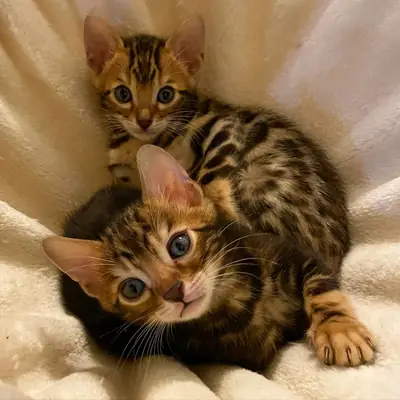
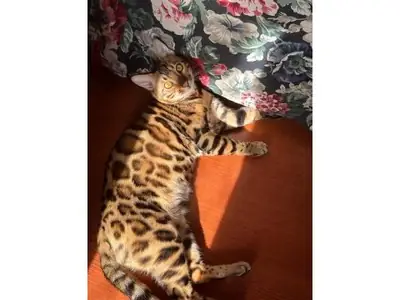
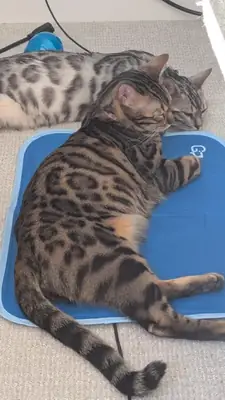
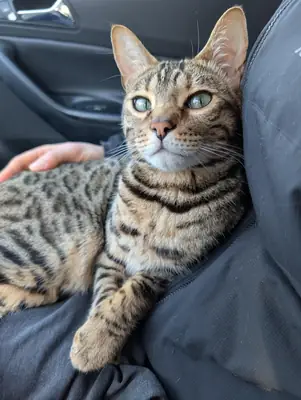
What makes a Bengal instantly recognisable is the coat: either spotted (like a leopard) or marbled (swirled stripes). Colours include brown, silver, snow (pointed), and charcoal. The coat is short, close-lying, and often has a soft, glittery sheen. The body is long and muscular, with a thick tail and strong legs—built for jumping and climbing.
Coat Colours and Patterns
- Brown spotted / marbled (most common)
- Silver spotted / marbled
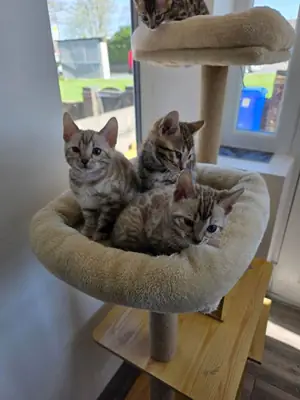
- Snow (seal lynx, seal mink, seal sepia)
- Charcoal and other recognised variants
Bengal Cat Personality and Temperament
Bengals are known for being intelligent, curious, and active. They often enjoy water, fetch, and puzzle toys. Many are vocal and will “talk” to their owners. They form strong bonds and can be demanding of attention and play. Because of their high energy, they suit homes that can provide daily play, climbing structures, and mental stimulation. They are not a low-maintenance breed.
Are Bengal Cats Good with Kids and Other Pets?
With early socialisation, Bengals usually get on well with considerate children and other cats or dogs. Their playfulness can be intense, so supervision with very young children is wise. Introducing them slowly to other pets improves the chance of a good relationship.
Bengal Cat Care: Grooming, Feeding, and Environment
Bengal care is straightforward in some ways but demanding in others. Their short coat needs only weekly brushing. The main commitment is meeting their need for activity and companionship.
Grooming
Weekly brushing with a soft brush or grooming glove is usually enough. Trim nails regularly and check ears. Many Bengals tolerate or even enjoy water; baths are rarely necessary unless they get dirty.
Feeding and Nutrition
Feed a high-quality, age-appropriate cat food. Bengals have no special dietary requirements beyond those of any active cat. Avoid overfeeding; obesity can lead to joint and health issues. Fresh water should always be available; some Bengals enjoy running water from fountains.
Exercise and Enrichment
Provide tall cat trees, shelves, and interactive toys. Daily play sessions (wand toys, fetch, puzzle feeders) help prevent boredom and destructive behaviour. A bored Bengal may become noisy or mischievous.
Bengal Cat Health and Lifespan
Bengals are generally healthy with a typical lifespan of 12–16 years. Responsible breeders screen for known issues.
Common Health Concerns
- Hypertrophic cardiomyopathy (HCM): Heart condition; screening is recommended.
- Pyruvate kinase deficiency (PK def): Inherited anaemia; DNA testing available.
- Progressive retinal atrophy (PRA): Eye disorder; genetic tests exist.
Routine vet checks, vaccinations, and parasite control support a long, healthy life.
Frequently Asked Questions About Bengal Cats
How big do Bengal cats get?
Bengals are medium to large. Adult males typically weigh 5–8 kg (11–18 lb), females 4–6 kg (9–13 lb). They are muscular and athletic rather than simply heavy.
Are Bengal cats hypoallergenic?
No breed is truly hypoallergenic. Some people claim Bengals produce less of the Fel d 1 protein, but there is no strong evidence. If you have allergies, spend time with a Bengal before committing.
Do Bengal cats shed?
Bengals have short coats and shed moderately. Regular brushing helps keep loose fur under control.
Are Bengal cats aggressive?
Well-bred, socialised Bengals are not inherently aggressive. They can be intense and energetic; without enough play and stimulation, they may become frustrated. Proper upbringing and enrichment usually result in a friendly, outgoing cat.
Can Bengal cats go outside?
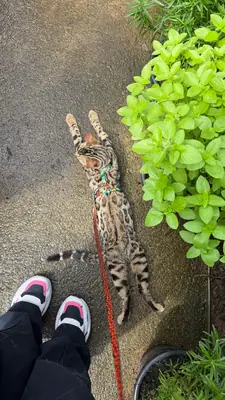
Many owners keep Bengals indoors for safety (traffic, predators, disease). If you want outdoor access, a secure catio or supervised, enclosed garden is safer than free roaming.
How much does a Bengal cat cost?
Bengals from reputable breeders often cost from a few hundred to over a thousand pounds or dollars, depending on lineage, colour, and region. Adoption from rescues is also possible and usually cheaper.
Is the Bengal Cat Right for You?
The Bengal suits active households that can provide daily play, vertical space, and company. They are not ideal for someone who wants a quiet, low-energy cat. If you are prepared for a smart, energetic, and engaging companion, the Bengal can be a rewarding choice.