Bernese Mountain Dog Complete Guide: Traits, Care, Nutrition and Training
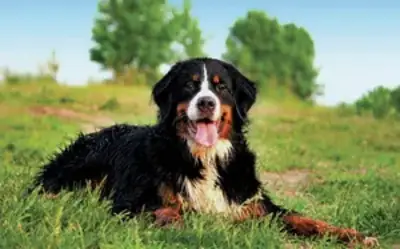
The Bernese Mountain Dog, originating from the Bern canton of Switzerland, is a gentle, affectionate, and powerful mountain dog. This giant breed stands out with its distinctive tricolor (black, rust, white) magnificent coat, calm temperament, and family-friendly character. With proper care and training, this gentle giant becomes the family's most loyal and beloved member. This comprehensive guide provides all essential information for prospective and current Bernese Mountain Dog owners.
1. Breed Profile and Characteristics
- Origin: Switzerland, Bern canton; developed as a farm dog for livestock guarding and heavy draft work.
- Temperament: Gentle, affectionate, patient, excellent with children, loyal, intelligent, may be shy around strangers (socialization important).
- Energy Level: Moderate; daily 30-60 minutes of physical activity sufficient. Prefers temperate climates; avoid excessive exercise in hot weather.
- Activity Preferences: Walking, light running, hiking, cart pulling, obedience work, livestock guarding tasks, scent games.
2. Size, Weight and Growth Chart
| Age | Male Avg. Weight | Female Avg. Weight | Height (Shoulder) | Critical Notes |
|---|---|---|---|---|
| 2-3 months | 18-31 lbs (8-14 kg) | 15-26 lbs (7-12 kg) | 11-14 inches (28-35 cm) | Large breed puppy food, 3-4 meals/day, controlled slow growth formula |
| 6 months | 62-84 lbs (28-38 kg) | 53-71 lbs (24-32 kg) | 20-24 inches (50-60 cm) | Controlled exercise for joint development, avoid excessive weight gain, joint supplements |
| 12 months | 110-143 lbs (50-65 kg) | 93-121 lbs (42-55 kg) | 24-27 inches (60-68 cm) M, 23-26 inches (58-66 cm) F | Transition to adult food, approaching physical maturity |
| 18+ months | 132-176 lbs (60-80 kg) | 110-154 lbs (50-70 kg) | 25-28 inches (64-70 cm) M, 23-26 inches (58-66 cm) F | Physical maturity reached, routine care and weight management critical |
Important Warning: Bernese Mountain Dog puppies grow rapidly and are prone to joint issues as large breed dogs. Controlled growth, weight management, and avoiding excessive exercise are critical.
3. Pricing and Lifetime Costs
- Puppy Price (US): $1,500 – $3,500 from health-tested, registered breeders. Europe: €1,500 – €3,000; Turkey: 40,000 – 80,000 TL.
- Monthly Care Costs: $220 – $330 for premium large breed food, supplements, veterinary care, grooming supplies.
- First Year Investments: Professional training and socialization courses ($400-650), comprehensive health screening ($300-500), quality accessories ($200-300), genetic testing ($250-400).
- Annual Insurance: $450 – $800/year covering health insurance, hip/elbow dysplasia, emergencies, rehabilitation services.
4. Nutrition Strategy and Diet Planning
The Bernese Mountain Dog requires a specialized nutrition program formulated specifically for large breed dogs. Controlled growth, joint health, and gastrointestinal health require balanced macronutrients and proper portion control.
4.1 Daily Macronutrient Distribution
| Nutrient Group | Percentage | Quality Sources | Physiological Benefits |
|---|---|---|---|
| High-Quality Protein | 25-27% | Chicken, lamb, fish, eggs | Muscle development and maintenance, immune function, tissue repair |
| Complex Carbohydrates | 30-35% | Brown rice, sweet potato, oats, vegetables | Sustained energy, glycogen stores, digestive health |
| Healthy Fats | 15-16% | Fish oil (EPA/DHA), flaxseed, sunflower oil | Joint health, skin-coat quality, heart health |
| Fiber and Prebiotics | 8-10% | Pumpkin, carrots, leafy greens, probiotic supplements | Gut microbiome, digestive regularity, satiety |
| Functional Supplements | 3-5% | Glucosamine-chondroitin, omega-3, vitamin E | Joint protection, immune enhancement |
Feeding Schedule: Adults: 2 meals daily (morning-evening); puppies: 3-4 meals (8 weeks-6 months). Use slow feeder bowls, avoid elevated bowls (bloat risk). Measured portions, avoid free-feeding.
4.2 Life Stage Specific Nutrition Tips
- Puppy Stage (2-12 months): Large breed puppy formula, controlled slow growth support, calcium/phosphorus balance, DHA supplementation, avoid excessive fat and calories.
- Adult Stage (1-7 years): Large breed active dog formula, joint-protective supplements, weight management, conditioning monitoring.
- Senior Stage (7+ years): Digestibility-focused formula, joint-protective supplements, antioxidant-rich content, phosphorus control for kidney health.
4.3 Bloat Prevention Strategies
- Divide daily meals into 2-3 small portions.
- Use slow feeder bowls, avoid elevated bowls.
- Avoid vigorous activity 1-2 hours after meals.
- Choose high-quality, digestible formulas.
- Avoid feeding in stressful environments.
5. Training and Socialization Strategy
The Bernese Mountain Dog is a sensitive and gentle dog. Harsh training methods can backfire. Positive reinforcement, patience, consistency, and early socialization are critical.
5.1 Puppy Socialization (8-16 Weeks)
- Controlled exposure to different human types (children, elderly, diverse cultures).
- Various environments (urban, rural, vehicles, noisy areas, crowded places).
- Early introduction to other animals (dogs, cats—under careful supervision).
- Different surfaces, sounds, and visual stimuli.
- Preventing shyness and fear through positive experiences.
5.2 Basic Obedience Training
- Commands: Sit, stay, come, place, drop it, no. Short but frequent sessions (10-15 minutes).
- Method: Gentle, reward-based, consistent methods. As sensitive dogs, harsh corrections can backfire.
- Timing: Begin at 8-10 weeks, continue for life. Early leash and leadership training critical (due to strong adult size).
- Jumping and Pulling: Leash manners and jumping control should be taught from early age due to strong adult size.
5.3 Advanced Training and Activities
- Cart Pulling: Traditional task, builds strength and endurance.
- Obedience Work: Rally obedience, basic obedience, advanced commands.
- Mental Stimulation: Puzzle toys, scent work, task-oriented games.
- Social Skills: Regularly introduce to new people (in controlled environments), build social confidence.
6. Health Management and Genetic Risks
6.1 Genetic and Congenital Disorders
- Hip Dysplasia (HD): Common risk. X-ray screening per OFA or FCI standards, joint supplements from puppyhood, controlled exercise, weight management.
- Elbow Dysplasia: Similar approach to HD, early diagnosis critical, regular veterinary monitoring.
- Gastric Torsion (Bloat): Common risk in large, deep-chested dogs, medical emergency. Prevention through feeding strategies critical.
- Eye Diseases: Cataracts, progressive retinal atrophy (PRA), entropion; annual eye exams recommended.
- Heart Conditions: Cardiac assessment, annual check-ups, monitoring with veterinary guidance.
- Blood Disorders: Regular blood tests, early diagnosis important.
- Degenerative Myelopathy: Neurological condition, genetic test available.
- Cruciate Ligament Injuries: Prevention through weight management and controlled exercise.
6.2 Lifetime Health Schedule
- Puppy Stage: Vaccination schedule (core, rabies), parasite control, genetic testing (hip/elbow, eyes, heart), first comprehensive check-up, growth monitoring.
- Adult Stage: Comprehensive exams twice yearly, annual blood profile, urinalysis, hip/elbow monitoring (at 24 months), dental cleaning, weight management, eye exams.
- Senior Stage: Exams every 6 months, comprehensive lab tests, cardiac echocardiography, joint assessment, vision-hearing tests, neurological assessment.
6.3 Preventive Care Protocols
- Dental Health: Daily brushing (if possible), weekly dental chews, annual professional cleaning.
- Ear Care: Weekly inspection and cleaning, dry after swimming/bathing.
- Nail Care: Trim every 2-3 weeks, monitor natural wear.
- Skin and Coat Care: Regular inspection, seasonal shedding management, skin health monitoring.
7. Coat Care and Grooming
The Bernese Mountain Dog's thick, tricolor (black, rust, white) double coat sheds heavily year-round. Regular care is critical for health and appearance.
- Brushing: 3-4 times weekly with thick comb and undercoat brush, remove dead hair. Daily brushing may be needed during seasonal shedding periods (spring-fall).
- Bathing: Every 2-4 weeks or as needed, mild dog shampoo, eye and ear protection, thorough drying (especially undercoat).
- Seasonal Care: Heavy shedding in spring and fall, daily brushing, professional de-shedding treatment (optional).
- Coat Health: Omega-3 fatty acid supplementation, balanced nutrition, regular grooming routine.
8. Lifestyle and Family Integration
8.1 Home Environment Requirements
- Space: House with yard preferred; apartment living possible but daily open space access mandatory. Cool climates ideal.
- Security: Secure fenced yard, escape prevention, secure door locking systems.
- Indoor: Spacious bed area, cool and shaded places (especially in summer), clean water access, temperature control.
- Climate: Prefers cold and temperate climates; avoid excessive activity in hot weather.
8.2 Family and Child Relationships
- Children: Especially excellent compatibility with children, gentle and patient. Enjoys being part of family life.
- Other Animals: May be compatible with other dogs and cats with proper socialization.
- Strangers: Balanced behavior with socialization, may be shy initially but warm once trust is gained.
- Separation: Does not like being left alone for long periods; may develop separation anxiety. Should be part of family life.
8.3 Special Attention Areas
- Size and Strength: Early training and behavior control critical due to adult size.
- Lifespan: Typically lives 7-10 years (typical for large breed dogs). This can be emotionally difficult for owners.
- Health Costs: Veterinary costs may be high due to predisposition to genetic and age-related diseases.
9. Frequently Asked Questions
Are Bernese Mountain Dogs suitable for apartment living?
Physically possible but house with yard preferred. Daily 30-60 minutes activity and open space access mandatory. Does not like being left alone; should be part of family life.
How much exercise do they need?
Daily 30-60 minutes moderate physical activity sufficient (walking, light running, play). Excessive activity should be avoided in hot weather.
Are they good with children?
Yes, especially excellent compatibility with children. Gentle, patient, and affectionate character makes them ideal as family dogs.
Can they be left alone?
Suitable for short periods (3-4 hours). Does not like being left alone for long periods; may develop separation anxiety. Should be part of family life.
What health problems do they have?
Hip/elbow dysplasia, gastric torsion (bloat), eye diseases, heart conditions, blood disorders, degenerative myelopathy are common. Regular veterinary check-ups and genetic testing recommended.
Do they shed a lot?
Yes, heavy shedding year-round. More intense in spring and fall. Requires brushing 3-4 times weekly, daily during seasonal periods.
10. Conclusion and Recommendations
The Bernese Mountain Dog, known as the gentle giant, is an affectionate and loyal breed. This powerful, calm, and family-friendly dog becomes the family's most beloved member with the right approach. Early socialization, gentle training, balanced nutrition, regular health check-ups, and adequate physical activity will ensure your Bernese Mountain Dog enjoys a long, healthy, and happy life. Before adopting this breed, remember to choose a health-screened puppy from an experienced breeder and carefully review genetic health tests. Remember that this breed wants to be part of family life and does not like being left alone for long periods.