Birman Cat Complete Guide: Traits, Care, Nutrition and Health
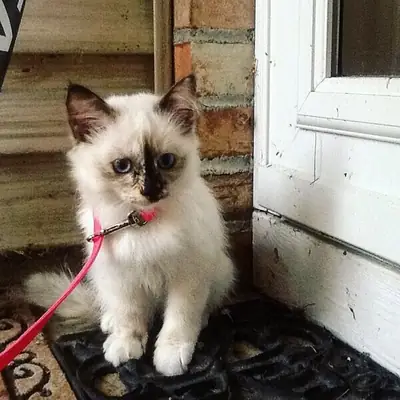
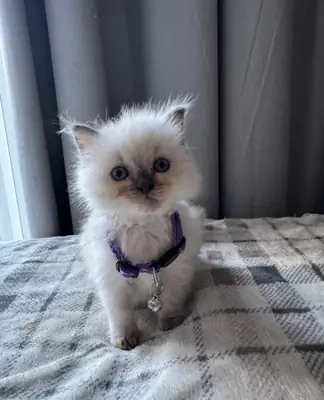
The Birman cat, with its legendary origins and elegant appearance, is a loving and gentle breed that captures hearts. Recognized by their sapphire blue eyes, color-pointed coat, and distinctive white "gloves" on all paws, these magnificent cats can be perfect companions for families. This guide provides all essential information for prospective and current Birman cat owners.
1. Breed Profile and General Characteristics
- Origin: Myanmar (Burma), legendarily descended from temple cats. Brought to France in the 1920s where the modern breed standard was developed.
- Temperament: Gentle, affectionate, social, people-oriented, gets along well with children and other pets, exhibits dog-like loyal behaviors.
- Energy Level: Moderate; enjoys playing but prefers lounging and relaxing over high-intensity activity.
- Physical Characteristics: Medium-to-large size, sturdy muscular body, broad rounded head, medium ears, Roman nose, silky medium-to-long coat, color-pointed pattern, white "gloves" on all paws, deep sapphire blue eyes.
2. Size, Weight and Growth Chart
| Age | Male Avg. Weight | Female Avg. Weight | Critical Notes |
|---|---|---|---|
| 2-3 months | 2.6-4.0 lbs (1.2-1.8 kg) | 2.2-3.3 lbs (1.0-1.5 kg) | High-protein kitten food, 4-5 meals/day, controlled growth |
| 6 months | 6.6-9.9 lbs (3.0-4.5 kg) | 5.5-7.7 lbs (2.5-3.5 kg) | Rapid growth period, gradual transition to adult food begins |
| 12 months | 12.1-16.5 lbs (5.5-7.5 kg) | 8.8-12.1 lbs (4.0-5.5 kg) | Transition to adult food completed, 2 meals/day |
| 18+ months | 13.2-17.6 lbs (6.0-8.0 kg) | 9.9-13.2 lbs (4.5-6.0 kg) | Physical maturity reached, routine maintenance and conditioning |
Important Note: Birman cats mature slowly and complete their full physical development around 2-3 years of age. Kittens are born completely white and their color points develop with age.
3. Pricing and Lifetime Costs
- Kitten Price (US): $600 – $1,200 from registered breeders with pedigree, health screening. Europe: €500 – €1,000; other regions vary.
- Monthly Care Costs: $80 – $130 for premium cat food, litter, toys, routine veterinary care, grooming supplies.
- First Year Investments: Basic equipment (carrier, scratching post, toys) ($150-200), health screening package ($100-150), vaccinations and parasite control ($80-120).
- Annual Insurance: $200 – $400/year for health insurance, emergencies, routine check-ups.
4. Nutrition Strategy and Diet Planning
Birman cats require a nutrition program with high-quality protein appropriate for their life stage. Portion control is important as they may be prone to obesity.
4.1 Daily Macronutrient Distribution
| Nutrient Group | Percentage | Quality Sources | Physiological Benefits |
|---|---|---|---|
| High-Quality Animal Protein | 40-45% | Chicken, turkey, fish, lamb, beef | Muscle development, energy, overall health |
| Healthy Fats | 15-20% | Fish oil (Omega-3), animal fats | Skin-coat health, energy, vitamin absorption |
| Carbohydrates | 10-15% | Vegetables, grains (limited), fiber sources | Energy, digestive health |
| Vitamins and Minerals | 5-10% | Natural sources, supplements (if needed) | Immunity, bone health, overall health |
| Water | Critical | Clean, fresh water (always accessible) | Hydration, kidney health, overall health |
Feeding Schedule: Kittens: 4-5 meals daily (8 weeks-6 months); adolescents: 3 meals (6-12 months); adults: 2 meals daily. Avoid free-feeding to prevent obesity risk.
4.2 Life Stage Specific Nutrition
- Kitten Stage (2-12 months): High-protein kitten formula, DHA supplementation, adequate calories for growth, small and frequent meals.
- Adult Stage (1-7 years): Balanced adult formula, portion control, adjustment based on age and activity level, obesity prevention.
- Senior Stage (7+ years): Senior cat formula, digestibility-focused, phosphorus control for kidney health, joint support.
4.3 Feeding Tips
- Dry and Wet Food: You can use both. Wet food provides hydration, dry food helps dental health.
- Water Access: Always provide clean, fresh water. Some cats prefer running water (cat fountain).
- Obesity Prevention: Regular weight monitoring, portion control, low-calorie treats, encouragement of play and activity.
- Special Diets: Special formulas for sensitive stomach, allergies, or kidney issues with veterinary recommendation.
5. Coat Care and General Grooming
Birman cats' silky, medium-to-long coat does not contain a dense undercoat, which makes grooming relatively easier. However, regular care is important for health and appearance.
5.1 Coat Care
- Brushing Frequency: 2-3 times weekly during normal periods, more frequently during shedding seasons. Use slicker brush, wide-tooth comb, or floating comb.
- Bathing: Monthly or as needed, use special cat shampoo. Thorough drying is important.
- Shedding: Seasonal shedding may occur, can be controlled with regular brushing.
- Mat Prevention: Low matting risk due to no dense undercoat, but regular brushing is important.
5.2 Other Care Requirements
- Nail Care: Trim every 2-3 weeks, encourage use of scratching post.
- Ear Care: Weekly inspection and cleaning (if needed), watch for infection signs.
- Dental Care: Weekly tooth brushing (ideal), dental chews or special dental care products.
- Eye Care: Regular inspection, maintaining health of sapphire blue eyes.
6. Health Management and Genetic Risks
6.1 Genetic and Congenital Disorders
- Hypertrophic Cardiomyopathy (HCM): Thickening of heart walls. Annual cardiac exam, echocardiography recommended. Genetic testing available.
- Polycystic Kidney Disease (PKD): Cyst development in kidneys. Genetic testing should be done, early diagnosis critical.
- Feline Infectious Peritonitis (FIP): Viral disease, Birman cats may be more susceptible. Vaccination and preventive care important.
- Eye Problems: Cataracts, corneal issues. Annual eye exam recommended.
- Obesity: Can be prevented with portion control and regular exercise.
6.2 Lifetime Health Schedule
- Kitten Stage: Vaccination schedule (core, rabies), parasite control, genetic testing (HCM, PKD), first check-up.
- Adult Stage: Comprehensive exam 1-2 times yearly, annual blood profile, urinalysis, cardiac exam (HCM screening), dental cleaning.
- Senior Stage: Exam every 6 months, comprehensive lab tests, cardiac echocardiography, kidney function tests, vision-hearing tests.
6.3 Preventive Care Protocols
- Vaccinations: Core vaccines (core, rabies), additional vaccines based on lifestyle (FeLV, FIV testing).
- Parasite Control: External and internal parasite prevention (monthly applications), regular monitoring.
- Dental Health: Daily tooth brushing (ideal), weekly dental chews, annual professional cleaning.
- Weight Monitoring: Regular weighing, body condition score (BCS), obesity prevention.
7. Lifestyle and Environment Requirements
7.1 Home Environment
- Indoor Living: Birman cats are indoor cats. Provide a safe, comfortable environment.
- Height and Climbing: Provide cat trees, shelves, climbing areas. They love observing from high points.
- Scratching: Scratching posts or panels, different surfaces and directions.
- Resting Areas: Comfortable beds, sunbathing areas, warm and safe corners.
7.2 Mental Stimulation and Play
- Toys: Puzzle toys, interactive games, ball games, feather toys.
- Play Time: Daily play sessions, owner-cat interaction, activities like fetch.
- Mental Challenges: Puzzle feeders, hidden treats, new toy rotation.
- Note: Birman cats maintain kitten-like behaviors for several years, play time is important.
7.3 Family and Other Pet Relationships
- Children: Excellent compatibility with children due to gentle and patient nature. Supervised play recommended.
- Other Cats: Generally get along well with other cats due to social nature. Slow introduction important.
- Dogs: Can adapt to dogs with proper socialization.
- Human Bond: Form strong human bonds, follow their owners, exhibit dog-like loyal behaviors.
8. Training and Socialization
- Early Socialization: Introduction to different people, sounds, and environments from kittenhood.
- Basic Commands: Basic commands can be taught with positive reinforcement (come, sit, etc.).
- Scratching Training: Teaching use of scratching posts, encouraging appropriate surfaces.
- Litter Training: Usually learn naturally, providing clean litter box important.
9. Frequently Asked Questions
How much do Birman cats shed?
They shed moderately. Low matting risk due to no dense undercoat, but regular brushing (2-3 times weekly) recommended. More frequent brushing may be needed during seasonal shedding periods.
Are they suitable for apartment living?
Yes, perfectly suitable. They are indoor cats and adapt well to apartment living. They are happy when provided with adequate play space, climbing opportunities, and mental stimulation.
How active are they?
Moderately active. They enjoy playing but prefer lounging and relaxing over high-intensity activity. Daily play sessions and mental stimulation are important.
Are they good with children?
Yes, excellent compatibility with children due to gentle and patient nature. Supervised play recommended but they generally get along very well.
What health problems do they have?
HCM (heart disease), PKD (kidney disease), FIP (viral disease), and eye problems are common. Regular veterinary check-ups and genetic testing recommended.
How long do they live?
Average lifespan of 12-16 years with good care. Some Birman cats can live up to 18-20 years.
10. Conclusion and Recommendations
The Birman cat is a loving, gentle, and social breed. With their sapphire blue eyes, elegant appearance, and dog-like loyal behaviors, they can be perfect companions for families. With regular care, balanced nutrition, routine veterinary check-ups, and appropriate environment setup, your Birman cat will enjoy a long, healthy, and happy life. Before adopting this breed, remember to choose a health-screened kitten from an experienced breeder and set realistic expectations.