Bulldog: Complete Guide to Traits, Care, Nutrition and Health
The Bulldog is one of the most recognizable dog breeds in the world, known for its adorable appearance, loyal character, and courageous history. Friendly, affectionate, and family-oriented, this breed becomes an excellent household companion with proper care and understanding. This comprehensive guide provides all essential information for prospective and current Bulldog owners.
1. Breed Profile and Physical Characteristics
- Origin: England; originally developed for bull-baiting, later bred as companion animals.
- Temperament: Friendly, loyal, gentle, affectionate, excellent with children, craves human companionship.
- Energy Level: Low-moderate; laid-back, enjoys short walks and play but prefers relaxing.
- Lifespan: Average 8-10 years, can live longer with attentive care.
2. Size, Weight and Physical Features
| Feature | Male | Female | Description |
|---|---|---|---|
| Height (Shoulder) | 12-16 in (30-40 cm) | 12-16 in (30-40 cm) | Medium-sized dog |
| Weight | 40-50 lbs (18-23 kg) | 40-50 lbs (18-23 kg) | Muscular and sturdy build |
| Body Structure | Stocky, muscular, broad shoulders, deep chest | Strong and robust appearance | |
| Head Structure | Brachycephalic (short nose), broad head, prominent wrinkles | Characteristic facial structure | |
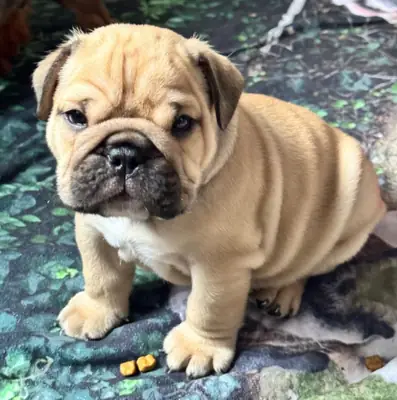
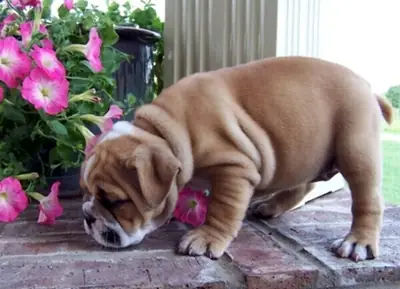
Physical Features: Brachycephalic head structure (short nose, broad head), hanging upper lips, undershot jaw, loose skin and prominent face-neck wrinkles, short and smooth coat.
Coat Colors: White, fawn, brindle, red, piebald, solid colors or combinations thereof.
3. Pricing and Lifetime Costs
- Puppy Price (US): $1,500 – $4,000 from registered, health-screened breeders. Europe: €1,200 – €3,500; other regions vary.
- Monthly Care Costs: $340 – $570 for premium food, veterinary care, special care products, insurance.
- First Year Investments: Basic equipment ($340-500), initial veterinary checkups and vaccinations ($450-680), health screenings (BOAS, hip) ($900-1,100).
- Annual Health Insurance: $900 – $1,700/year covering health insurance, emergencies, routine checkups, comprehensive protection for potential health issues.
4. Nutrition Strategy and Diet Planning
The Bulldog requires high-quality, age-appropriate nutrition. Portion control is critical due to obesity predisposition. Many Bulldogs also have food sensitivities or allergies.
4.1 Daily Nutrient Distribution
| Nutrient Group | Percentage | Quality Sources | Special Notes |
|---|---|---|---|
| High-Quality Protein | 25-30% | Lamb, fish, turkey (depending on allergies) | Beef, chicken, pork can cause allergies |
| Complex Carbohydrates | 40-45% | Rice, oats, sweet potato, squash | Digestibility important |
| Healthy Fats | 12-15% | Fish oil (Omega-3), coconut oil | For joint and skin health |
| Fiber and Prebiotics | 5-8% | Pumpkin, oat fiber, probiotics | For digestive health |
| Vitamins and Minerals | Balanced | Natural sources, supplements | Joint support (glucosamine, chondroitin) |
Feeding Schedule: Adults: 2 meals daily, puppies: 3-4 meals. Use of slow-feeder bowls recommended (reduces gas issues).
4.2 Special Nutrition Requirements
- Food Allergies: Beef, chicken, pork are common allergens. Lamb or fish-based diets may be preferred.
- Slow Feeding: Use of puzzle bowls or slow-feeder bowls reduces gas and bloating issues.
- Obesity Prevention: Portion control, measured feeding, treats should not exceed 10% of daily calories.
- Life Stage: Puppy, adult, and senior formulas available, breed-specific Bulldog formulas exist.
5. Care and Grooming
5.1 Coat and Skin Care
- Coat Care: Weekly brushing sufficient, easy care due to short coat structure.
- Wrinkle Care: Daily cleaning and drying of face, ear, and neck wrinkles critical (to prevent skin infections).
- Bathing: Monthly or as needed, hypoallergenic shampoo, thorough drying of wrinkles.
- Skin Inspection: Check wrinkles for moisture, redness, or bad odor, consult veterinarian for infection signs.
5.2 Other Care Requirements
- Ear Care: Weekly inspection and cleaning, including behind wrinkles, watch for infection signs.
- Eye Care: Daily inspection, consult veterinarian for redness, discharge, or irritation signs, eye drops (if needed).
- Dental Care: Brush teeth 2-3 times weekly, dental issues common due to brachycephalic structure, annual professional cleaning.
- Nail Care: Trim every 3-4 weeks, natural wear with regular walks.
6. Exercise and Activity
Bulldogs have low-moderate energy levels, but regular, controlled exercise is important to prevent obesity.
- Daily Walks: 20-30 minute short walks daily, shorter during hot weather and during cooler hours.
- Play Activities: Light play sessions, mental games, puzzle toys.
- Heat Warning: Should not exercise in extreme heat, high heatstroke risk, prefer cooler hours.
- Swimming: Ideal for low-impact exercise (under supervision).
7. Health Management and Common Issues
7.1 Common Health Problems
- Brachycephalic Obstructive Airway Syndrome (BOAS): Narrowed nostrils, elongated soft palate, restricted airways. Noisy breathing, exercise limitation, heat sensitivity. Surgical intervention may be required.
- Hip and Elbow Dysplasia: Common issue, excess weight worsens problem, arthritis can develop. Regular X-ray screening recommended.
- Skin Fold Dermatitis/Pyoderma: Wrinkles retain moisture and debris, regular cleaning and drying required, yeast or bacterial infection risk.
- Eye Problems: Entropion, cherry eye, dry eye (KCS), eyelid issues. Annual eye examination recommended.
- Other Issues: Allergies, heatstroke, heart defects (pulmonic stenosis), patellar luxation, obstetric complications (dystocia).
7.2 Lifetime Health Schedule
- Puppy Stage: Vaccination schedule, BOAS evaluation, hip/elbow screening, first eye examination.
- Adult Stage: Annual comprehensive examination, weight monitoring, skin check, dental examination, respiratory assessment.
- Senior Stage: Exams every 6 months, joint assessment, heart check, comprehensive laboratory tests.
7.3 Preventive Care Protocols
- Weight Management: Weekly weight monitoring, body condition scoring, portion adjustment.
- Wrinkle Care: Daily cleaning and drying, special lotions (veterinary recommendation).
- Respiratory Monitoring: Signs of breathing difficulty, exercise tolerance, heat precautions.
- Skin Health: Regular inspection, early infection detection, proper hygiene.
8. Environmental and Lifestyle Requirements
8.1 Temperature Sensitivity
- Hot Weather: Struggles in extreme heat, high heatstroke risk, provide shade and water access, short walks during hot weather.
- Cold Weather: Affected by cold due to short coat and low fat, protective clothing may be needed in cold weather.
- Ideal Temperature: 18-22°C optimal, protect from extreme heat/cold.
8.2 Living Space
- Apartment Living: Suitable, adapts to apartment living due to low energy level.
- Yard: Large yard not necessary but adequate movement space should be provided.
- Indoor: Comfortable bed area, cool and shaded places, clean air access.
9. Training and Socialization
- Early Socialization: Should begin at 8-16 weeks, introduction to different people, animals, and environments.
- Training Method: Positive reinforcement, patience and consistency, avoid forceful methods.
- Stubbornness: Can be stubborn in some situations, patient and positive approach required.
- Routine: Prefers consistent routines, regular schedule important.
10. Frequently Asked Questions
How long do Bulldogs live?
Average 8-10 years. Some may live longer with attentive care and health management.
Is care difficult?
Moderately difficult. Requires regular care due to wrinkle maintenance and potential health issues.
Are they good with children?
Yes, excellent with children. Gentle, patient, and affectionate.
Do they need exercise?
Yes, but low-moderate level. 20-30 minute short walks daily are sufficient. Should be careful in hot weather.
Why do they snore?
Snoring is normal due to brachycephalic structure. Veterinary evaluation needed for excessive snoring or breathing difficulty.
What are the most common health problems?
BOAS (breathing), hip dysplasia, skin fold infections, eye problems, obesity. Regular veterinary checkups are critical.
11. Conclusion and Recommendations
The Bulldog is an excellent family dog with its affectionate character and loyal nature. With proper nutrition, regular care (especially wrinkle care), controlled exercise, health monitoring, and veterinary care, your Bulldog will enjoy a long, healthy, and happy life. Before adopting this breed, it is important to understand potential health issues and choose a health-screened puppy from an experienced breeder. Also, be prepared for special requirements such as wrinkle care and plan regular veterinary checkups.