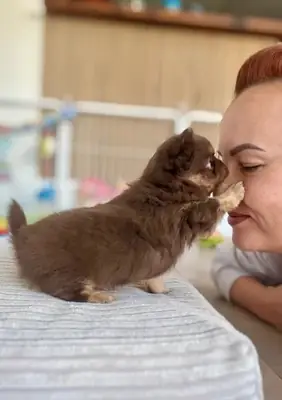
Chihuahua: Complete Guide to Traits, Care, Nutrition and Health
The Chihuahua is one of the world's smallest dog breeds and originates from Mexico. With its small size, bold personality, and tendency to form strong bonds with owners, it is one of the most popular dog breeds in the world. This comprehensive guide provides all essential information for prospective and current Chihuahua owners.
1. Breed Profile and Physical Characteristics
- Origin: Mexico; discovered and named in Chihuahua state. Gained popularity in the United States and recognized worldwide.
- Temperament: Bold, alert, affectionate, loyal, forms strong bonds with owners, may be wary of strangers, early socialization critical.
- Energy Level: Moderate; enjoys bursts of activity but tires easily, short daily walks sufficient.
- Lifespan: Average 12-16 years, can live up to 20 years with attentive care.
2. Size, Weight and Physical Features
| Feature | Value | Description |
|---|---|---|
| Weight | 1.5-3 kg (3-6 lbs) | Average for adult individuals |
| Height | 13-20 cm (5-8 inches) | Shoulder height |
| Body Structure | Compact, delicate, distinctive head, round eyes, large ears | |
| Head Shape | "Apple-head" skull (round with pronounced stop) typical; "deer-head" type also exists but less preferred in show standards | |
| Coat Types | Two types: Short coat (smooth coat) and long coat | |
Coat Colors and Patterns: Many color and pattern combinations possible (solid, marked, splashed). Merle color excluded under some standards.
3. Pricing and Lifetime Costs
- Puppy Price (US): $500 – $2,500 from registered, health-screened, show-quality breeders. Europe: €400 – €2,200; other regions vary.
- Monthly Care Costs: $90 – $170 for quality dog food, veterinary care, toys, clothing.
- First Year Investments: Equipment (bed, collar, leash, toys) ($170-200), initial veterinary checkups and vaccinations ($230-280), spay/neuter ($280-450), clothing (cold weather) ($110-150).
- Annual Health Expenses: $340 – $900/year (routine checkups, dental care, preparation for potential health issues).
4. Nutrition Strategy and Diet Planning
The Chihuahua requires small, frequent meals due to high metabolism and small digestive system. Single large meals designed for large dogs should be avoided.
4.1 Daily Nutrient Distribution
| Nutrient Group | Amount/Percentage | Quality Sources | Important Notes |
|---|---|---|---|
| Protein | 20-35% (calories) | Chicken, turkey, fish, eggs, quality animal sources | Major component, should come from quality animal sources |
| Fat | 15-20% (calories) | Fish oil, chicken fat, vegetable oils | Energy source, omega-3 and omega-6 fatty acids |
| Carbohydrates | 30-50% (calories) | Oats, rice, sweet potato, vegetables | Fiber source, low glycemic index preferred |
| Calorie Requirement | 35-40 kcal/kg/day | For adult dogs | Puppies may require up to 50 kcal/kg/day |
| Meal Frequency | 2-3 meals per day | Small, frequent meals | Critical for hypoglycemia prevention and digestive health |
Feeding Schedule: Small, frequent meals (2-3 times daily), high-quality food designed for small dog breeds, regular feeding to prevent hypoglycemia, avoid overfeeding (obesity risk).
4.2 Special Nutrition Requirements
- Small, Frequent Meals: Essential due to high metabolism and small digestive system. Should be fed 2-3 small meals daily. Avoid single large meals.
- Hypoglycemia Prevention: High risk of low blood sugar, especially in very young puppies. Regular feeding and glucose supplementation in emergencies may be needed.
- Dental Health: High risk of dental problems due to small mouth and crowded teeth. Dental cleaning foods and daily brushing recommended.
- Avoid: High filler content (corn, wheat, soy), artificial additives, foods toxic to dogs (chocolate, grapes, raisins, onions, garlic, xylitol).
5. Housing and Living Space
5.1 Living Space Requirements
- Indoor Living: Chihuahua is an indoor dog, not suited for outdoor living. Very sensitive to cold.
- Apartment Living: Can adapt well to small living spaces, provided daily attention and mental stimulation are given.
- Safety: Protection from predators due to small size, safe fences, risk of falling from heights (furniture).
5.2 Temperature and Environmental Conditions
- Cold Sensitivity: Very sensitive to cold weather due to low body fat and small size. Sweaters or jackets recommended during cold weather.
- Hot Weather: Should be careful in extreme heat, risk of heatstroke.
- Ideal Temperature: Indoor temperature should be maintained between 18-24°C, draft-free areas.
6. Care and Grooming
6.1 Coat Care
- Short Coat Type: Weekly brushing sufficient, low maintenance requirements, occasional bathing.
- Long Coat Type: Brushing 2-3 times weekly required, tangle prevention, higher maintenance requirements.
- Shedding: Both types shed moderately, long-coat may shed more in certain seasons.
6.2 Other Care Requirements
- Dental Care: Daily brushing critical, dental problems common due to small mouth and crowded teeth. Dental cleaning foods and professional cleaning may be needed.
- Nail Care: Trim every 2-3 weeks, small paws should be trimmed carefully.
- Ear Care: Weekly inspection and cleaning, early infection detection.
- Eye Care: Eye discharge monitoring, eye problems common.
7. Activity and Exercise
Chihuahua has moderate energy level. Short daily walks and indoor play are typically sufficient.
- Daily Walks: 10-20 minutes short walks daily sufficient, enjoys bursts of activity but tires easily.
- Indoor Games: Tug-of-war, ball games, mental stimulation toys, hidden treat toys.
- Avoid: Strenuous or rough play, especially with young children, injury risk due to delicate structure.
- Mental Stimulation: Puzzle toys, training activities, social interaction.
8. Health Management and Common Issues
8.1 Common Health Problems
- Dental Issues: Gum disease and tooth decay common due to crowded teeth and small mouth. Daily brushing and routine dental checks vital.
- Hypoglycemia (Low Blood Sugar): Common especially in very young puppies. Requires frequent feeding and glucose supplementation in emergencies. Signs: weakness, lethargy, trembling, seizures.
- Tracheal Collapse: Collapse of windpipe, common in small dog breeds. Signs: coughing, breathing difficulty, exercise intolerance.
- Patellar Luxation (Kneecap Dislocation): Common in toy breeds, kneecap slips out of place. Signs: limping, lifting hind legs.
- Eye Problems: Dry eye, glaucoma, cataracts, retinal problems. Regular eye checks recommended.
- Heart Issues: Congenital conditions and murmurs may occur. Regular heart checks recommended.
- Hydrocephalus: Fluid accumulation in brain, may occur in some puppies.
- Open Fontanelle (Molera): Small opening in skull, considered normal in some individuals but should be protected carefully.
- Obesity: Weight gain poses serious health risks due to small body size. Weight monitoring critical.
8.2 Lifetime Health Schedule
- Puppy Stage: First veterinary checkup, vaccination program (6-8 weeks), hypoglycemia monitoring, early socialization.
- Adult Stage: Annual comprehensive examination, dental check (every 6 months), heart check, eye check, weight monitoring.
- Senior Stage: Exams every 6 months, extra attention to dental, heart, and eye health, monitoring aging signs.
8.3 Preventive Care Protocols
- Daily Check: Appetite, energy level, breathing, eye condition, dental condition, weight.
- Regular Dental Care: Daily brushing, dental cleaning foods, professional cleaning (if needed).
- Cold Weather Protection: Sweaters or jackets during cold weather, indoor living, draft-free areas.
- Vaccination and Parasite Prevention: Up-to-date vaccinations, regular parasite prevention (fleas, ticks, heartworm).
9. Training and Socialization
- Early Socialization: Very critical! Exposure to different people, dogs, sounds, and environments during puppy stage, fear and aggression prevention.
- Basic Commands: Basic commands such as sit, stay, come, no, requires patience and consistency.
- House Training: Requires patience and consistency, frequent bathroom breaks may be needed due to small bladder.
- Positive Reinforcement: Reward-based training (treats, praise), avoid harsh methods, dealing with stubbornness.
- Barking Control: Tendency to bark due to alert nature, can be controlled with early training.
10. Compatibility with Children and Other Animals
- With Children: Gets along well with gentle, careful children but rough play should be avoided. High injury risk due to small size. Early socialization and supervision important.
- With Other Dogs: Can get along well with other dogs with early socialization, but may be wary of unfamiliar dogs. Should be careful when playing with large dogs.
- With Cats and Other Animals: Can be compatible with early introduction and socialization.
11. Frequently Asked Questions
How long do Chihuahuas live?
Average 12-16 years. Can live up to 20 years with attentive care.
Is care difficult?
Short coat type requires low maintenance, long coat type requires more maintenance. Dental care critical.
Are they good with children?
Gets along well with gentle, careful children but rough play should be avoided. High injury risk due to small size.
How much exercise do they need?
10-20 minutes short walks daily and indoor games are typically sufficient.
Why should I feed small, frequent meals?
Small, frequent meals are critical for hypoglycemia prevention and digestive health due to high metabolism and small digestive system.
What are the most common health problems?
Dental issues, hypoglycemia, tracheal collapse, patellar luxation, eye problems, heart issues. Regular veterinary checkups critical.
12. Conclusion and Recommendations
The Chihuahua is an excellent pet with its small size and bold personality. With proper nutrition (small, frequent meals), regular dental care, cold weather protection, early socialization, regular exercise, and veterinary care, your Chihuahua will enjoy a long, healthy, and happy life. Before adopting this breed, it is important to understand the special care requirements necessitated by its small size (cold sensitivity, hypoglycemia risk, dental problems). Choosing a health-screened puppy from an experienced breeder and preparing your home environment according to the dog's needs is critical.