Chow Chow Complete Guide: Characteristics, Care, Nutrition and Health
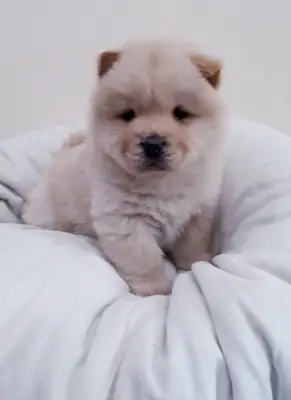
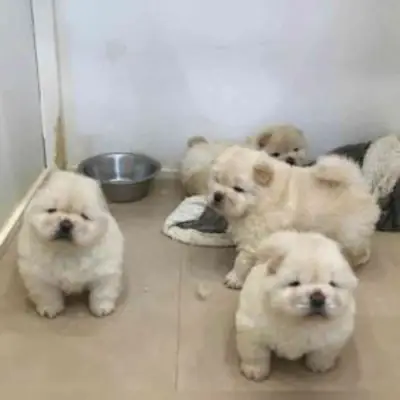
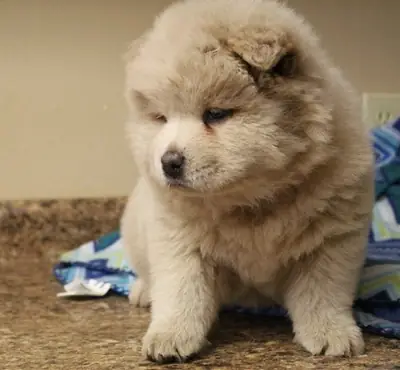
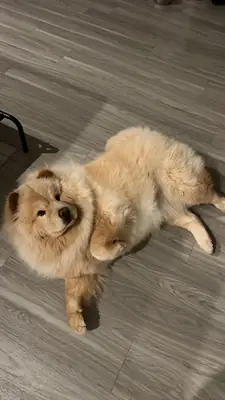
The Chow Chow stands as one of the world's most ancient dog breeds, with a history spanning thousands of years. Recognized by its lion-like mane, distinctive blue-black tongue, and independent spirit, this breed offers a unique companionship experience. This comprehensive guide provides essential information for anyone considering welcoming a Chow Chow into their home.
1. Breed Profile and History
- Origin: China, one of the oldest dog breeds with archaeological evidence dating back over 2,000 years.
- Temperament: Independent, dignified, aloof with strangers but deeply loyal to family, requires careful supervision with children.
- Energy Level: Low to moderate; 30-45 minutes of daily exercise sufficient, well-suited for apartment living.
- Distinctive Features: Blue-black tongue, lion-like ruff, cat-like cleanliness habits, quiet and reserved nature.
2. Growth and Weight Development
| Age | Male Weight | Female Weight | Height (Shoulder) | Key Notes |
|---|---|---|---|---|
| 8-12 weeks | 9-13 lbs (4-6 kg) | 8-12 lbs (3.5-5.5 kg) | 6-8 inches (15-20 cm) | Premium puppy formula, 4 meals daily, support slow growth |
| 6 months | 26-40 lbs (12-18 kg) | 22-35 lbs (10-16 kg) | 15-18 inches (38-45 cm) | Controlled exercise for joint development, avoid excessive activity |
| 12 months | 44-62 lbs (20-28 kg) | 40-55 lbs (18-25 kg) | 18-20 inches (46-51 cm) male, 17-19 inches (43-48 cm) female | Transition to adult food, weight management critical |
| 18+ months | 55-70 lbs (25-32 kg) | 44-60 lbs (20-27 kg) | 19-22 inches (48-56 cm) male, 18-20 inches (46-51 cm) female | Physical maturity reached, regular health monitoring |
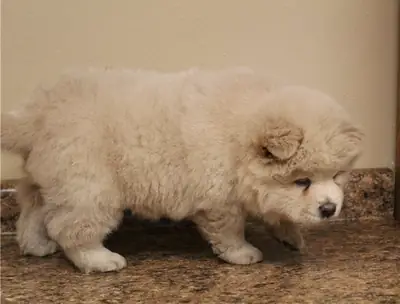
Important: Chow Chow puppies grow slowly and reach full physical maturity between 18-24 months. Overweight puppies are at higher risk for joint problems.
3. Pricing and Lifetime Costs
- Puppy Price (US): $2,500 – $6,000 from health-tested, reputable breeders. Prices vary by region and bloodline quality.
- Monthly Maintenance: $400 – $650 for premium food, professional grooming, veterinary care, and specialized accessories.
- Initial Investments: Professional grooming tools ($350), cooling bed ($300), quality brushes ($180), eye care products ($100).
- Insurance: Annual premiums $600 – $1,200 covering eye conditions, skin disorders, hip dysplasia, and emergency procedures.
4. Nutrition and Dietary Management
Chow Chows have a predisposition to obesity and a slower metabolism. Portion control, nutrient-dense but calorie-appropriate meals, and consistent feeding schedules are essential for maintaining optimal health.
4.1 Daily Nutritional Breakdown
| Nutrient Category | Percentage | Examples | Benefits |
|---|---|---|---|
| High-quality protein | 28-30% | Lamb, fish, turkey, eggs | Muscle maintenance, coat quality, immune function |
| Complex carbohydrates | 20-25% | Brown rice, oats, sweet potato | Sustained energy, digestive health, satiety |
| Healthy fats | 10-12% | Fish oil, flaxseed, sunflower oil | Skin health, coat luster, joint protection |
| Fiber and vegetables | 8-10% | Carrots, zucchini, green beans, broccoli | Gut health, vitamin support |
| Specialized supplements | 5% | Omega-3, glucosamine, probiotics, skin support formulas | Eye health, skin condition prevention, joint care |
Feeding Schedule: Two meals daily for adults, 3-4 meals for puppies. Allow 30 minutes rest after meals.
Special Considerations: Chow Chows may refuse food in hot weather. Feed during cooler hours and ensure adequate hydration.
4.2 Breed-Specific Feeding Guidelines
- Choose low-calorie, high-fiber formulas; obesity risk is significant in this breed.
- Avoid grain-heavy diets if sensitivity is observed; some Chow Chows develop grain allergies.
- Omega-3 and omega-6 balance is crucial for skin health; fish oil supplementation recommended.
- Slow-feeder bowls can help prevent rapid eating and reduce bloat risk.
- Minimize activity after meals; gastric torsion is a concern in deep-chested breeds.
5. Coat Care and Grooming Essentials
The Chow Chow's double-layered, dense coat requires dedicated maintenance. Regular brushing is vital for skin health and coat quality.
5.1 Daily and Weekly Care Routine
- Brushing: Minimum 3-4 times weekly with thorough sessions; daily brushing essential during shedding seasons (spring and fall).
- Bathing: Monthly or as needed; use hypoallergenic shampoo and ensure complete coat drying to prevent skin issues.
- Ear Care: Weekly inspection and cleaning; Chow Chows are prone to ear infections due to thick fur around ears.
- Eye Maintenance: Daily eye area cleaning; regular veterinary checks for entropion due to breed predisposition.
- Nail Trimming: Every 2-3 weeks; overgrown nails can cause walking difficulties and joint stress.
5.2 Professional Grooming Services
- Professional grooming 2-3 times annually recommended, especially during heavy shedding periods.
- Undercoat removal (deshedding) should be performed regularly; critical for skin ventilation and temperature regulation.
- Avoid shaving in summer; the coat provides natural thermoregulation and shaving increases sunburn risk.
6. Training and Socialization
Chow Chows possess an independent and sometimes stubborn nature. Early socialization and consistent, patient training approaches are essential.
- Early Socialization: Critical period between 8-16 weeks; expose to various people, animals, sounds, and environments.
- Training Approach: Positive reinforcement with short, consistent commands; harsh discipline methods backfire.
- Basic Commands: Sit, stay, come, no; effective in 10-15 minute daily sessions.
- Special Attention: Chow Chows may be reserved with strangers; never force interactions.
- Child Interaction: Teach children respectful behavior; Chow Chows do not tolerate rough handling.
7. Health Risks and Preventive Care
7.1 Genetic and Common Health Conditions
- Entropion (Eyelid Inversion): Common genetic issue; early detection and surgical correction may be necessary.
- Glaucoma: Increased intraocular pressure; regular eye examinations are critical.
- Hip Dysplasia: Joint development disorder; avoid excessive exercise in puppyhood, regular X-ray monitoring recommended.
- Skin Conditions: Allergic dermatitis, hot spots; regular grooming and appropriate shampoo use are preventive.
- Gastric Torsion (Bloat): Risk in deep-chested breeds; slow feeding and post-meal rest important.
- Thyroid Issues: Hypothyroidism is common; annual blood panels recommended.
7.2 Veterinary Care Schedule
- Puppy Stage: Vaccination protocol (DHPP, rabies), parasite control, eye examination.
- Annual Checkups: Comprehensive physical exam, blood profile, eye examination, hip X-rays (from age 2).
- Specialized Testing: Genetic tests (eye diseases), thyroid panel, allergy testing (if indicated).
- Emergency Signs: Eye redness, excessive scratching, breathing difficulties, appetite loss require immediate veterinary attention.
8. Lifestyle and Environmental Compatibility
- Home Living: Well-suited for apartment life; low activity needs allow contentment in smaller spaces.
- Climate Sensitivity: Highly sensitive to heat; walk during cooler hours in summer, air-conditioned environments essential.
- Family Fit: Ideal for calm families; high-energy, noisy environments cause stress.
- Other Pets: Can adapt with early socialization; may have issues with same-sex dogs.
- Alone Time: Tolerant of solitude due to independent nature; however, more than 6-8 hours not recommended.
9. Frequently Asked Questions
Why does the Chow Chow have a blue tongue?
The blue-black tongue is a genetic characteristic unique to the Chow Chow breed and serves as a distinguishing feature. It is present from birth and is not a health concern.
Are Chow Chows good with children?
With proper socialization and training, they can be compatible, but children must treat the dog respectfully. Families with very young children should exercise caution.
How much exercise do they need?
30-45 minutes of daily walking is sufficient. Chow Chows do not enjoy high-energy activities; calm walks and short play sessions are ideal.
Is grooming difficult?
Requires intensive maintenance; brushing at least 3-4 times weekly is essential. Professional grooming support is recommended.
Are Chow Chows aggressive?
Not inherently aggressive, but possess strong protective instincts. With early socialization and proper training, they develop balanced temperaments.
What climate is best for them?
Better suited for cooler climates; special precautions needed in hot weather (walk during cool hours, air-conditioned spaces, ample water).
10. Conclusion and Recommendations
The Chow Chow is a distinctive breed offering unique companionship through its appearance and character. With proper ownership, regular care, patient training, and preventive health measures, they can enjoy long, happy lives. This breed is ideal for experienced dog owners and families with calm lifestyles. They form excellent bonds with owners who can dedicate time to coat maintenance, implement heat precautions, and understand their independent nature.