Conure Parrot 2026 Mega Guide: Species Choice, Money, Housing and the Noise You Cannot Negotiate Away
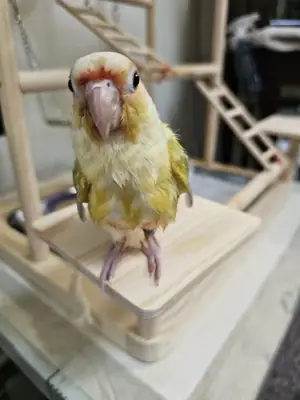
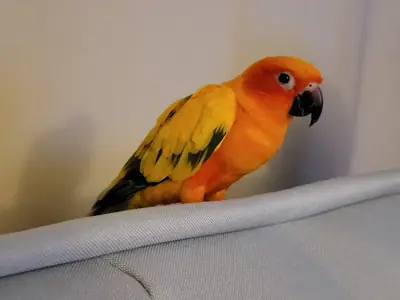
“Conure” is a bucket label in the pet trade. It can mean a relatively apartment-tolerant green-cheeked conure (Pyrrhura molinae) or a sun conure (Aratinga solstitialis) whose contact calls stress-test drywall. This guide matches the depth of our Amazon parrot flagship: price bands, setup + monthly tables, cage dimensions, diet percentages and vet cost anchors for the US, UK and EU—plus honest noise counselling before your landlord texts you.
Legal disclaimer: Some conure species or populations are listed under CITES; domestic import and sale rules differ by country. This page is educational—not legal advice. Verify permits and species scientific names on official paperwork.
1. What “conure” usually means in shops
Aviculturists split birds across several genera; pet listings still say “conure.” Buyers should always ask for the scientific name on the receipt.
| Common pet type | Scientific name (typical) | Size / noise | Buyer note |
|---|---|---|---|
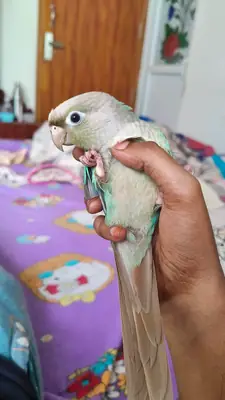
| Green-cheeked conure | Pyrrhura molinae | Smaller; moderate noise | Often recommended first “small conure”; mutations vary in price. |
| Maroon-bellied / other Pyrrhura | Pyrrhura spp. | Small–medium | Generally less ear-shattering than large Aratinga. |
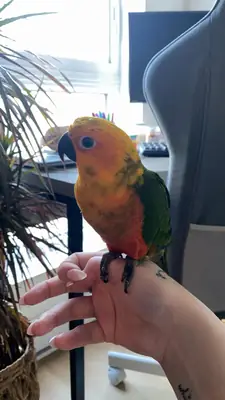
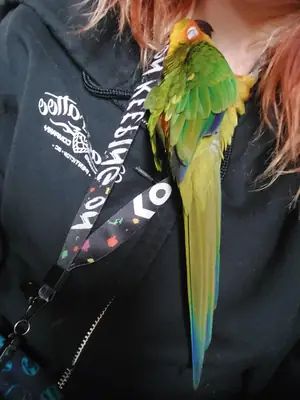
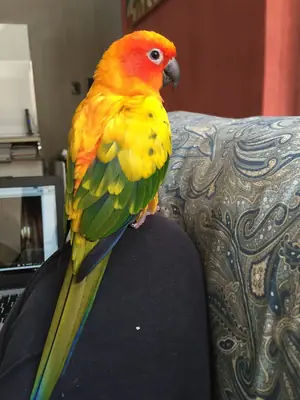
| Sun conure | Aratinga solstitialis | Medium; very loud | Apartment risk; stunning colour; long-lived. |
| Jenday / nanday / other Aratinga types | Aratinga / related | Medium–large voice | Research species-specific laws and noise tolerance. |
| Patagonian conure | Cyanoliseus patagonus | Larger, boisterous | Needs space and chew budget. |
2. CITES and paperwork (species-dependent)
Trade controls attach to species and population, not the word “conure.” Sun conure and several relatives have been subject to heightened international protection historically—always cross-check the current appendix listing on official CITES texts and your national wildlife agency. Demand: hatch documentation, closed band or microchip where standard, and disease testing history.
- Red flags: “Baby conure, no papers, cash discount.”
- Green flags: written contract, weaning diet sheet, test results, post-sale support.
3. Purchase price bands (captive-bred, 2025–2026 indicative)
Mutations (green-cheek colour morphs), hand-feeding premium and regional scarcity move quotes fast.
| Market | Green-cheek style (typical pet) | Sun / louder Aratinga types |
|---|---|---|
| United States | USD 350–900+ (mutations higher) | USD 600–2,200+ |
| United Kingdom | £250–700+ | £500–1,600+ |
| Western EU | €300–850+ | €550–1,900+ |
Rescue / rehome: donations often $100–$400 / £80–£350—budget quarantine vet workup immediately.
4. First-year setup capital (beyond the bird)
| Item | USD range | Notes |
|---|---|---|
| Flight cage (conure-appropriate) | $250–900+ | Width for wing flap; bar spacing ~1.3–1.6 cm for small species—verify against your bird’s head size. |
| Play gym + sleep cage (optional) | $80–350 | Helps apartment routines. |
| Carrier + spare | $60–180 | Emergency transport ready. |
| UV-A/UV-B system + timer | $70–220 | Follow avian vet photoperiod plan; replace bulbs on schedule. |
| Initial vet + PBFD/Chlamydia screen | $180–450 | Baseline for new arrival. |
| Toys year 1 | $150–400 | Conures shred wood and paper fast. |
5. Monthly operating budget
| Line | USD / month | Notes |
|---|---|---|
| Pellets + daily chop + limited fruit | $35–95 | Smaller body than Amazon but still needs quality; organic chop adds cost. |
| Toy replacement | $12–40 | Bored conure = noise + feather issues. |
| Treats (nuts, training) | $5–15 | Count toward daily calories. |
| Insurance (exotic) | $18–55 | Compare deductibles. |
| Emergency fund accrual | $30–80 | Target $1,500–3,500 liquid for exotic ER. |
Annual recurring (no emergencies): many households land USD 1,100–2,600+ before big toy hauls or travel.
6. Housing: dimensions that respect flight
- Minimum mindset for a bird caged workdays: often quoted floors in the 60–80 cm wide discussion for small conures, larger for sun/Patagonian—bigger is always better if you lack daily out-of-cage hours.
- Bar spacing: too wide = escape or head trap; too narrow can damage feathers—measure against your individual.
- Placement: family room for social needs; never in isolated silent closet (screaming spikes) or kitchen fume zone.
7. Sleep, light and hormones
Conures bite, scream and pluck when sleep-deprived. Aim 10–12 hours dark, quiet, consistent schedule year-round. Cover cage or use sleep cage; white noise for city glare. UV protocols are vet-specific—avoid random mega-dosing.
8. Nutrition: pellets first, seeds as side character
| Food class | Target % (starting point) | Examples | Warnings |
|---|---|---|---|
| Pellets | 55–75% | Small parrot formulations | Gradual transition from seed-heavy weaning. |
| Vegetables / chop | 20–40% | Leafy greens, capsicum, squash | Rotate colours; wash thoroughly. |
| Fruit | ≤10% | Berries, small apple bits | Sugar → obesity in green cheeks especially. |
| Seeds / nuts | Training only | Sunflower bits, almond slivers | Hyper-caloric. |
Toxic: avocado, chocolate, caffeine, alcohol, xylitol, high-salt human snacks.
9. Bath, beak and nails
Most conures love misting or shallow dishes; regular bathing can help skin/feather quality. Provide soft wood, cardboard and vine toys for beak wear; overgrown beak needs vet diagnosis (liver disease, malocclusion), not kitchen clipping experiments.
10. Noise: the sun-conure truth sandwich
Sun conures are famous for piercing flock calls—many experienced owners say “like a smoke alarm with feathers.” Green-cheeks are often relatively quieter but still parrots: expect contact calls, not library silence. Mitigation: routine, foraging, flight exercise before quiet hours, never reward screaming with attention, and professional avian behaviour help if stuck.
11. Training and enrichment stack
- Target training, step-up reliability, “go to perch” for cage management.
- Foraging: paper wraps, cork blocks, puzzle feeders.
- Social time: 2–3+ hours human interaction baseline for many individuals.
12. Health playbook (USD ballpark)
- PBFD testing: ~$40–85
- Chlamydia (psittacosis): zoonotic—test if exposure risk; ~$45–130
- Annual wellness: $70–150 exam; bloodwork +$100–250
- Emergency visit: $200–700+ before imaging
- Obesity / hepatic issues: common on seed-heavy diets—annual weigh trend on same scale.
13. Preventive rhythm
- Annual exam minimum for healthy adults; twice-yearly if geriatric or chronic.
- Nail trims as needed; learn safe technique or use vet.
- Weight log catches illness early—conures hide symptoms until late.
14. Travel and moving
Domestic flights need airline-approved carriers booked early; international = CITES + health certs. Microchip helps if lost.
15. Seller checklist
- Hatch date, band/chip, species name on contract.
- Weaning foods and pellet brand used.
- Disease testing offered or completed.
- Written health window.
- Support channel for diet/behaviour first week.
16. Extended FAQ
Best conure for apartments?
Often green-cheek types are suggested—but individuals vary; visit adults before buying.
Sun conure in flat?
Only with exceptional soundproofing and neighbour empathy.
Lifespan?
Commonly 15–25+ years depending on species and care; plan ahead.
Pair in same cage?
Bonded pairs possible; aggression risk if strangers—expert pairing.
Wing clip?
Ethical split; if done, vet partial clip—not severe hack.
Talk?
Some individuals mimic; not guaranteed by species meme.
17. 2026 gear that pays off
- Smart plugs on lamps for reliable photoperiod.
- Wi-Fi scale logging food + bird weight weekly.
- Camera with bark/scream alert tuning (neighbour diplomacy).
18. Bottom line
Conures deliver huge personality per gram—but species choice is your volume knob. Match bird to housing and neighbours, fund vet and toy lines in the tables, and you get years of comedic loyalty; mismatch, and you get eviction notices and guilt. Choose like an adult with a spreadsheet.