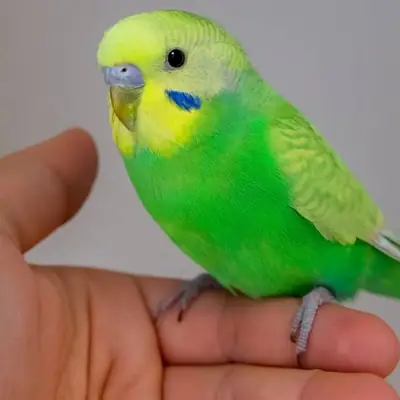
English Budgie: Characteristics, Care, Nutrition, Cage Setup, Training, Health and 2026 Guide
The English budgie (Melopsittacus undulatus) is one of the world's most popular pet bird species, native to Australia. Known for its colorful feathers, intelligent and social character, talking ability, and relatively easy care. In 2026, smart cage systems, automated feeding solutions, air quality monitoring technologies, and advanced training applications have made it possible to optimize the care of these charming birds.
1. Species Profile and Characteristics
- Scientific Name: Melopsittacus undulatus
- Origin: Australia
- Family: Parrot family (Psittacidae)
- Size: 18–20 cm length (from beak tip to tail tip)
- Weight: 30–50 grams
- Lifespan: 5–10 years (12–15 years with optimal care)
- Feather colors: Blue, green, yellow, white, gray and combinations (100+ color variations)
- Temperament: Social, intelligent, active, curious, playful
- Talking ability: High (can learn 100+ words)
- Energy level: High
- Socialization needs: Very high
2. Cage Setup and 2026 Smart Habitat Design
- Cage size: Minimum 60x40x50 cm (for 1 bird); larger cages recommended. Width more important than height (for flight).
- Bar spacing: 1–1.5 cm (to prevent escape)
- Cage shape: Rectangular or square; round cages not recommended (cause stress).
- Location: Center of family life, but away from direct sunlight and drafts; near wall (sense of security).
- Temperature: 18–24°C (optimal 20–22°C); avoid sudden temperature changes.
- Humidity: 40–60%; dry air can cause respiratory problems.
- 2026 Smart cage systems: Automatic air quality monitoring, temperature and humidity control, automatic cleaning, camera system, sound analysis.
- Perches: Natural branches of different diameters (variety); placement at different heights; prevents abrasion, supports foot health.
- Food and water dishes: Stainless steel or ceramic; clean and accessible location; daily cleaning.
- Toys: Variety of toys (bell, swing, ladder, puzzle toys); mental stimulation critical.
- Bath dish: Shallow dish for water bath; birds choose their own bath time.
- Safety: Away from toxic plants, attention to window glass, away from kitchen smoke, keep doors closed.
3. Nutrition and Detailed Feeding Plan
Budgies are seed-based feeders but variety is critical. In 2026, automated feeding systems, nutrition tracking, and personalized feeding plans ensure optimal health.
| Food Group | Daily Ratio | Sources | Special Notes |
|---|---|---|---|
| High-quality seed mixture | 60–70% | Millet, canary seed, oats, flaxseed, sunflower seeds (limited) | Basic nutrition, various seeds, fresh seeds |
| Pellets | 20–30% | Parrot pellets, vitamin-fortified pellets | Balanced nutrition, vitamin and mineral support |
| Fresh vegetables | Daily | Carrots, broccoli, spinach, corn, peas, sweet potato | Vitamin and mineral source, variety |
| Fruits | 2–3 times weekly | Apple, pear, strawberry, grape, mango (unsweetened) | Natural sugar, vitamin C, portion control |
| Protein sources | 1–2 times weekly | Boiled egg, cheese (small amount), boiled chicken (small pieces) | Protein support, especially during breeding |
| Calcium supplements | Always accessible | Cuttlebone, mineral block | Bone health, eggshell formation |
- Daily feeding: 2 teaspoons seed mixture; fresh water (daily change); vegetable and fruit additions.
- Toxic foods: Avocado, chocolate, caffeine, alcohol, salty foods, onion, garlic - never give!
- Feeder arrangement: Seed and pellet in separate feeders; special section for vegetables/fruits; easy cleaning.
- 2026 nutrition technologies: Automatic feeding devices, nutrition tracking applications, obesity prevention systems, personalized feeding plans.
4. Care and Daily Routine
- Daily tasks: Fresh water change, feeder cleaning, fresh vegetable/fruit addition, droppings check, general behavior observation.
- Weekly tasks: Cage cleaning (bedding change), perch cleaning, toy check, cage disinfection.
- Monthly tasks: Deep cleaning (cage and accessories), toy rotation, perch change, air quality check.
- Feather care: Natural feather care (bird does itself); provide bath opportunity; veterinarian check if excessive molting.
- Nail care: Natural wear (with natural perches); clipping by veterinarian if needed (carefully).
- Beak care: Natural wear (toys, cuttlebone); veterinarian check if abnormal growth.
- 2026 smart care: Automatic cleaning systems, health monitoring applications, behavior analysis, air quality reporting.
5. Training and Socialization
- Building trust: Patient approach; not forcing; slow introduction; use of rewards (millet spray).
- Hand taming: Gradual approach; first finger, then hand; reward-based training; consistency critical.
- Speech training: Repeating words/phrases; clear and slow speech; patience; reward system; daily 15–30 minute sessions.
- Toy training: Slow introduction to new toys; engaging toys; mental stimulation; play time.
- Out-of-cage time: Safe area; close windows and doors; supervised free flight; daily 2–3 hours.
- Social interaction: Daily conversation and play; playing music; inclusion in family activities; prevent loneliness.
- 2026 training technologies: AI-supported speech training applications, interactive toys, virtual reality socialization, voice recognition systems.
6. Health Monitoring and Common Health Issues
- General health signs: Active behavior, bright eyes, clean nostrils, proper feathers, good appetite, normal droppings.
- Respiratory problems: Sneezing, coughing, nasal discharge, difficulty breathing; dust, smoke, air quality control; veterinarian treatment.
- Scaly Face (Acariasis): Scaling in face area; parasite infection; requires veterinarian treatment; early diagnosis important.
- Obesity: Excessive seed consumption, insufficient exercise; portion control, pellet diet, activity increase.
- Egg binding (females): Difficulty laying eggs; calcium deficiency; urgent veterinarian intervention; prevention (calcium support).
- Diarrhea: Dietary changes, infections; dehydration risk; veterinarian check; temperature control.
- Feather plucking: Stress, boredom, insufficient socialization; environmental improvements, enrichment, veterinarian check.
- 2026 health technologies: Wearable health sensors, AI-supported disease detection, sound analysis (disease symptoms), tele-veterinary consultations.
7. Behavior and Socialization
- Social nature: Flock animal; can be kept single or paired; social interaction critical; loneliness leads to depression.
- Vocalization: Chirping, tweeting, talking; active at different times of day; communication method; excessive silence concerning.
- Play behavior: Interaction with toys, ladder climbing, swing use; necessary for mental stimulation.
- Mating behavior: Mate selection, courtship, feeding; aggression may increase during breeding period.
- Aggressive behavior: Fear, stress, hormonal changes; environmental factors; calm approach, professional help may be needed.
- Stress signs: Feather plucking, loss of appetite, excessive silence, aggression; environmental changes, routine disruptions.
8. Breeding and Hatchling Care
- Sex differentiation: Cere (above nostrils) color; males: blue/purple, females: brown/white (can change during breeding).
- Breeding conditions: Appropriate cage size, nest box, calcium support, balanced nutrition, temperature control.
- Nest box: 15x15x20 cm dimensions; soft bedding (sawdust); safe location; cleaning access.
- Egg laying: Female lays 4–8 eggs; 18 days incubation; parents turn eggs.
- Hatchling care: Parents feed; feathering in 4–5 weeks; independent eating in 6–8 weeks; out-of-cage in 8–10 weeks.
- Hatchling separation: When independent eating starts; separate cage; socialization and training; careful observation.
- 2026 breeding technologies: Temperature-controlled incubation systems, hatchling health monitoring, breeding data analysis, automatic nest control.
9. 2026 Technology Integration
- Smart cage systems: Automatic air quality monitoring, temperature/humidity control, automatic cleaning, camera system, sound analysis.
- Automatic feeding: Programmable feeding devices, portion control, nutrition tracking, water quality monitoring.
- Health monitoring: Wearable sensors, behavior tracking, early disease detection, AI-supported analysis, veterinarian integration.
- Training applications: Speech training AI applications, interactive toys, voice recognition, reward systems.
- Smart lighting: Daylight simulation, sleep cycle optimization, UV light control, programmable timing.
- Sound analysis: Chirping analysis, stress detection, disease symptoms, behavior patterns, learning tracking.
10. Frequently Asked Questions
How long do budgies live?
5–10 years with optimal care; some individuals may live 12–15 years. Proper nutrition, clean environment, social interaction and veterinarian care increase lifespan.
Can they learn to talk?
Yes, budgies are excellent talkers. They can learn 100+ words. Success with patient training, repetition and reward system.
How large cage is needed?
Minimum 60x40x50 cm (for 1 bird). Larger cages are always better. Width more important than height (for flight).
Should I keep single or paired?
Both are possible. Single bird bonds more and has higher talking potential. Paired birds are more social but may be less talkative.
What should they eat?
Seed mixture (60–70%), pellets (20–30%), fresh vegetables (daily), fruits (2–3 times weekly), calcium supplements. Variety is critical.
How much out-of-cage time?
At least 2–3 hours daily out-of-cage time recommended. Safe area, supervised free flight, social interaction should be provided.
How to differentiate sex?
Look at cere (above nostrils) color. Blue/purple in males, brown/white in females (can change during breeding).
Which toys are safe?
Natural materials, non-toxic paints, avoid small parts, variety. Bell, swing, ladder, puzzle toys recommended.
Why are they plucking feathers?
Stress, boredom, insufficient socialization, health problems. Environmental improvements, enrichment, veterinarian check may be needed.
Do they hibernate?
No, budgies do not hibernate. However, they may be less active in cold weather. Temperature control is important.
What temperature is suitable?
18–24°C (optimal 20–22°C). Sudden temperature changes should be avoided. Extra heating may be needed in cold weather.
How to train them?
Patience, consistency, reward-based training, building trust, gradual progress. Daily 15–30 minute training sessions recommended.
What is needed to get hatchlings?
Pair, appropriate cage, nest box, calcium support, balanced nutrition, temperature control, experienced keeper required.
What diseases are common?
Respiratory problems, Scaly Face, obesity, egg binding, diarrhea, feather plucking. Regular veterinarian check is important.
11. Conclusion
Budgie is a wonderful pet when proper care and suitable conditions are provided. With adequate cage space, balanced nutrition, social interaction, mental stimulation, regular maintenance and 2026 technologies, these charming birds live healthy and happy for years. An excellent choice for patient, knowledgeable and loving keepers.