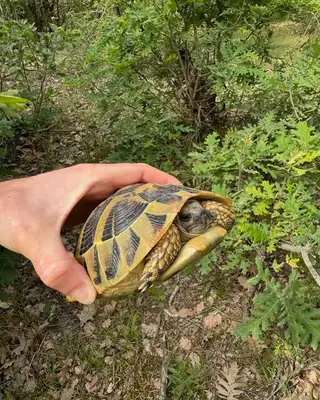
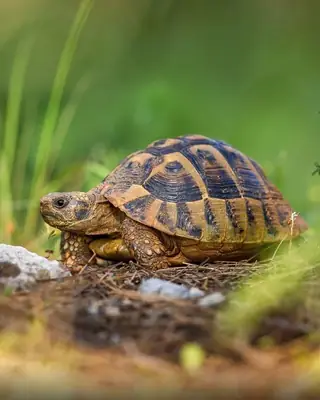
Hermann's Tortoise: Characteristics, Care, Nutrition and Health Guide
The Hermann's tortoise is a small-medium sized terrestrial tortoise species native to the Mediterranean region. Recognized for its long lifespan, hardy structure and special care requirements. This comprehensive guide provides detailed information for prospective owners about character analysis, growth charts, health risks, special care requirements, and lifestyle compatibility.
1. Species Profile and History
- Origin: Mediterranean region (Southern Europe, North Africa), natural habitats include scrublands, forests, coastal areas.
- Temperament: Calm, adaptable, curious, active, independent, environment-adaptive, long-lived, hardy.
- Activity Level: Moderate; daily activity periods, basking needs, hibernation periods.
- Distinctive Features: Hard shell, yellow-black patterned shell, small-medium size, terrestrial lifestyle, long lifespan (50-100 years).
- Size Category: Small-medium tortoise; adults 6-11 inches shell length, 2-9 lbs weight.
2. Growth and Size Development
| Age | Shell Length | Weight | Key Notes |
|---|---|---|---|
| 0-1 year | 1-2 inches (3-5 cm) | 0.4-1 oz (10-30 g) | High-quality juvenile feeding, daily feeding, rapid growth, UV light critical |
| 1-3 years | 2-4 inches (5-10 cm) | 1-5 oz (30-150 g) | Shell development distinct, regular feeding, UV light and temperature control |
| 3-5 years | 4-7 inches (10-18 cm) | 5-28 oz (150-800 g) | Adult feeding routine, habitat expansion, hibernation preparation |
| 5+ years | 6-11 inches (15-28 cm) | 2-9 lbs (1-4 kg) | Physical maturity, full size, adult care routine, long lifespan |
Special Note: Hermann's tortoises grow slowly and reach full physical maturity between 5-10 years. Shell development progresses healthily with regular UV light and calcium support. Long-lived species (50-100 years).
3. Pricing and Lifetime Costs
- Juvenile Price (US): $100 – $400 from health-certified, CITES-permitted breeders. Prices vary by region.
- Monthly Maintenance: $50 – $120 for premium food, UV lighting, heating, habitat materials, veterinary checkups.
- Initial Investments: Terrarium/habitat setup ($500 – $1,500), UV lighting system ($200), heating system ($150), substrate and decoration ($100).
- Insurance: Annual premiums $200 – $400 covering general health problems, shell problems, and emergency procedures.
- Special Health Expenses: Shell surgeries ($300 – $1,000), respiratory problems ($200 – $600), vitamin deficiency treatments ($100 – $300).
4. Nutrition and Dietary Management
Hermann's tortoises are herbivorous species. Require high-fiber, low-protein, calcium-rich diet plan.
4.1 Daily Nutritional Breakdown
| Nutrient Category | Percentage | Examples | Benefits |
|---|---|---|---|
| Leafy greens | 60-70% | Dandelion, lettuce, arugula, cabbage, spinach | Fiber, vitamins, minerals, natural feeding |
| Vegetables | 20-25% | Carrots, zucchini, cucumber, tomato, pepper | Vitamins, water content, variety |
| Fruits | 5-10% | Apple, pear, strawberry, melon, watermelon | Vitamins, antioxidants, flavor |
| Calcium supplements | 5-10% | Calcium powder, cuttlebone, eggshell | Shell health, bone development |
| Specialized supplements | 2-5% | Vitamin D3, multivitamin, probiotics | Overall health, immunity, digestion |
Feeding Schedule: One to two meals daily for adults, daily feeding for juveniles. Fresh, varied and balanced feeding important.
4.2 Species-Specific Feeding Guidelines
- Herbivorous Diet: High-fiber, low-protein diet; meat and animal proteins should be avoided.
- Calcium Support: Regular calcium supplementation critical for shell health.
- UV Light: UVB light required for D3 vitamin synthesis; basking or UV lamp essential.
- Water Consumption: Regular water access should be provided; water dish and water source important.
- Avoid: High-protein content foods, processed foods, toxic plants, excessive fruit.
5. Habitat Care and Environment Setup
Hermann's tortoises are terrestrial species with special habitat requirements. Correct temperature, humidity, UV light and space setup critical.
5.1 Habitat Requirements
- Space: Minimum 10-20 sq ft (1-2 m²) area (for adult); larger areas preferred.
- Temperature: Daytime 77-86°F (25-30°C), nighttime 64-72°F (18-22°C); heating lamp and thermostat required.
- UV Light: UVB lamp (10-12 hours/day); critical for D3 vitamin synthesis.
- Humidity: 50-70% humidity level; hygrometer and water source important.
- Substrate: Soil, sand, leaf mixture; should be suitable for digging and hiding.
- Decoration: Hiding areas, climbing rocks, water dish, basking area.
5.2 Outdoor Habitat
- Safe outdoor habitat ideal during summer months; provides basking and natural UV light.
- Secure fencing, hiding areas, water source and shade areas required.
- Hibernation area should be prepared.
6. Daily Care and Routine
Hermann's tortoises require regular care and observation. Daily routine critical for healthy living.
6.1 Daily Care Routine
- Feeding: Daily fresh food, varied and balanced diet.
- Water Check: Clean water access, water dish cleaning.
- Observation: Activity level, appetite, behavior changes check.
- Habitat Cleaning: Regular cleaning, substrate change, decoration cleaning.
- Temperature/Humidity Check: Thermostat and hygrometer check, necessary adjustments.
6.2 Weekly Care
- Deep habitat cleaning, substrate change.
- Shell check and cleaning.
- UV lamp and heating equipment check.
- General health assessment.
7. Hibernation
Hermann's tortoises are naturally hibernating species. Correct hibernation management critical for health.
- Preparation: Feeding reduced in autumn, body weight checked.
- Conditions: 41-50°F (5-10°C) temperature, dark and quiet environment, humidity control.
- Duration: 3-5 months (November-March); varies by species and region.
- Awakening: Gradual temperature increase, water access, light feeding.
- Health Check: Veterinary checkup before and after hibernation recommended.
8. Health Risks and Prevention
8.1 Common Health Problems
- Shell Problems: Soft shell, shell cracks, fungal infections; UV light and calcium deficiency can cause.
- Respiratory Problems: Colds, pneumonia; temperature and humidity control important.
- Vitamin Deficiencies: D3 vitamin deficiency, calcium deficiency; UV light and supplements critical.
- Parasites: Internal and external parasites; regular veterinary checkup important.
- Eye Problems: Eye infections, vitamin A deficiency; clean habitat and diet important.
- Kidney Problems: Kidney stones, kidney failure; water consumption and diet critical.
- Obesity: Overfeeding, low activity; portion control and exercise important.
8.2 Veterinary Care Schedule
- Juvenile Stage: Initial examination, parasite control, general health assessment.
- Annual Checkups: Comprehensive physical exam, shell check, blood profile, parasite control.
- Pre-Hibernation: Health check, weight measurement, hibernation preparation assessment.
- Specialized Testing: Blood tests, X-ray, shell analysis, parasite tests.
- Emergency Signs: Loss of appetite, activity loss, shell problems, breathing difficulties require immediate intervention.
9. Lifestyle and Environmental Compatibility
- Home Living: Terrarium/habitat setup required; suitable for apartment living, but space requirements important.
- Family Life: Suitable for families due to calm nature; compatible with children, but requires delicate care.
- Other Animals: Generally kept alone; can be compatible with other tortoises (if sufficient space).
- Alone Time: High tolerance; can be alone when daily care routine provided.
- Climate Sensitivity: Suited for Mediterranean climate; temperature and humidity control critical.
- Outdoor Access: Safe outdoor habitat ideal during summer months; provides basking and natural UV light.
- Long Lifespan: Can live 50-100 years; requires long-term care commitment.
10. Frequently Asked Questions
How long do Hermann's tortoises live?
Average 50-100 years; long-lived species. Can live longer with regular care and health checkups.
Should they hibernate?
Yes, naturally hibernating species. Correct hibernation management critical for health, but veterinary checkup recommended.
Why is UV light important?
UVB light required for D3 vitamin synthesis. Critical for shell health and overall health.
How much space is needed?
Minimum 10-20 sq ft (1-2 m²) area (for adult); larger areas preferred. Outdoor habitat ideal.
What should they eat?
Herbivorous diet; leafy greens (60-70%), vegetables (20-25%), fruits (5-10%) and calcium supplements.
How to prevent shell problems?
Regular UV light, calcium supplementation, correct temperature and humidity control, balanced diet critical.
Are they good with children?
Yes, can be compatible with children due to calm nature, but requires delicate care and should be supervised.
11. Conclusion and Recommendations
The Hermann's tortoise is a distinctive species with calm nature, long lifespan, special care requirements and hardiness. With terrarium/habitat setup, regular UV light, temperature and humidity control, balanced herbivorous diet, hibernation management and preventive health approach, they can enjoy long, happy lives. This species is an excellent choice for those seeking a long-term care commitment, can meet special requirements and looking for a calm companion.