Homing Pigeon: Navigation Master, Care, Nutrition, Health and 2026 Habitat Guide
The Homing Pigeon is a pigeon breed with thousands of years of historical significance, known for its extraordinary navigation abilities and loyalty. In 2026, smart loft systems, automated feeding solutions, advanced health monitoring technologies, and GPS tracking tools have made it possible to optimize care for this magnificent bird.
1. Species Profile and Characteristics
- Weight: 300 – 600 grams (adult)
- Length: 30 – 35 cm (including tail)
- Wingspan: 60 – 70 cm
- Lifespan: 10 – 20 years (20+ years with excellent care)
- Temperament: Social, loyal, intelligent, high navigation ability, lives in flocks
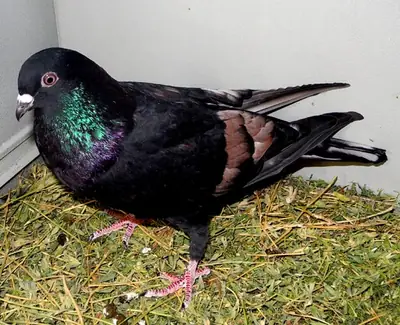
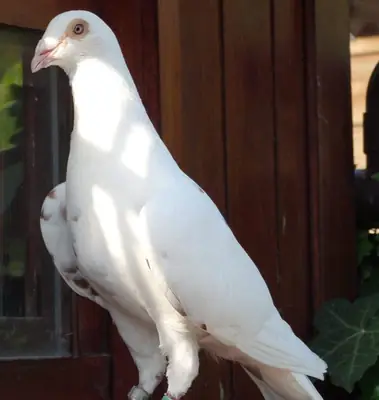
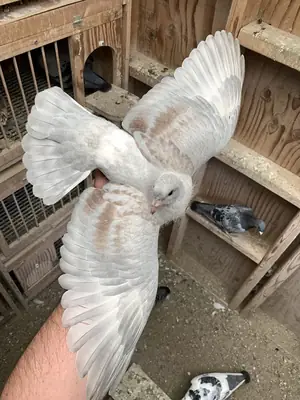
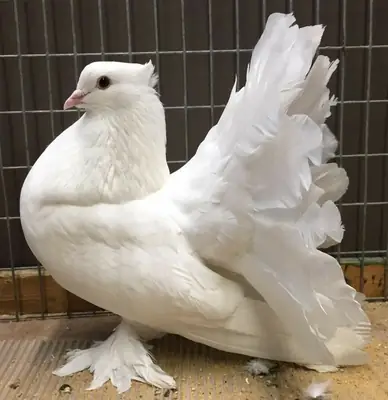
- Coat structure: Various colors and patterns; blue, black, red, white combinations
- Color variations: Very diverse; feather patterns and color combinations in wide range
- Natural habitat: Raised worldwide; domesticated species
- Special adaptations: Extraordinary navigation ability, magnetic field detection, strong flying capacity
2. Loft and 2026 Smart Loft Setup
- Minimum loft size: 200×150×200 cm (for pair); larger spaces are preferred.
- Flight area: Safe, spacious open flight area; daily free flight is essential.
- Climate control: 2026 smart sensors maintain temperature 10–25°C, humidity 40–60%.
- Ventilation: Good ventilation system; clean air circulation is important.
- Lighting: Natural sunlight; artificial lighting if needed, 12-hour daily cycle.
- Safety: Protection from predators, safe perches, sturdy structure.
- Enrichment: Multiple perches, nest boxes, bath areas, spaces for mental stimulation.
3. Nutrition and Detailed Feeding Plan
Homing Pigeons are omnivores; they should be fed high-quality grain mixes, seeds, legumes, and fresh greens. In 2026, RFID-enabled smart feeding systems provide portion control, eating habit analysis, and nutrition trend reports.
| Food Group | Daily Target | Sources and Examples | Benefits |
|---|---|---|---|
| High-quality grain mix | 40–60 grams | Corn, wheat, barley, millet, oats, sorghum | Energy, carbohydrates, base nutrition, flight endurance |
| Legumes | Daily 20–30% | Peas, lentils, beans, chickpeas | Protein, fiber, muscle development, feather health |
| Seeds | Daily 10–15% | Sunflower seeds, hemp seeds, flax seeds, sesame | Fatty acids, omega-3, vitamin E, energy |
| Fresh greens | 2–3 times per week | Spinach, lettuce, dandelion leaves, watercress | Vitamin A, K, folate, antioxidants |
| Mineral supplements | Daily | Grit (for digestion), calcium powder, mineral blocks | Digestive health, bone strength, feather quality |
| Water | 24/7 clean water | Clean, fresh water; should be changed daily | Hydration, digestion, general health |
Feeding strategy: Daily 2 times feeding (morning and evening); special high-energy mixes during racing season. Clean water must always be available. Fresh grit and mineral supplements should be continuously provided.
4. Feather Care, Cleaning and Hygiene
- Bathing: 2–3 times per week shallow water bath; critical for feather health and cleaning.
- Loft cleaning: Daily feces cleaning, weekly deep cleaning, monthly disinfection.
- Perches: Clean perches at different heights; important for foot health.
- Nest boxes: Regular cleaning and disinfection; special care during breeding season.
- Ventilation: Good air circulation; prevents dust and ammonia buildup.
- Feather check: Regular feather and skin checks; early detection of parasites and diseases.
5. Health Monitoring and Common Issues
- Weight tracking: Regular weighing; weight loss or gain is health indicator.
- Respiratory health: Sneezing, shortness of breath, nasal discharge require urgent veterinary intervention.
- Parasites: Internal and external parasites; regular treatment and prevention program.
- Infectious diseases: Paramyxovirus, salmonella; vaccination and hygiene are critical.
- Injuries: Injuries during flight; first aid knowledge is important.
- Navigation loss: Due to stress, illness, or fatigue; rest and treatment needed.
- Aging signs: After age 10+, decreased activity, flight performance decline may be normal.
- Eye problems: Redness, swelling, discharge require veterinary intervention.
6. Behavior, Training and Enrichment
- Social living: Lives in flocks; forms pairs, strong nest bond.
- Navigation training: Gradual distance increase; training starts from young age.
- Homing instinct: Natural ability; developed and strengthened through training.
- Enrichment: Wide flight area, various perches, nest boxes, bath areas.
- Flight exercise: Daily free flight; critical for physical health.
- Routine: Regular feeding and flight times; reduces stress.
7. 2026 Technology Integration
- GPS tracking systems: Flight routes, distance, speed, return time tracking.
- Smart feeding systems: RFID recognition for automatic portion control, eating habit analysis.
- Motion sensors: Activity tracking, flight duration measurement, health trends.
- Air quality monitors: Real-time monitoring of PM2.5, humidity, temperature, ammonia levels.
- Smart cameras: Behavior analysis, predator detection, remote monitoring.
- Mobile app integration: Remote monitoring, alarms, trend analysis, racing tracking.
8. Breeding and Squab Care (Informational)
- Homing Pigeons reach sexual maturity at 6–8 months.
- Breeding season usually spring-summer months; controlled breeding program.
- Incubation period 17–19 days; usually 2 eggs.
- Squabs become independent at 25–30 days; parental care is critical.
- During breeding, avoid stress, provide adequate nest area and feeding.
9. Racing and Training
- Racing training: Gradual distance increase, starting from young age, regular practice.
- Distance training: Starting from short distances, gradual increase; from 100 km to 1000+ km.
- Return time: Speed and endurance training; performance tracking.
- Health check: Veterinary check before and after racing is important.
- Nutrition program: Special high-energy diet during racing season; carbohydrate increase.
- Rest: Adequate rest between races; avoid excessive fatigue.
10. Frequently Asked Questions
How long do Homing Pigeons live?
They can live 10–20 years with good care; some may reach 20+ years.
How do their navigation abilities work?
They use magnetic field detection, sun position, smell, and visual memories; it is a natural ability.
How far can they fly?
Trained pigeons can reach distances of 1000+ km; average racing distance is 100–800 km.
Should they be kept alone or in pairs?
Usually kept in pairs or small flocks; they are social animals.
What should they eat?
High-quality grain mixes, legumes, seeds; balanced nutrition is important.
How often should they fly?
Daily free flight recommended; regular training flights during racing season.
What diseases are common?
Paramyxovirus, salmonella, parasites; regular vaccination and hygiene are critical.
How are they trained for racing?
Gradual distance increase, starting from young age, regular practice and health checks are important.
How large should the loft be?
Minimum 200×150×200 cm (for pair); larger spaces are always better.
How often is veterinary check needed?
At least 2 times per year general check; urgent intervention needed for weight loss, loss of appetite, flight performance decline.
11. Conclusion
Homing Pigeon is a unique pet with extraordinary navigation abilities, loyalty, and historical significance. With proper loft conditions, balanced nutrition, regular health monitoring, navigation training, flight exercise, and 2026 technologies, it lives a healthy, happy, and long life. Adopting this species is an ideal choice for experienced owners who combine traditional hobby with modern technology.
Latest comments for this breed (1)