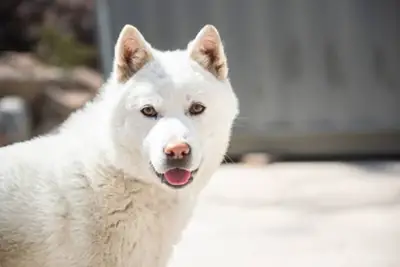
Jeju Dog: Characteristics, Care, Nutrition and Health Guide
The Jeju Dog is a distinctive dog breed recognized for its strong structure, protective character and loyal nature. This comprehensive guide provides detailed information for prospective owners about character analysis, growth charts, health risks, special care requirements, and lifestyle compatibility. Everything about the Jeju Dog breed is here.
1. Jeju Dog Breed Profile and History
- Origin: South Korea (Jeju Island), distinctive dog breed, strong structure, protective character, loyal nature.
- Temperament: Protective, loyal, brave, independent, adaptable, social, very high family loyalty, child-friendly, cautious with strangers.
- Energy Level: Medium-high; requires daily regular activity, suitable for active lifestyle.
- Distinctive Features: Strong structure, medium-large size, short coat, protective appearance, natural protection characteristics.
- Size Category: Medium-large dog; males 40-55 lbs (18-25 kg), females 33-49 lbs (15-22 kg) weight, 19-22 inches (48-55 cm) height.
The Jeju Dog is a strong and protective dog breed of Jeju Island, South Korea origin. Known for its strong structure and protective character, the Jeju Dog stands out with its very high family loyalty and cautious nature with strangers. The Jeju Dog breed is popular both as a guard and companion dog.
2. Jeju Dog Growth and Weight Development
| Age | Male Weight | Female Weight | Key Notes |
|---|---|---|---|
| 8-12 weeks | 6.6-11 lbs (3-5 kg) | 5.5-9.9 lbs (2.5-4.5 kg) | Premium puppy formula, 4-5 meals daily, rapid growth, bone development critical, Jeju Dog puppy care |
| 6 months | 22-33 lbs (10-15 kg) | 18-29 lbs (8-13 kg) | Growth accelerating, socialization critical, play activities begin, Jeju Dog youth period |
| 12 months | 33-49 lbs (15-22 kg) | 26-42 lbs (12-19 kg) | Transition to adult food, approaching full size, adult care routine, Jeju Dog adult period |
| 18+ months | 40-55 lbs (18-25 kg) | 33-49 lbs (15-22 kg) | Physical maturity, full size, adult care routine, Jeju Dog mature period |
Special Note: Jeju Dog dogs grow rapidly and reach full physical maturity between 18-24 months. As a medium-large breed, controlled growth and regular feeding are very important. The Jeju Dog breed requires adequate nutrition and activity due to strong structure.
3. Jeju Dog Pricing and Lifetime Costs
- Puppy Price (US): $800 – $2,000 from health-tested parents. Prices vary by region. Jeju Dog prices.
- Monthly Maintenance: $120 – $200 for premium food, coat grooming, veterinary checkups, toys, accessories. Jeju Dog maintenance cost.
- Initial Investments: Coat care kit ($75), play set ($150), health examination ($150), dog equipment ($200). Jeju Dog investments.
- Insurance: Annual premiums $300 – $600 covering general health problems, hip dysplasia and emergency procedures. Jeju Dog insurance.
- Special Health Expenses: Hip dysplasia ($500 – $1,000), eye problems ($200 – $400), skin problems ($150 – $300). Jeju Dog health expenses.
4. Jeju Dog Nutrition and Dietary Management
Jeju Dog dogs require a special diet plan as a medium-large breed with strong structure. High protein and balanced nutrition needs due to natural dog characteristics. Jeju Dog nutrition is of critical importance.
4.1 Daily Nutritional Breakdown
| Nutrient Category | Percentage | Examples | Benefits |
|---|---|---|---|
| High-quality protein | 25-30% | Chicken, turkey, fish, lamb, beef | Muscle development, energy, dog health, Jeju Dog muscle structure |
| Healthy fats | 15-20% | Fish oil, chicken fat, omega-3, omega-6 | Energy, skin health, coat quality, overall health, Jeju Dog coat care |
| Complex carbohydrates | 40-50% | Brown rice, oats, sweet potato | Energy, digestive health, Jeju Dog energy needs |
| Fiber and vegetables | 5-10% | Carrots, zucchini, green beans, broccoli | Gut health, vitamin support, digestion, Jeju Dog health |
| Specialized supplements | 3-5% | Glucosamine, chondroitin, omega-3, antioxidants | Joint health, heart health, overall health, Jeju Dog performance |
Feeding Schedule: Two meals daily for adults, 4-5 meals for puppies. Portion control and regular feeding important as a medium-large breed. Jeju Dog feeding program.
4.2 Breed-Specific Feeding Guidelines
- High Protein Needs: High protein requirements due to natural dog characteristics; critical for muscle development and energy. Jeju Dog protein needs.
- Joint Health: Joint health supplements important as a medium-large breed; glucosamine and chondroitin recommended. Jeju Dog joint health.
- Water Consumption: Adequate water consumption should be ensured; especially critical during active periods. Jeju Dog water needs.
- Obesity Control: Obesity risk as a medium-large breed; portion control and regular activity important. Jeju Dog obesity control.
- Senior Period: Special diet plan may be needed in senior period; special supplements recommended for joint health. Jeju Dog senior nutrition.
- Avoid: Overfeeding, low-quality protein, excessive sugar, irregular feeding, insufficient exercise. Jeju Dog feeding mistakes.
5. Jeju Dog Coat Care and Grooming
The Jeju Dog's short and dense coat structure requires regular care. Regular brushing important due to coat structure. Jeju Dog coat care guide.
5.1 Daily and Weekly Care Routine
- Brushing: 2-3 times weekly brushing; matting rare due to short coat structure but regular brushing important. Jeju Dog brushing.
- Bathing: Every 6-8 weeks or as needed; regular bathing not needed due to short coat structure. Jeju Dog bathing routine.
- Ear Care: 1-2 times weekly inspection and cleaning; important due to ear problem risk. Jeju Dog ear care.
- Eye Care: 1-2 times weekly eye area cleaning; important for general health. Jeju Dog eye care.
- Nail Trimming: Every 2-3 weeks; regular trimming important as a medium-large breed. Jeju Dog nail care.
- Dental Care: 2-3 times weekly tooth brushing; critical to prevent dental problems. Jeju Dog dental care.
5.2 Professional Grooming
- Professional care rarely needed due to short coat structure; however 1-2 times yearly check recommended. Jeju Dog professional care.
- Shedding moderate level; seasonal shedding periods may see increase. Jeju Dog shedding.
- Dental cleaning should be done regularly; important as a medium-large breed. Jeju Dog dental health.
- Coat care easy; minimal care required due to short coat structure. Jeju Dog coat care ease.
- Special shampoo and care products can be used due to short coat structure. Jeju Dog coat care products.
6. Jeju Dog Exercise and Activity Requirements
Jeju Dog dogs have a medium-high energy level. Requires daily regular activity due to natural dog characteristics. Jeju Dog exercise guide.
6.1 Daily Activity Requirements
- Physical Activity: Minimum 60-90 minutes of daily activity; walking, running, play activities ideal activities. Jeju Dog exercise needs.
- Mental Stimulation: 30-45 minutes of daily mental activity; puzzle toys, interactive toys, training activities. Jeju Dog mental activity.
- Puppy Stage: Short and controlled activity; excessive activity can harm puppy health. Jeju Dog puppy exercise.
- Adult Stage: Regular activity sessions, walking activities, play activities recommended. Jeju Dog adult exercise.
6.2 Recommended Activities
- Walking: Daily long walks, nature walks, park walks ideal. Jeju Dog walking activities.
- Running: Daily running activities, long distance runs, speed runs support natural behaviors. Jeju Dog running activities.
- Playing: Ball games, tug games, guard games are fun activities. Jeju Dog playing activities.
- Outdoor: Safe outdoor access (garden, park, dog park) ideal. Jeju Dog outdoor needs.
7. Jeju Dog Training and Socialization
Jeju Dog dogs are intelligent and trainable. Early socialization and consistent training essential. Requires special training approach due to natural dog characteristics. Jeju Dog training.
- Early Socialization: Critical period between 2-12 weeks; expose to various people, animals, sounds and environments. Jeju Dog socialization.
- Training Approach: Positive reinforcement, patient and consistent commands; eager to learn due to intelligent nature. Jeju Dog training method.
- Basic Commands: Come, sit, stay, no, stop; effective in 20-30 minute daily sessions. Jeju Dog basic commands.
- Protection Instincts: Early training and control important due to strong protection instincts. Jeju Dog protection instincts.
- Child Interaction: Compatible with children; ideal for children due to family loyalty. Jeju Dog child compatibility.
- With Strangers: Cautious with strangers; early socialization and training important. Jeju Dog stranger compatibility.
8. Jeju Dog Health Risks and Prevention
8.1 Genetic and Common Health Conditions
- Hip Dysplasia: Hip dysplasia, hip problems; risk as a medium-large breed, regular examination important. Jeju Dog hip health.
- Eye Problems: Eye diseases, eye problems; regular eye examination important. Jeju Dog eye health.
- Skin Problems: Allergies, skin infections; regular coat care important. Jeju Dog skin health.
- Obesity: Risk due to insufficient activity; portion control and regular activity important. Jeju Dog obesity risk.
- Joint Problems: Joint diseases, joint problems; important as a medium-large breed. Jeju Dog joint health.
- Ear Problems: Ear infections; regular ear cleaning important. Jeju Dog ear health.
- Dental Problems: Gum diseases, tartar; regular tooth brushing critical. Jeju Dog dental health.
8.2 Veterinary Care Schedule
- Puppy Stage: Vaccination protocol (DHPP, rabies), parasite control, general health check. Jeju Dog puppy health.
- Annual Checkups: Comprehensive physical exam, blood profile, hip examination, eye check, joint check. Jeju Dog annual checkup.
- Specialized Testing: Hip X-ray, eye examination, joint examination, general health test. Jeju Dog health tests.
- Emergency Signs: Injuries, breathing difficulties, appetite loss, walking difficulties require immediate intervention. Jeju Dog emergencies.
9. Jeju Dog Lifestyle and Environmental Compatibility
- Home Living: Requires spacious area; may be suitable for apartment living but house with garden ideal. Jeju Dog home living.
- Family Life: Very compatible with family life; ideal for families with children due to family loyalty. Jeju Dog family compatibility.
- Other Animals: Adapts with other dogs through early socialization; caution needed due to protection instincts. Jeju Dog animal compatibility.
- Alone Time: Medium tolerance; can be alone all day but requires regular attention due to family loyalty. Jeju Dog alone time.
- Climate Sensitivity: Adaptable to most climates; can adapt to hot and cold climates. Jeju Dog climate compatibility.
- Outdoor Access: Safe outdoor access (garden, park, dog park) ideal and recommended. Jeju Dog outdoor needs.
- Sound: Medium sound level; may make alert sounds due to protection instincts. Jeju Dog sound level.
10. Frequently Asked Questions About Jeju Dog
What is a Jeju Dog?
The Jeju Dog is a distinctive dog breed recognized for its strong structure, protective character and loyal nature. The Jeju Dog breed is popular both as a guard and companion dog.
How big do Jeju Dog dogs get?
Jeju Dog dogs are in the medium-large breed category. Males 40-55 lbs (18-25 kg), females 33-49 lbs (15-22 kg) weight, 19-22 inches (48-55 cm) height. Jeju Dog size reaches full physical maturity between 18-24 months.
How much exercise do Jeju Dog dogs need?
Jeju Dog dogs have a medium-high energy level. Requires minimum 60-90 minutes of daily activity. Regular activity needs due to natural dog characteristics. Jeju Dog exercise requirements.
Are Jeju Dog dogs trainable?
Yes, Jeju Dog dogs are trainable due to intelligent nature. They are eager to learn and good results are achieved with positive reinforcement. Early socialization critical. Jeju Dog training method.
Are Jeju Dog dogs good with children?
Yes, Jeju Dog dogs are compatible with children; ideal for children due to family loyalty. Early socialization important. Jeju Dog child compatibility.
How long do Jeju Dog dogs live?
Average 12-15 years; normal lifespan as a medium-large breed. Can live longer with regular care and health checkups. Jeju Dog lifespan.
Is Jeju Dog coat care difficult?
No, brushing 2-3 times weekly sufficient due to short coat structure. Regular care easy. Jeju Dog coat care.
11. Jeju Dog: Conclusion and Recommendations
The Jeju Dog is a distinctive breed with strong structure, protective character, loyal nature, intelligent personality, coat structure and very high family loyalty. House with garden ideal, very suitable for families with children, medium-high energy level and bred as a natural dog. With regular coat care, balanced nutrition, regular activity, safe outdoor access, early socialization and preventive health approach, they can enjoy long, happy lives. This breed is an excellent choice for those seeking a strong, protective and loyal dog. The Jeju Dog breed is an excellent choice both as a guard and companion dog.