Homepage Blogs Corporate registration
LaPerm

Laperm Cat: Characteristics, Care, Nutrition and Health Guide

Laperm Cat: Characteristics, Care, Nutrition and Health Guide

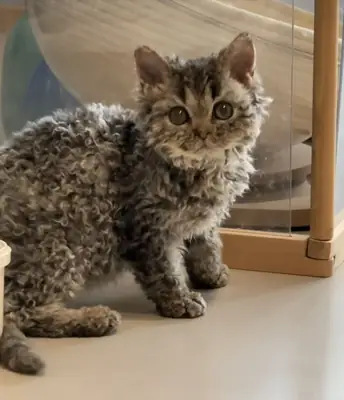
The Laperm is a distinctive cat breed recognized for its curly coat structure, affectionate character and adaptable nature. This comprehensive guide provides detailed information for prospective owners about character analysis, growth charts, health risks, special care requirements, and lifestyle compatibility. Everything about the Laperm breed is here.

1. Laperm Breed Profile and History

  • Origin: United States, distinctive cat breed, curly coat, affectionate character, adaptable nature.
  • Temperament: Affectionate, adaptable, curious, social, intelligent, playful, high family loyalty, child-friendly, adaptable with strangers.
  • Energy Level: Medium; requires daily regular activity, suitable for balanced lifestyle.
  • Distinctive Features: Curly coat structure, medium size, soft coat, adorable appearance, natural cat characteristics.
  • Size Category: Medium cat; males 6.6-11 lbs (3-5 kg), females 5.5-8.8 lbs (2.5-4 kg) weight, 8-10 inches (20-25 cm) height.

The Laperm is a curly-coated and affectionate cat breed of United States origin. Known for its curly coat structure and affectionate character, the Laperm stands out with its high family loyalty and adaptable nature. The Laperm breed is popular both as a house and companion cat.

2. Laperm Growth and Weight Development

Age Male Weight Female Weight Key Notes
8-12 weeks 1.8-2.6 lbs (0.8-1.2 kg) 1.5-2.4 lbs (0.7-1.1 kg) Premium kitten formula, 4-5 meals daily, rapid growth, bone development critical, Laperm kitten care
6 months 4.4-6.6 lbs (2-3 kg) 4-5.5 lbs (1.8-2.5 kg) Growth accelerating, socialization critical, play activities begin, Laperm youth period
12 months 5.5-9.9 lbs (2.5-4.5 kg) 4.4-7.7 lbs (2-3.5 kg) Transition to adult food, approaching full size, adult care routine, Laperm adult period
18+ months 6.6-11 lbs (3-5 kg) 5.5-8.8 lbs (2.5-4 kg) Physical maturity, full size, adult care routine, Laperm mature period

Special Note: Laperm cats grow rapidly and reach full physical maturity between 12-18 months. As a medium breed, controlled growth and regular feeding are very important. The Laperm breed requires adequate nutrition and activity due to curly coat structure.

3. Laperm Pricing and Lifetime Costs

  • Kitten Price (US): $500 – $1,200 from health-tested parents. Prices vary by region. Laperm prices.
  • Monthly Maintenance: $80 – $150 for premium food, coat grooming, veterinary checkups, toys, accessories. Laperm maintenance cost.
  • Initial Investments: Coat care kit ($60), play set ($100), health examination ($100), cat equipment ($150). Laperm investments.
  • Insurance: Annual premiums $200 – $400 covering general health problems, kidney problems and emergency procedures. Laperm insurance.
  • Special Health Expenses: Kidney problems ($200 – $400), dental problems ($150 – $300), skin problems ($100 – $200). Laperm health expenses.

4. Laperm Nutrition and Dietary Management

Laperm cats require a special diet plan as a medium breed with curly coat structure. High protein and balanced nutrition needs due to natural cat characteristics. Laperm nutrition is of critical importance.

4.1 Daily Nutritional Breakdown

Nutrient Category Percentage Examples Benefits
High-quality protein 30-35% Chicken, turkey, fish, lamb, beef Muscle development, energy, cat health, Laperm muscle structure
Healthy fats 15-20% Fish oil, chicken fat, omega-3, omega-6 Energy, skin health, coat quality, overall health, Laperm coat care
Complex carbohydrates 30-40% Brown rice, oats, sweet potato Energy, digestive health, Laperm energy needs
Fiber and vegetables 5-10% Carrots, zucchini, green beans, broccoli Gut health, vitamin support, digestion, Laperm health
Specialized supplements 3-5% Taurine, omega-3, vitamin E, antioxidants Heart health, eye health, overall health, Laperm performance

Feeding Schedule: Two to three meals daily for adults, 4-5 meals for kittens. Portion control and regular feeding important as a medium breed. Laperm feeding program.

4.2 Breed-Specific Feeding Guidelines

  • High Protein Needs: High protein requirements due to natural cat characteristics; critical for muscle development and energy. Laperm protein needs.
  • Taurine Supplementation: Taurine supplementation very important for cat health; critical for heart and eye health. Laperm taurine needs.
  • Water Consumption: Adequate water consumption should be ensured; especially critical for kidney health. Laperm water needs.
  • Obesity Control: Obesity risk as a medium breed; portion control and regular activity important. Laperm obesity control.
  • Senior Period: Special diet plan may be needed in senior period; special supplements recommended for kidney health. Laperm senior nutrition.
  • Avoid: Overfeeding, low-quality protein, excessive sugar, irregular feeding, insufficient water. Laperm feeding mistakes.

5. Laperm Coat Care and Grooming

The Laperm's curly and soft coat structure requires regular care. Regular brushing important due to coat structure. Laperm coat care guide.

5.1 Daily and Weekly Care Routine

  • Brushing: 2-3 times weekly brushing; matting risk due to curly coat structure but regular brushing important. Laperm brushing.
  • Bathing: Every 4-6 weeks or as needed; regular bathing may be needed due to curly coat structure. Laperm bathing routine.
  • Ear Care: 1-2 times weekly inspection and cleaning; important due to ear problem risk. Laperm ear care.
  • Eye Care: 1-2 times weekly eye area cleaning; important for general health. Laperm eye care.
  • Nail Trimming: Every 2-3 weeks; regular trimming important as a medium breed. Laperm nail care.
  • Dental Care: 2-3 times weekly tooth brushing; critical to prevent dental problems. Laperm dental care.

5.2 Professional Grooming

  • Professional care may be needed due to curly coat structure; 2-3 times yearly check recommended. Laperm professional care.
  • Shedding low-moderate level; minimal shedding may be seen due to curly coat structure. Laperm shedding.
  • Dental cleaning should be done regularly; important as a medium breed. Laperm dental health.
  • Coat care moderate difficulty; special care required due to curly coat structure. Laperm coat care difficulty.
  • Special shampoo and care products can be used due to curly coat structure. Laperm coat care products.

6. Laperm Exercise and Activity Requirements

Laperm cats have a medium energy level. Requires daily regular activity due to natural cat characteristics. Laperm exercise guide.

6.1 Daily Activity Requirements

  • Physical Activity: Minimum 30-45 minutes of daily activity; play, climbing, interactive toys ideal activities. Laperm exercise needs.
  • Mental Stimulation: 20-30 minutes of daily mental activity; puzzle toys, interactive toys, training activities. Laperm mental activity.
  • Kitten Stage: Short and controlled activity; excessive activity can harm kitten health. Laperm kitten exercise.
  • Adult Stage: Regular activity sessions, play activities, climbing activities recommended. Laperm adult exercise.

6.2 Recommended Activities

  • Playing: Daily play activities, ball games, climbing games support natural behaviors. Laperm playing activities.
  • Climbing: Climbing towers, climbing activities, high places ideal. Laperm climbing activities.
  • Interactive Toys: Puzzle toys, interactive toys, mental activity toys are fun activities. Laperm interactive toys.
  • Indoor: Safe indoor access (climbing towers, play areas) ideal. Laperm indoor needs.

7. Laperm Training and Socialization

Laperm cats are intelligent and trainable. Early socialization and consistent training essential. Requires special training approach due to natural cat characteristics. Laperm training.

  • Early Socialization: Critical period between 2-12 weeks; expose to various people, animals, sounds and environments. Laperm socialization.
  • Training Approach: Positive reinforcement, patient and consistent commands; eager to learn due to intelligent nature. Laperm training method.
  • Basic Commands: Come, sit, stay, no, stop; effective in 15-20 minute daily sessions. Laperm basic commands.
  • Litter Training: Litter training easy due to natural cat characteristics; litter box usage should be taught. Laperm litter training.
  • Child Interaction: Compatible with children; ideal for children due to affectionate nature. Laperm child compatibility.
  • Other Animals: Adapts with other cats through early socialization; suitable due to adaptable nature. Laperm animal compatibility.

8. Laperm Health Risks and Prevention

8.1 Genetic and Common Health Conditions

  • Kidney Problems: Kidney diseases, kidney problems; common in senior period, regular kidney examination critical. Laperm kidney health.
  • Dental Problems: Gum diseases, tartar; regular tooth brushing critical. Laperm dental health.
  • Skin Problems: Allergies, skin infections; regular coat care important due to curly coat structure. Laperm skin health.
  • Obesity: Risk due to insufficient activity; portion control and regular activity important. Laperm obesity risk.
  • Eye Problems: Eye diseases, eye problems; regular eye examination important. Laperm eye health.
  • Ear Problems: Ear infections; regular ear cleaning important. Laperm ear health.
  • Heart Problems: Heart diseases, heart problems; regular heart examination important. Laperm heart health.

8.2 Veterinary Care Schedule

  • Kitten Stage: Vaccination protocol (FVRCP, rabies), parasite control, general health check. Laperm kitten health.
  • Annual Checkups: Comprehensive physical exam, blood profile, kidney examination, eye check, dental check. Laperm annual checkup.
  • Specialized Testing: Kidney function test, eye examination, dental examination, general health test. Laperm health tests.
  • Emergency Signs: Injuries, breathing difficulties, appetite loss, urination difficulties require immediate intervention. Laperm emergencies.

9. Laperm Lifestyle and Environmental Compatibility

  • Home Living: Suitable for apartment living; does not require spacious area, suitable due to adaptable nature. Laperm home living.
  • Family Life: Very compatible with family life; ideal for families with children due to affectionate nature. Laperm family compatibility.
  • Other Animals: Adapts with other cats through early socialization; suitable due to adaptable nature. Laperm animal compatibility.
  • Alone Time: Medium tolerance; can be alone all day but requires regular attention due to affectionate nature. Laperm alone time.
  • Climate Sensitivity: Adaptable to most climates; can adapt to hot and cold climates. Laperm climate compatibility.
  • Indoor Access: Safe indoor access (climbing towers, play areas) ideal and recommended. Laperm indoor needs.
  • Sound: Low sound level; suitable due to quiet nature. Laperm sound level.

10. Frequently Asked Questions About Laperm

What is a Laperm cat?

The Laperm is a distinctive cat breed recognized for its curly coat structure, affectionate character and adaptable nature. The Laperm breed is popular both as a house and companion cat.

How big do Laperm cats get?

Laperm cats are in the medium breed category. Males 6.6-11 lbs (3-5 kg), females 5.5-8.8 lbs (2.5-4 kg) weight, 8-10 inches (20-25 cm) height. Laperm size reaches full physical maturity between 12-18 months.

How much exercise do Laperm cats need?

Laperm cats have a medium energy level. Requires minimum 30-45 minutes of daily activity. Regular activity needs due to natural cat characteristics. Laperm exercise requirements.

Are Laperm cats trainable?

Yes, Laperm cats are trainable due to intelligent nature. They are eager to learn and good results are achieved with positive reinforcement. Early socialization critical. Laperm training method.

Are Laperm cats good with children?

Yes, Laperm cats are compatible with children; ideal for children due to affectionate nature. Early socialization important. Laperm child compatibility.

How long do Laperm cats live?

Average 12-15 years; normal lifespan as a medium breed. Can live longer with regular care and health checkups. Laperm lifespan.

Is Laperm coat care difficult?

Moderate difficulty; brushing 2-3 times weekly needed due to curly coat structure. Regular care important. Laperm coat care.

11. Laperm: Conclusion and Recommendations

The Laperm is a distinctive breed with curly coat structure, affectionate character, adaptable nature, intelligent personality, coat structure and high family loyalty. Suitable for apartment living, very suitable for families with children, medium energy level and bred as a natural cat. With regular coat care, balanced nutrition, regular activity, safe indoor access, early socialization and preventive health approach, they can enjoy long, happy lives. This breed is an excellent choice for those seeking a curly-coated, affectionate and adaptable cat. The Laperm breed is an excellent choice both as a house and companion cat.

Latest listings in this category

Breed traits

Character & behavior

Energy level
Playfulness
Intelligence
Trainability
Protectiveness
Sociability
Can stay alone

Lifestyle fit

Apartment-friendly Yes
Good with kids Yes
Good for first-time owners Yes
Shedding
Noise level
Exercise needs

Physical & general

Life span 12–15 years
Weight 3.5–5.5 kg
Height 25–30 cm
Origin United States
Grooming effort
Nutrition sensitivity
Health risk
Heat tolerance
Cold tolerance
LaPerm

View adoption listings for this breed

Explore the latest adoption listings for this breed on Petopic.

View Listings
Share this guide
f 𝕏 in W

Questions asked by users about this breed

My LaPerm seems to have a lot of energy at night. Is there a way to manage this?

Asked by: Volkan A.

Many cats are naturally more active at night. Try engaging your LaPerm in play sessions during the day to help tire it out. Providing interactive toys can also keep it entertained.

— petopic Breed Expert

I’m considering getting a second LaPerm. How do they usually get along with other pets?

Asked by: Nour B.

LaPerms tend to be friendly and social, so they usually adapt well to other pets. However, it’s always a good idea to introduce them gradually and supervise their interactions.

— petopic Breed Expert

How often should I take my LaPerm to the vet for check-ups?

Asked by: mira d.

Annual check-ups are generally recommended for healthy adult cats. However, if your LaPerm has any health concerns, more frequent visits may be necessary.

— petopic Breed Expert

I want to get my LaPerm spayed soon. Is there anything I should know before the procedure?

Asked by: Raymond C.

Before the procedure, make sure to follow your vet's instructions regarding food and water intake. Afterward, provide a quiet space for recovery and monitor the incision site for any unusual signs.

— petopic Breed Expert

My LaPerm has been less active recently. Could it be a sign of something wrong?

Asked by: Berk G.

If your cat is less active than usual, it could be a sign of an underlying health issue. Monitor other behaviors and consult your vet if it persists.

— petopic Breed Expert

I heard that LaPerms are good at adapting to new environments. Is that true?

Asked by: Zehra E.

Absolutely! LaPerms are known for their adaptable nature, which helps them adjust well to new homes or changes in environment. Just give them time to explore and settle in.

— petopic Breed Expert

How can I help my LaPerm feel more comfortable during vet visits?

Asked by: Serdar K.

Getting your LaPerm accustomed to its carrier and handling is key. Bring along a favorite toy or blanket to provide comfort, and try to keep the experience as stress-free as possible.

— petopic Breed Expert

My LaPerm is almost a year old. When should I transition to adult cat food?

Asked by: Ranar K.

You can start transitioning to adult food around 12 months. It's important to do it gradually over a week or so to avoid any digestive issues.

— petopic Breed Expert

I have a LaPerm and I’m curious about its energy level. How much playtime does it need?

Asked by: Fahim A.

LaPerms have a medium energy level. Daily playtime is important to keep them mentally and physically stimulated, so aim for at least 15-30 minutes of interactive play each day.

— petopic Breed Expert

Is it true that LaPerms are very social? What should I expect in terms of behavior?

Asked by: Ecesu E.

Yes, LaPerms are quite social and enjoy being around people. They often follow their owners around and love to be involved in family activities, so expect a companion that wants to be part of your daily life.

— petopic Breed Expert

I noticed my LaPerm has been scratching its ears a lot. Should I be concerned about ear mites?

Asked by: marie claude t.

Frequent scratching can indicate ear mites or other issues. It’s best to have your vet check its ears to determine if treatment is necessary.

— petopic Breed Expert

My LaPerm seems to be gaining weight. How can I help it maintain a healthy diet?

Asked by: jojo v.

Make sure to feed your LaPerm high-quality cat food and monitor portion sizes. Regular playtime and activity will also help keep its weight in check.

— petopic Breed Expert

We are going on a trip soon. How can I make traveling with my LaPerm easier?

Asked by: Umut A.

Try to get your LaPerm used to its carrier ahead of time by letting it explore and relax in it. On the trip, keep its environment safe and familiar, and take breaks for food and water.

— petopic Breed Expert

My LaPerm has a curly coat, but it seems to be losing some curls. Is that normal?

Asked by: Grigori B.

It's common for a LaPerm’s coat to change as they grow. Sometimes, the coat can become less curly, especially if they're stressed or unwell. Regular vet check-ups will help ensure everything is fine.

— petopic Breed Expert

I'm thinking about getting a LaPerm kitten. How should I prepare my home?

Asked by: Esra B.

Before bringing your kitten home, make sure to cat-proof your space by removing any hazards. Set up a designated area with a litter box, food, water, and some toys to help it settle in.

— petopic Breed Expert

Our LaPerm has been sneezing a lot lately. Should I worry about this?

Asked by: ELİF Ö.

Sneezing can sometimes be normal, especially if there are allergens in the environment. However, if you notice other symptoms like lethargy or loss of appetite, it’s best to consult your vet.

— petopic Breed Expert

I heard LaPerms are great for families. What makes them so special?

Asked by: Mutlu K.

LaPerms have a wonderful temperament; they are affectionate, playful, and adaptable. Their loyalty to family members makes them excellent companions, and they often enjoy being involved in family activities.

— petopic Breed Expert

My friend has a LaPerm and mentioned she has to groom it often. Is that true?

Asked by: Kang Y.

Yes, while LaPerms have a unique curly coat that doesn't mat easily, regular grooming will help keep it healthy and looking its best. A gentle brush a few times a week should suffice.

— petopic Breed Expert

I'm considering adopting a LaPerm, but I have a toddler. Are they good with kids?

Asked by: Clara R.

Yes, LaPerms are generally very social and affectionate, making them great companions for children. Just supervise their interactions to ensure that both your child and the cat are comfortable.

— petopic Breed Expert

My LaPerm has been a bit more playful than usual lately. Should I be concerned?

Asked by: Sahra M.

Most of the time, increased playfulness is just a sign of a happy cat. Make sure it has plenty of toys and playtime. If it seems overly hyper or is acting out of character, it might be worth a vet visit.

— petopic Breed Expert

I just got a LaPerm and I'm not sure how to help it adjust to its new home. Any tips?

Asked by: Cihat Ç.

Actually, giving your LaPerm some time and space to explore is important. Create a cozy spot for it and let it come to you when it's ready. Providing toys and gentle interaction will help it feel more comfortable.

— petopic Breed Expert

I noticed my LaPerm has been drinking more water than usual. Should I take it to the vet?

Asked by: serdar ş.

Increased water intake can be a sign of health issues, so it’s wise to consult your vet if this change is significant or accompanied by other symptoms.

— petopic Breed Expert

What should I do if my LaPerm is fearful of new people?

Asked by: Muhamamj B.

It's important to introduce new people slowly and create positive associations through treats and play. Patience is key, as every cat has its own pace for warming up.

— petopic Breed Expert

My LaPerm seems to have developed a few behavioral quirks. Should I be worried about this?

Asked by: Sukran E.

Behavioral quirks can be normal as cats express their personalities. However, if the behavior is disruptive or concerning, it's worth discussing with a veterinarian.

— petopic Breed Expert

I’ve heard mixed things about LaPerms being good for first-time cat owners. What’s your take?

Asked by: Doğukan S.

LaPerms can be great for first-time owners due to their friendly and adaptable nature. Just remember to invest time in their care and socialization.

— petopic Breed Expert

My LaPerm has a very soft coat, but I'm worried it might get matted. What can I do to prevent this?

Asked by: Dihia B.

Regular brushing is key to preventing mats in a LaPerm's coat. Aim for at least once a week, and consider using a comb designed for curly hair to keep it tangle-free.

— petopic Breed Expert

I want to spay my LaPerm but am unsure of the best time to do it. Any suggestions?

Asked by: Özlem Ö.

Most vets recommend spaying around six months of age, but it's best to consult your veterinarian for advice tailored to your cat's specific health and development.

— petopic Breed Expert

Is it safe to let my LaPerm outdoors, or should I keep it indoors?

Asked by: Özer B.

While LaPerms can enjoy the outdoors, it's generally safer to keep them indoors to protect them from potential dangers. If you want to let them outside, consider supervised time in a secure area.

— petopic Breed Expert

Our LaPerm is getting older and seems less active. Should I be concerned about its health?

Asked by: jack g.

As cats age, they naturally slow down. However, if you notice significant changes in behavior or appetite, it’s best to consult with your veterinarian.

— petopic Breed Expert

I've read that LaPerms are very social. How can I ensure my cat stays well-socialized?

Asked by: elon c.

To keep your LaPerm socialized, expose it to different people and environments regularly. Playdates with other pets can also be beneficial.

— petopic Breed Expert

My LaPerm loves to climb on furniture. Is this normal behavior?

Asked by: Kübra D.

Certainly! LaPerms are playful and curious, so climbing is part of their nature. Providing cat trees or shelves can help redirect that energy positively.

— petopic Breed Expert

Our LaPerm has been scratching its ears a lot. Should I be worried?

Asked by: Ping X.

Scratching can indicate ear mites or an infection. It's a good idea to have a vet check your LaPerm's ears to ensure everything is okay.

— petopic Breed Expert

I heard LaPerms are good for people with allergies. Is that true?

Asked by: Wendy S.

Yes, LaPerms are known to produce less dander, which can make them more suitable for allergy sufferers. However, individual reactions can vary, so it's best to spend some time with the breed before deciding.

— petopic Breed Expert

My LaPerm is almost a year old, and I want to know when to switch to adult food. Any advice?

Asked by: Ricardo S.

Typically, you can transition to adult food when your LaPerm reaches about 12 months. Look for high-quality adult cat food and gradually mix it with the kitten food over a week.

— petopic Breed Expert

We're planning a road trip with our LaPerm. Any tips for traveling with a cat?

Asked by: Leofric B.

Traveling can be stressful for cats. Make sure to use a comfortable carrier, take breaks, and have familiar items like blankets and toys with you to help your LaPerm feel secure.

— petopic Breed Expert

I've noticed my LaPerm has been more vocal lately. Is this something I should be concerned about?

Asked by: Nathaly Y.

LaPerms are generally known to be chatty, but if the vocalization has increased suddenly, it might be worth checking if there are any changes in its environment or health.

— petopic Breed Expert

Is it true that LaPerms require special grooming due to their curly fur?

Asked by: Mustafa K.

Yes, their curls can get tangled, so regular grooming is important. Brush your LaPerm a few times a week to keep its coat healthy and to prevent mats.

— petopic Breed Expert

My LaPerm seems to have a sensitive stomach. What type of food should I consider?

Asked by: Aleyna T.

Some LaPerms can be picky eaters, so try high-quality, grain-free food that suits its needs. If the sensitivity persists, consult your vet for specific dietary advice.

— petopic Breed Expert

We've just adopted a LaPerm kitten, and it's very shy. How can we help it adjust?

Asked by: Didier P.

It's common for kittens to be shy initially. Create a safe space for your LaPerm, with cozy spots to hide and observe. Gradually introduce it to the household and be patient as it gets comfortable.

— petopic Breed Expert

My friend has a LaPerm, and they've mentioned it can be a bit high-energy. Is that typical for this breed?

Asked by: Cafer H.

Absolutely, LaPerms are quite playful and curious. Regular playtime is essential to keep them engaged and happy, so providing toys and interactive games will help.

— petopic Breed Expert

I'm thinking about getting a LaPerm. Are they good with kids?

Asked by: Micheline L.

Yes, LaPerms are known for their affectionate and playful nature, making them great companions for children. Just ensure that interactions are supervised, especially with younger kids.

— petopic Breed Expert

I have a LaPerm and I've noticed it shedding a lot recently. Is this normal?

Asked by: María A.

Actually, LaPerms tend to have less shedding than other breeds, but seasonal changes can cause some increase. Make sure to brush your cat regularly and check for any underlying health issues.

— petopic Breed Expert