Leonberger: Complete Guide to Traits, Care, Nutrition and Health
The Leonberger is a very large dog breed originating from Germany. With its lion-like appearance, gentle giant personality, and loving nature toward families, it is one of the most impressive dog breeds in the world. This comprehensive guide provides all essential information for prospective and current Leonberger owners.
1. Breed Profile and Physical Characteristics
- Origin: Germany; developed in the city of Leonberg in the 19th century, created through crossing Newfoundland, Saint Bernard, and Great Pyrenees.
- Temperament: Gentle giant, patient, loyal, intelligent, calm, family-friendly, good with children, compatible with other pets, friendly toward strangers but supervised interaction needed with small children due to large size.
- Energy Level: Moderate; requires daily exercise but not super intense, consistent activity is important.
- Lifespan: Average 7-9 years, can live 10 years or a bit more with excellent care, rarely can live up to 13 years.
2. Size, Weight and Physical Features
| Feature | Value | Description |
|---|---|---|
| Male Weight | 54-66 kg (120-145 lbs) | Average for adult male individuals |
| Female Weight | 45-61 kg (100-135 lbs) | Average for adult female individuals |
| Male Height | 71-80 cm (28-31.5 inches) | Shoulder height |
| Female Height | 65-75 cm (25.5-30 inches) | Shoulder height |
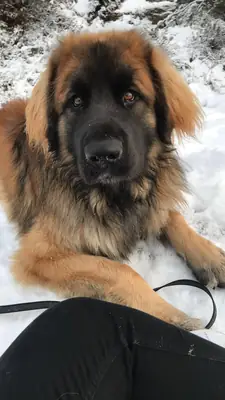
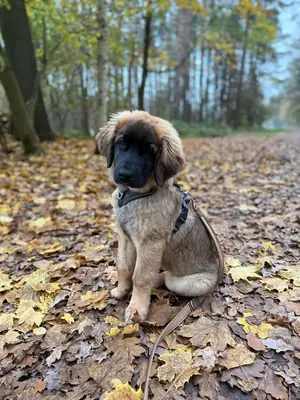
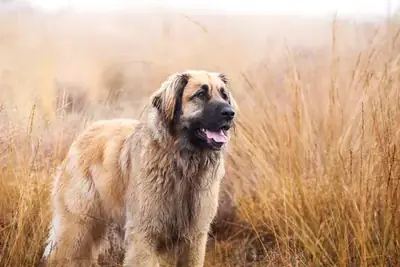
| Body Structure | Very large, powerful, muscular, lion-like appearance | |
| Head | Strong, prominent wrinkles, dark mask (facial mask) | |
| Male Mane | Full lion-like mane (throat and chest area) | |
| Coat Structure | Thick double coat, long, water-resistant, feathered on legs, tail, and throat | |
Coat Colors: Colors ranging from lion-yellow to red brown, commonly with distinctive dark mask (facial mask).
3. Pricing and Lifetime Costs
- Puppy Price (US): $1,500 – $5,000 from registered, health-screened, genetic-tested, show-quality breeders. Europe: €1,200 – €4,500; other regions vary.
- Monthly Care Costs: $280 – $450 for large breed quality dog food, veterinary care, coat care products, toys.
- First Year Investments: Equipment (large bed, strong collar and leash, toys) ($570-680), initial veterinary checkups and vaccinations ($450-570), spay/neuter ($570-900), coat care equipment ($230-280).
- Annual Health Expenses: $900 – $2,300/year (routine checkups, joint monitoring, heart monitoring, preparation for potential health issues).
4. Nutrition Strategy and Diet Planning
Since Leonberger is a giant breed dog, it has special nutritional requirements. Large breed puppy foods and adult foods should be used. Due to GDV (bloat) risk, free-feeding should not be done and exercise should not be done before or after meals.
4.1 Daily Nutrient Distribution
| Nutrient Group | Amount/Percentage | Quality Sources | Important Notes |
|---|---|---|---|
| Protein | 22-26% (calories) | Chicken, turkey, fish, eggs, quality animal sources | Required for muscle health and growth |
| Fat | 12-16% (calories) | Fish oil, chicken fat, vegetable oils | Energy source, omega-3 fatty acids (for joint health) |
| Calcium/Phosphorus | Controlled ratio | Especially important in puppy stage | Giant breed puppy foods have low calcium/phosphorus ratio, prevents rapid growth |
| Carbohydrates | 40-50% (calories) | Oats, rice, sweet potato, vegetables | Fiber source, low glycemic index preferred |
| Calorie Requirement | Based on activity level | Should be determined with veterinarian | 2000-2800 kcal/day for 60 kg male (average), weight control critical |
Feeding Schedule: Puppy stage: 3-4 meals daily (until 5-6 months), giant breed puppy foods. Adult stage: 2 meals daily, large breed quality food, portion control (for weight management), no free-feeding.
4.2 Special Nutrition Requirements
- Giant Breed Puppy Food: Giant breed special formula puppy foods should be used in puppy stage. Calcium and phosphorus ratios should be controlled, protein and fat levels should be appropriate. Critical to prevent rapid growth and maintain skeletal health.
- GDV (Bloat) Prevention: Very common and life-threatening condition. Free-feeding should not be done, exercise should not be done before and after meals, raised feeders may be used. Feeding 2 meals daily recommended.
- Supplements: Glucosamine and chondroitin may help joint health, especially in older dogs. Always consult with veterinarian before giving supplements.
- Weight Control: Critical across all life stages. Excess weight creates stress on joints, increases risk of heart problems and GDV.
- Avoid: Free-feeding, exercise before/after meals, overfeeding, foods toxic to dogs (chocolate, grapes, raisins, onions, garlic, xylitol).
5. Housing and Living Space
5.1 Living Space Requirements
- Spacious Living Area: Leonberger needs spacious living areas. Houses with yards are ideal, apartment living requires sufficiently large space.
- Indoor Living: Indoor dog, not suited for outdoor living. Should have access to cool areas due to thick coat structure.
- Safety: Strong fences, safe gates, appropriate housing areas due to large size.
5.2 Temperature and Environmental Conditions
- Heat Sensitivity: Sensitive to hot weather due to thick double coat structure. Not ideal in very hot climates, but can live if shade, air conditioning, and fresh water are provided.
- Cold Weather: Can adapt well to cold weather, thick coat structure provides protection.
- Ideal Temperature: Indoor temperature should be maintained between 18-22°C, access to cool areas should be provided.
6. Care and Grooming
6.1 Coat Care
- Brushing: Daily brushing required, reduces mats and loose fur. Requires intensive care due to thick double coat structure.
- Shedding: Year-round shedding occurs, very heavy shedding periods (blowing coat) twice a year (spring and fall). More frequent brushing needed during these periods.
- Bathing: Every 2-4 weeks (depending on how dirty), thorough drying critical due to thick coat structure.
- Coat Care Products: Appropriate combs, brushes, shampoos, and conditioners for long coats should be used.
6.2 Other Care Requirements
- Ear Care: Regular inspection and cleaning, feathered ears carry infection risk. Weekly check and cleaning as needed.
- Dental Care: Dental problems common in large breeds. Regular brushing and veterinary check recommended.
- Nail Care: Regular trimming (every 2-3 weeks), large paws should be trimmed carefully.
7. Activity and Exercise
Leonberger requires daily exercise but not super intense, consistent activity is important.
- Daily Walks: Long walks, 1-2 hours daily activity ideal. Excessive intense exercise should be avoided due to large size.
- Swimming: Swimming is excellent exercise for large breeds, does not put excessive pressure on joints.
- Other Activities: Cart-drawing, agility (if up for it), play activities.
- Avoid: Exercise before and after meals (GDV risk), excessive intense activity, intense exercise in hot weather.
- Mental Stimulation: Puzzle toys, training activities, social interaction important.
8. Health Management and Common Issues
8.1 Common Health Problems
- GDV (Bloat / Gastric Dilatation-Volvulus): Very common and life-threatening condition. Deep chest and large body structure increase risk. Signs: swollen abdomen, restlessness, drooling, difficulty breathing. Requires emergency veterinary intervention. Prevention: no free-feeding, no exercise before/after meals, raised feeders may be used.
- Heart Disease (Dilated Cardiomyopathy): Common in Leonbergers. Weakening and enlargement of heart muscle. Regular heart check recommended.
- Joint Problems: Hip dysplasia, elbow dysplasia, arthritis very common. Common in large/giant breeds. Weight control and joint supplements may help.
- Cancer: Particularly osteosarcoma (bone cancer) and hemangiosarcoma are leading causes of death. Early detection and treatment important.
- Leonberger Polyneuropathy: Genetic neurological condition characterized by muscle weakness, respiratory and laryngeal involvement. Genetic screening important.
- Eye Problems: Hereditary eye issues such as cataracts or PRA (progressive retinal atrophy) may occur. Regular eye check recommended.
- Obesity: Excess weight creates stress on joints, increases risk of heart problems and GDV. Weight control critical.
8.2 Lifetime Health Schedule
- Puppy Stage: First veterinary checkup, vaccination program (6-8 weeks), joint check (hip/elbow dysplasia screening), heart check, genetic screening (polyneuropathy, eye issues), early socialization.
- Adult Stage: Annual comprehensive examination, joint check (every 6 months), heart check (every 6 months), weight monitoring, GDV signs monitoring.
- Senior Stage: Exams every 6 months, extra attention to joint, heart, and cancer screening, monitoring aging signs.
8.3 Preventive Care Protocols
- Daily Check: Appetite, energy level, breathing, joint mobility, weight, GDV signs (swollen abdomen, restlessness).
- GDV Prevention: No free-feeding, 2 meals daily, no exercise before/after meals, raised feeders may be used.
- Regular Brushing: Daily brushing, mat prevention, shedding control.
- Weight Control: Regular weight monitoring, portion control, exercise balance.
- Genetic Screening: When choosing a puppy, select from responsible breeders who test for hip/elbow issues, heart disease, polyneuropathy.
9. Training and Socialization
- Early Socialization: Very important! Exposure to different people, dogs, sounds, and environments during puppy stage, fear and aggression prevention. Early training critical due to large size.
- Basic Commands: Basic commands such as sit, stay, come, no, requires patience and consistency. Good training mandatory due to large size.
- Positive Reinforcement: Reward-based training (treats, praise), Leonbergers are sensitive to harsh training methods, consistency and positive reinforcement give best results.
- Behavior: Gentle giant, patient, loyal, intelligent, calm. Generally not aggressive, family-friendly, good with children but supervised interaction needed due to large size.
10. Compatibility with Children and Other Animals
- With Children: Leonberger gets along well with children, family-friendly due to gentle giant character. However, supervised interaction needed with small children due to large size and energy. Excellent compatibility with older children.
- With Other Dogs: Can get along well with other dogs with early socialization, is a social breed.
- With Cats and Other Animals: Can be compatible with early introduction and socialization, generally gentle.
11. Frequently Asked Questions
How long do Leonbergers live?
Average 7-9 years. Can live 10 years or a bit more with excellent care, rarely can live up to 13 years.
Is care difficult?
Requires intensive care. Daily brushing required due to thick double coat structure. Year-round shedding, heavy shedding periods twice a year.
Are they good with children?
Yes, gets along well with children, family-friendly due to gentle giant character. However, supervised interaction needed with small children due to large size.
How much exercise do they need?
1-2 hours consistent daily activity ideal. Long walks, swimming activities suitable. Very intense exercise not required.
What is GDV and how to prevent it?
GDV (bloat) is a very common and life-threatening condition. Prevention: no free-feeding, 2 meals daily, no exercise before/after meals, raised feeders may be used.
What are the most common health problems?
GDV (bloat), heart disease (dilated cardiomyopathy), joint problems (hip/elbow dysplasia), cancer (osteosarcoma, hemangiosarcoma), Leonberger polyneuropathy. Regular veterinary checkups and genetic screening critical.
12. Conclusion and Recommendations
The Leonberger is an impressive pet with its lion-like appearance and gentle giant personality. With proper nutrition (giant breed special diet, GDV prevention), intensive coat care, regular exercise, weight control, regular veterinary care, and genetic screening, your Leonberger will enjoy a long, healthy, and happy life. Before adopting this breed, it is important to understand the special care requirements necessitated by its very large size (spacious living area, intensive coat care, GDV risk, joint problems, heart disease risk). Choosing a genetic-tested, health-screened puppy from a responsible breeder and preparing your home environment according to the dog's needs is critical. An ideal breed for experienced dog owners with large living spaces.