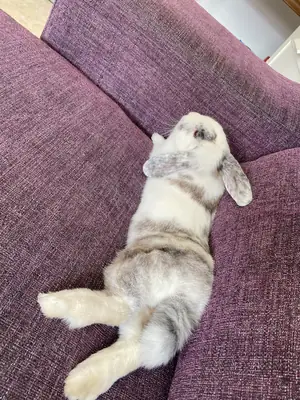
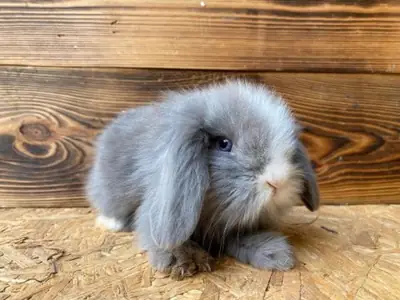
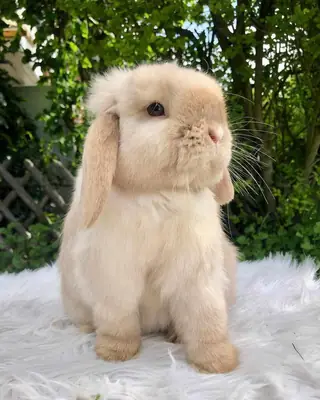
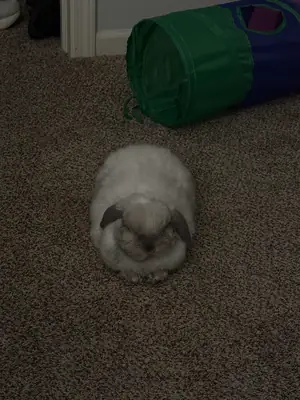
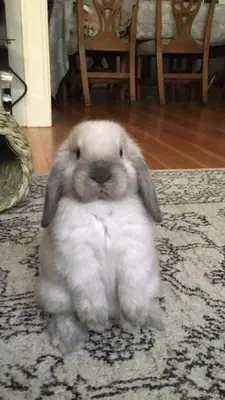
The Mini Lop rabbit, with its droopy ears, rounded body structure, and loving character, is a popular pet rabbit breed that captures hearts. These adorable and social animals can be wonderful companions for families with proper care and nutrition. This guide provides all essential information for prospective and current Mini Lop rabbit owners.
1. Breed Profile and General Characteristics
- Origin: Germany, developed in the 1970s. Derived from larger Lop breeds, became popular due to compact size.
- Temperament: Gentle, affectionate, calm, social, forms strong bonds with family members, enjoys playing and receiving attention.
- Energy Level: Moderate; enjoys playing but also prefers resting. Requires daily interaction and mental stimulation.
- Physical Characteristics: Compact, muscular, rounded body, short neck, broad droopy ears (reaching just under chin), dense medium-length fur, soft rollback texture, various color patterns.
2. Size, Weight and Growth Chart
| Age | Avg. Weight | Critical Notes |
|---|---|---|
| 2-3 months | 1.8-2.6 lbs (0.8-1.2 kg) | High-protein juvenile pellets, unlimited alfalfa hay, controlled growth |
| 6 months | 4.4-5.5 lbs (2.0-2.5 kg) | Transition to Timothy hay, transition to adult pellets begins |
| 12 months | 5.1-6.6 lbs (2.3-3.0 kg) | Reached adult weight, ideal weight around 5.5 lbs (2.5 kg) |
| 18+ months | 4.4-6.6 lbs (2.0-3.0 kg) | Physical maturity reached, maximum weight 6.6 lbs (3.0 kg) per ARBA standard |
Important Note: Ideal weight for Mini Lop rabbits is between 4.4-5.5 lbs (2.0-2.5 kg). Maximum weight per ARBA standard is 6.6 lbs (3.0 kg). Regular weight monitoring is important to prevent obesity risk.
3. Pricing and Lifetime Costs
- Kitten Price (US): $25 – $75 from registered breeders with pedigree, health screening. Europe: €30 – €80; other regions vary.
- Monthly Care Costs: $30 – $60 for quality hay, pellets, fresh vegetables, litter, toys, routine veterinary care.
- First Year Investments: Cage and accessories ($100-200), health screening package ($50-100), vaccinations and parasite control ($30-50), spaying/neutering ($150-300).
- Annual Insurance: $100 – $200/year for health insurance, emergencies, routine check-ups.
4. Nutrition Strategy and Diet Planning
Mini Lop rabbits require a specialized nutrition program due to their continuously growing teeth and sensitive digestive systems. Hay-based feeding is critical.
4.1 Daily Feeding Distribution
| Food Group | Amount | Quality Sources | Physiological Benefits |
|---|---|---|---|
| Hay (Foundation) | Unlimited | Timothy hay, meadow hay, oat hay | Digestive health, tooth wear, fiber support |
| Fresh Greens | 10% of body weight | Romaine, parsley, basil, arugula, spinach (limited) | Vitamins, minerals, water content |
| High-Quality Pellets | 2-3% of body weight | High-fiber, low-protein pellets | Nutrient supplementation, energy |
| Fruits and Treats | 5-10% of daily diet | Apple, carrot, strawberry (small portions) | Variety, reward |
| Water | Unlimited | Clean, fresh water (always accessible) | Hydration, digestion, overall health |
Feeding Schedule: Hay should always be accessible. Greens can be given twice daily, pellets 1-2 times daily. Water should be available in both bottle and bowl.
4.2 Life Stage Specific Nutrition
- Juvenile Stage (2-6 months): Unlimited alfalfa hay (high calcium), high-protein juvenile pellets, controlled greens introduction.
- Young Stage (6-12 months): Transition to Timothy hay, transition to adult pellets, increasing greens amount.
- Adult Stage (1-5 years): Unlimited Timothy hay, balanced adult pellets, variety of greens, portion control (obesity prevention).
- Senior Stage (5+ years): High-quality hay, digestibility-focused pellets, joint support, regular weight monitoring.
4.3 Feeding Tips and Warnings
- Hay Priority: Hay should constitute 80-90% of rabbit diet. Should be continuously accessible.
- Pellet Selection: High-fiber (18%+), low-protein (14-16%), low-calcium pellets preferred. Muesli-style feeds should be avoided.
- Greens Selection: Dark leafy greens preferred. High-calcium vegetables (spinach, kale) should be given in limited amounts.
- Fruits and Sugar: Only occasionally, in small portions. Can lead to obesity and digestive issues due to high sugar content.
5. Care and Environment Requirements
5.1 Housing and Cage Requirements
- Cage Size: Minimum 48x24x24 inches (120x60x60 cm). Larger cages always preferred.
- Flooring: Solid flooring preferred (wire flooring can cause foot injuries). Soft bedding (paper-based or hay) should be used.
- Bedding: Clean, dust-free bedding (paper-based, hay). Regular cleaning (2-3 times weekly) important.
- Security: Safe indoor area, predator-protected shelter for outdoor setups.
5.2 Environment and Temperature Control
- Temperature: 59-72°F (15-22°C) ideal temperature range. Above 80°F (27°C) dangerous. Cold and damp conditions also risky.
- Ventilation: Good ventilation, but avoid direct drafts.
- Sunlight: Avoid direct sunlight, provide shaded areas.
- Humidity Control: 40-60% humidity level ideal. High humidity can lead to fungal infections.
5.3 Grooming
- Brushing: 2-3 times weekly during normal periods, daily during shedding seasons. Use soft brush or special rabbit brush.
- Bathing: Generally not necessary. Rabbits groom themselves. Bathing should only be done with veterinary recommendation.
- Ear Care: Droopy ears can trap moisture and debris. Weekly ear inspection and cleaning (if needed) important.
- Nail Care: Nail trimming every 4-6 weeks to prevent overgrowth.
6. Health Management and Genetic Risks
6.1 Common Health Issues
- Ear Problems: Droopy ears can trap moisture and debris. Ear infections, ear mites, and wax buildup common. Weekly inspection and cleaning important.
- Dental Issues: High risk of malocclusion (tooth misalignment) due to continuously growing teeth and shortened skull structure. Hay, chew toys, and regular dental checks important.
- Gastrointestinal (GI) Stasis: Slowing or stopping of digestion. Can be caused by low-fiber diet, lack of exercise, stress, or dehydration. Requires emergency veterinary intervention.
- Flystrike: Dirty fur, especially around hindquarters, can attract flies. Clean housing and regular grooming important.
- Obesity: Risk due to overfeeding or lack of exercise. Can lead to joint strain, reduced grooming, and shortened lifespan.
- Parasites: Skin mites, fleas, intestinal parasites. Regular monitoring and preventive care important.
6.2 Lifetime Health Schedule
- Juvenile Stage: First veterinary check-up, vaccination program (RHDV, myxomatosis), parasite control, dental check.
- Adult Stage: Comprehensive exam twice yearly, dental check, weight monitoring, ear inspection, parasite prevention.
- Senior Stage: Exam every 3-4 months, comprehensive health assessment, joint health monitoring, vision-hearing tests.
6.3 Preventive Care Protocols
- Vaccinations: RHDV (Rabbit Hemorrhagic Disease Virus), myxomatosis vaccines. Veterinary recommendation based on local risks.
- Spaying/Neutering: Significantly reduces uterine cancer risk in females. Can be done at 4-6 months.
- Parasite Control: Regular external and internal parasite prevention, clean housing, regular monitoring.
- Dental Health: Unlimited hay, chew toys, regular dental checks, veterinary dental care if needed.
7. Lifestyle and Socialization
7.1 Social Needs
- Human Interaction: Minimum 1-2 hours daily interaction, cuddling, play time, attention.
- Bonding: Mini Lop rabbits are social animals. Can be happier with appropriate pairing (after spaying/neutering).
- Loneliness: Prolonged loneliness can lead to stress and behavioral issues. Daily interaction essential.
7.2 Mental Stimulation and Play
- Toys: Chew toys, tunnels, puzzle toys, ball toys, cardboard boxes.
- Exploration Time: Safe, supervised open area exploration (indoor or safe outdoor).
- Training: Litter training, basic commands, tricks can be taught. Use positive reinforcement.
- Mental Challenges: Puzzle feeders, hidden treats, new toy rotation.
7.3 Family and Child Relationships
- Children: Can adapt to children due to gentle nature, but should be supervised. Gentle touch should be taught.
- Other Pets: Can adapt to dogs and cats with proper introduction. Should be protected from predators.
- Family Bond: Form strong family bonds, exhibit loving and loyal behaviors.
8. Training and Litter Training
- Litter Training: Mini Lop rabbits are suitable for litter training. Litter box in cage, positive reinforcement, consistency important.
- Basic Commands: Basic commands like "come", "stay" can be taught. Use reward-based training.
- Tricks: Simple tricks (ball throwing, jumping) can be taught. Requires patience and consistency.
- Behavioral Issues: For biting, chewing issues use appropriate chew toys and positive redirection.
9. Frequently Asked Questions
How long do Mini Lop rabbits live?
Average lifespan of 8-10 years with good care. Some can live 12 years or longer. Indoor housing, regular veterinary care, and proper nutrition increase lifespan.
How much space do they need?
Minimum 48x24x24 inch cage, but larger spaces preferred. Daily minimum 2-3 hours safe open area exploration recommended.
Are ear problems common?
Yes, droopy ears can trap moisture and debris. Weekly ear inspection and cleaning (if needed) important. Ear infections and mites common.
Are they good with children?
Yes, can adapt to children due to gentle nature. However, should be supervised and gentle touch should be taught.
How much exercise do they need?
Daily minimum 2-3 hours safe open area exploration and play time recommended. Insufficient exercise can lead to obesity and behavioral issues.
Is spaying/neutering necessary?
Significantly reduces uterine cancer risk in females. Also reduces behavioral issues and facilitates bonding. Can be done at 4-6 months.
10. Conclusion and Recommendations
The Mini Lop rabbit is a loving, gentle, and social breed. With their droopy ears, rounded body structure, and playful nature, they can be wonderful companions for families. With regular care, hay-based nutrition, routine veterinary check-ups, and appropriate environment setup, your Mini Lop rabbit will enjoy a long, healthy, and happy life. Before adopting this breed, remember to choose a health-screened kit from an experienced breeder and set realistic expectations.