Homepage Blogs Corporate registration
Nebelung

Nebelung: Blue-Silver Grace, Care, Nutrition, Health and 2026 Guide

Nebelung: Blue-Silver Grace, Care, Nutrition, Health and 2026 Guide

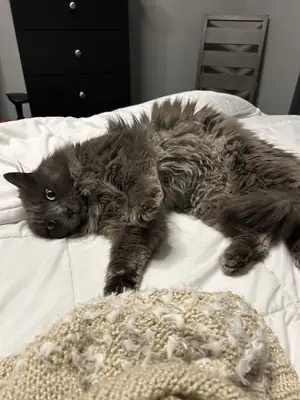
The Nebelung blends Russian Blue mystique with flowing silver-blue fur and thoughtful temperament. Smart air systems, RFID feeders and UV-sterilized grooming docks now make caring for this rare beauty easier than ever.

1. Breed Profile

  • Weight: 6 – 13 lb (3 – 6 kg)
  • Height: 9 – 11 in (22 – 27 cm)
  • Lifespan: 12 – 16 years
  • Personality: Soft-spoken, loyal, intelligent, routine-oriented
  • Coat: Medium-long double coat, plush undercoat + shimmering guard hairs
  • Eyes: Vivid green hues develop by adulthood

2. 2026 Living Setup

  • Vertical shelves paired with hideaway pods for shy moments.
  • HEPA + humidity control (45–55%) preserves coat texture and eases breathing.
  • Smart blinds and gentle lighting protect light-sensitive eyes.
  • Soft, temperature-regulated beds (72–75°F / 22–24°C) near quiet zones.

3. Nutrition & Digestive Support

Nebelungs thrive on high-quality animal proteins, moderate fats and gut-friendly fibers. Smart bowls measure intake down to the gram.

Component Target Sources Benefit
Protein 38–42% Chicken, turkey, duck, whitefish Lean muscle, coat sheen
Fat 16–20% (omega-rich) Salmon oil, sardine oil, flax Skin moisture, anti-inflammatory
Complex carbs Low Pumpkin, pea fiber, sweet potato GI balance, hairball control
Functional Targeted Spirulina, seaweed, lutein Eye support, antioxidants
Pre/Probiotics Daily FOS, MOS, dedicated probiotic blends Digestive resilience

Schedule: Three balanced meals + late-night snack; filtered fountains encourage steady hydration.

4. Grooming & Hygiene

  • Brush 3–4 times weekly (daily during seasonal sheds) using rotating-tooth comb + slicker brush.
  • Monthly baths with moisturizing foam; low-heat drying maintains coat fluff.
  • Weekly ear/eye cleaning; nails every 3 weeks.
  • Provide both vertical and horizontal scratch panels to protect furniture.

5. Behavior & Enrichment

  • Gentle play: feather wands, slow-moving toys, scent trails, puzzle feeders.
  • Use soft soundscapes and white-noise pods for noise-sensitive cats.
  • Introduce guests gradually; allow access to safe rooms.
  • Nighttime self-play modules keep them entertained without waking the household.

6. Health & Monitoring

  • Genetic screening: HCM, PKD, kidney panels.
  • Urinary care: Smart litter boxes watch pH, frequency and issue alerts.
  • Respiratory comfort: Avoid smoke; use air quality dashboards.
  • Weight management: Monthly weigh-ins—fluffy coats can hide gain.
  • Stress shedding: Keep routines consistent; use pheromone diffusers.

7. Tech Toolkit

  • RFID feeders open only for the Nebelung’s collar tag.
  • Wearable trackers send heart-rate/sleep data to your phone.
  • UV sterilizing grooming docks prevent bacterial build-up on brushes.
  • Air-quality tiles display PM2.5, humidity and VOC in real time.

8. Travel & Safety

  • Spacious, ventilated carrier with top entry and cushioned floor.
  • Pre-travel: light meal, hydration, pheromone wipes, noise-reduction ear covers.
  • Microchip + GPS tracker + NFC ID tag.
  • Emergency kit: comb, calming gel, probiotic paste, vet records.

9. Frequently Asked Questions

Are Nebelungs shy?

They can be reserved with strangers but bond deeply with their family when trust is built.

How to keep the coat glossy?

Regular brushing, omega-3 supplements, humidity control and gentle lighting.

Best litter?

Fine, unscented clumping litter in covered boxes for privacy.

Alone-time tolerance?

Limit to 6 hours; provide interactive cameras, auto toys and puzzle feeders.

Hairball fixes?

Fiber-rich food, malt pastes, frequent grooming and hydration.

Compatible with kids?

Yes with calm children; teach gentle handling and respect safe zones.

Supplements worth adding?

Omega-3, taurine, probiotics, lutein—always vet-approved.

How many scratchers?

At least two types (vertical + horizontal) to protect furniture.

Noise sensitivity?

Use white noise machines, acoustic panels and calm pods during storms or fireworks.

Vaccination needs?

Core FVRCP + rabies; keep boosters current even for indoor cats.

What to do if appetite drops?

Warm food slightly, mix wet/dry, try puzzle bowls; vet check if it persists.

Travel anxiety tips?

Gradual crate training, pheromone wipes, calming playlists, talk to your vet about additional support.

10. Conclusion

With mindful grooming, precise nutrition and technology-enhanced comfort, the Nebelung remains serene, healthy and stunning in 2026 homes.
Latest listings in this category

Breed traits

Character & behavior

Energy level
Playfulness
Intelligence
Trainability
Protectiveness
Sociability
Can stay alone

Lifestyle fit

Apartment-friendly Yes
Good with kids Yes
Good for first-time owners Yes
Shedding
Noise level
Exercise needs

Physical & general

Life span 12–16 years
Weight 3.5–5.5 kg
Height 30–35 cm
Origin United States
Grooming effort
Nutrition sensitivity
Health risk
Heat tolerance
Cold tolerance
Nebelung

View adoption listings for this breed

Explore the latest adoption listings for this breed on Petopic.

View Listings
Share this guide
f 𝕏 in W

Questions asked by users about this breed

I’m curious about the best way to bond with my Nebelung. Any suggestions?

Asked by: Alex D.

Spend quality time playing with her and engaging in gentle activities. Treats during training can also help build trust and strengthen your bond.

— petopic Breed Expert

I've seen my Nebelung grooming herself a lot. Is this a sign of stress?

Asked by: Selina Merve F.

Grooming is normal behavior, but excessive grooming can indicate stress or anxiety. Monitor her behavior for any changes that might need addressing.

— petopic Breed Expert

How can I help my Nebelung adjust to a new home after adoption?

Asked by: Wei D.

Allow her time to explore at her own pace, provide hiding spots, and keep her routine consistent to help her feel secure in her new environment.

— petopic Breed Expert

Is it necessary to spay my female Nebelung? What are the benefits?

Asked by: Iker Z.

Spaying can help prevent certain health issues and unwanted behaviors. It's generally recommended unless you plan to breed her.

— petopic Breed Expert

My Nebelung has been acting a bit more aggressive lately. What could be causing this?

Asked by: mariola g.

Changes in behavior can stem from stress or discomfort. Observe her for other signs and consider discussing any changes in her environment with your vet.

— petopic Breed Expert

I want to travel but I’m worried about leaving my Nebelung alone. What can I do?

Asked by: petopic T.

If possible, consider a pet sitter or a trusted friend to care for her while you're away. Ensuring she has familiar toys and her favorite spots can also help her feel more comfortable.

— petopic Breed Expert

Are Nebelungs prone to any specific health issues I should be aware of?

Asked by: furkan z.

While generally healthy, they can be prone to dental issues and obesity if not monitored. Regular vet check-ups and a balanced diet are key to their health.

— petopic Breed Expert

My Nebelung is very attached to me. Is this typical for the breed?

Asked by: Thomas C.

Yes, Nebelungs are known for their loyalty and affection towards their owners. They often form strong bonds and enjoy being close to their humans.

— petopic Breed Expert

I heard Nebelungs can be quite sensitive to noise. Is there anything I can do to help?

Asked by: Elifnaz Ü.

Creating a calm environment with soft sounds can help. Consider using white noise machines or soft music to soothe her during loud times.

— petopic Breed Expert

My Nebelung has a beautiful coat, but how often should I groom her?

Asked by: mahmut g.

Grooming her 3-4 times a week is ideal to keep her coat in good condition, especially during shedding seasons. It helps reduce hairballs and keeps her skin healthy.

— petopic Breed Expert

Can Nebelungs adapt to a busy household with kids?

Asked by: furkan e.

Yes, they can adapt, but it may take some time. Teach the kids to approach her gently and respect her space to ensure a positive environment.

— petopic Breed Expert

My Nebelung has been eating less than usual. Should I be worried?

Asked by: Gustave C.

A decrease in appetite can be a sign of health issues. If this persists for more than a day or two, it's best to consult your veterinarian.

— petopic Breed Expert

I just brought home a kitten Nebelung. Any tips for the first few days?

Asked by: Hector B.

Give her a quiet space to explore and hide if needed. Gradually introduce her to different areas of your home while ensuring she feels safe and comfortable.

— petopic Breed Expert

My Nebelung loves to play at night. Is there a way to manage her energy levels?

Asked by: Çiğdem G.

Engaging her in playtime during the day can help tire her out for the night. Try interactive toys and scheduled play sessions to balance her energy.

— petopic Breed Expert

Is it okay to let my Nebelung go outside, or should I keep him indoors?

Asked by: Kebire S.

Keeping your Nebelung indoors is generally safer, as they can be prone to accidents and illnesses outdoors. If you do allow outside time, supervise him closely.

— petopic Breed Expert

I noticed my Nebelung has some eye discharge. Should I be worried?

Asked by: Lea J.

Occasional discharge can be normal, but if it's excessive or accompanied by redness, it might be worth checking with your vet to rule out any infections.

— petopic Breed Expert

My Nebelung is about to turn 10. Are there any special considerations for her health at this age?

Asked by: Kristine Z.

As cats age, it's important to monitor their health closely. Regular vet check-ups and a diet tailored for older cats can help manage any age-related issues.

— petopic Breed Expert

What kind of food should I be feeding my Nebelung to keep her healthy?

Asked by: barış b.

High-quality animal protein is essential for Nebelungs. Look for foods that list meat as the first ingredient and include healthy fats for a shiny coat.

— petopic Breed Expert

My friend has a Nebelung and says they are very vocal. Is that typical for this breed?

Asked by: EMİRHAN Z.

While Nebelungs are generally soft-spoken, some can be quite chatty, especially if they're seeking attention or playtime. Each cat has its unique personality.

— petopic Breed Expert

I'm considering getting a Nebelung, but I have a dog. How do they usually get along?

Asked by: Berkay Ş.

Nebelungs can get along with dogs if introduced properly. It's best to supervise their interactions at first and ensure both pets have their own spaces to retreat to.

— petopic Breed Expert

My Nebelung seems to be scratching a lot lately. Should I be concerned about fleas?

Asked by: berk a.

Scratching can be a sign of fleas or allergies. Check for any signs of fleas or skin irritations, and consider visiting your vet for advice on how to address this issue.

— petopic Breed Expert

I just adopted a Nebelung and he's been hiding a lot. Is this normal behavior?

Asked by: micheal s.

It's quite common for Nebelungs to be shy, especially in a new environment. Allow him some time to adjust, and create a safe space where he can feel secure.

— petopic Breed Expert