Norwegian Forest Cat Guide 2026: Coat Cycles, Climbing, Nutrition, PKD/HCM and Budget
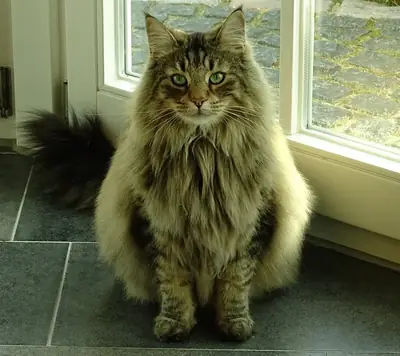
The Norwegian Forest Cat—skogkatt at home—is not “just a fluffier longhair.” It is a powerful climber with a weatherproof double coat that can dump shocking amounts of undercoat when seasons change. This page targets search intent around shedding, size, health screens and whether a Wegie fits busy apartments, written in standalone English rather than translated filler.
1. Breed snapshot
- Region of development: Natural landrace type formalised in Norway; cold-climate adaptation shows in coat and bone.
- Adult weight (typical): Males often 10–20 lb (4.5–9 kg); females usually lighter.
- Build: Long, strong rear legs; excels at vertical movement.
- Coat: Glossy outer hairs + dense undercoat; water-repellent when healthy.
- Life expectancy: Many live into mid–late teens with dental care and weight control.
2. Temperament in real homes
Weiges are often described as gentle giants: playful in bursts, not usually as loud or clingy as some Siamese-line cats. They may observe guests from a shelf before volunteering affection—early, positive socialisation keeps confidence high. They are mischievous climbers; a bare room with no cat highway invites boredom.
3. Vertical space beats square footage
- Cat trees: Stable, tall, with wide platforms—wobble frustrates heavy cats.
- Window perches: Bird-TV lowers stress if outdoor access is unsafe.
- Scratching: Sisal posts taller than shoulder height save door frames.
- Safe outdoor options: Catio or leash-training if you want fresh air without roam-risk.
4. The seasonal moult reality
Expect a serious spring undercoat “blow”; some owners compare it to owning a second cat made of fluff. Line comb + undercoat rake (used gently) outperform random brushing that only skims the topcoat.
| Season | What you feel | Grooming cadence |
|---|---|---|
| Winter peak | Full mane and britches | 2–3× weekly maintenance |
| Spring moult | Clumps, tumbleweeds | Daily short sessions + bath optional |
| Summer sleeker | Less undercoat | 1–2× weekly |
| Autumn build | Undercoat returns | Ramp back toward winter rhythm |
5. Nutrition by life stage
| Stage | Priority | Tip |
|---|---|---|
| Kitten | Growth, DHA, joint-friendly calories | Measured meals; avoid “free pour” |
| Adult | Lean muscle, urinary moisture | Wet food component helps hydration |
| Senior | Kidney-aware if labs change | Twice-yearly weigh-ins on same scale |
Obesity hides the breed’s natural outline and strains joints built for leaping—body condition scoring matters more than Instagram fluff volume.
6. Health screens buyers should discuss
- PKD (polycystic kidney disease): DNA testing exists; ask for documentation, not vibes.
- HCM (hypertrophic cardiomyopathy): ultrasound screening culture varies—serious breeders track lines.
- GSD IV: Rare inherited storage disease; ethical programmes test to exclude carriers from risky pairings.
- Dental: Periodontal disease is common across cats—home brushing pays off.
7. Kitten pricing bands (indicative 2025–2026)
- US: health-tested pedigrees often USD 1,200–2,500+ regionally.
- UK: £900–£2,000 depending on registration body and test portfolio.
- EU: €1,000–€2,400 ballpark for transparent lines.
Rescue adults appear in Nordic and UK welfare networks—coat management skill still required.
8. Kids, dogs and multi-cat homes
Generally adaptable when introductions are gradual. Supervise toddlers who grab fur; a cornered cat of any breed may swipe. With dogs, scent swapping and gated intros reduce adrenaline spikes.
9. FAQ
Are they hypoallergenic?
No. Long coat can hold more allergen-loaded saliva in the environment—HEPA and washing bedding helps.
Maine Coon vs Norwegian Forest Cat?
Both large and longhaired; head shape, ear set and tail carriage differ; individual personality varies more than stereotypes.
Indoor only?
Recommended in traffic-heavy areas; enrichment replaces roaming.
How much do they shed?
Year-round lightly; heavily in seasonal transitions—plan tools and patience.
10. Closing
A Norwegian Forest Cat rewards owners who enjoy grooming seasons, build vertical playgrounds and take genetics seriously. Skip the test paperwork and you save money today—often at the cat’s expense tomorrow.