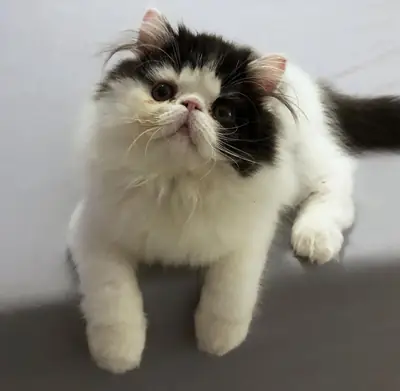
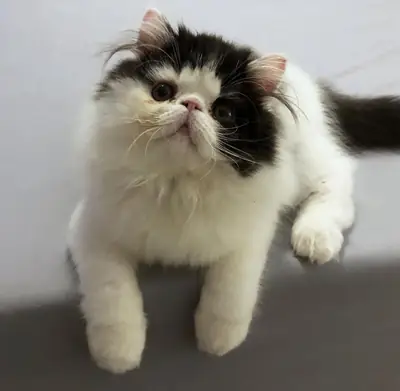
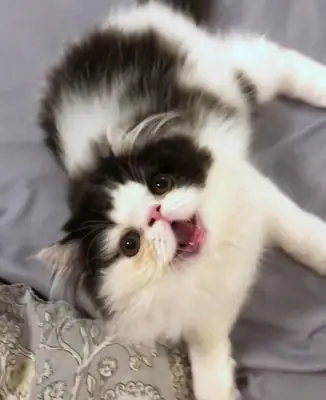
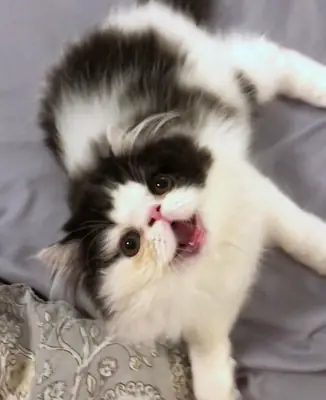
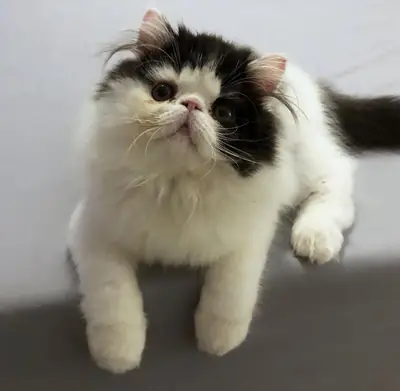
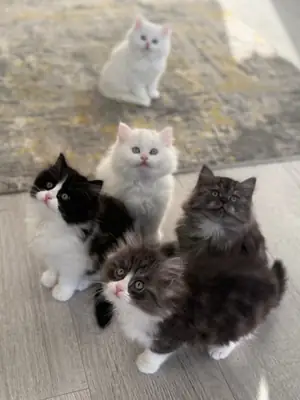
Few breeds capture timeless elegance like the Persian cat. With their flowing coats, gentle demeanor and expressive eyes, Persians remain one of the top-searched felines as we transition from late 2025 into 2026. This guide delivers a deep dive into everything owners and adopters need to know: personality, advanced grooming workflows, nutrition plans, health priorities, lifestyle upgrades, and long-range budgeting.
1. Persian Overview (2026 Snapshot)
- Average adult weight: 7 – 12 lbs (3.2 – 5.5 kg)
- Height (shoulder): 10 – 12 inches (25 – 30 cm)
- Coat: long, silky, double-layered; heavy seasonal shed if not groomed
- Temperament: placid, affectionate, highly people-oriented
- Projected demand (2026): +14% adoption interest across North America, +11% across Europe, ongoing growth in GCC markets
- Lifespan: 12 – 16 years (18+ possible with proactive healthcare and dental hygiene)
2. Historical Roots & Breed Evolution
Persian cats trace their lineage back to 17th century Persia (modern Iran) and Turkey, arriving in Italy and France through explorers and diplomats. Selective breeding in 19th century Britain refined the breed's iconic brachycephalic features and opulent coat. In 2026, major registries like CFA and GCCF are encouraging balanced facial structure to support healthier breathing, tear drainage, and bite formation.
3. Personality & Family Fit
Persians are the poster child for calm indoor life. They thrive on low-drama households, consistent routines and soft-spoken interaction. Sudden loud noises or chaotic environments can stress them; a predictable schedule keeps their stress hormones in check.
- Affection level: high — expect lap cuddles and gentle head bumps
- Play drive: moderate — loves wand toys, teaser puzzles, and short bursts of activity
- Independence: low — Persians want to be near their humans but aren’t overly clingy
- Kid & pet compatibility: excellent with respectful children and polite pets; never force interactions
- Vocalization: soft, melodic chirps rather than piercing meows
4. Physical Features & Coat Variations
| Category | Key Traits | Care Tip |
|---|---|---|
| Head type | Rounded skull, short nose (traditional or “doll face” lines have milder brachycephaly) | Monitor breathing and tear drainage, especially in extreme flat-faced lines |
| Eyes | Large, round, expressive; colors include copper, blue, green, odd-eye | Daily tear stain cleansing prevents bacterial buildup |
| Coat patterns | Solid, smoke, shaded, tabby, parti-color, Himalayan (colorpoint), calico | Frequent brushing plus targeted dematting eliminates painful knots |
| Tail | Thick, plume-like | Support tail base when lifting to prevent strain |
| Build | Compact, muscular, low-slung stance | Watch weight gain — sedentary cats can develop obesity quickly |
5. 2026 Price Outlook & Budget Planning
Persian kitten pricing remains strong heading into 2026, driven by ongoing demand for hypoallergenic-compatible breeds and “therapy cats” with mellow energy. Regional benchmarks (late 2025 data):
- US / Canada: USD 1,600 – 3,400 (health-tested, registered lines)
- UK / EU: £1,200 – £2,800 or €1,400 – €3,200
- Middle East: AED 4,500 – 8,000 (premium lines in the Gulf)
- Asia-Pacific: SGD 2,200 – 4,000 / AUD 3,000 – 5,200 for show-quality imports
Plan an annual Persian budget that includes:
- Professional grooming: USD 600 – 1,000 per year (4 – 6 salon visits)
- Nutrition: USD 700 – 1,200 per year (premium wet + dry + supplements)
- Preventive vet care: USD 500 – 900 (routine exams, vaccines, bloodwork)
- Dental procedures: USD 400 – 1,000 (every 12 – 24 months)
- Insurance premiums: USD 250 – 450 (comprehensive plans) + optional wellness add-ons
6. Grooming Workflow & Tear Stain Management
Daily Checklist
- Comb the coat with a metal greyhound comb — start from the base to prevent matting
- Use a slicker brush on feathered areas (chest, armpits, tail) with gentle wrist motion
- Clean eyes with sterile pads soaked in feline-safe tear stain remover
- Massage the face folds (if brachycephalic) with a damp cloth, then dry thoroughly
Weekly & Monthly Tasks
- Weekly: detangle belly and hindquarters, trim sanitary hair, inspect ears for wax buildup
- Monthly: full bath with hypoallergenic shampoo + conditioner, blow-dry with a cool setting, trim nails, apply paw balm
- Seasonal: schedule professional grooming to reset coat, remove undercoat and address stubborn mats
- Tear stains: maintain hydration, consider filtered water, probiotic support, and vet-approved supplements
7. Nutrition Roadmap & 2026 Feeding Trends
Brachycephalic cats benefit from bowl designs and kibble shapes tailored to their short muzzles. Combine wet and dry diets to balance hydration, dental abrasion, and flavor variety.
| Life Stage | Meals/Day | Calorie Range | Key Nutrients |
|---|---|---|---|
| Kitten (8 weeks – 12 months) | 3 – 4 | 280 – 340 kcal | DHA & EPA, high taurine, quality animal protein, calcium/phosphorus ratio 1.1 – 1.3:1 |
| Adult (1 – 7 years) | 2 – 3 | 220 – 280 kcal | Omega-3, omega-6, pumpkin fiber (hairball control), L-carnitine (weight management) |
| Senior (7+ years) | 2 | 200 – 240 kcal | Lower phosphorus, joint support (glucosamine/chondroitin), cranberry extract (urinary support) |
2026 Supplement Highlights: colostrum powders (immune boost), freeze-dried toppers (high-value, low-calorie treats), and mushroom-based beta-glucan supplements (holistic anti-inflammatory support). Always consult a veterinarian before introducing new supplements.
8. Health Priorities & Preventive Diagnostics
8.1 Genetic & Breed-Specific Risks
- Polycystic Kidney Disease (PKD): ensure breeders provide DNA-clear certificates; early ultrasound screening advised
- Hypertrophic Cardiomyopathy (HCM): periodic echocardiograms recommended, especially in breeding lines
- Brachycephalic airway syndrome: watch for noisy breathing, snoring, exercise-induced distress
- Ocular issues: entropion, tear duct obstruction — frequent cleaning and veterinary oversight essential
- Dental crowding: schedule professional cleanings and use enzymatic gel at home
8.2 Annual Veterinary Schedule (2026)
- Twice-yearly: wellness exams (weight, dental, ocular, dermatological checks)
- Yearly: comprehensive bloodwork (CBC, chemistry, thyroid), urinalysis, blood pressure measurement
- Every 2 years: abdominal ultrasound + dental radiographs
- Vaccinations: core (FVRCP, rabies) + lifestyle vaccines (FeLV, Bordetella) depending on travel and household exposure
- Parasite prevention: year-round flea/tick/heartworm control, tailored to regional risks
9. Insurance & Financial Safeguards
Persians are considered a “higher maintenance” breed by most insurers due to grooming, dental, and respiratory needs. Look for policies that include:
- Accident & illness coverage: PKD, respiratory surgery, digestive emergencies
- Chronic condition protection: ensures continued coverage after initial diagnosis
- Wellness riders: annual vet visits, lab work, dental cleaning allowances
- Tele-vet access: 24/7 video consults reduce unnecessary ER visits
- Travel add-ons: coverage for trip cancellations or medical emergencies abroad
Create a dedicated “cat care” savings cushion of at least USD 1,000 – 1,500 for unexpected procedures.
10. Home Environment & Enrichment
Persian cats flourish in serene, climate-controlled interiors. Key upgrades:
- Air quality: HEPA purifiers reduce allergens, hair, and dust; maintain humidity between 45 – 55%
- Cooling: keep ambient temperature between 20 – 24°C (68 – 75°F)
- Rest zones: plush beds, cat trees with ramps (rather than tall jumps), sunny window perches
- Litter strategy: large-entry litter trays with low rims, silica or clumping clay for superior odour control
- Play rotation: puzzle feeders, scent-swapped toys, wand sessions to maintain lean muscle
11. Travel & Relocation Tips
- Use airline-approved soft carriers with ventilated sides and waterproof bases
- Acclimate your Persian to the carrier gradually — treat rewards and short “practice” trips
- For international travel, secure microchip, health certificates, and rabies titre tests (some countries require 3-month waiting periods)
- Book pet-friendly accommodations early; request allergy-friendly cleaning protocols (no heavy scented sprays)
- In cars, fasten carriers with seatbelts and use sunshades to prevent overheating
12. Adoption & Responsible Sourcing
Whether purchasing from a breeder or adopting from a shelter, insist on transparency:
- Genetic testing records (PKD, PRA), vaccination history, parasite treatments
- Vet references, socialization notes, and sample diet regimen from the previous caretaker
- Contract clauses covering return policy if health issues arise
- Observation period: watch for watery eyes, labored breathing, digestive irregularities
13. FAQ: Persian Cat Essentials
Do Persians shed a lot?
Yes, especially during seasonal transitions. Daily brushing combined with high-quality nutrition and regular baths keeps shedding manageable.
Can Persians live with busy families?
They can, as long as someone is available for consistent grooming, affection, and feeding. Persians prefer calm energy — designate a quiet retreat space.
How often should a Persian see the groomer?
Every 6 – 8 weeks for a full spa (bath, blow-dry, sanitary trim). In between visits, maintain home grooming to prevent mat buildup.
Are Persians hypoallergenic?
No, but their lower dander levels mean many allergy sufferers tolerate them better than high-shedding breeds. Air purifiers and frequent cleaning further reduce allergens.
14. Final Thoughts for 2026 Guardians
Persian cats embody serenity and devotion. In return for your dedication to grooming, nutrition, and preventive healthcare, they deliver years of companionship and quiet joy. Keep tabs on updated veterinary recommendations for brachycephalic breeds, monitor price trends if you’re budgeting for a new adoption, and treat every grooming session as a bonding ritual. With mindful care, your Persian will glide through 2026 and beyond with health, grace, and the regal presence that made the breed legendary.