Peterbald Breed Guide: Traits, Care, Nutrition, and 2026 Insights
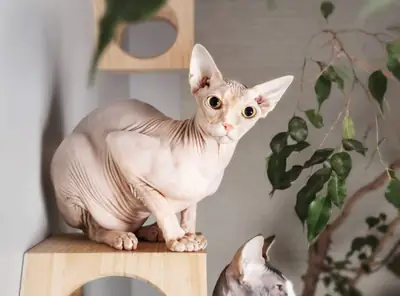
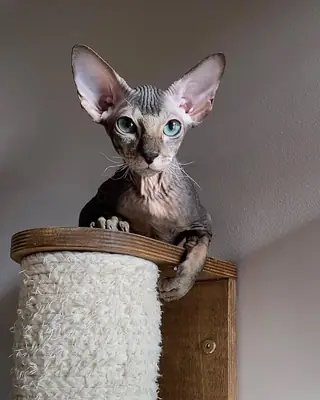
The Peterbald cat, born in Saint Petersburg in the mid-1990s, fuses the elegance of Oriental Shorthairs with the hair gene of the Donskoy. Renowned for its chiseled silhouette, long limbs, and dramatic ear set, this breed is as intellectually engaging as it is visually striking. In 2026, Peterbalds continue to headline boutique catteries and design-forward households that prioritize hypoallergenic traits, interactive companionship, and modern health tech.
1. Snapshot & 2026 Market Signals
- Origin: Russian Federation (St. Petersburg), 1994; foundation queen “Radma von Jagerhof”.
- Body Type: Slender “oriental” frame, semi-foreign, whip-like tail, wedge head.
- Coat Spectrum: Hairless (ultra-bald), flock, velour, brush, straight (full-coated carriers).
- Lifespan: 12 – 16 years; 18+ documented with holistic veterinary oversight.
- 2026 Demand: +18 % in EU, +14 % in North America; high retention in tech-savvy, low-allergen households.
2. Temperament & Lifestyle Fit
- Hyper-social: Shadow companion who thrives on tactile interaction and face-to-face communication.
- Vocal: Soft-toned chatter; responsive to names and commands, easily shaped with clicker training.
- Intelligence: Puzzle-master; enjoys target training, harness walks, scent work.
- Family Score: Excellent with respectful children and polite dogs; intro sessions required.
- 2026 Tip: Pair with smart feeders, AI laser toys, and remote treat-dispensing cameras to keep them stimulated when you travel or work late.
3. Pricing, Contracts, and Ownership Costs
| Region/Type | 2026 Price Range | Includes |
|---|---|---|
| US CFA/TICA breeders | $2,200 – $3,800 | Health screening, S/N contract, pet insurance trial |
| EU FIFe catteries | €1,900 – €3,500 | DNA panel, EU passport, microchip, travel crate |
| Show prospects/rare coats | $4,200 – $5,800 | Mentorship, grooming kit, yearlong telehealth support |
| Retired breeders/adults | $850 – $1,500 | Usually spayed/neutered; transition coaching |
Cost escalators 2026: climate-controlled cattery overhead, comprehensive dermatology testing, limited breeding pool, mandatory genetic audits, and premium nutrient-rich diets.
4. Home Environment & Micro-Climate
- Thermal comfort: Maintain 73 – 79 °F (23 – 26 °C); use smart thermostats + IR panels.
- Humidity: 40 – 55 %; consider HEPA + humidifier combos to protect skin and sinuses.
- Textiles: Bamboo or modal fabric bedding; avoid wool and scratchy fibers.
- Sunlight: Controlled UVB exposure (10 min/day) or dedicated reptile-grade lamps for vitamin D without overexposure.
- Rest pods: Provide layered options: heated donut bed, hooded cave, quilted hammock.
5. Skin Care, Hygiene, and Grooming
5.1 Routine Schedule
- Weekly spa bath: Warm water + sulfate-free kitty wash; rinse thoroughly to remove oil residue.
- Daily wipe-down: Micellar pet wipes or homemade chamomile-aloe spritz to prevent buildup.
- Ears & claws: Inspect weekly; de-grease gently, trim nails every 10–14 days.
5.2 Coat-Type-Specific Care
- Hairless/Ultra-bald: Apply hypoallergenic moisturizer; SPF 30+ pet-safe sunscreen for sunbathing.
- Flock/Velour: Soft bristle brushing; maintain natural oils with jojoba-based finishing spray.
- Brush: Trim long guard hairs to reduce matting; antistatic conditioning once a week.
6. Precision Nutrition & Hydration
Metabolically active yet lean, Peterbalds benefit from high-protein, moderate fat diets with timely supplementation.
| Meal Component | 2026 Recommendation | Benefit |
|---|---|---|
| Primary wet meals | Complete pâté with ≥11 % protein, balanced fats | Hydration, satiety, easier digestion |
| Secondary dry meals | High-protein kibble (≥38 %), taurine-rich, L-carnitine | Supports lean muscle, energy conversion |
| Functional treats | Freeze-dried quail, dental chews, hydration gels | Reward system, oral care, electrolytes |
| Supplements (when advised) | Omega 6/3 blend, biotin, zinc, probiotic paste | Dermal resilience, immune modulation, GI balance |
Hydration tech: Ceramic fountains with UV sterilizers; schedule daily water flavor boosters (bone broth ice cubes) to entice sipping.
7. Health Surveillance & Genetics
7.1 Genetic Considerations
- ALOPECI gene: Governs hairlessness; breeders must manage dominant alleles to avoid extreme skin fragility.
- Ectodermal dysplasia: Rare; dental anomalies (missing premolars) require annual dental charting.
- Metabolic vigilance: Frequent small meals prevent hypoglycemia in kittens and high-energy adults.
7.2 Preventive Care Calendar
- Quarterly wellness visits in year one, biannual thereafter.
- Annual bloodwork (CBC, chem panel), thyroid monitoring, urinalysis.
- Dermatology screenings during seasonal changes; fungal culture if lesions appear.
- Echocardiograms every 12–24 months due to sphynx-line HCM predisposition.
8. Insurance & Financial Planning
- Comprehensive pet insurance (US/EU 2026): $45 – $75/month (derm + cardiology riders recommended).
- Routine budget: $180 – $260/month (food, climate control, skin care, enrichment, vet fund).
- Emergency reserve: $1,500 – $2,500 for hospital stays, IV antibiotics, or surgery.
9. Travel Logistics
- Carrier: IATA-approved hard shell with fleece lining, self-heating pad, pheromone spritz.
- Documentation: ISO microchip, rabies certificates, international health certificate (issued within 10 days), import permits for select countries.
- Transit routine: Layered clothing (thermal shirts), collapsible litter box, hydration syringes, grooming wipes.
10. FAQ
Are Peterbalds hypoallergenic?
They shed minimal dander but still produce Fel d 1; allergy-sensitive guardians should schedule trial visits.
Do they need clothing?
Yes, when ambient temps drop below 72 °F. Use breathable bamboo or moisture-wicking cotton to avoid irritation.
Can they tolerate sunbathing?
Short sessions with pet-safe sunscreen are acceptable; avoid midday UV or reflective surfaces that can cause burns.
Do they require frequent vet visits?
Skin health and metabolism demand biannual checkups; dermatology consults at the first sign of rash or hotspots.
11. Conclusion
Peterbalds reward devoted guardians with profound connection, charisma, and endless conversation. In 2026, leverage smart-home climate control, precision nutrition, and advanced veterinary partnerships to ensure your cat’s comfort and longevity. With proactive care and daily affection, your Peterbald becomes an iconic, silk-skinned family member for years to come.