Pug: Complete Guide to Traits, Care, Nutrition and Health
The Pug is a small, compact dog breed originating from China. With its wrinkled skin, flat face, bold personality, and tendency to form strong bonds with owners, it is one of the most popular dog breeds in the world. This comprehensive guide provides all essential information for prospective and current Pug owners.
1. Breed Profile and Physical Characteristics
- Origin: China; known since ancient times, gained popularity in Europe in the 16th century and recognized worldwide.
- Temperament: Friendly, affectionate, playful, sociable, likes people (including children), enjoys being part of household activity, has sense of humor, food-motivated.
- Energy Level: Moderate; short walks and indoor play work well, not suited for long runs or strenuous activity.
- Lifespan: Average 13-15 years, under optimal conditions and healthy weight.
2. Size, Weight and Physical Features
| Feature | Value | Description |
|---|---|---|
| Weight | 6-8 kg (14-18 lbs) | Average for adult individuals |
| Height | 25-33 cm (10-13 inches) | Shoulder height |
| Body Structure | Small, compact, muscular, square body structure | |
| Head | Flat face (brachycephalic), short nose, prominent wrinkles | |
| Eyes | Large, slightly protruding, round, dark colored | |
| Tail | Curled, curling over back | |
| Coat Structure | Short but dense, double coat, smooth | |
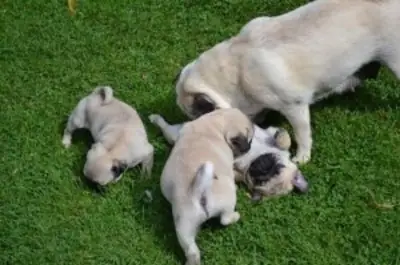
Coat Colors: Usually fawn/apricot or black, with dark mask (facial mask). Fawn color is more common.
3. Pricing and Lifetime Costs
- Puppy Price (US): $800 – $3,000 from registered, health-screened, show-quality breeders. Europe: €700 – €2,800; other regions vary.
- Monthly Care Costs: $110 – $230 for quality dog food, veterinary care, fold care products, toys.
- First Year Investments: Equipment (bed, collar, leash, toys) ($230-280), initial veterinary checkups and vaccinations ($280-340), spay/neuter ($340-570), fold care products ($110-150).
- Annual Health Expenses: $450 – $1,150/year (routine checkups, eye care, respiratory monitoring, preparation for potential health issues).
4. Nutrition Strategy and Diet Planning
Since Pugs are food-motivated, weight control is critical. Overfeeding and obesity can lead to serious health problems.
4.1 Daily Nutrient Distribution
| Nutrient Group | Amount/Percentage | Quality Sources | Important Notes |
|---|---|---|---|
| Protein | 20-25% (calories) | Chicken, turkey, fish, eggs, quality animal sources | Required for muscle health and overall health |
| Fat | 12-15% (calories) | Fish oil, chicken fat, vegetable oils | Omega-3 fatty acids (for skin and allergy issues), energy source |
| Carbohydrates | 45-55% (calories) | Oats, rice, sweet potato, vegetables | Fiber source, low glycemic index preferred |
| Calorie Requirement | Based on activity level | Should be determined with veterinarian | 400-500 kcal/day for 7 kg Pug (average), weight control critical |
| Meal Frequency | 2-3 meals per day | Small, regular meals | Frequent meals to prevent overeating, puppies may need more frequent feeding |
Feeding Schedule: 2-3 small meals daily, high-quality dog food (appropriate for life stage), portion control (for weight management), treats should be limited, no free-feeding.
4.2 Special Nutrition Requirements
- Weight Control: Pugs are prone to obesity. Weight control is critical to prevent worsening breathing problems, heart disease, joint problems, and diabetes risk. Appropriate portion size should be determined with veterinarian.
- Supplements: Fish oil (omega-3) may help with skin and allergy issues. Joint supplements (glucosamine/chondroitin) can support older dogs. Always consult with veterinarian before giving supplements.
- Treats: Pugs are food-motivated, treats should be limited and included in total calorie calculations. Healthy alternatives should be preferred.
- Avoid: High-calorie foods, free-feeding, excessive treats, foods toxic to dogs (chocolate, grapes, raisins, onions, garlic, xylitol).
5. Housing and Living Space
5.1 Living Space Requirements
- Apartment/House Living: Pugs adapt well to apartment or house living, prefer lots of human interaction. Not suited to being left alone for long periods.
- Indoor Living: Indoor dog, not suited for outdoor living. Sensitive to extreme heat and cold.
- Social Needs: Enjoys being part of household activity, does not like being alone, requires daily attention and interaction.
5.2 Temperature and Environmental Conditions
- Heat Sensitivity: Due to short snout and specialized respiratory anatomy, has difficulty breathing and cooling themselves. Avoid hot, humid conditions; always provide shade, fresh water, and keep indoors during extreme heat.
- Cold Weather: Also sensitive to extreme cold, appropriate protection should be provided.
- Ideal Temperature: Indoor temperature should be maintained between 18-24°C, protected from extreme heat and cold.
6. Care and Grooming
6.1 Coat Care
- Brushing: Weekly brushing required, more frequent during shedding seasons (spring/fall). Pugs shed year-round, "blowing coat" seasons have very heavy shedding.
- Shedding: Year-round shedding due to double coat structure, seasonal heavy shedding. Regular brushing helps control shedding.
- Bathing: As needed (once a month or less), excessive bathing can lead to skin problems.
6.2 Wrinkle and Skin Care
- Wrinkle Cleaning: Regular cleaning and drying of wrinkles is critical. Use damp cloths or gentle wipes, keep folds dry. Cleaning 2-3 times weekly recommended to prevent fold dermatitis and infection.
- Skin Infections: Moisture accumulation in wrinkles can lead to fungal and bacterial infections. Early detection and treatment important.
6.3 Eye Care
- Eye Check: Due to large, slightly protruding eyes, injury risk is high. Daily eye check, eye discharge cleaning, tear stain monitoring.
- Eye Problems: Corneal ulcers, dry eye (keratoconjunctivitis sicca), pigmentary keratitis, entropion are common. Regular veterinary check recommended.
6.4 Other Care Requirements
- Ear Care: Ears should be checked frequently for cleanliness, cleaning and drying should be done. Ear infections common due to deep folds and moisture. Weekly check and cleaning as needed.
- Dental Care: High risk of gum disease and infection due to small mouth and crowded teeth. Daily brushing and routine veterinary check essential.
- Nail Care: Regular trimming (every 2-3 weeks), long nails can cause discomfort or injury.
7. Activity and Exercise
Pug has moderate energy level. Short walks and indoor play are appropriate, not suited for long runs or strenuous activity.
- Daily Walks: Total 20-40 minutes short walks daily sufficient, should be shortened or moved indoors during extreme heat.
- Indoor Games: Tug-of-war, puzzle toys, hidden treat toys, mental stimulation activities.
- Avoid: Long runs or strenuous activity, especially in heat, can worsen breathing problems.
- Mental Stimulation: Pugs can get bored, mental stimulation helps prevent destructive behavior. Puzzle toys, training activities, social interaction.
8. Health Management and Common Issues
8.1 Common Health Problems
- Brachycephalic Airway Syndrome (BOAS): Due to short snout, stenotic nares (narrow nostrils), elongated soft palate, etc., leading to breathing issues, snoring, heat intolerance. Breathing problems can be serious, veterinary check required.
- Obesity: Very common. Can worsen breathing problems, increase risk of heart disease, joint problems, diabetes. Weight control critical.
- Eye Problems: Corneal ulcers, dry eye (keratoconjunctivitis sicca), pigmentary keratitis, entropion, etc. High injury risk due to large, protruding eyes. Regular eye check recommended.
- Dental Disease: Risk of gum disease and infection due to small mouth, crowded teeth. Regular brushing and veterinary check essential.
- Hip and Joint Issues: Patellar luxation, Legg-Calve-Perthes disease, hip dysplasia may occur. Weight control and joint supplements may help.
- Skin and Allergy Issues: Allergic skin disease, ear infections due to deep folds and moisture. Wrinkle care and veterinary check important.
- Pug Dog Encephalitis (PDE): Serious, sometimes fatal inflammatory brain disease unique to Pugs. Early detection and treatment required.
- Seizures: Some Pugs may experience seizures, veterinary check required.
8.2 Lifetime Health Schedule
- Puppy Stage: First veterinary checkup, vaccination program (6-8 weeks), eye check, wrinkle care training, early socialization.
- Adult Stage: Annual comprehensive examination, eye check (every 6 months), respiratory monitoring, weight monitoring, dental check, wrinkle check.
- Senior Stage: Exams every 6 months, extra attention to eye, respiratory, and joint health, monitoring aging signs.
8.3 Preventive Care Protocols
- Daily Check: Appetite, energy level, breathing, eye condition, wrinkle condition, weight.
- Regular Wrinkle Care: Cleaning and drying 2-3 times weekly, early infection detection.
- Eye Care: Daily check and cleaning, tear stain monitoring, veterinary check.
- Weight Control: Regular weight monitoring, portion control, treat limiting.
- Heat Protection: Keep indoors during extreme heat, provide shade and fresh water, exercise restriction.
9. Training and Socialization
- Early Socialization: Very important! Exposure to different people, dogs, sounds, and environments during puppy stage, fear and aggression prevention.
- Basic Commands: Basic commands such as sit, stay, come, no, positive reinforcement method.
- House Training: Requires patience and consistency, frequent bathroom breaks may be needed due to small bladder.
- Positive Reinforcement: Reward-based training (treats, praise), Pugs are sensitive and food-motivated, avoid harsh methods.
- Behavior: Generally not aggressive, tendency to greet people, be playful, mischievous. Can get bored, mental stimulation helps prevent destructive behavior.
10. Compatibility with Children and Other Animals
- With Children: Likes people including children, enjoys being part of household activity, generally gets along well with children. However, rough play should be avoided due to small size.
- With Other Dogs: Can get along well with other dogs with early socialization, is a social breed.
- With Cats and Other Animals: Can be compatible with early introduction and socialization.
11. Frequently Asked Questions
How long do Pugs live?
Average 13-15 years under optimal conditions and healthy weight. Lifespan may be shorter with excess weight and in warm climates (10-12 years).
Is care difficult?
Moderately difficult. Wrinkle care, eye care, and shedding require regular attention. Weight control is critical.
Are they good with children?
Yes, likes people including children, generally gets along well with children. Enjoys being part of household activity.
How much exercise do they need?
Total 20-40 minutes short walks daily sufficient. Not suited for long runs or strenuous activity, especially in heat.
Why is weight control critical?
Pugs are prone to obesity. Weight gain worsens breathing problems, increases risk of heart disease, joint problems, and diabetes.
What are the most common health problems?
BOAS (brachycephalic airway syndrome), obesity, eye problems, dental problems, fold infections, joint issues. Regular veterinary checkups critical.
12. Conclusion and Recommendations
The Pug is an excellent pet with its friendly character and affectionate nature. With proper nutrition (weight control critical), regular wrinkle care, eye care, heat protection, regular exercise, and veterinary care, your Pug will enjoy a long, healthy, and happy life. Before adopting this breed, it is important to understand the special care requirements necessitated by its flat face (BOAS risk, heat sensitivity, wrinkle care, eye problems). Choosing a health-screened puppy from an experienced breeder and preparing your home environment according to the dog's needs is critical. While ideal for first-time dog owners and apartment dwellers, may not be suitable for those who cannot monitor health or live in extreme heat climates.