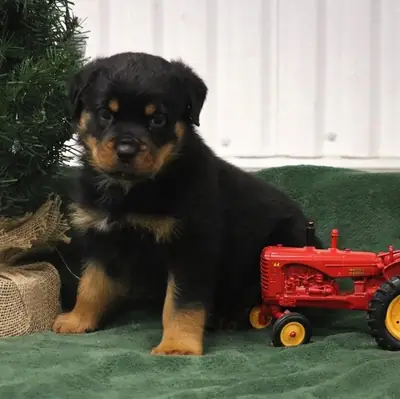
Rottweiler: Characteristics, Care, Nutrition, Training, Health and 2026 Life Guide
The Rottweiler is a German working dog breed known for its powerful build, loyalty, intelligence, and protective instincts. In 2026, DNA testing, personalized nutrition programs, advanced training methods, and health monitoring technologies have made it possible to optimize the care and health of this magnificent dog.
1. Breed Profile and Characteristics
- Origin: Germany, city of Rottweil
- Group: Working Group
- Size: Males: 61–69 cm, Females: 56–63 cm
- Weight: Males: 50–60 kg, Females: 35–48 kg
- Lifespan: 9–12 years
- Coat type: Short, straight, dense double coat
- Color: Black with tan markings
- Energy level: Medium-high
- Exercise needs: Daily 1–2 hours
- Intelligence level: Very high
- Trainability: Excellent (with consistent and patient training)
- Socialization needs: Critical (from early age)
- Protective instinct: High
2. Character and Temperament
- Loyalty: Deep bond with family, strong protective instinct
- Intelligence: High learning capacity, problem-solving ability
- Calmness: Balanced character, reserved with strangers
- Strong will: Need for leadership, requires consistent authority
- Compatibility with children: Excellent with good socialization and training
- Compatibility with other animals: Good with early socialization
- Exercise needs: Physical and mental stimulation required
3. Living Space and Climate Management
- Living space: Indoor and garden access ideal; apartment living possible but requires adequate exercise and activity.
- Garden requirement: Secure, fenced garden recommended; wide area preferred but small areas also suitable with sufficient activity.
- Climate adaptation: Excellent in moderate climates; in hot climates provide shade, water and coolness; adapts to cold climates with suitable coat.
- Hot weather management: Heatstroke risk; shaded areas, cool water access, avoid exercise during hot hours, air conditioning or fan support.
- Cold weather management: Caution in prolonged cold due to short coat; indoor space, bedding, dog clothing if necessary.
- 2026 Smart habitat: IoT sensors monitor indoor temperature/humidity, automatic climate control, water consumption tracking, activity monitor.
4. Nutrition and Detailed Feeding Plan
Rottweilers are large, active dogs; they require high-quality protein and balanced nutrition. In 2026, DNA-based nutrition, personalized rations, and obesity prevention technologies ensure optimal health.
| Age Group | Daily Calories | Protein Need | Meal Frequency | Special Notes |
|---|---|---|---|---|
| Puppy (2–6 months) | 1400–2200 kcal | 28–32% | 4 meals | Controlled growth, calcium/phosphorus balance for joint health |
| Young (6–12 months) | 2200–2800 kcal | 26–30% | 3 meals | Growth support, obesity prevention, joint protection |
| Adult (1–7 years) | 1800–2400 kcal | 24–28% | 2 meals | Adjust according to activity level, maintain weight |
| Senior (7+ years) | 1400–1800 kcal | 22–26% | 2–3 meals | Joint health, reduced calories, digestive support |
- Protein sources: High-quality animal protein (chicken, beef, fish, lamb), 24–32% protein content, taurine and L-carnitine support.
- Carbohydrates: Whole grains, sweet potato, rice, low glycemic index, fiber support.
- Fats: Omega-3 and Omega-6 (fish oil, flaxseed), skin health, joint function, 12–18% fat content.
- Joint health: Glucosamine, chondroitin, MSM supplements, especially critical during growth period.
- Obesity management: Regular weight monitoring, portion control, low-calorie treats, high activity.
- 2026 nutrition technologies: Smart food bowls (portion and consumption tracking), DNA-based nutrition plans, obesity prevention applications.
5. Care and Grooming
- Coat care: Brushing 2–3 times weekly, daily brushing during seasonal shedding periods, low maintenance due to short coat.
- Bathing: Monthly 1–2 times or as needed, quality dog shampoo, products suitable for skin pH, excessive bathing dries skin.
- Ear care: Weekly check and cleaning, infection symptom control, special ear cleaning solutions.
- Dental care: Daily tooth brushing, dental toys, regular veterinarian dental check, tartar prevention.
- Nail care: Trimming every 2–3 weeks, natural wear with activity, excessive length leads to joint problems.
- Eye care: Daily check, eye discharge cleaning, veterinarian for redness or crusting.
- 2026 smart care: Wearable health sensors, shedding tracking, skin health analysis applications.
6. Health Monitoring and Common Health Issues
- General health signs: Activity, good appetite, shiny coat, clean eyes, regular bowel movements, normal breathing.
- Hip Dysplasia: Genetic and environmental factors, controlled growth, appropriate exercise, glucosamine supplement, regular X-ray checks, surgery may be needed.
- Elbow Dysplasia: Similar prevention strategies, early diagnosis, pain management, physical therapy.
- Obesity: High risk, calorie control, regular exercise, low-calorie diet, prevent health complications.
- Heart Diseases: Dilated cardiomyopathy (DCM), regular heart checks, taurine supplement, early diagnosis critical.
- Eye Issues: Cataracts, PRA (Progressive Retinal Atrophy), regular eye exams, genetic tests.
- Cancer: Osteosarcoma, lymphoma risk, early diagnosis, regular check-ups, healthy lifestyle.
- Allergies: Food and environmental allergies, elimination diet, veterinarian control.
- 2026 health technologies: DNA tests (genetic disease risk), wearable health monitors, AI-supported early disease detection, tele-veterinary consultations.
7. Training and Behavior Management
- Early socialization: 3–16 weeks critical period, introduce to different people, animals, sounds, environments, positive experiences.
- Basic obedience training: Sit, stay, come, down commands, positive reinforcement, consistency, patience, professional trainer support recommended.
- Leadership and hierarchy: Owner must be clear leader, rules clear, consistent boundaries, positive but firm approach.
- Aggression prevention: Proper socialization, training, building confidence, avoiding challenging situations, professional support may be needed.
- Mental stimulation: Puzzle toys, scent training, agility, intelligence games, avoid monotony.
- Exercise routine: Daily 1–2 hours walking, running, play, training sessions, combination of physical and mental activity.
- 2026 training technologies: VR socialization simulations, AI-supported training applications, wearable activity tracking, remote training platforms.
8. Travel and Transport
- Car travel: Safe dog seats or crates, regular breaks, water access, hot weather attention, air circulation.
- Air travel: Airline policies, health certificates, appropriate crate size, advance reservation, stress management.
- Accommodation: Dog-friendly hotels, park and green area access, security measures, familiar items (toy, bedding).
- International travel: Vaccination records, microchip, health certificates, quarantine requirements, country rules research.
- 2026 travel technologies: GPS tracking devices, health status monitoring, travel planning applications, emergency notifications.
9. Frequently Asked Questions
Are Rottweilers aggressive?
With proper socialization and training, they are not aggressive. They have strong protective instincts but can be controlled with appropriate training. Early socialization is critical.
Are they good with children?
With good socialization and training, they are excellent with children. However, children should be taught how to approach the dog and should be supervised.
How much exercise do they need?
Daily 1–2 hours of physical and mental activity needed. Combination of walking, running, play, training sessions is ideal.
Are they suitable for apartment living?
Apartment living is possible if adequate exercise and activity are provided. However, house with garden is preferred.
How to prevent hip dysplasia?
Controlled growth, appropriate exercise, glucosamine supplement, healthy weight, regular veterinarian checks, genetic test from parents.
How much food should I give?
Varies according to age, weight, activity level. Generally 1800–2400 kcal daily. Veterinarian recommendation should be obtained.
Do they shed a lot?
Moderate shedding level. Increases during seasonal shedding periods. Regular brushing helps.
Is training difficult?
High intelligence and learning capacity but show strong will. Consistent, patient and professional training required.
At what age should training start?
Basic obedience and socialization should start from 8–10 weeks. Early start is of critical importance.
What is their lifespan?
Average 9–12 years. Optimal care, healthy weight, regular veterinarian checks increase lifespan.
Are they suitable as guard dogs?
Strong protective instincts but require professional training. Excellent as family guard dog.
Which climate is suitable?
Moderate climates ideal. In hot climates provide shade and coolness. In cold climates appropriate shelter needed.
Are they compatible with other dogs?
Can be compatible with other dogs with early socialization. Careful introduction with same gender recommended.
Is there an obesity risk?
High obesity risk. Regular weight monitoring, calorie control, adequate exercise are of critical importance.
10. Conclusion
The Rottweiler is a strong, intelligent, loyal and protective dog. With proper training, socialization, nutrition and health management, it can be an excellent family dog and working partner. With 2026 technologies, the care of this magnificent breed has been optimized, ensuring a healthy and happy life. An ideal choice for experienced, patient and consistent owners.