Scottish Fold: Complete Guide to Traits, Care, Nutrition and Health
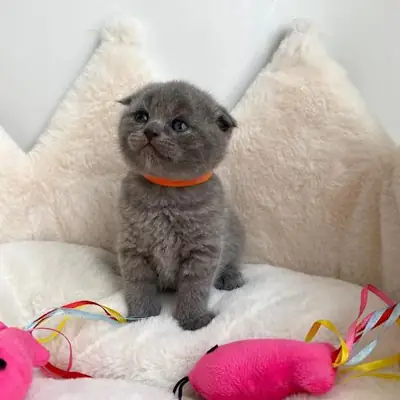
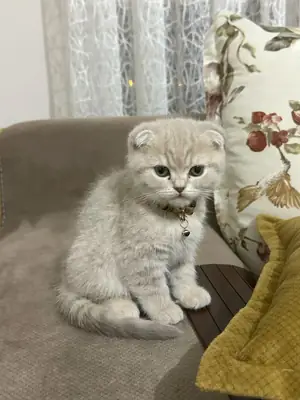
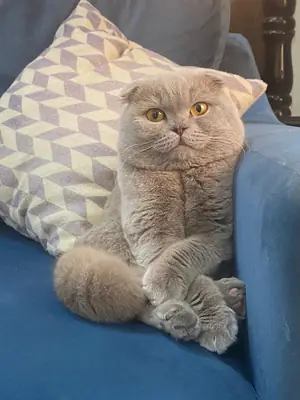
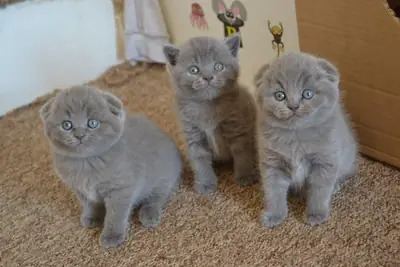
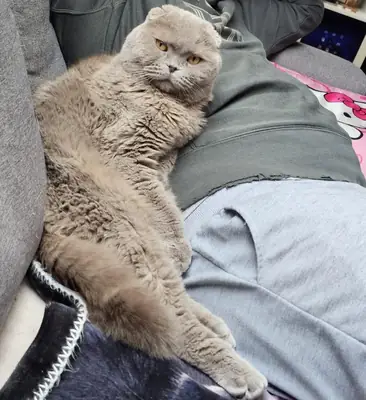
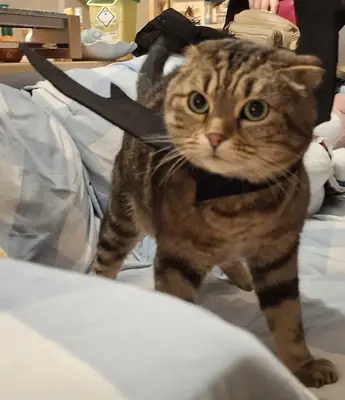
The Scottish Fold is an adorable cat breed that emerged in Scotland in 1961 and is recognized worldwide for its characteristic folded ears. With its round face, large eyes, and loving personality, this breed has become a favorite of families and can live a happy life for many years with proper care and health management. This comprehensive guide provides all essential information for prospective and current Scottish Fold owners.
1. Breed Profile and General Characteristics
- Origin: Scotland, emerged in 1961 as a natural mutation in a farm cat named "Susie".
- Physical Characteristics: Round face, large round eyes, short nose, compact and rounded body structure. Characteristic feature: ears folded forward and down (begin to fold at 3-4 weeks of age).
- Size: Medium-sized; males 9-13 lbs (4-6 kg), females 6-9 lbs (2.7-4 kg).
- Coat Types: Short-haired (Scottish Fold) and long-haired (Highland Fold or Scottish Fold Longhair) variants available.
- Colors and Patterns: Very diverse: solid colors, tabby, calico, tortoiseshell, and more. Eye color usually matches coat color.
- Lifespan: 11-15 years with good care, can live longer with excellent care and health management.
2. Temperament and Behavior Characteristics
- Personality: Sweet, affectionate, gentle, calm and adaptable. Forms strong bonds with owners, enjoys human company.
- Energy Level: Moderate; enjoys playing but not overly active. May prefer ground-level play and rest (due to joint issues).
- Socialization: Generally gets along well with children and other pets. Early socialization is important.
- Vocalization: Quiet or soft-voiced; not noisy, uses soft meows and purring.
- Independence: Does not like being left alone, requires frequent human interaction and company.
3. Size, Weight and Growth Chart
| Age | Male Avg. Weight | Female Avg. Weight | Critical Notes |
|---|---|---|---|
| 2-3 months | 1.8-2.6 lbs (0.8-1.2 kg) | 1.5-2.2 lbs (0.7-1.0 kg) | Kitten food, 4-5 meals/day, growth period |
| 6 months | 4.4-6.2 lbs (2.0-2.8 kg) | 4.0-5.3 lbs (1.8-2.4 kg) | Transition to junior cat food, 3 meals/day |
| 12 months | 7.7-9.9 lbs (3.5-4.5 kg) | 6.2-7.7 lbs (2.8-3.5 kg) | Transition to adult food, weight control begins |
| 18+ months | 9-13 lbs (4-6 kg) M, 6-9 lbs (2.7-4 kg) F | 6-9 lbs (2.7-4 kg) | Physical maturity reached, routine care and weight tracking |
Important Warning: Scottish Fold cats are prone to obesity. Weight control is critical for joint health. Excess weight worsens osteochondrodysplasia symptoms.
4. Pricing and Lifetime Costs
- Kitten Price (US): $1,000 – $2,500 from health-tested, ethical breeders. Turkey: 15,000 – 35,000 TL; Europe: €800 – €2,000.
- Monthly Care Costs: $50 – $90 for quality dry/wet food, litter, toys, veterinary care, grooming supplies.
- First Year Investments: Vaccination program ($120), spay/neuter ($200-400), health screening (HCM, PKD tests) ($300), equipment ($100).
- Annual Health: $200 – $400 (routine check-ups, vaccinations, dental cleaning, joint health monitoring, emergencies).
5. Nutrition Strategy and Diet Plan
Scottish Fold cats require special nutritional attention due to joint health risks. High-quality protein, joint-supportive nutrients, and weight control are critical.
5.1 Daily Macronutrient Distribution
| Nutrient Group | Percentage | Quality Sources | Physiological Benefits |
|---|---|---|---|
| High-Quality Protein | 35-40% | Chicken, turkey, fish, eggs | Muscle development, tissue repair, energy |
| Healthy Fats | 15-20% | Omega-3 (fish oil), omega-6 | Joint health, skin-coat quality, energy |
| Carbohydrates | 5-10% | Low glycemic index sources | Energy (minimal, cats are carnivores) |
| Fiber | 3-5% | Natural fiber sources | Digestive health |
| Joint-Supportive Supplements | As supplement | Glucosamine, chondroitin, omega-3 | Joint health, cartilage protection |
5.2 Life Stage Specific Nutrition
- Kitten Stage (2-12 months): High-protein kitten food, adequate calories for growth, 3-4 meals/day, DHA supplementation.
- Adult Stage (1-7 years): Balanced adult food, weight control, joint-supportive content, 2 meals/day, portion control.
- Senior Stage (7+ years): Senior cat formula, digestibility-focused, joint-protective supplements, phosphorus control for kidney health, more frequent small meals.
5.3 Special Diet Recommendations
- Joint Health: Foods containing glucosamine-chondroitin, omega-3 supplements, weight control critical.
- Obesity Management: Portion control, low-calorie formulas, interactive feeding toys, regular exercise.
- Hydration: Always clean water, wet food for hydration support, water fountains (especially for long-haired).
- Kidney Health: Adequate water intake, quality protein sources, phosphorus control (in seniors).
6. Health Management and Genetic Risks
6.1 Osteochondrodysplasia (OCD) - Critical Health Issue
- What it is: The genetic mutation that creates folded ears affects cartilage and bone development throughout the body. Causes problems not just in ears, but throughout the entire body.
- Symptoms: Joint pain, limited mobility, stiff tail, bone deformities, arthritis, reduced mobility.
- Management: Pain management, weight control, low-height environment, ramps, soft beds, veterinary monitoring, glucosamine-chondroitin supplements.
- Important: Breeding two folded-ear Folds (homozygous) leads to serious problems. Ethical breeders breed folded-ear Fold with straight-eared (Straight) cats.
6.2 Other Health Risks
- Hypertrophic Cardiomyopathy (HCM): Heart muscle thickening, common heart disease. Regular veterinary check-ups, early screening, genetic tests recommended.
- Polycystic Kidney Disease (PKD): Cyst formation in kidneys. Symptoms may appear in middle age or later. Genetic screening and kidney function monitoring recommended.
- Ear Infections: Folded ear structure reduces airflow, increases earwax buildup and infection risk. Weekly ear check and cleaning required.
- Obesity: Worsens joint problems, affects heart health, reduces quality of life. Portion control and exercise critical.
- Dental Diseases: Periodontal disease risk. Regular tooth brushing and veterinary dental check-ups recommended.
6.3 Lifetime Health Schedule
- Kitten Stage: Vaccination program (core, rabies), parasite control, first health check-up, growth monitoring.
- Adult Stage: Comprehensive exam 1-2 times yearly, weight control, joint assessment, heart examination (HCM screening), kidney function tests, dental cleaning.
- Senior Stage: Exam every 6 months, comprehensive lab tests, joint assessment, cardiac echocardiography, kidney function monitoring, pain management assessment.
7. Coat Care and General Grooming
7.1 Coat Care
- Short-Haired Scottish Fold: Brush 1-2 times weekly, remove dead hair, reduce shedding, check skin health.
- Long-Haired Highland Fold: Brush 3-4 times weekly or every other day, prevent mats (especially in ruff, tail, and behind ears), regular grooming critical.
- Brush Selection: Soft brush or metal comb (for long-haired), de-shedding glove.
7.2 Ear Care
- Inspection: Weekly ear check, earwax buildup, odor, redness or infection signs.
- Cleaning: Gentle cleaning, clean folded part, avoid deep cleaning (do not insert cotton swabs into ear canal). Use veterinarian-approved cleaner or warm water-ear cleaning solution.
- Important: Folded ear structure reduces airflow, increasing infection risk. Regular care critical.
7.3 Other Care Requirements
- Nail Care: Trim every 2-4 weeks, monitor natural wear, use nail clippers.
- Dental Care: Brush teeth 2-3 times weekly, dental-friendly food or chew toys, annual veterinary dental check-up.
- Eye Care: Regular inspection, consult veterinarian for discharge or irritation signs.
- Bathing: Usually not necessary (cats self-groom), but may be helpful if mobility declines.
8. Living Environment and Special Arrangements
- Furniture and Access: Ramps or low steps, soft and comfortable beds, avoid high jumps (to reduce joint stress).
- Toys and Activity: Ground-level play toys, interactive toys, puzzle games, climbing areas (low height).
- Food and Water Bowls: Low bowls, easy access, water fountains (hydration encouragement).
- Safety: Window and balcony safety, avoid toxic plants, safe play areas.
- Temperature: Comfortable temperature (68-75°F / 20-24°C), protection from cold, soft beds and blankets.
9. Training and Socialization
- Early Socialization: Introduce to different people, sounds, environments and other animals at 2-4 months of age.
- Litter Training: Usually easy, clean litter box, appropriate placement, regular cleaning.
- Positive Reinforcement: Reward-based training, patience and consistency, avoid harsh methods.
- Play and Activity: Regular play sessions, interactive toys, mental stimulation.
10. Frequently Asked Questions
Why do Scottish Fold cats have folded ears?
Folded ears result from a genetic mutation called osteochondrodysplasia. This mutation folds the ears but also affects cartilage and bone development throughout the body. Therefore, health management is critical.
Are all kittens born with folded ears?
No, approximately half are born with folded ears, the other half are straight-eared (Scottish Straight). Folded ears usually begin to fold at 3-4 weeks of age.
Are health problems inevitable?
Osteochondrodysplasia is present in all folded-ear Folds, but problems can be minimized with ethical breeding (heterozygous breeding) and good care. Regular veterinary monitoring and weight control are critical.
Are Scottish Folds good with children?
Yes, generally get along well with children. Ideal as a family cat due to gentle and loving personality. However, early socialization is important.
How much exercise do they need?
Moderate exercise is sufficient. Ground-level play, interactive toys, and puzzle games are ideal. High jumping and climbing may be limited due to joint problems.
Why is ear care important?
Folded ear structure reduces airflow and increases earwax buildup and infection risk. Weekly inspection and gentle cleaning are critical to prevent infections.
11. Conclusion and Recommendations
The Scottish Fold is an excellent family cat with its loving personality and unique appearance. However, this breed requires special attention and responsible ownership due to genetic health risks such as osteochondrodysplasia. Adopting from ethical breeders, regular veterinary check-ups, weight control, joint health management, and appropriate living environment arrangements are critical for success. With regular coat care (especially for long-haired), ear care, balanced nutrition, and a loving environment, your Scottish Fold will enjoy a long, healthy, and happy life. Before adopting this breed, it is important to understand health risks and make a long-term care commitment.