Shar Pei Dog Breed: Characteristics, Care, Nutrition and Health Guide
The Shar Pei is a rare ancient Chinese breed distinguished by its wrinkled skin and unique appearance. This comprehensive guide provides detailed information for prospective owners about character analysis, growth charts, health risks, special care requirements, and lifestyle compatibility.
1. Breed Profile and History
- Origin: China, ancient breed with 2000-year history, originally used as guard and hunting dogs.
- Temperament: Independent, dignified, loyal to family, reserved with strangers, calm and balanced nature.
- Energy Level: Low to moderate; 30-45 minutes daily exercise sufficient, well-suited for apartment living.
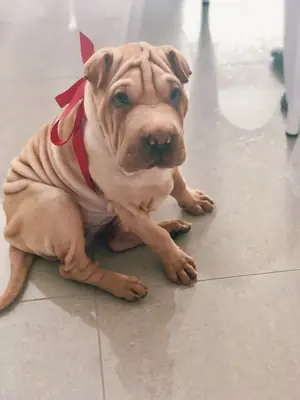
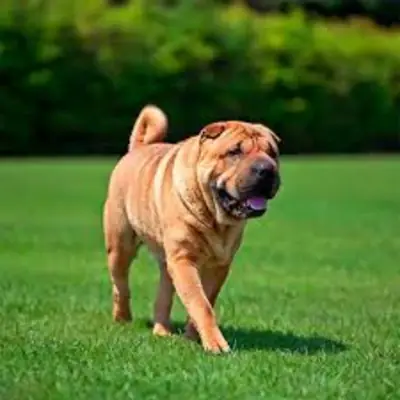
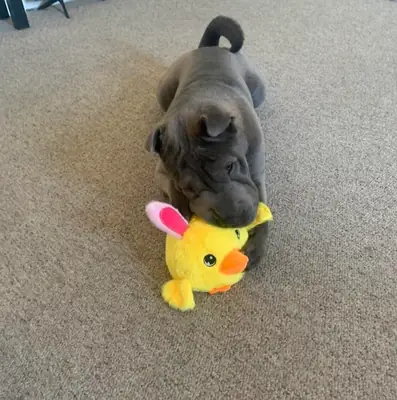
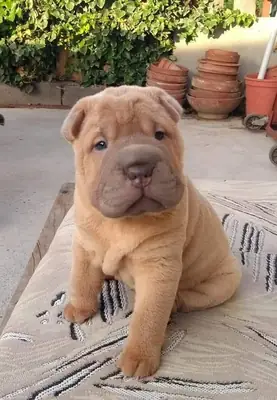
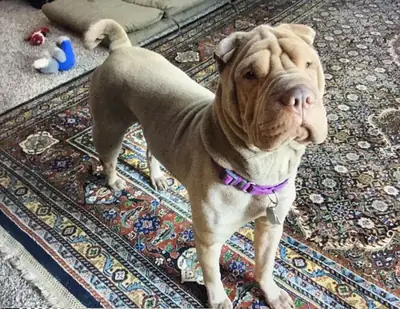
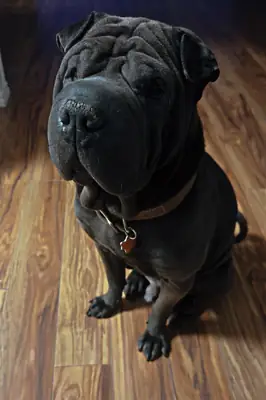
- Distinctive Features: Wrinkled skin (especially in puppies), small ears, blue-black tongue, short and harsh coat texture.
- Size Category: Medium-sized dog; males 18-20 inches, females 17-19 inches at shoulder.
2. Growth and Weight Development
| Age | Male Weight | Female Weight | Height (Shoulder) | Key Notes |
|---|---|---|---|---|
| 8-12 weeks | 7-11 lbs (3-5 kg) | 6-10 lbs (2.5-4.5 kg) | 7-9 inches (18-22 cm) | Premium puppy formula, 4 meals daily, slow growth, wrinkles at maximum |
| 6 months | 22-33 lbs (10-15 kg) | 20-29 lbs (9-13 kg) | 14-16 inches (35-40 cm) | Skin wrinkles begin to reduce, controlled exercise for joint development |
| 12 months | 40-51 lbs (18-23 kg) | 35-46 lbs (16-21 kg) | 17-19 inches (43-48 cm) male, 16-18 inches (40-45 cm) female | Transition to adult food, weight management critical, skin care important |
| 18+ months | 44-60 lbs (20-27 kg) | 40-55 lbs (18-25 kg) | 18-20 inches (46-51 cm) male, 17-19 inches (43-48 cm) female | Physical maturity, wrinkles remain only on head, neck and shoulders |
Special Note: Shar Pei puppies are born very wrinkled; as they age, wrinkles decrease and remain only on head, neck and shoulder areas. This is a normal process.
3. Pricing and Lifetime Costs
- Puppy Price (US): $2,000 – $5,000 from health-tested, reputable breeders. Prices vary by region and bloodline quality.
- Monthly Maintenance: $350 – $550 for premium food, skin care products, eye care, veterinary checkups.
- Initial Investments: Specialized skin care kit ($300), eye care products ($150), hypoallergenic shampoos ($100), ear cleaning supplies ($60).
- Insurance: Annual premiums $500 – $900 covering eye conditions (entropion), skin disorders, fever syndrome, and emergency procedures.
- Special Health Expenses: Eye surgeries (entropion) $1,000 – $2,000, skin infection treatments $250 – $600.
4. Nutrition and Dietary Management
Shar Peis are prone to allergies and skin problems. The feeding plan must be carefully selected to support skin health.
4.1 Daily Nutritional Breakdown
| Nutrient Category | Percentage | Examples | Benefits |
|---|---|---|---|
| High-quality protein | 26-28% | Fish, lamb, turkey, special allergy-friendly formulas | Skin health, muscle maintenance, immune function |
| Complex carbohydrates | 22-25% | Brown rice, oats, sweet potato | Sustained energy, digestive health |
| Healthy fats | 12-14% | Fish oil, flaxseed, sunflower oil | Skin barrier, coat quality, anti-inflammatory |
| Fiber and vegetables | 10-12% | Carrots, zucchini, green beans, broccoli | Gut health, vitamin support |
| Specialized supplements | 6-8% | Omega-3, probiotics, skin support formulas, antioxidants | Skin problem prevention, immune strengthening |
Feeding Schedule: Two meals daily for adults, 3-4 meals for puppies. Allow 30 minutes rest after meals.
4.2 Breed-Specific Feeding Guidelines
- Allergy Management: Grain-free or limited ingredient formulas preferred; food allergies common in Shar Peis.
- Skin Health: High omega-3 content foods recommended; strengthens skin barrier.
- Protein Source: Fish or lamb preferred over chicken; reduces allergy risk.
- Hydration: Adequate water consumption with dry food essential; critical for skin health.
- Avoid: Artificial preservatives, colorants, high-grain content foods.
5. Skin Care and Special Requirements
The Shar Pei's wrinkled skin requires special care and attention. Moisture accumulation and infection risk exist between skin folds.
5.1 Daily Skin Care Routine
- Wrinkle Cleaning: All skin folds should be checked and cleaned daily. Especially face, neck and tail areas.
- Moisture Control: Areas between folds must be kept dry; leaving them moist causes fungal and bacterial infections.
- Cleaning Products: Hypoallergenic, pH-balanced cleaning wipes or special skin care solutions should be used.
- Drying: After cleaning, thoroughly dry with a clean cloth.
5.2 Bathing and Coat Care
- Bathing Frequency: Monthly or bi-monthly, or as needed; excessive bathing disrupts skin oil balance.
- Shampoo Selection: Hypoallergenic, oat-containing or special skin care shampoos preferred.
- Brushing: 2-3 times weekly with short coat brush; shedding is minimal.
- Ear Care: Cleaning 2-3 times weekly essential due to small ear canals; high infection risk.
6. Eye Health and Entropion Management
Entropion (eyelid inversion) is a very common genetic problem in Shar Peis. Early diagnosis and intervention are critical.
- Early Signs: Eye watering, redness, constant blinking, light sensitivity.
- Prevention: Regular eye examinations from puppyhood; at least twice yearly veterinary checks.
- Surgery: Surgical intervention can be performed at 6-12 months if needed; success rate is high.
- Daily Care: Eye area cleaning, eye drops (veterinarian recommended), irritation prevention products.
- Emergencies: Sudden eye closure, excessive pain, vision loss symptoms require immediate veterinary intervention.
7. Training and Socialization
Shar Peis have an independent and sometimes stubborn nature. Early socialization and consistent training are essential.
- Early Socialization: Critical period between 8-16 weeks; expose to various people, animals and environments.
- Training Approach: Positive reinforcement with short, consistent commands; harsh discipline methods backfire.
- Basic Commands: Sit, stay, come, no; effective in 10-15 minute daily sessions.
- Stranger Relations: May be reserved with strangers; never force socialization, show respectful approach.
- Child Interaction: Teach children respectful behavior; does not tolerate rough handling.
- With Other Dogs: May have issues with same-sex dogs; can adapt with early socialization.
8. Health Risks and Prevention
8.1 Genetic and Common Health Conditions
- Entropion (Eyelid Inversion): Most common problem; seen in up to 90%, surgical intervention may be needed.
- Shar Pei Fever Syndrome (SPS): Genetic fever and joint swelling; requires emergency veterinary intervention.
- Skin Conditions: Infections between folds, allergic dermatitis, hot spots; regular care is preventive.
- Ear Infections: Common due to small ear canals; regular cleaning essential.
- Hip Dysplasia: Joint development disorder; avoid excessive exercise in puppyhood.
- Thyroid Issues: Hypothyroidism common; annual blood tests recommended.
- Gastric Torsion: Risk in deep-chested breeds; slow feeding and post-meal rest important.
8.2 Veterinary Care Schedule
- Puppy Stage: Vaccination protocol (DHPP, rabies), parasite control, eye examination (should start at 2-3 months).
- Annual Checkups: Comprehensive physical exam, blood profile, eye examination, skin check, ear examination.
- Specialized Testing: Genetic tests (eye diseases), thyroid panel, allergy testing (if needed).
- Emergency Signs: Fever, joint swelling, eye redness, excessive scratching, breathing difficulties require immediate intervention.
9. Lifestyle and Environmental Compatibility
- Home Living: Well-suited for apartment life; low activity needs allow contentment in smaller spaces.
- Climate Sensitivity: Sensitive to heat; walk during cooler hours in summer, air-conditioned environments essential.
- Family Fit: Ideal for calm families; high-energy, noisy environments cause stress.
- Other Pets: Can adapt with early socialization; may have issues with same-sex dogs.
- Alone Time: Tolerant of solitude due to independent nature; however, more than 6-8 hours not recommended.
- Exercise Needs: 30-45 minutes daily walking sufficient; does not enjoy high-energy activities.
10. Frequently Asked Questions
Why is the Shar Pei so wrinkled?
Wrinkles are a genetic characteristic of the breed. Maximum in puppyhood; decrease with age and remain only on head, neck and shoulder areas. This is a normal process.
Are Shar Peis good with children?
Can be compatible with proper socialization and training, but children must treat the dog respectfully. Families with very young children should be cautious.
What is entropion and how to prevent it?
Entropion is the inward turning of the eyelid. Can be prevented or treated with regular eye examinations from puppyhood and surgical intervention if needed.
How important is skin care?
Very important. Areas between wrinkles should be cleaned daily and kept dry; otherwise infection risk is high.
Are Shar Peis aggressive?
Not inherently aggressive, but possess strong protective instincts and are reserved with strangers. Develops balanced temperament with early socialization.
What climate is best for them?
Better suited for cooler climates; special precautions needed in hot weather (walk during cool hours, air-conditioned spaces, ample water).
What is Shar Pei Fever Syndrome?
A genetic condition causing fever, joint swelling and pain. Requires emergency veterinary intervention. Carrier status can be detected with genetic tests.
11. Conclusion and Recommendations
The Shar Pei is a distinctive breed with unique appearance and character. With proper ownership, regular skin and eye care, patient training and preventive health approach, they can enjoy long, happy lives. This breed is ideal for experienced dog owners and families who can meet special care requirements. They form excellent bonds with owners who can dedicate time to daily skin fold care, regularly monitor eye health, and understand their independent nature.