Wolf Dog Complete Guide: Traits, Care, Nutrition and Training
The Wolf Dog, a unique hybrid resulting from the crossbreeding of domestic dogs and wolves, represents one of the most fascinating yet challenging companion animals. These powerful, intelligent, and independent creatures can become remarkable companions with the right owner, appropriate environment, and comprehensive training. However, this breed requires experienced handlers and specialized care. This guide provides all essential information for prospective and current Wolf Dog owners.
1. Breed Profile and General Characteristics
- Origin: Hybrid of domestic dog (Canis lupus familiaris) and wolf (typically gray wolf, Canis lupus). Classified as low-content (less than 50% wolf genes) or high-content (wolf genes predominant) based on genetic percentage.
- Temperament: Independent, intelligent, strong prey drive, pack mentality, cautious with strangers, deep loyalty to family.
- Energy Level: Very high; requires at least 120-180 minutes of intense daily physical activity plus continuous mental stimulation.
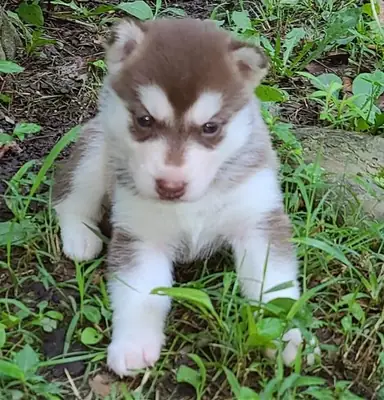
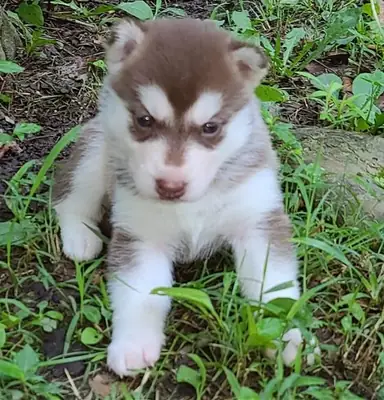
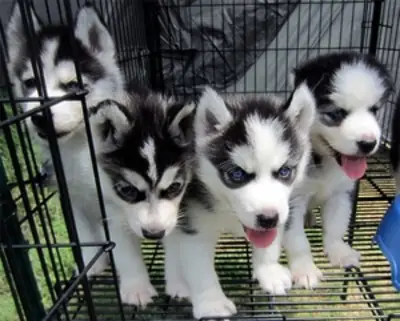
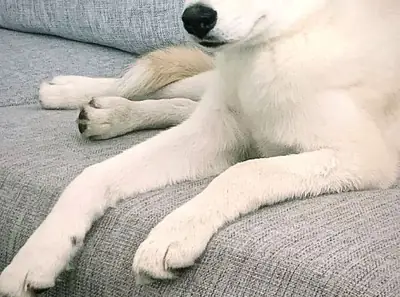
- Physical Characteristics: Long legs, large paws, powerful jaws, dense double coat, almond-shaped eyes (amber, yellow tones), erect ears.
2. Size, Weight and Growth Chart
| Age | Male Avg. Weight | Female Avg. Weight | Height (Shoulder) | Critical Notes |
|---|---|---|---|---|
| 2-3 months | 18-31 lbs (8-14 kg) | 15-26 lbs (7-12 kg) | 12-15 inches (30-38 cm) | High-protein puppy food, 4-5 meals/day, controlled growth monitoring |
| 6 months | 55-77 lbs (25-35 kg) | 49-66 lbs (22-30 kg) | 20-24 inches (50-60 cm) | Rapid growth period, joint health supplements, controlled exercise |
| 12 months | 77-110 lbs (35-50 kg) | 66-99 lbs (30-45 kg) | 24-28 inches (60-70 cm) M, 23-27 inches (58-68 cm) F | Transition to adult food, muscle development continues |
| 18+ months | 88-121 lbs (40-55 kg) | 77-106 lbs (35-48 kg) | 26-30 inches (65-75 cm) M, 25-28 inches (63-72 cm) F | Physical maturity reached, routine maintenance and conditioning |
Important Note: Wolf Dog sizes vary significantly depending on the parent dog breed and wolf content. High-content hybrids are typically larger and longer-legged.
3. Pricing and Lifetime Costs
- Puppy Price (US): $1,500 – $5,000 from licensed breeders with health screening and content documentation. Europe: €1,200 – €4,500; other regions vary.
- Monthly Care Costs: $350 – $550 for premium/raw feeding, supplements, veterinary care, secure enclosure maintenance, training.
- First Year Investments: Secure fencing system ($1,000-2,500), professional training ($600-1,200), comprehensive health screening ($300-500), genetic testing ($250-400), legal permits and documentation ($200-500).
- Annual Insurance: $450 – $900/year for specialized insurance packages, emergencies, rehabilitation. Note: Many insurance companies may exclude Wolf Dogs from coverage.
4. Nutrition Strategy and Diet Planning
Wolf Dogs require high-protein, moderate-fat, low-carbohydrate diets due to their natural feeding habits. Raw feeding (BARF) or high-quality meat-based commercial foods are preferred.
4.1 Daily Macronutrient Distribution
| Nutrient Group | Percentage | Quality Sources | Physiological Benefits |
|---|---|---|---|
| High-Quality Animal Protein | 40-50% | Raw meat (beef, lamb, goat, rabbit), organ meats, bone-in meats | Muscle development, energy, alignment with natural feeding habits |
| Healthy Fats | 15-20% | Fish oil, organ fats, coconut oil | Energy storage, skin-coat health, hormonal balance |
| Low-Glycemic Carbohydrates | 10-15% | Vegetables (carrots, squash, leafy greens), fruits (limited) | Fiber support, vitamin-mineral source |
| Bone and Cartilage | 10-15% | Raw bones, cartilage, joint supplements | Calcium, phosphorus, dental health, joint protection |
| Organ Meats | 5-10% | Liver, kidney, heart, spleen | Vitamins, minerals, nutrient density |
Feeding Schedule: Puppies: 4-5 meals daily (8 weeks-6 months); adolescents: 3 meals (6-12 months); adults: 2 meals daily. Energy needs may increase in cold weather or high activity periods.
4.2 Raw Feeding (BARF) Protocol
- Meat Sources: Raw, human-grade meat (beef, lamb, goat, rabbit, turkey). Frozen or fresh, careful selection for parasite risk.
- Bones: Raw, edible bones (chicken necks, wings, lamb ribs). Cooked bones should never be given.
- Organ Meats: 2-3 times weekly, not exceeding 10% of total diet.
- Vegetables: Raw or lightly steamed, pureed (to aid digestion).
- Supplements: Omega-3 (fish oil), probiotics, multivitamin complexes (veterinary consultation recommended).
4.3 Commercial Food Selection
- Criteria: Meat/meat meal in first 3 ingredients, grain-free or low-grain, high protein (35%+), natural preservatives.
- Brand Recommendations: Holistic, meat-based, high-quality formulas. Veterinarian-approved brands preferred.
- Transition: Slow transition (7-10 days) to adapt digestive system.
5. Training and Socialization Strategy
Wolf Dogs require specialized training approaches due to their strong instincts and independent nature. Early socialization and consistent, positive training are critical.
5.1 Early Socialization (6-16 Weeks)
- Controlled exposure to different human types (children, elderly, diverse appearances, different voice tones).
- Various environments (urban, rural, noisy areas, quiet areas, vehicles).
- Early introduction to other animals (dogs, cats—under very careful supervision, risky due to prey drive).
- Different surfaces, sounds, visual stimuli, scents.
- Preventing fear and aggression through positive experiences, reward-based approach.
5.2 Basic Obedience Training
- Commands: Sit, stay, come, place, drop it, no, slow. Short, regular sessions (10-15 minutes, twice daily).
- Method: Positive reinforcement, clicker training, reward-based approach. Dominance or harsh corrections break trust and can trigger unwanted behaviors.
- Leadership: Clear, consistent leadership required due to pack mentality. However, relationship should be based on respect and trust, not fear or force.
- Timing: Begin at 6-8 weeks, continue for life. Consistency is critical.
5.3 Advanced Training and Activities
- Scent Work: Nosework, tracking, logic puzzles, channeling natural instincts.
- Physical Activities: Long walks, hiking, running in secure open areas (in safely fenced areas).
- Mental Stimulation: Puzzle toys, interactive games, task-based activities.
- Important Warning: Agility or competitive sports may not suit Wolf Dog nature. Should be evaluated based on individual needs.
6. Health Management and Genetic Risks
6.1 General Health Status
- Genetic Diversity: Less prone to many breed-specific inherited diseases due to hybrid vigor.
- Large Breed Issues: Hip/elbow dysplasia, arthritis, joint problems (manageable with regular exercise and supplements).
- Eye Problems: May occur in some hybrids, annual eye exams recommended.
- Parasites: Regular external and internal parasite control (especially if raw feeding).
- Lifespan: Average 11-14 years (varies depending on health, care, and content level).
6.2 Lifetime Health Schedule
- Puppy Stage: Vaccination schedule (varies by legal status, veterinary consultation required), parasite control, genetic testing, first comprehensive check-up.
- Adult Stage: Comprehensive exams twice yearly, annual blood profile, urinalysis, hip/elbow monitoring (at 24 months), dental cleaning.
- Senior Stage: Exams every 6 months, comprehensive lab tests, joint assessment, vision-hearing tests.
6.3 Veterinary Care and Legal Status
- Finding a Veterinarian: Some veterinarians may decline Wolf Dogs. Research in advance, find experienced veterinarian.
- Vaccination Status: Rabies and other vaccination legal status varies by region. Comply with local regulations.
- Health Documents: Legal permits, microchip registration, health certificates must be kept current.
7. Coat Care and Grooming
Wolf Dogs' dense double coat requires regular care, especially during seasonal shedding periods.
- Brushing: 2-3 times weekly during normal periods, daily during shedding seasons (spring-fall). Use undercoat rake, slicker brush, detangling comb.
- Bathing: Only when needed (monthly or less) to preserve natural oils. Hypoallergenic shampoo, thorough drying (especially undercoat).
- Seasonal Care: Heavy shedding ("blowing coat") in spring and fall, more frequent brushing required during these periods.
- Ears and Nails: Weekly ear inspection and cleaning, nail trimming every 2-3 weeks.
8. Lifestyle and Housing Requirements
8.1 Housing and Security
- Fencing System: Minimum 6-10 feet height, strong and sturdy material, dig-proof base (concrete or wire mesh under fence), electric fence can be added. Escape prevention critical.
- Space Requirements: Large, secure open area (minimum 5,000-10,000 sq ft), sufficient space for running and exploration.
- Indoor: Cool, well-ventilated area, spacious bed area, water bowls (always clean water), temperature control (Wolf Dogs tolerate cold, sensitive to heat).
- Security: Double gate system, secure locks, escape prevention protocols.
8.2 Family and Child Relationships
- Children: Can adapt to children with proper socialization, but small children must be constantly supervised. Caution required due to prey drive and strength.
- Other Animals: Strong prey drive toward small animals (cats, small dogs, birds). Living together may be risky. Careful introduction required with large dogs.
- Strangers: Naturally cautious, balanced behavior can be developed with socialization. Forced socialization should be avoided.
8.3 Legal Regulations and Responsibility
- Legal Status: Wolf Dogs are banned or restricted in many regions. Check local, county, and state laws.
- Permits and Documentation: Required permits, registrations, health certificates, microchip registration.
- Liability: High liability insurance, secure housing, escape prevention, responsibility to public.
- Public Spaces: Leash and muzzle regulations, well-trained behavior, owner responsibility.
9. Frequently Asked Questions
Are Wolf Dogs dangerous?
Not inherently dangerous, but require experienced owners due to strong instincts, independent nature, and large size. Can be balanced animals with proper training, socialization, and responsible ownership. Legal regulations include restrictions in many regions.
Are they suitable for apartment living?
No, not suitable for apartment living. Rural or large-yard homes preferred due to large secure open area, strong fencing system, and high exercise needs.
How much exercise do they need?
Requires minimum 120-180 minutes daily physical activity (running, walking, exploration) and continuous mental stimulation (training, puzzle toys, scent work). Insufficient exercise can lead to behavioral problems like howling, digging, escape attempts.
Are they good with children?
Can adapt to children with proper socialization and training, but small children must be constantly supervised. Caution required due to prey drive and strength.
What is the legal status?
Wolf Dogs are banned or restricted in many countries, states, and cities. Checking local laws before adoption is critical. Permits, registrations, and special documentation may be required.
Is veterinary care difficult?
Some veterinarians may decline Wolf Dogs. Research in advance, find experienced veterinarian. Vaccination status and legal documents vary by region.
10. Conclusion and Recommendations
The Wolf Dog, as a unique hybrid, carries characteristics of both wolf and dog. These powerful, intelligent, and independent animals can become remarkable companions with the right owner, appropriate environment, and comprehensive care. However, this breed requires experienced owners, large secure areas, specialized nutrition, and continuous training. With consideration of legal regulations, responsible ownership, and comprehensive preparation, adopting a Wolf Dog can be a happy experience for both animal and owner. Before adopting this breed, remember to check legal status, seek information from experienced breeders, and set realistic expectations.