Sokoke Cat: Complete Breed Guide, Care, Personality & Rare Wood-Grain Coat
The Sokoke is a rare, natural breed from coastal Kenya, known for its unique ticked tabby coat that resembles tree bark—called “khadzonzo” (looks like tree bark) by the local Giriama people. Lean, athletic, and intelligent, Sokokes are active and family-oriented despite their wild look. This guide covers everything potential owners search for: Sokoke cat origin, appearance, temperament, care, health, and whether this rare breed is right for you.
Sokoke Cat Quick Facts
Key facts that people look for when researching Sokoke cats.
- Origin: Kenya (Arabuko-Sokoke Forest area; discovered late 1970s)
- Size: Medium; lean and athletic
- Weight: About 2.3–4.5 kg (5–10 lb)
- Lifespan: 12–20 years with proper care
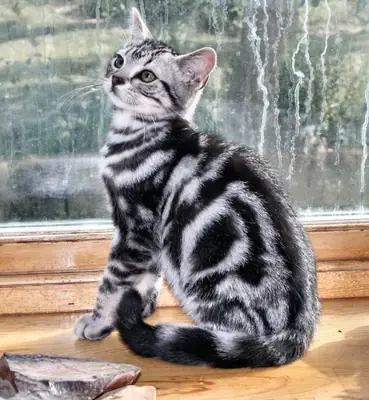
- Coat: Short, dense, no undercoat; unique ticked tabby “wood grain” pattern
- Colour: Brown shades (warm brown ticked tabby)
- Eyes: Amber to light green
- Activity level: High; very active, loves climbing and play
- Temperament: Intelligent, playful, vocal, family-oriented; can be cautious with strangers
Sokoke Cat History and Origin
The Sokoke comes from the Arabuko-Sokoke Forest region near the coast of Kenya. The local Giriama people knew the feral cats as “khadzonzo”—meaning “looks like tree bark”—because of their distinctive coat. In 1978, horse breeder Jeni Slater discovered them near Watamu and began working with the breed. Breeding programmes developed the Sokoke as a recognised breed; FIFe (Fédération Internationale Féline) granted official recognition in 1993. The Sokoke remains rare worldwide. It is a natural breed—developed from local forest cats rather than from crosses with other established breeds—and is fully domestic in behaviour.
Sokoke Cat Appearance and Coat
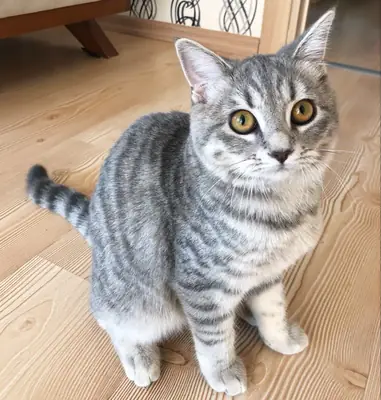
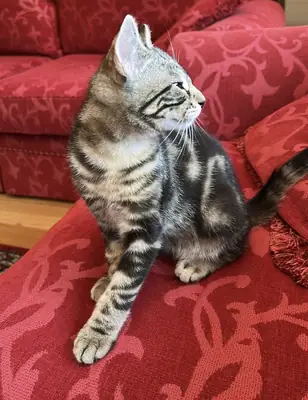
Sokokes are medium-sized, lean cats with long legs and an athletic build. The coat is short, dense, and has no undercoat, so it lies close to the body and is easy to care for. The standout feature is the ticked tabby pattern (agouti): each hair has alternating bands of colour, creating a “wood grain” or tree-bark effect that is unique among domestic cats. The pattern is typically in warm brown tones. The eyes are amber to light green. Movement is often described as graceful and cheetah-like, with a distinctive tip-toe gait in the hind legs. Overall, the Sokoke looks wild and elegant but is a fully domestic cat.
Coat Pattern: Wood Grain / Ticked Tabby
The Sokoke’s coat is a form of ticked (agouti) tabby—not classic stripes or spots. The banding on each hair produces a fine, marbled “wood grain” that blends with the brown base. This pattern provided camouflage in the forest and is the breed’s defining visual trait.
Sokoke Cat Personality and Temperament
Sokokes are intelligent, playful, and active. They form strong bonds with their human and feline family and are often very vocal—they will “talk” to their owners. They are affectionate but not overly clingy; they like to be near their favourite person and may follow them from room to room. They tend to be cautious with strangers at first but warm up once they feel safe. They are non-aggressive and sensitive to their owner’s mood. They need daily play, climbing opportunities (tall cat trees, shelves), and mental stimulation (puzzle toys, interactive games). They do not thrive in extreme cold for long periods and are best suited to a controlled indoor environment or secure outdoor access in mild climates.
Are Sokoke Cats Good with Kids and Other Pets?
With proper introduction and socialisation, Sokokes generally get on well with considerate children and other cats or cat-friendly dogs. Their active, playful nature means they enjoy interactive play; supervision with very young children is wise. They are social and can do well in a multi-cat household if personalities and space allow.
Sokoke Cat Care: Grooming, Feeding, and Environment
Sokoke care is relatively straightforward. The short, close coat needs only weekly brushing to remove loose hair and keep the coat glossy. Nail trimming and ear checks should be part of the routine. Feed a high-quality, age-appropriate cat food; Sokokes have no special dietary requirements. Because they are lean and active, avoid overfeeding—obesity can cause health problems. Fresh water should always be available. Provide tall cat trees, shelves, and climbing options and set aside time for daily interactive play (wand toys, fetch, puzzle feeders) to keep them physically and mentally satisfied. A bored or under-stimulated Sokoke may become restless or vocal.
Sokoke Cat Health and Lifespan
With good care, Sokokes typically live 12–20 years. They are generally considered healthy with no known breed-specific genetic disorders. As with any cat, routine vet checks, vaccinations, parasite control, and dental care support a long life. Their lean build means keeping them at a healthy weight and ensuring they stay active is important, especially as they age. They are not well suited to prolonged exposure to very cold temperatures; keep them in a warm, draft-free environment in winter.
Frequently Asked Questions About Sokoke Cats
Where does the Sokoke cat come from?
The Sokoke is from Kenya, specifically the Arabuko-Sokoke Forest area near the coast. The breed was developed from local feral cats discovered in the late 1970s by Jeni Slater and recognised by FIFe in 1993.
How big do Sokoke cats get?
Sokokes are medium-sized. Adults typically weigh about 2.3–4.5 kg (5–10 lb). They have long legs and a lean, athletic body—they look light and agile rather than heavy.
How long do Sokoke cats live?
With proper diet, housing, and vet care, Sokokes often live 12–20 years. Some sources cite 12–15 years; good care and genetics influence lifespan.
Are Sokoke cats rare?
Yes. The Sokoke is one of the rarest domestic cat breeds. Breeders and numbers are limited worldwide, so finding a Sokoke may require research and possibly travel or waiting lists.
Do Sokoke cats shed?
They have a short coat with no undercoat, so they shed moderately. Weekly brushing helps keep loose fur under control.
Are Sokoke cats hypoallergenic?
No breed is truly hypoallergenic. Sokokes have short coats and no undercoat, but they still produce the Fel d 1 allergen. If you have allergies, spend time with a Sokoke before committing.
How much does a Sokoke cat cost?
Because they are rare, Sokokes from responsible breeders can be expensive and may involve long waiting lists. Prices vary by region and lineage. Rescue or rehoming is uncommon but worth checking.
Is the Sokoke Cat Right for You?
The Sokoke suits owners who want an active, intelligent, and distinctive cat and can provide daily play, climbing space, and mental stimulation. They are not ideal for someone who wants a very quiet, low-energy cat or who cannot offer regular interaction. Because they are rare, acquiring one may take time and effort. If you are ready for a vocal, playful, and loyal companion with a unique look, the Sokoke is a rewarding choice for the right home.