Sphynx Cat 2026 Master Guide: Skin Care, Power Bills, Health Screens and Real Money
The Sphynx is a lifestyle breed. People fall for the alien ears and radiator-hogging cuddles, then get surprised by weekly baths, blackheads, higher food bills and the heating budget of a small lizard. This guide is deliberately long: it lists actual price bands, monthly running costs and vet topics ethical breeders should document—so you can decide with a spreadsheet, not just Instagram reels.
1. What “hairless” actually means
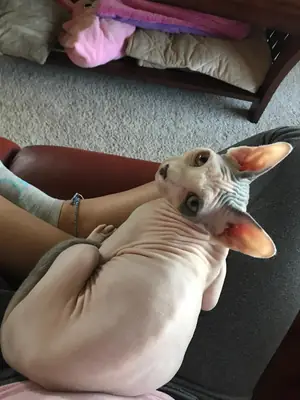
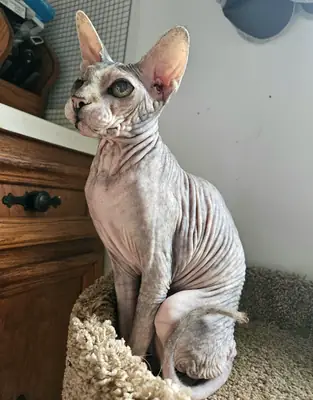
Sphynx cats are not naked in the biological sense. Most have a peach-fuzz coat you feel more than see. Sebaceous glands still produce oil meant to travel down hair shafts—without fur, that oil sits on skin and fabric. That single fact drives bathing, laundry, acne-like comedones and the breed’s distinctive “musk.” If you want low-maintenance aesthetics, this is the wrong cat.
- Origin story (short): Canadian natural mutation, refined from the 1960s onward; today’s lines are diverse in type and health culture.
- Build: Often described as “pot-bellied kitten” forever—barrel chest, visible abdomen, warm skin.
- Lifespan: Commonly cited 9–15 years; outliers exist. Cardiac and dental diligence moves the needle.
2. Quick snapshot for shoppers
| Topic | Reality check |
|---|---|
| Allergies | Not hypoallergenic—Fel d 1 still present; some react less to fur but not universally. |
| Cold | Indoor temps many humans find “fine” can feel chilly; sweaters optional, warm zones mandatory. |
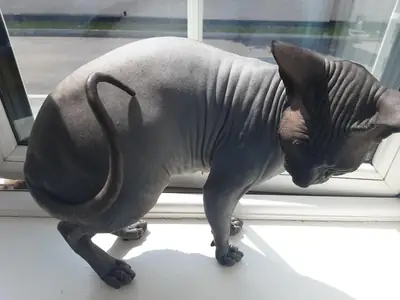
| Sun | Burn risk in direct UV; window sunbeam needs supervision or film. |
| Noise | Often social and vocal; not a silent ornament. |
3. Temperament: “part cat, part dog, part heat-seeking missile”
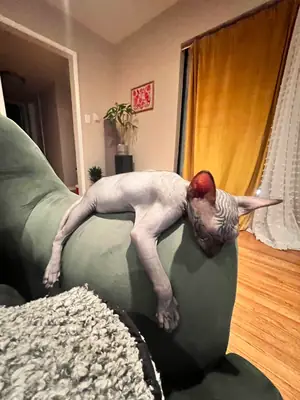
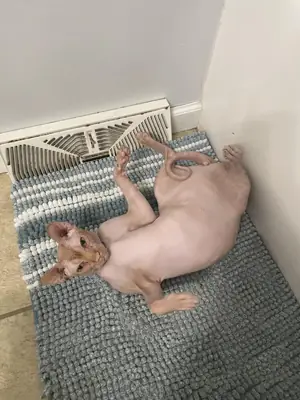
Many Sphynx owners report extreme people-orientation: following rooms to rooms, under blankets, into showers. They can be bold with strangers if socialised, but also drama-prone when bored. Plan daily interactive play and vertical space—hairless does not mean low energy.
4. Kitten purchase price bands (late 2025–2026, indicative)
Prices swing with colour, lineage, show titles, HCM echo history and waiting-list hype. Treat numbers as planning anchors, not quotes.
| Market | Typical registered breeder range | What often sits at the top end |
|---|---|---|
| United States | USD 2,000–4,500 | Documented cardiac screening, rare colour, import lines |
| United Kingdom | £1,400–3,200 | GCCF/TICA paperwork, parental echo logs |
| Western EU (DE/FR/NL) | €1,800–4,000 | EU pet passport prep, genetic test bundles |
| “Too cheap to trust” red flag | Under ~USD 1,200 / £900 / €1,000 for “pure” Sphynx with no paperwork—budget instead for dermatology and cardiology catch-up. | |
Rescue route: Adult rehomes appear via breed clubs and rescues; adoption fees may be £300–£800 / $300–$900 but skin and dental work can follow immediately—keep a vet float.
5. Monthly maintenance budget (owner-reported clusters)
Sphynx households often spend more than average shorthair homes because of food volume, heating bias, skin products and laundry.
| Line item | USD/month rough band | Notes |
|---|---|---|
| Premium wet + dry + raw topper (if used) | $80–180 | High metabolism; “free feed cheap kibble” shows fast as greasy skin. |
| Heating / climate (incremental) | $15–60 | Warmer flat target 22–25°C / 72–77°F in cool seasons. |
| Skin wipes, shampoo, ear cleaner | $15–40 | Hypoallergenic vet-approved brands beat human kitchen hacks. |
| Laundry (extra cycles) | $10–25 | Bedding rotation controls oil staining and acne triggers. |
| Insurance premium (accident/illness) | $35–90 | Sphynx can be rated higher; read dermatology exclusions. |
Annual all-in sketch (healthy adult, insured, no emergencies): many realistic budgets land USD 2,800–5,500/year all modules combined—before travel, dental under anaesthesia or echocardiogram surcharges.
6. Skin and bathing: schedules that work
There is no universal law—oil production varies by individual, diet and hormones. Use this as a starting framework and adjust with your vet or dermatology-savvy clinician.
| Task | Frequency starter | Why it matters |
|---|---|---|
| Full bath (mild cat shampoo) | Weekly to biweekly | Removes sebum that causes sticky skin and fabric transfer. |
| Chlorhexidine or vet-directed wipes (folds) | 2–4× weekly | Axilla, groin, chin—comedone hot spots. |
| Ear cleaning | Weekly | Wax buildup is common; avoid Q-tip deep pokes. |
| Nail trim | Every 10–14 days | No fur to blunt claws on scratching posts as much. |
| Eye goop wipe | As needed | No eyelash buffer; crust collects. |
After-bath rule: dry thoroughly; trapped moisture in folds breeds yeast frustration. Keep the cat in a warm room until completely dry—hypothermia is a real beginner mistake.
7. Nutrition: high throughput metabolism
| Life stage | Focus | Practical note |
|---|---|---|
| Kitten | Calorie density + growth balance | Multiple meals; track body condition weekly. |
| Adult | Lean muscle, urinary moisture | Wet component often ≥40% of calories helps kidneys. |
| Senior | Thyroid and kidney labs | “Always hungry” can be medical, not breed quirk. |
Rotate novel proteins only if there is a medical reason—trendy elimination diets without supervision waste money and skew nutrient balance.
8. Home environment: thermal and UV
- Beds: Provide covered caves, heated pet mats (thermostat-controlled), washable fleece layers.
- Windows: UV can burn hairless skin; sheer curtains or solar film reduce risk while keeping light.
- AC in summer: Don’t blast cold air directly on sleeping spots.
9. Health priorities owners should budget for
9.1 Hypertrophic cardiomyopathy (HCM)
Sphynx lines carry cardiac conversation—some programmes echocardiogram breeding cats. Ask for dates and cardiologist names, not “vet said fine.” Repeat screening in adults because HCM can develop over time. Echocardiogram packages often run $300–600+ in US metro areas before treatment.
9.2 Skin infections
Malassezia, bacterial pyoderma, chin acne from plastic bowls—expect occasional cytology swabs and medicated shampoos.
9.3 Dental disease
Some pedigrees show early periodontal issues—scale and polish under anaesthesia may hit $600–1,200 with pre-op bloodwork.
9.4 Hereditary myopathy
Genetic testing exists; serious breeders disclose carrier status.
10. Breeder questionnaire (copy/paste)
- Parental HCM echo dates and results—digital copy?
- PKD / genetic panel used—which lab?
- Kitten dermatology exam before go-home?
- FIV/FeLV policy and multi-cat housing?
- Written health warranty window and refund vs credit terms?
- Socialisation protocol—sounds, handling, bathing intro?
11. Kids, dogs, apartments
Apartments work if you accept vocalisation and heating costs. With dogs, supervise play—claws mark skin easily. Children must learn gentle handling; Sphynx are not fuzzy teddies for squeezing.
12. Extended FAQ
Do they smell?
They can if baths slip—neutral scent is achievable with routine, not magic.
Clothes—yes or no?
Optional fashion; function is warmth. Avoid tight seams rubbing axillae.
Can they go outside?
Only supervised, weather-appropriate, sun-safe scenarios—never unsupervised patio.
Are they good for first-time owners?
Only if you enjoy high-touch care; otherwise pick a coated breed.
Why is my kitten’s skin so oily?
Hormones + diet + adolescence; vet check if accompanied by redness or pain.
Insurance denial patterns?
Read fine print for “congenital skin” clauses; appeal with diagnostics if needed.
13. Bottom line
The Sphynx is a premium companion in time and money. Buy the cat after you price heating, dermatology, echo schedules and food volume—then the breed’s affection pays compound interest for years.