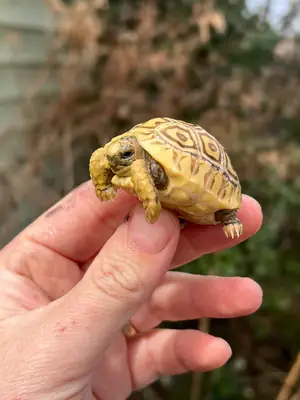
Leopard Tortoise: Desert Beauty, Care, Nutrition, Health and 2026 Habitat Guide
The Leopard Tortoise is a large land tortoise species native to the arid regions of Africa, known for its characteristic leopard-patterned shell and hardy nature. In 2026, smart terrarium systems, automated feeding solutions, advanced health monitoring technologies, and climate control tools have made it possible to optimize care for this magnificent reptile.
1. Species Profile and Characteristics
- Weight: 15 – 50 kg (adult, varies by species)
- Shell length: 40 – 70 cm (adult)
- Lifespan: 50 – 100 years (100+ years with excellent care)
- Temperament: Calm, hardy, curious, independent
- Shell structure: High-domed, leopard-patterned, yellow-brown tones
- Color variations: Light yellow, dark brown, black patterns
- Natural habitat: Eastern and Southern Africa, arid grasslands, savannas
- Special adaptations: Arid climate resilience, long lifespan, strong legs
2. Terrarium and 2026 Smart Terrarium Setup
- Minimum terrarium size: 200×100×50 cm (for adult); larger is always better.
- Outdoor area: Safe, fenced garden area (if climate suitable) is ideal.
- Climate control: 2026 smart sensors maintain temperature 24–32°C (day), 18–22°C (night), humidity 40–60%.
- UV lighting: UV-B lamps (10.0 or 12.0) 10–12 hours daily; critical for vitamin D synthesis.
- Heating: Ceramic heaters, heating mats; hot spot 32–35°C, cool area 24–26°C.
- Substrate: Soil, sand mixture, grass; sufficient depth for digging (15–20 cm).
- Decoration: Hiding areas, rocks, natural plants, water dish.
3. Nutrition and Detailed Feeding Plan
Leopard Tortoises are herbivores; they should be fed high-fiber, low-protein, calcium-rich diet. In 2026, RFID-enabled smart feeding systems provide portion control, eating habit analysis, and nutrition trend reports.
| Food Group | Daily Target | Sources and Examples | Benefits |
|---|---|---|---|
| Leafy greens | Daily 70–80% | Collard greens, mustard greens, dandelion, lettuce (limited), arugula, turnip greens | High fiber, calcium, vitamin A, K, low oxalate |
| Grass and hay | Daily 10–15% | Grass, clover, timothy hay, Bermuda grass | Natural feeding, high fiber, digestive health |
| Vegetables | 2–3 times per week | Zucchini, carrot (limited), sweet potato (limited), pumpkin | Vitamin variety, beta-carotene |
| Fruits | 1–2 times per week very limited | Apple, pear, melon (very small amount) | Natural sugar (use with caution) |
| Calcium supplements | Daily | Calcium powder (without D3), calcium blocks, cuttlebone | Shell health, bone development, metabolic bone disease prevention |
| Multivitamin | 1–2 times per week | Tortoise multivitamin powder | General health, vitamin balance |
Feeding strategy: Daily fresh greens and hay mixture; morning and evening feeding. Clean water must be available 24/7 in water dish. High-protein foods (meat, dairy) and high-oxalate foods (spinach, chard) should be avoided.
4. Care, Cleaning and Hygiene
- Shell care: Regular checks, veterinary examination for softening or abnormalities.
- Bathing: 1–2 times per week warm water bath (15–20 minutes); hydration and cleaning.
- Nail care: Regular nail checks, professional trimming if needed.
- Terrarium cleaning: Daily feces cleaning, weekly substrate check, monthly deep cleaning.
- Water dish: Daily cleaning and water change; clean water always available.
- UV lamp replacement: UV-B lamp replacement every 6 months; prevent effectiveness loss.
5. Health Monitoring and Common Issues
- Weight tracking: Monthly weighing; sudden weight changes may indicate health problems.
- Shell health: Softening, cracks, abnormal growth require urgent veterinary intervention.
- Respiratory problems: Nasal discharge, shortness of breath, wheezing require urgent veterinary intervention.
- Metabolic bone disease: Insufficient UV and calcium; early diagnosis and treatment is critical.
- Constipation: Insufficient hydration or fiber; bath and diet adjustment.
- Parasites: Internal and external parasites; regular veterinary checks are important.
- Eye problems: Swelling, redness, closed eyes require veterinary intervention.
- Aging signs: After age 50+, decreased activity, slow movement may be normal; special care needed.
6. Behavior, Socialization and Enrichment
- Natural behavior: Diurnal active, basking love, digging behavior.
- Social living: Usually alone or in small groups; aggressive interactions should be avoided.
- Enrichment: Hiding areas, different substrate depths, natural decoration, basking areas.
- Exercise: Wide area, walking opportunities, digging activity.
- Hibernation: Natural in some regions; should be managed with veterinary consultation.
- Stress management: Quiet environment, adequate hiding areas, regular routine.
7. 2026 Technology Integration
- Smart climate sensors: Real-time monitoring of temperature, humidity, UV index.
- Automated feeding systems: Programmable feeding with RFID recognition, portion control.
- Smart UV management: Automatic UV lamp control, timers, effectiveness tracking.
- Motion sensors: Activity tracking, behavior analysis, health trends.
- Smart heating: Automatic temperature control, energy saving, zonal heating.
- Mobile app integration: Remote monitoring, alarms, trend analysis.
8. Breeding and Hatchling Care (Informational)
- Leopard Tortoises reach sexual maturity at 12–15 years.
- Breeding season usually rainy periods; egg laying after mating.
- Egg laying usually 5–15 eggs; incubation period 90–120 days.
- Hatchlings 3–5 cm at birth; require special care and feeding.
- During breeding, avoid stress, provide adequate space and suitable conditions.
9. Climate and Environmental Requirements
- Temperature: Day 24–32°C, night 18–22°C; hot spot 32–35°C.
- Humidity: 40–60% range; very high humidity can cause respiratory problems.
- UV requirement: 10–12 hours UV-B light daily; critical for vitamin D synthesis.
- Ventilation: Good ventilation; air circulation is important.
- Outdoor: Safe outdoor area ideal if climate suitable; basking opportunities.
10. Frequently Asked Questions
How long do Leopard Tortoises live?
They can live 50–100 years with good care; some may reach 100+ years. It is a very long-term commitment.
How large do they grow?
Adults shell length 40–70 cm, weight 15–50 kg varies.
What temperature is needed?
Day 24–32°C, night 18–22°C; hot spot should be 32–35°C.
Do they need UV light?
Yes, 10–12 hours UV-B light daily is essential; critical for vitamin D synthesis and shell health.
What should they eat?
High-fiber greens, grass, calcium supplements; high-protein foods should be avoided.
How often should they bathe?
1–2 times per week warm water bath; important for hydration and cleaning.
Can they be kept outdoors?
Yes if climate suitable; safe, fenced area and suitable shelter required.
What diseases are common?
Metabolic bone disease, respiratory problems, parasites; regular veterinary checks are important.
Why does shell softening occur?
Insufficient UV, calcium deficiency or metabolic bone disease; urgent veterinary intervention required.
Are they suitable for children?
Should be carefully considered due to long lifespan and large size; constant supervision required.
11. Conclusion
Leopard Tortoise is a unique pet with hardy nature, long lifespan, and characteristic appearance. With proper terrarium conditions, high-fiber nutrition, regular UV light, calcium supplements, regular health monitoring, and 2026 technologies, it lives a healthy, happy, and long life. Adopting this species is an ideal choice for experienced owners who understand long-term commitment and special care requirements.