Yellow-bellied Slider: Characteristics, Care, Nutrition, Habitat, Health and 2026 Guide
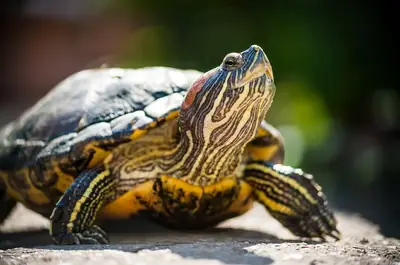
The yellow-bellied slider (Trachemys scripta scripta) is a popular freshwater turtle native to North America. Known for its bright yellow cheek markings, active behavior, and relatively easy care. In 2026, smart water quality monitoring systems, automated feeding solutions, UV lighting technologies, and advanced filtration systems have made it possible to optimize the care of these charming turtles.
1. Species Profile and Characteristics
- Scientific Name: Trachemys scripta scripta
- Order: Testudines
- Family: Emydidae
- Origin: North America (Southeastern USA)
- Size: Males: 12–20 cm, Females: 20–30 cm shell length
- Weight: 200–500 grams (adults can reach 1+ kg)
- Lifespan: 20–40 years (50+ years with optimal care)
- Shell color: Greenish brown, yellow striped pattern
- Distinguishing feature: Bright yellow stripes/markings on cheeks
- Feeding type: Omnivorous (juveniles), omnivorous (adults - more herbivorous)
- Habitat: Freshwater ponds, rivers, swamps, slow-moving waters
- Temperament: Active, curious, sun-loving, social
2. Habitat Setup and 2026 Smart Habitat Design
- Aquarium/Paludarium size: Minimum 200 liters for one adult turtle; larger tanks recommended. General rule: 5–10 times shell length in liters volume.
- Water depth: At least 1.5–2 times shell length; 30–50 cm depth ideal for adults.
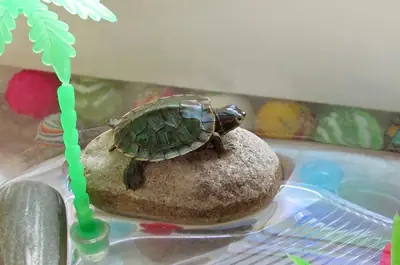
- Dry area (basking platform): Absolutely necessary; about 25–30% of water area; should be directly exposed to UV light, easy access ramp required.
- Water parameters: Temperature 22–28°C (optimal 24–26°C), pH 6.5–8.0 (optimal 7.0–7.5), ammonia 0 ppm, nitrite 0 ppm, nitrate <20 ppm.
- 2026 Smart water quality monitoring: Real-time pH, ammonia, nitrite, nitrate, temperature, oxygen sensors; instant notifications and data graphs to mobile app.
- Filtration system: Powerful external filter or canister filter; 4–5 times tank volume hourly flow; biological, mechanical and chemical filtration.
- Heating: Water heater (wattage according to tank size); thermostat control, safety cover; 2026 smart heaters provide mobile app integration.
- UV lighting: UVA/UVB combination; 10–12 hours daily over basking area; UVB critical for calcium absorption. 2026 LED UV systems more efficient.
- Heat lighting: Basking spot on basking platform; 32–35°C temperature; supports basking behavior.
- Decor: Natural rocks, driftwood, plants (hardy species), hiding places; avoid sharp edges.
- Substrate: Fine gravel or sand (caution not to ingest); some keepers prefer substrate-free (easier cleaning).
- 2026 automatic maintenance: Smart filters, automatic water change systems, water quality monitoring and alert systems, programmable lighting.
3. Nutrition and Detailed Feeding Plan
Yellow-bellied sliders are omnivorous creatures; feeding habits vary with age. Juveniles are more carnivorous, adults more herbivorous. In 2026, automated feeders and personalized feeding plans ensure optimal nutrition.
| Age Group | Protein/Herbivorous Ratio | Main Foods | Feeding Frequency | Special Notes |
|---|---|---|---|---|
| Hatchling (0–2 years) | 70% protein / 30% plant | Turtle pellets, small fish, shrimp, insects, worms, algae | 1–2 times daily | High protein need, rapid growth, shell development |
| Juvenile (2–5 years) | 50% protein / 50% plant | Turtle pellets, fish, shrimp, vegetables, leafy greens, fruits | Once daily | Balanced nutrition, transition period |
| Adult (5+ years) | 25% protein / 75% plant | Vegetables, leafy greens, fruits, turtle pellets, weekly protein | Once daily or every other day | Herbivorous emphasis, obesity prevention, shell health |
- Protein sources: Turtle pellets (especially for hatchlings), small fish (guppy, platy), shrimp, insects, worms, frozen bloodworms, frozen shrimp.
- Plant foods: Dark green leafy vegetables (kale, spinach, lettuce), carrots, squash, cucumber, apples, strawberries, algae, aquatic plants.
- Calcium support: Critical for bone development; calcium powder, cuttlebone, calcium-containing pellets.
- Vitamin support: Multivitamin supplements (1–2 times weekly), especially D3 vitamin with UV light.
- Feeding strategy: Portion control, obesity prevention; feed in water (natural behavior); one fasting day per week.
- 2026 feeding technologies: Smart feeders, portion control, automatic feeding schedules, nutrition tracking applications.
4. Care and Daily Routine
- Water change: Weekly 25–50% water change; partial changes cause less stress; tap water must be dechlorinated.
- Filter maintenance: Monthly filter cleaning; biological filtration should be preserved; filter media regular check.
- Shell care: Natural abrasion (rocks, driftwood); algae formation normal (natural appearance); gentle brush cleaning when needed.
- Basking area cleaning: Regular cleaning; removal of feces and food debris; maintains water quality.
- UV light replacement: UVB bulbs should be replaced every 6–12 months (efficacy loss); check with UV meter.
- Shell check: Regular visual inspection; softening, lesions, abnormal growth; early diagnosis critical.
- Eye and nose check: Swelling, redness, discharge; signs of respiratory problems.
- 2026 smart care: Wearable health sensors, automatic water quality reporting, smart lighting systems, health monitoring applications.
5. Health Monitoring and Common Health Issues
- General health signs: Active swimming, good appetite, bright eyes, hard shell, normal basking, clean nostrils.
- Shell Softening (Metabolic Bone Disease): Calcium deficiency, UVB insufficiency; calcium supplements, UV light optimization, veterinarian check.
- Respiratory Infections: Nasal discharge, open-mouth breathing, lethargy; antibiotic treatment, temperature optimization, clean water.
- Eye Infections: Swollen eyes, unclosed eyes, redness; vitamin A deficiency, water quality; antibiotic eye drops, veterinarian check.
- Shell Injuries: Cracks, holes, fungal infections; cleaning, antibiotic ointments, veterinarian repair may be needed.
- Obesity: Overfeeding, insufficient exercise; portion control, diet adjustment, activity increase.
- Internal Parasites: Worms, protozoa; regular fecal checks, antiparasitic medications, veterinarian treatment.
- Egg Binding (Females): Laying difficulty, lethargy; calcium supplements, temperature, veterinarian intervention may be needed.
- 2026 health technologies: AI-supported image analysis, behavior tracking, early disease detection, tele-veterinary consultations, health data monitoring.
6. Behavior and Socialization
- Basking behavior: Natural and necessary; 8–12 hours UV light daily; shell health, vitamin D synthesis, temperature regulation.
- Swimming behavior: Active swimmers; prefer deep water; hiding places important.
- Social behavior: Generally social; several individuals of same species can be kept together (if sufficient space); aggressive behaviors may be observed.
- Curiosity: Like to explore environment; decor changes can attract interest; enrichment important.
- Hibernation: Natural in cold climates; 10–15°C temperature; careful management required; usually not necessary in home environment.
- Stress signs: Loss of appetite, hiding, excessive inactivity, retracting into shell; environmental factors should be checked.
7. Breeding and Hatchling Care
- Sex differentiation: Males: smaller, long front claws, thick tail, cloaca away from body; Females: larger, short claws, thin tail, cloaca close to body.
- Mating: Spring-summer months; males chase females, mating in water; careful observation needed.
- Egg laying: Females come ashore, dig in sandy area, lay 5–15 eggs; eggs incubate 60–90 days.
- Laying box: Moist sand, temperature control (26–30°C), 70–80% humidity; hatchlings emerge on their own.
- Hatchling care: Small tank (40–60 liters), shallow water, high protein diet, regular water changes, UV light critical.
- Growth: Rapid growth first year; regular feeding, appropriate conditions; sexual maturity in 2–3 years.
- 2026 breeding technologies: Temperature-controlled incubation systems, automatic humidity management, hatchling health monitoring, breeding data analysis.
8. 2026 Technology Integration
- Smart water quality monitoring: WiFi-connected sensors monitor pH, ammonia, nitrite, nitrate, temperature, oxygen levels in real-time; send instant notifications and data graphs to mobile app.
- Automatic feeding systems: Programmable automatic feeders; portion control, feeding schedules, water quality integration.
- Smart UV/LED lighting: Programmable UV spectrum, daylight simulation, automatic timing, energy efficiency, mobile control.
- Smart filters: Automatic cleaning, performance reporting, bacterial colony monitoring, filter efficiency analysis, maintenance alerts.
- Smart heaters: Thermostat control, temperature stabilization, energy savings, mobile app integration, safety features.
- AI disease detection: Camera-based image analysis, behavior tracking, early disease symptom detection, automatic alerts, veterinarian recommendations.
- Smart aquarium management: Central control integrating all systems; automatic maintenance routines, data analysis, remote access.
9. Frequently Asked Questions
How long do yellow-bellied sliders live?
Can live 20–40 years with optimal care; some individuals may live 50+ years. Proper nutrition, UV light, water quality and veterinarian care increase lifespan.
How large aquarium is needed?
Minimum 200 liters for one adult turtle; ideally 300+ liters. General rule: 5–10 times shell length in liters volume.
Is UV light really necessary?
Yes, absolutely necessary. UVB light is critical for calcium absorption and vitamin D synthesis. Insufficiency leads to shell softening.
How often should I feed?
Hatchlings 1–2 times daily, juveniles once daily, adults once daily or every other day. Portion control critical for obesity prevention.
What should water temperature be?
22–28°C (optimal 24–26°C). Cold water slows metabolism, too warm water causes stress.
Is basking platform mandatory?
Yes, absolutely necessary. Critical for shell health, temperature regulation and vitamin D synthesis. About 25–30% of water area as dry area.
Why is shell softening?
Calcium deficiency, UVB light insufficiency or feeding problems. Calcium supplements, UV light optimization and veterinarian check needed.
Can I keep with other fish?
Should be cautious. Turtles can eat small fish. Large, fast fish or separate tank preferred.
How often should I change water?
Weekly 25–50% water change recommended. Can be done less frequently with strong filtration. Water quality tests should be done regularly.
How to differentiate sex?
Males are smaller, long front claws, thick tail, cloaca away from body. Females are larger, short claws, thin tail, cloaca close to body.
Do they hibernate?
In nature yes in cold climates. Usually not necessary in home environment; temperature should be kept stable. Hibernation requires careful management.
Is algae on shell normal?
Yes, normal and harmless. Provides natural appearance. Excessive algae formation may indicate water quality problems.
What is needed to get hatchlings?
Mating, laying box, incubation conditions, hatchling care tank, high protein diet, regular care. Suitable for experienced keepers.
Which plants are safe?
Hardy aquatic plants: Java fern, Anubias, Elodea. Turtles can eat or damage plants, hardy species should be chosen.
10. Conclusion
Yellow-bellied slider is a wonderful pet when proper care and suitable conditions are provided. With adequate space, appropriate water quality, balanced nutrition, UV light, basking platform, regular maintenance and 2026 technologies, these charming turtles live healthy and happy for many years. An excellent choice for patient, knowledgeable keepers.