Tetra: Tropical Beauty, Care, Nutrition, Health and 2026 Aquarium Guide
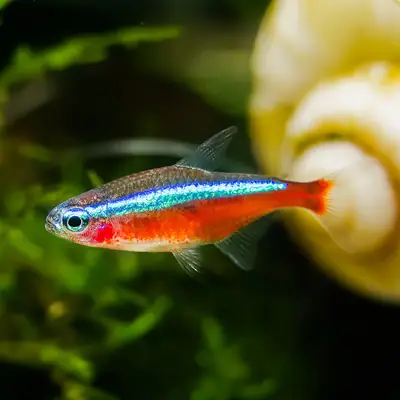
Tetra is a small, social fish species native to the tropical rivers of South America, known for its vibrant colors and active behavior. In 2026, smart aquarium systems, automated feeding solutions, advanced water quality monitoring technologies, and automated maintenance tools have made it possible to optimize care for this magnificent fish.
1. Species Profile and Characteristics
- Size: 3 – 6 cm (varies by species)
- Lifespan: 3 – 5 years (5+ years with excellent care)
- Temperament: Social, active, peaceful, schooling fish
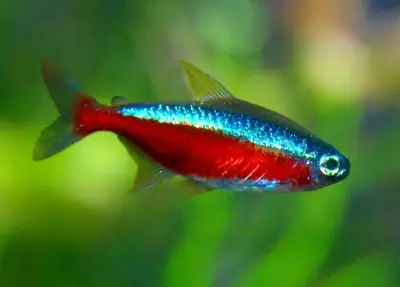
- Color variations: Red, blue, green, yellow, orange and combinations
- Natural habitat: South American tropical rivers, Amazon basin
- Special adaptations: Schooling behavior, fast swimming, colorful appearance
- Water type: Freshwater, soft to medium hardness
- pH range: 6.0 – 7.5
2. Aquarium and 2026 Smart Aquarium Setup
- Minimum aquarium size: 60 liters (for at least 6-8 fish); larger aquariums are better.
- Water parameters: 2026 smart sensors maintain temperature 22–28°C, pH 6.0–7.5, hardness 2–15 dGH.
- Filtration: External filter or powerful internal filter; weekly 20–30% water changes.
- Lighting: Medium lighting, LED systems; 8–10 hours daily light cycle.
- Decoration: Live plants, driftwood, rocks; hiding areas and open swimming areas.
- Substrate: Dark colored sand or gravel; suitable for plant roots.
- Air stone: Air pump and air stone recommended to increase oxygen levels.
3. Nutrition and Detailed Feeding Plan
Tetra fish are omnivores; they should be fed high-quality flake food, granulated food, frozen and live foods. In 2026, RFID-enabled smart feeding systems provide portion control, eating habit analysis, and nutrition trend reports.
| Food Group | Daily Target | Sources and Examples | Benefits |
|---|---|---|---|
| High-quality flake food | 2–3 times daily small portions | Premium tropical fish flakes, vitamin-fortified feeds | Base nutrition, balanced vitamin and mineral intake, color enhancement |
| Granulated food | Once daily | Small granules, slow-sinking feeds | Feeding variety, digestive health |
| Frozen foods | 2–3 times per week | Frozen brine shrimp, bloodworms, daphnia, black mosquito larvae | Protein source, natural feeding, color enhancement |
| Live foods | 1–2 times per week | Live brine shrimp, daphnia, micro worms | High protein, natural hunting behavior, mental stimulation |
| Vegetable supplements | 1–2 times per week | Blanched peas, zucchini, spinach (small pieces) | Fiber, vitamins, digestive health |
| Special supplements | As needed | Color-enhancing foods, vitamin drops, probiotics | Color brightness, immune system, digestive balance |
Feeding strategy: 2–3 times daily small portions; amount that can be consumed in 2–3 minutes. Excess food deteriorates water quality. Weekly fasting day recommended.
4. Care, Cleaning and Hygiene
- Water changes: Weekly 20–30% water changes; dechlorinator should be used.
- Filter maintenance: Monthly filter cleaning; biological filtration should be preserved.
- Substrate cleaning: Weekly bottom siphon; waste and feces cleaning.
- Plant care: Regular pruning, removal of dead leaves.
- Glass cleaning: Weekly algae cleaning; use of glass scraper.
- Water tests: Weekly pH, ammonia, nitrite, nitrate tests; 2026 smart sensors provide automatic monitoring.
5. Health Monitoring and Common Issues
- Behavior observation: Daily activity level, swimming pattern, appetite control.
- Physical signs: Color fading, fin rot, bloating, wounds, abnormal swimming.
- White spot disease: Parasitic infection; temperature increase and medication treatment required.
- Fin rot: Bacterial infection; water quality improvement and antibiotic treatment.
- Dropsy: Kidney failure; early diagnosis and treatment is critical.
- Stress signs: Color fading, hiding, loss of appetite; water quality and environment control.
- Infectious diseases: Use of quarantine tank; 2-week observation for new fish.
- Aging signs: Slow swimming, color fading, decreased activity may be normal.
6. Behavior, Socialization and Enrichment
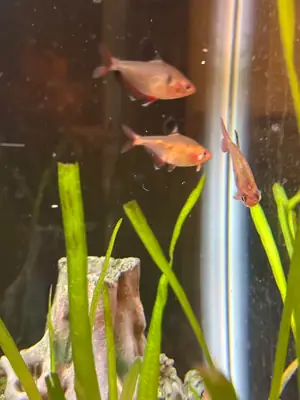
- Schooling behavior: Should be kept in schools of at least 6–8 fish; should not be kept alone.
- Peaceful nature: Compatible with other peaceful tropical fish; aggressive species should be avoided.
- Active swimming: Active in middle and upper water levels; wide swimming area required.
- Enrichment: Live plants, decoration, current creation, hiding areas.
- Light cycle: Regular day/night cycle; important for natural behavior.
- Water current: Light current; natural environment simulation.
7. 2026 Technology Integration
- Smart water quality sensors: Real-time monitoring of pH, temperature, ammonia, nitrite, nitrate.
- Automated feeding systems: Programmable feeding with RFID recognition, portion control.
- Smart filtration: Automatic filter cleaning, water quality optimization.
- LED lighting systems: Programmable light cycles, color enhancement modes.
- Smart heating: Automatic temperature control, energy saving.
- Mobile app integration: Remote monitoring, alarms, trend analysis.
8. Breeding and Fry Care (Informational)
- Tetra fish reach sexual maturity at 6–12 months.
- Separate breeding tank for breeding; soft water, low pH, dark substrate.
- Spawning usually in morning hours; eggs laid on plants or spawning mat.
- Parents may eat eggs; should be separated after spawning.
- Fry hatch in 24–48 hours; should be fed with infusoria and micro foods.
- Fry care is delicate; water quality and feeding are critical.
9. Tank Mates and Compatibility
- Compatible species: Other small tetra species, corydoras, small cichlids, gourami, rasbora.
- Avoid: Large, aggressive fish, predatory species, very large cichlids.
- Tank size: Minimum 60 liters; larger tank for more fish.
- Stocking rule: 1 liter water per 1 cm fish (minimum); more space preferred.
- Mixed species: Compatible with species of similar size and character.
10. Frequently Asked Questions
How long do Tetra fish live?
They can live 3–5 years with good care; some may reach 5+ years.
How many fish should be kept?
At least 6–8 fish; should be kept in schools, not alone.
What water conditions are needed?
Temperature 22–28°C, pH 6.0–7.5, soft to medium hardness; regular water tests are important.
How often should they be fed?
2–3 times daily small portions; amount that can be consumed in 2–3 minutes.
What foods should be given?
High-quality flake food, granules, frozen and live foods; variety is important.
How often should water be changed?
Weekly 20–30% water changes; should be checked with water quality tests.
What diseases are common?
White spot, fin rot, dropsy; early diagnosis and treatment is critical.
Are they compatible with other fish?
Yes, compatible with peaceful tropical fish; aggressive species should be avoided.
Is planted aquarium suitable?
Yes, live plants are ideal; provide natural environment and improve water quality.
How to keep colors bright?
Quality food, good water quality, appropriate lighting and stress management are important.
11. Conclusion
Tetra is a popular aquarium fish with colorful appearance, active behavior, and peaceful nature. With proper aquarium conditions, balanced nutrition, regular maintenance, water quality monitoring, schooling behavior, and 2026 technologies, it lives a healthy, happy, and long life. Keeping this species is a great start to discover the beauties of the tropical aquarium world.