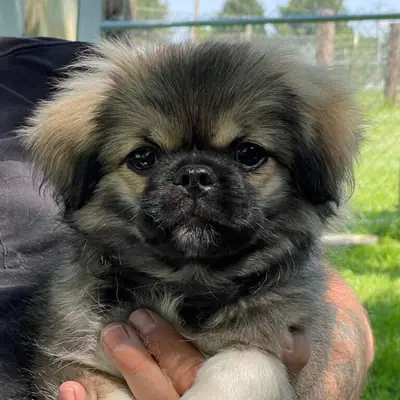
Tibetan Spaniel: Complete Guide to Traits, Care, Nutrition and Health
The Tibetan Spaniel (often called "Tibbie") is an ancient companion dog breed from Tibet. Historically kept by Buddhist monks, they often served as watchdogs—perching on monastery walls to alert monks to strangers or predators. With their affectionate, loyal, and independent personality, they make excellent small-sized pets. This comprehensive guide provides all essential information for prospective and current Tibetan Spaniel owners.
1. Breed Profile and Physical Characteristics
- Origin: Tibet; known since ancient times, kept by Buddhist monks, introduced to England in late 19th century, to the United States in the 1960s. Recognized by American Kennel Club in 1984.
- Temperament: Affectionate, loyal, independent, sensitive, forms strong bonds with owners, loves being involved in daily household life, reserved with strangers (until properly introduced and socialized), alert, good watchdogs.
- Energy Level: Moderate; 30-60 minutes daily exercise sufficient, very vigorous exercise not needed.
- Lifespan: Average 12-15 years, sometimes up to 15+ years with good care.
2. Size, Weight and Physical Features
| Feature | Value | Description |
|---|---|---|
| Weight | 4-7 kg (9-15 lbs) | Average for adult individuals |
| Height | 23-28 cm (9-11 inches) | Shoulder height |
| Body Structure | Small, compact, lightly built | |
| Head | Small head, short (blunt) muzzle, pendant ears, dark expressive eyes | |
| Feet | Somewhat hare-like; front legs may be slightly bowed | |
| Tail | Richly plumed, curled over back | |
| Coat Structure | Double coat: silky flat-lying top coat with soft dense undercoat | |
Coat Colors and Features: Shorter hair on face and front legs; longer feathering on ears, legs, tail; males often have mane-like ruff. Colors: black, cream, gold, red, sable, typically with or without white markings, parti-colors, etc.
3. Pricing and Lifetime Costs
- Puppy Price (US): $1,000 – $3,000 from registered, health-screened, genetic-tested, show-quality breeders. Europe: €900 – €2,800; other regions vary.
- Monthly Care Costs: $135 – $230 for small breed quality dog food, veterinary care, coat care products, toys.
- First Year Investments: Equipment (bed, collar, leash, toys) ($280-340), initial veterinary checkups and vaccinations ($340-450), spay/neuter ($400-630), coat care equipment ($170-230).
- Annual Health Expenses: $570 – $1,350/year (routine checkups, eye monitoring, joint monitoring, preparation for potential health issues).
4. Nutrition Strategy and Diet Planning
Since Tibetan Spaniel is a small breed dog, small breed special formula foods should be used. Due to small body frame, obesity risk is high, portion control is critical.
4.1 Daily Nutrient Distribution
| Nutrient Group | Amount/Percentage | Quality Sources | Important Notes |
|---|---|---|---|
| Protein | 22-28% (calories) | Chicken, turkey, fish, eggs, quality animal sources | Required for muscle health and overall health |
| Fat | 14-18% (calories) | Fish oil, chicken fat, vegetable oils | Energy source, omega-3 fatty acids |
| Carbohydrates | 40-50% (calories) | Oats, rice, sweet potato, vegetables | Fiber source, low glycemic index preferred |
| Calorie Requirement | Based on activity level | Should be determined with veterinarian | 250-350 kcal/day for 5 kg Tibetan Spaniel (average), weight control critical |
| Meal Frequency | 2-3 meals per day | Puppies: 3 meals, adults: 2 meals | Small portions, regular feeding |
Feeding Schedule: Puppy stage: 3 meals daily, small breed puppy foods. Adult stage: 2 meals daily, small breed quality food, portion control (for weight management), treats should be ≤ 10% of daily calories.
4.2 Special Nutrition Requirements
- Small Breed Food: Special formula foods for small breed dogs should be used. Small kibble size and high calorie density appropriate.
- Weight Control: Due to small body frame, weight gain is easy. Portion control, regular weight monitoring, and treat limiting critical. Excess weight can worsen joint problems.
- Dental Health: Dental problems common in small breeds. Chewing toys and dental-specific foods or treats may be used. Regular brushing recommended.
- Avoid: Overfeeding, free-feeding, excessive treats, foods toxic to dogs (chocolate, grapes, raisins, onions, garlic, xylitol).
5. Housing and Living Space
5.1 Living Space Requirements
- Apartment/House Living: Tibetan Spaniel adapts well to apartment or house living. Compatible with small living spaces due to small size, requires daily attention and interaction.
- Indoor Living: Indoor dog, not suited for outdoor living. Sensitive to hot weather due to short muzzle structure.
- Social Needs: Forms strong bonds with owners, loves being involved in daily household life, not suited to being left alone for long periods.
5.2 Temperature and Environmental Conditions
- Heat Sensitivity: Sensitive to hot and humid weather due to short muzzle structure. Overheating and breathing difficulties (snorting) may occur. Shade, cool indoor areas, and fresh water should be provided during hot weather.
- Cold Weather: Double coat structure provides protection in cold weather, but should be careful in extreme cold.
- Ideal Temperature: Indoor temperature should be maintained between 18-24°C, should be especially careful in hot and humid weather.
6. Care and Grooming
6.1 Coat Care
- Brushing: Regular brushing a few times per week required, especially behind ears, under legs, and feathered areas for mat prevention. More frequent brushing may be needed during heavy shedding seasons or "blow up" periods.
- Shedding: Year-round shedding due to double coat structure, seasonal heavy shedding periods. Regular brushing helps control shedding.
- Bathing: Every 4-8 weeks (depending on how dirty), only hair between paw pads may be trimmed. "Lion's mane" (ruff) and other breed-standard areas should not be trimmed.
6.2 Other Care Requirements
- Ear Care: Ears should be checked and cleaned weekly. Pendant ears carry infection risk. Weekly check and cleaning as needed.
- Dental Care: Dental problems common in small breeds. Regular brushing and chewing toys recommended. Dental-specific foods or treats may be used.
- Nail Care: Trim every few weeks, small paws should be trimmed carefully.
- Eye Care: Eye problems common. Daily eye check, eye discharge cleaning, tear stain monitoring recommended.
7. Activity and Exercise
Tibetan Spaniel has moderate energy level. Daily 30-60 minutes exercise typically sufficient.
- Daily Walks: 30-60 minutes daily walks and play sufficient. Enjoys exploring and playing, but very vigorous exercise not needed.
- Indoor Games: Puzzle toys, hidden treat toys, tug-of-war, ball games.
- Avoid: Excessive intense activity, intense exercise especially in hot weather, overheating risk.
- Mental Stimulation: Mental stimulation important: puzzle toys, training activities, interactive games. Without outlets, can develop behavioral issues like barking or destructive behavior.
8. Health Management and Common Issues
8.1 Common Health Problems
- Patellar Luxation (Kneecap Dislocation): Common in small breeds, kneecap slipping out of place. Severity varies, surgery may be required in severe cases. Signs: limping, lifting hind legs.
- Progressive Retinal Atrophy (PRA): Degenerative eye disease causing vision loss over time. Signs may appear between approximately 1.5-4 years. Genetic screening important.
- Other Eye Problems: Cherry eye (prolapse of third eyelid), entropion (eyelid turning inward), cataracts. Breeders often do genetic testing.
- Heat Sensitivity / Respiratory Issues: Sensitive to hot and humid weather due to short muzzle structure. Overheating and breathing difficulties (snorting) should be monitored.
- Portosystemic Shunt: Liver abnormalities, may occur in some individuals. Genetic screening important.
- Epilepsy (Seizures): May occur in some Tibetan Spaniels. Veterinary check required.
- Dental Problems: Dental problems common in small breeds. Regular brushing and veterinary check recommended.
- Obesity: Weight gain easy due to small body frame. Weight control critical.
8.2 Lifetime Health Schedule
- Puppy Stage: First veterinary checkup, vaccination program (6-8 weeks), eye check, joint check (patellar luxation screening), genetic screening (PRA, eye issues), early socialization.
- Adult Stage: Annual comprehensive examination, eye check (every 6 months), joint monitoring, weight monitoring, dental check.
- Senior Stage: Exams every 6 months, extra attention to eye health (PRA monitoring), joint health, monitoring aging signs.
8.3 Preventive Care Protocols
- Daily Check: Appetite, energy level, breathing, eye condition, weight, barking behavior.
- Regular Brushing: A few times per week, mat prevention, shedding control.
- Eye Care: Daily check, eye discharge cleaning, tear stain monitoring, regular veterinary check.
- Weight Control: Regular weight monitoring, portion control, treat limiting (≤ 10% of daily calories).
- Heat Protection: Shade, cool indoor areas, and fresh water during hot and humid weather, exercise restriction.
9. Training and Socialization
- Early Socialization: Very important! Exposure to different people, animals, and environments during puppy stage, fear and unnecessary barking prevention. Tibetan Spaniels may be shy with strangers, early socialization critical.
- Basic Commands: Basic commands such as sit, stay, come, no, positive reinforcement method.
- House Training: Requires patience and consistency, frequent bathroom breaks may be needed due to small bladder.
- Positive Reinforcement: Reward-based training (treats, praise), Tibetan Spaniels are sensitive to harsh corrections, avoid harsh methods. Consistency important: rules, schedules (for feeding, bathroom, behavior).
- Barking Control: Tendency to bark due to alert nature, can be controlled with early training and socialization.
10. Compatibility with Children and Other Animals
- With Children: Gets along well with children with early socialization and supervision. Gentle behavior important due to small size. Generally compatible with older children.
- With Other Dogs: Can get along well with other dogs with early socialization, but may be reserved with unfamiliar dogs.
- With Cats and Other Animals: Can be compatible with early introduction and socialization.
11. Frequently Asked Questions
How long do Tibetan Spaniels live?
Average 12-15 years. Sometimes up to 15+ years with good care.
Is care difficult?
Moderately difficult. Regular brushing a few times per week required due to double coat structure. More care may be needed during heavy shedding seasons.
Are they good with children?
Gets along well with children with early socialization and supervision. Gentle behavior important due to small size.
How much exercise do they need?
Daily 30-60 minutes walks and play typically sufficient. Very vigorous exercise not needed.
Why is weight control critical?
Weight gain easy due to small body frame. Excess weight can worsen joint problems (patellar luxation) and affect overall health.
What are the most common health problems?
Patellar luxation (kneecap dislocation), Progressive Retinal Atrophy (PRA), eye problems (cherry eye, entropion, cataracts), heat sensitivity/respiratory issues, dental problems, obesity. Regular veterinary checkups and genetic screening critical.
12. Conclusion and Recommendations
The Tibetan Spaniel, an ancient breed from Tibet, is an excellent pet with its affectionate, loyal, and independent personality. With proper nutrition (small breed special diet, weight control critical), regular coat care (brushing a few times per week), eye care, heat protection, regular exercise (30-60 minutes/day), regular veterinary care, and genetic screening, your Tibetan Spaniel will enjoy a long, healthy, and happy life. Before adopting this breed, it is important to understand the special care requirements necessitated by its small size (patellar luxation risk, PRA risk, eye problems, heat sensitivity). Choosing a genetic-tested, health-screened puppy from a responsible breeder (health clearances for eyes, knees, etc.) and preparing your home environment according to the dog's needs is critical. Not ideal for those who work long hours away from home, but makes an excellent companion for those who can provide daily attention and interaction.