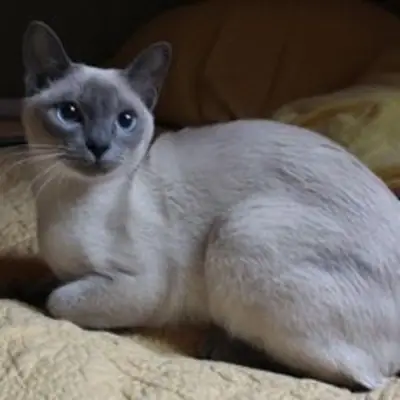
Tonkinese: Characteristics, Care, Nutrition, Health, Training, Behavior and 2026 Guide
The Tonkinese cat is an intelligent, social, and affectionate breed born from the perfect blend of Burmese and Siamese cats. Developed in the 1960s, this hybrid breed combines the best traits of both parent breeds: the warmth of the Burmese and the elegance of the Siamese. In 2026, smart care systems, automated feeding solutions, health monitoring technologies, and interactive toys have made it possible to optimize the care of these wonderful cats.
1. Breed Profile and Characteristics
- Origin: Canada/America (1960s)
- Weight: Male: 3.5–5.5 kg, Female: 2.5–4.5 kg
- Size: Medium
- Body structure: Elegant, muscular, balanced
- Coat type: Short, soft, silky
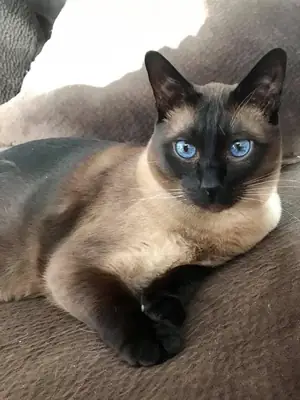
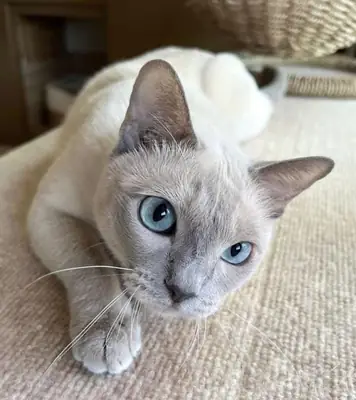
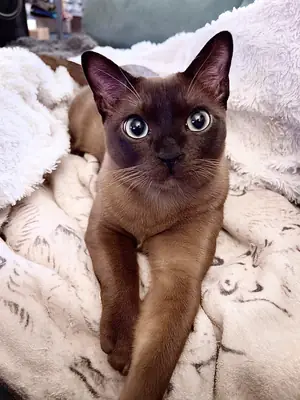
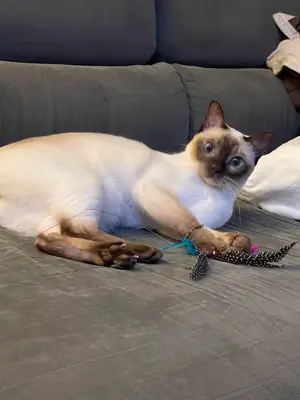
- Colors: Natural (brown), Champagne (beige), Blue (blue), Platinum (gray), Honey (honey-colored)
- Eye color: Aquamarine blue-green (most characteristic)
- Lifespan: 15–18 years
- Personality: Intelligent, social, affectionate, active, playful, talkative
- Energy level: Medium-high
- Compatibility with children: Excellent
- Compatibility with other pets: Good (with proper introduction)
2. Care Requirements and 2026 Smart Care
- Coat care: Brushing 1–2 times per week is sufficient (short coat); use soft brush or comb; more frequent during seasonal shedding.
- Bathing: Once a month or as needed; special cat shampoo; water temperature control; drying important.
- Ear care: Weekly check; cleaning with soft cloth; veterinarian if redness or bad odor.
- Dental care: Brushing 2–3 times per week; special cat toothpaste; dental toys and chew toys.
- Nail care: Trimming every 2–3 weeks; nail clippers or file; provide scratching post.
- Eye care: Daily check; cleaning with soft damp cloth; veterinarian if irritation.
- 2026 smart care: Automatic grooming devices, health monitoring sensors, digital health records, AI-supported health analysis.
3. Nutrition and Detailed Feeding Plan
Tonkinese cats require a diet rich in quality protein due to their active and muscular structure. In 2026, personalized feeding plans, automated feeding systems, and health-based nutrition recommendations ensure optimal health.
| Age Group | Daily Food Requirement | Meal Frequency | Special Notes |
|---|---|---|---|
| Kitten (2–6 months) | 80–120 g high-quality kitten food | 4–5 meals | Protein-rich, growth-supporting formula |
| Young (6–12 months) | 100–150 g kitten/young cat food | 3–4 meals | High energy requirement, active period |
| Adult (1–7 years) | 60–100 g adult cat food | 2–3 meals | Protein, fat and carbohydrate balance, weight control |
| Senior (7+ years) | 50–80 g senior cat food | 2–3 meals | Low calorie, joint and kidney support |
- Protein: High-quality animal protein (30–40%); chicken, turkey, fish, beef.
- Fat: Omega-3 and Omega-6 fatty acids (15–20%); critical for skin and coat health.
- Carbohydrates: Limited amount (5–10%); avoid grains, starch-rich foods.
- Water: Clean, fresh water always accessible; fountain water bowls recommended; 200–300 ml daily.
- Special needs: Taurine (critical amino acid), vitamins (A, D, E, B complex), minerals (calcium, phosphorus, magnesium).
- Forbidden foods: Chocolate, caffeine, alcohol, onion, garlic, grapes, raisins, artificial sweeteners (xylitol).
- 2026 nutrition technologies: Automatic feeders, portion control systems, obesity prevention, personalized feeding plans, nutrition tracking apps.
4. Health Monitoring and Common Health Issues
- General health: Strong breed; regular veterinarian checks (1–2 times per year); vaccination tracking; parasite prevention.
- Common health issues:
- Amyloidosis: Protein accumulation disease; can affect liver and kidneys; early diagnosis critical.
- Heart problems: Hypertrophic cardiomyopathy (HCM); regular cardiac screening recommended.
- Gum disease: Dental care important; regular cleaning; veterinarian dental cleaning.
- Obesity: Risk despite active lifestyle; portion control; regular exercise.
- Preventive care: Vaccinations (FVRCP, rabies), internal-external parasite prevention, regular health screenings, blood tests (annual).
- Lifelong care: 0–1 years: kitten care and socialization; 1–7 years: routine care and prevention; 7+ years: senior care and monitoring.
- 2026 health technologies: Wearable health sensors, AI-supported disease detection, tele-veterinary, digital health records, early warning systems.
5. Behavior and Personality Traits
- Personality: Social, intelligent, affectionate, playful; strong bond with humans; dislikes being alone.
- Social behavior: Close relationship with family members; loves sitting on lap; constantly wants attention.
- Vocalization: Moderately talkative; soft, melodic voice; ability to express needs.
- Play behavior: High energy; loves interactive games; puzzle toys, wand toys, laser pointer (use carefully).
- Intelligence: Very intelligent; fast learning; clicker training successful; command learning (sit, come, shake).
- Stress signs: Excessive licking, loss of appetite, hiding, aggression; sensitive to environmental changes.
- Adaptation: Adaptation to new environments (requires time); proper introduction important; patient approach.
6. Training and Socialization
- Kitten training: Early socialization critical (2–16 weeks); introduce to different people; different sounds and environments; positive experiences.
- Litter training: Natural instinct; provide litter box; cleanliness important; proper litter choice.
- Command training: Clicker training; reward-based; short sessions (5–10 minutes); consistency; patience.
- Scratching training: Provide scratching post; proper positioning; positive reinforcement; redirect unwanted behavior.
- Socialization: Introduce to children (gentle touches); introduce to other pets (slow and controlled); new environments.
- Mental stimulation: Puzzle toys, interactive toys, training games, new experiences, play time.
- 2026 training technologies: AI-supported training apps, interactive toys, virtual reality socialization, training tracking systems.
7. Living Space and Environment Setup
- Indoor requirements: Safe and comfortable space; high perching points; hiding places; play areas.
- Perching areas: Tall scratching towers; window-side perches; shelf systems; safety important.
- Play areas: Wide space; interactive toys; tunnel systems; play mats.
- Resting areas: Warm, comfortable beds; sunlit areas; quiet corners.
- Safety: Window security (nets, locks); away from toxic plants; electrical wire protection; away from small objects.
- Temperature control: 20–25°C optimal; avoid sudden temperature changes; heating in winter; cooling in summer.
- 2026 smart home integration: Automatic climate control, smart lighting, security cameras, interactive play areas, health monitoring systems.
8. Breeding and Kitten Care
- Sexual maturity: Male: 8–10 months, Female: 6–8 months; early breeding not recommended (after 1 year).
- Mating: Natural mating; compatible pair selection; pre-health checks; genetic tests.
- Pregnancy: 63–65 days; nutrition increase; regular veterinarian checks; provide comfortable environment.
- Birth: Usually problem-free; birth box preparation; observation important; emergency plan.
- Kitten care: Mother's milk critical (first 4 weeks); kitten food after 4 weeks; socialization (2–16 weeks); health checks.
- 2026 breeding technologies: Genetic screening, health monitoring, birth tracking systems, kitten development tracking.
9. 2026 Technology Integration
- Smart feeding: Automatic feeders, portion control, scheduled meals, nutrition tracking, obesity prevention.
- Health monitoring: Wearable sensors, activity tracking, heart rate monitoring, sleep analysis, early disease detection.
- Smart toys: Interactive toys, AI-supported games, automatic movement, mental stimulation, training integration.
- Environment control: Automatic climate control, smart lighting, air quality monitoring, noise control, security systems.
- Tele-veterinary: Remote consultation, digital health records, medication reminders, vaccination tracking, emergency support.
- AI-supported care: Personalized care recommendations, behavior analysis, health predictions, nutrition optimization.
10. Frequently Asked Questions
How long do Tonkinese cats live?
They can live 15–18 years with optimal care. Regular veterinarian checks, balanced nutrition and active lifestyle increase lifespan.
Are they compatible with children?
Yes, Tonkinese cats are excellent with children. Their social, patient and playful nature makes them family cats.
How much care do they require?
Brushing 1–2 times per week is sufficient due to short coat. Dental care, ear cleaning and nail trimming should be done regularly.
Are they talkative?
They are moderately talkative. They have a soft, melodic voice and like to express their needs but are not as vocal as Siamese.
Can they be left alone?
Tonkinese cats are social animals and do not like being alone. If they will be alone for long periods, consider a companion cat or dog.
What kind of toys do they like?
They love interactive toys, puzzle toys, wand toys, tunnel systems, scratching posts. Mental stimulation is important.
What health issues are common?
Amyloidosis, heart problems (HCM), gum disease and obesity risk exist. Regular veterinarian checks are important.
Can they be trained?
Yes, they are very intelligent cats. They can learn commands like sit, come, shake with clicker training.
Can they live in small apartments?
Yes, they can live in small apartments with proper conditions. However, perching areas, play areas and mental stimulation should be provided.
Are they compatible with other pets?
They are compatible with other cats and dogs with proper introduction. Due to their social nature, they can be happy in multi-pet homes.
How much exercise do they need?
They have medium-high energy level. Daily 30–45 minutes of interactive play and mental stimulation is recommended.
What colors are available?
Various colors such as Natural (brown), Champagne (beige), Blue (blue), Platinum (gray), Honey (honey-colored) are available.
Is eye color special?
Yes, their most characteristic feature is aquamarine blue-green eyes. This feature distinguishes Tonkinese from other breeds.
11. Conclusion
The Tonkinese cat is an intelligent, social and affectionate breed born from the perfect blend of Burmese and Siamese. With optimal care, balanced nutrition, regular exercise, mental stimulation and 2026 technologies, these wonderful cats live healthy and happy for years. They are a breed with excellent compatibility in family environments, compatible with children and other pets, and relatively easy to care for. An ideal choice for a loving, knowledgeable and active family.