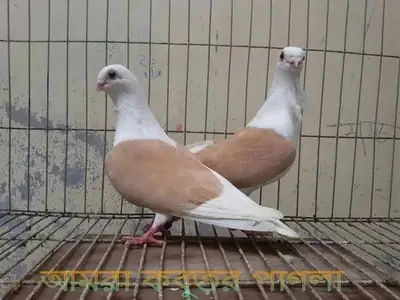
Vienna Tumbler Pigeon: Complete Guide to Traits, Care, Nutrition and Breeding
The Vienna Tumbler (Vienna Long-faced Tumbler) is an elegant pigeon breed of Austrian origin with a rich history dating back to the 16th century. Recognized for its long face structure, spectacular flight abilities, and tumbling (aerial spinning) characteristics, this breed is preferred for both exhibition and competitive flying events. This comprehensive guide provides all essential information for prospective and current Vienna Tumbler breeders.
1. Breed Profile and General Characteristics
- Origin: Austria, particularly the Vienna area. Rich history dating back to 16th-17th century. Developed through crossbreeding of Turkish pigeons and Barb breeds.
- Physical Characteristics: Long, thin face and beak, flat top skull, low frontal area, slender body structure, long thin neck and legs, small but prominent breast. Weight: 270-300 grams (9.5-10.5 ounces).
- Feather Characteristics: Clean-legged (no leg feathering), plain head (no crest), very diverse feather colors (solid colors, patterned varieties).
- Flight Characteristics: Tumbling ability (aerial spinning, sudden dives), high altitude flight, flock flying, spectacular performance.
- Lifespan: 10-15 years with good care, can live longer with excellent care conditions.
2. Temperament and Behavior Characteristics
- Personality: Generally calm, docile and social. Becomes accustomed to humans when hand-raised, suitable as exhibition birds.
- Flight Behavior: Very active flight, tumbling and spinning movements, high altitude flight, flock flying (especially in competitive flying events).
- Competitive Flying: Important role in "Jauken" (traditional high-flying sport) culture. Height, duration and flight style are evaluated.
- Socialization: Suitable for flock living, compatible with other pigeons.
3. Size, Weight and Physical Characteristics
| Characteristic | Value | Description |
|---|---|---|
| Weight | 270-300 grams | Adult average weight, minimal gender difference |
| Beak Length | Long and thin | Part of characteristic long face structure |
| Neck | Long and thin | Elegant appearance, aerodynamic structure |
| Breast | Small but prominent | Adequate muscle structure for flight |
| Legs | Long, thin, clean-legged | Clean-legged feature, standard requirement |
4. Pricing and Costs
- Pigeon Prices (US): Squab: $20-50; Young: $30-80; Adult (exhibition quality): $50-200; Competition quality: $100-500+ (varies by flight performance).
- Loft Setup Cost: Small (5-10 birds): $200-400; Medium (10-20 birds): $400-800; Large (20+ birds): $800-2,000+.
- Monthly Maintenance: $15-30 (feed, grit, vitamin supplements, cleaning supplies, veterinary care).
- First Year Investments: Loft setup, perches, nest boxes, feed storage, health screening, equipment.
5. Nutrition Strategy and Diet Plan
Vienna Tumbler pigeons require high energy due to active flight and tumbling abilities. Balanced grain mix, protein support and appropriate supplements are critical for health and performance.
5.1 Daily Nutrient Distribution
| Nutrient Group | Percentage | Sources | Benefits |
|---|---|---|---|
| Carbohydrates (Grains) | 50-60% | Wheat, barley, corn, millet | Energy source, flight performance |
| Protein (Legumes) | 25-30% | Peas, lentils, beans | Muscle development, feather quality, breeding |
| Oil Seeds | 5-10% | Sunflower, flaxseed (limited) | Energy, feather shine |
| Grit and Minerals | As supplement | Sand, small gravel, oyster shell | Digestion, calcium, mineral support |
| Vitamin Supplements | As supplement | Vitamin-mineral mixtures | General health, immunity |
5.2 Life Stage Specific Nutrition
- Squab Stage (0-6 weeks): "Crop milk" from parents (pigeon milk), gradual transition to solid feed, high protein content feed mix.
- Young Stage (6 weeks-6 months): High protein for growth, balanced grain mix, 2-3 meals/day, grit support.
- Adult Stage (6 months+): Balanced adult feed, 2 meals/day (morning-evening), energy increase during flight season.
- Breeding Season: Protein increase (30-35%), calcium supplementation, mineral support for eggshell quality.
- Molting Season: Protein and amino acid support, vitamin supplements for feather quality.
5.3 Special Feeding Tips
- Grit Requirement: Always provide grit (critical for digestion, required for grinding seeds in gizzard).
- Water: Always provide clean, fresh water. Daily water change important.
- Portion Control: Overfeeding leads to obesity, reduces flight performance. 30-50 grams feed/day sufficient (depending on activity level).
- Seasonal Adjustments: Energy increase in cold weather, hydration emphasis in hot weather.
6. Housing and Living Environment Requirements
6.1 Loft Design
- Size: Minimum 0.5-1 m² area per bird. High ceiling (at least 2-2.5 meters) important for flight.
- Ventilation: Good ventilation system, humidity and moisture control, avoid drafts, ensure air flow.
- Temperature and Humidity: Temperature 50-77°F (10-25°C) ideal, protection from extreme heat/cold, humidity 50-70%.
- Security: Protection from predators (cats, dogs, birds of prey), secure doors and windows, wire mesh protection.
6.2 Interior Arrangement
- Perches: Adequate perch space for each bird, different heights, sufficient width for comfortable rest.
- Nest Boxes: Special nest boxes for breeding pairs, privacy and security, adequate number (1-2 boxes per pair).
- Feed and Water Containers: Easy access, cleanable, adequate number (sufficient space per bird).
- Grit Containers: Separate grit container, constant access.
- Flooring: Cleanable floor (concrete, tile or removable floor), suitable for regular cleaning.
6.3 Flight Area
- Free Flight: Regular free flight opportunity if possible, critical for physical condition.
- Controlled Flight: High-security flight area, predator protection, adequate open space.
- Weather Conditions: Avoid flight in bad weather (strong wind, rain), risk of disorientation during tumbling.
7. Health Management and Disease Prevention
7.1 Common Health Issues
- Respiratory Infections: Common in damp or poorly ventilated lofts. Regular cleaning and good airflow reduce risk.
- Parasites: Mites, lice (feather and skin parasites). Common with poor sanitation. Regular inspection and treatment required.
- Flight Injuries: Collision or fall during tumbling, wing injuries, feather damage, bruises. Training and open space reduce risk.
- Nutritional Deficiencies: Poor feather quality, weak bones, feather problems. Varied and balanced diet critical.
- Eye Problems: Eyes more exposed due to long face structure, protection from dust and debris required.
7.2 Preventive Care Protocols
- Regular Cleaning: Weekly loft cleaning, feces and dust cleaning, parasite control.
- Ventilation: Good air flow, humidity control, moisture prevention.
- Quarantine: 2-4 week quarantine for new birds, prevent disease introduction.
- Regular Inspections: Daily observation (behavior, appetite, appearance), weekly detailed inspection, monthly health assessment.
- Veterinary Support: 1-2 times yearly routine health check, immediate veterinarian for problem signs.
7.3 Medication and Treatment
- Parasite treatment (regular), antibiotics for respiratory infections (with veterinarian recommendation).
- Rapid intervention in case of injury, wing care, feather repair.
- Supplement program for nutritional deficiencies.
8. Breeding and Squab Care
8.1 Sexual Maturity and Pair Selection
- Sexual Maturity: Generally reaches sexual maturity at 5-6 months.
- Pair Selection: Healthy, good flight performance, ideal structural characteristics (face length, beak, posture), genetic diversity.
- Breeding Season: Spring and summer months ideal, mating preparation, nest setup.
8.2 Egg Laying and Incubation
- Egg Count: Usually 1-2 eggs (2 eggs more common).
- Incubation Period: 17-19 days (usually 18 days).
- Incubation Sharing: Both parents incubate and feed squabs.
- Nest Conditions: Private, secure, quiet, dry, draft-free area, nest boxes.
8.3 Squab Care
- First Days: Feeding with "crop milk" (pigeon milk) from parents, high protein content natural feeding.
- Transition Period: Gradual transition to solid feed (2-3 weeks), parents continue feeding squabs.
- Independence: Gaining flight and independence within 4-6 weeks, preparation of separate housing.
- Squab Feeding: High protein content feed mix, grit support, clean water.
9. Flight Training and Performance
- Early Training: Controlled flight training when squabs are 6-8 weeks old, gradual open area flight.
- Tumbling Development: Developing natural tumbling ability, practice in safe environment, competition preparation.
- High Altitude Flight: Gradual altitude increase, flock flying, preparation for competitive flights.
- Safety: Avoid flight in bad weather conditions, predator protection, safe return area.
- Performance Tracking: Flight duration, altitude, tumbling quality, general performance assessment.
10. Daily and Weekly Maintenance Routine
- Daily: Bird observation (behavior, appetite, appearance), feed and water check, basic cleaning, weather conditions check.
- Weekly: Loft cleaning (feces, dust), perch and nest check, parasite control, detailed health observation.
- Monthly: Deep cleaning, equipment check, feed storage check, general health assessment.
- Seasonal: Seasonal care (winter preparation, summer cooling), breeding season preparation, molting season care.
11. Frequently Asked Questions
Why do Vienna Tumblers perform tumbling?
Tumbling is sudden spinning or diving movements in the air. This is a genetic characteristic of Vienna Tumbler and is evaluated in competitive flights. Tumbling ability is a characteristic feature of the breed.
How large a loft is needed?
Minimum 0.5-1 m² area per bird recommended. High ceiling (2-2.5 meters) important for flight. At least 5-10 m² enclosed area needed for 10 birds.
Why is grit important?
Grit is critical for pigeons' digestive system. Required for grinding seeds in gizzard. Grit access should always be provided.
When do squabs become independent?
Squabs generally gain flight and independence within 4-6 weeks. Separation from parents can be done during this period.
How to prepare for competitive flights?
Regular flight training, gradual altitude increase, tumbling development, flock flying practice and providing safe environment are important for competition preparation.
In which weather conditions should they not fly?
Flight should be avoided in bad weather conditions such as strong wind, rain, snow, fog. Risk of disorientation and injury increases during tumbling.
12. Conclusion and Recommendations
The Vienna Tumbler is a special pigeon breed with its elegant appearance, spectacular flight abilities and rich history. This breed is ideal for both exhibition and competitive flying events. Clean and appropriate housing, balanced nutrition, regular health checks, appropriate flight training and responsible breeding practices are critical for success. With regular cleaning, good ventilation, adequate grit access, clean water and a loving environment, your Vienna Tumblers will enjoy a long, healthy and performance-oriented life. Before starting to breed this breed, it is important to evaluate that you can provide appropriate housing conditions, perform regular maintenance and allocate adequate space and time for flight training.