Angers Basenji Free Adoption listings
There's 1 Basenji listing live right now, last updated 25 Mar 2026. Angers Basenji Free Adoption lis... There's 1 Basenji listing live right now, last updated 25 Mar 2026. Angers Basenji Free Adoption listings. Browse the latest pet ads — adoption, for sale, lost & found and breeding. Find the right lis... There's 1 Basenji listing live right now, last updated 25 Mar 2026. Angers Basenji Free Adoption listings. Browse the latest pet ads — adoption, for sale, lost & found and breeding. Find the right listing for you from thousands of ads. petopic.com

Haven't found the pet you're looking for? Let people who want to find a new home for their pet reach out to you.
Create your free pet adoption request listing now and be seen by thousands of pet owners.
Basenji Breed: Characteristics, Care, Nutrition and Health Guide
Comprehensive Basenji breed guide covering personality traits, weight chart, pricing, feeding plans, coat grooming, training tips, health risks and lifestyle compatibility.
Other listings in your area
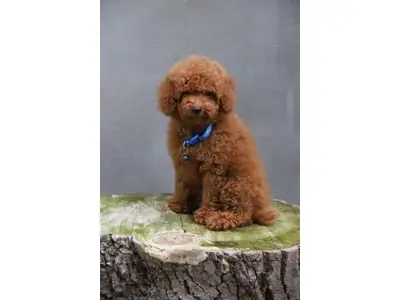
Sociable female brown poodle available for adoption
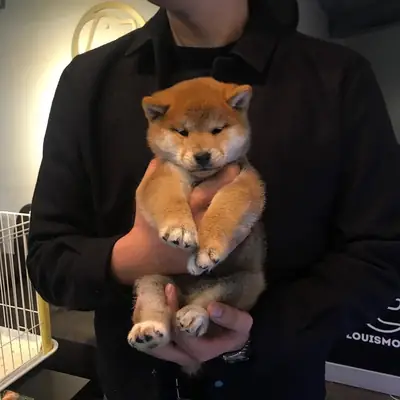
Adopting an intelligent and clean Shiba Inu
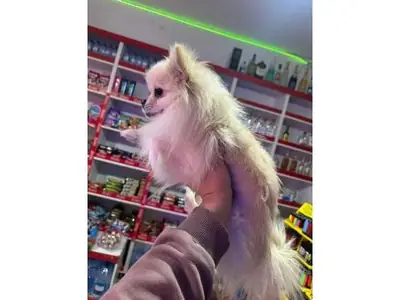
Adult white female Pomeranian available for adoption

Maltese Bichon puppy for sale

Cavalier King Charles, a dog very attached to people

Quiet Shar Pei indoors
Popular Searches
Basenji rescue dogs
Basenji rescue dogs are usually chosen by people who want a clearer picture of the dog’s real behaviour before adopting. A strong rescue listing should show whether the Basenji is calm indoors, how it behaves on walks, whether it is comfortable with handling, and how it reacts to visitors, noise, and everyday household movement. These details matter because Basenjis are intelligent, independent dogs that often need the right match more than a rushed handover.
Good Basenji rescue listings should also make the home fit obvious. Secure outdoor space, sensible lead management, experience with active hound-type dogs, and realistic expectations around prey drive can all affect whether the adoption works long term. The more precise the listing is, the easier it becomes for the right adopter to recognise a serious match.
Basenji adoption near me
Basenji adoption near me usually means the adopter wants a realistic meet-and-adopt process, not just a breed page. The useful information here is location, travel distance, whether meet-and-greets are possible, and whether the Basenji can be collected locally or may need organised transport. Local availability matters even more when the dog needs careful introductions or a slower rehoming process.
For nearby Basenji adoption listings, the best adverts also explain the dog’s daily routine, exercise pattern, other-pet history, and home requirements. That way a user is not just seeing a Basenji close by, but a Basenji nearby that could genuinely fit their home, time, and routine.
Basenji puppy adoption
Basenji puppy adoption listings should answer the practical questions people always have about young dogs: age, feeding routine, toilet progress, early socialisation, sleep pattern, and how the puppy is coping with handling, crate time, lead introduction, and household noise. Calling a Basenji puppy playful is not enough; adopters want to know what kind of structure is already in place.
A good Basenji puppy listing should also be honest about energy, curiosity, and management. This breed can be bright, athletic, and mischievous, so the right home usually needs patience, routine, and mental stimulation, not just excitement about getting a puppy. Clear puppy details bring better enquiries than vague praise ever will.
Adult Basenji for adoption
Adult Basenji for adoption is often the better route for people who want fewer surprises. An adult Basenji listing can usually tell you much more about house manners, lead behaviour, time left alone, vocal habits, confidence outdoors, and how the dog reacts to visitors, dogs, or fast-moving distractions. That level of clarity is exactly what serious adopters need.
Well-written adult Basenji listings should explain whether the dog settles after exercise, whether it enjoys company or prefers space, and whether it would suit a first-time Basenji home or someone with previous hound experience. The value of an adult Basenji advert is not age alone, but the amount of real-life behaviour it can show.
Basenji cross adoption
Basenji cross adoption can be highly relevant for users who like the Basenji look or temperament profile but are open to a mixed dog. A Basenji cross listing should make it clear whether the dog shows Basenji-like traits such as alertness, independence, athletic movement, cleanliness, vocal behaviour, or a strong chase instinct. The cross label alone is not enough; the behaviour is what matters.
The strongest Basenji cross adoption adverts describe what the dog is like in the home, on walks, and around other animals. That helps adopters understand whether they are looking at a true Basenji-type companion in daily life or simply a visually similar cross with a very different temperament and energy level.
Barkless dog Basenji rehoming
Barkless dog Basenji rehoming should explain the breed honestly: Basenjis do not usually bark like many other dogs, but they are not silent. A good listing should say whether the dog yodels, whines, chatters, or becomes vocal when excited, frustrated, playing, or reacting to movement outside the home. That gives adopters the real picture instead of a misleading “quiet dog” promise.
Useful Basenji rehoming content here should also cover alertness, settling indoors, neighbour suitability, and how the dog handles routine changes. People searching for a barkless dog often want less barking, but they still need to know what daily life with a vocal, expressive Basenji actually sounds like.
House-trained Basenji needs a new home
House-trained Basenji needs a new home is a high-intent search because it points to a smoother transition. A good listing should state whether the Basenji is reliable overnight, follows a toilet routine, understands crate or pen time, and manages feeding and rest on a predictable schedule. These are the details that help a new home prepare properly.
For a house-trained Basenji, it also helps to know how the dog behaves when left for short periods, whether it is destructive when bored, and how it settles after exercise. Cleanliness is one of the breed’s best-known traits, but a trustworthy listing should still describe the actual routine rather than assume the adopter will fill in the blanks.
Basenji good with cats and other dogs
Basenji good with cats and other dogs is the kind of search that needs a direct, specific answer. The listing should say whether the Basenji has lived with another dog, whether introductions need to be slow, and whether the dog can safely share a home with cats or smaller pets. Because prey drive can vary from dog to dog, generic breed claims are much less useful than the real history of that individual Basenji.
Strong compatibility details include indoor calmness, resource guarding if any, reaction to movement, and whether the dog prefers being an only dog. This is the kind of information that filters out the wrong homes early and helps the right adopter move forward with confidence.
Male Basenji for rehoming
Male Basenji for rehoming should give more than sex and age. A useful listing should include neuter status, lead control, confidence level, indoor routine, social behaviour with other males or unfamiliar dogs, and the kind of home the male Basenji has done best in so far. People using this search are usually trying to narrow compatibility quickly.
The best male Basenji adverts also explain the dog’s temperament in daily life rather than relying on broad assumptions. Some male Basenjis are playful and social, others are more selective or intense outdoors, and that difference matters much more than the simple label of male.
Basenji for an active home
Basenji for an active home should describe what “active” really means for that dog. The most useful listings explain walking routine, enrichment needs, recall limits, play style, and whether the Basenji relaxes well after exercise or continues looking for stimulation. This breed is often clever and athletic, so the right home usually offers both movement and mental engagement.
A strong active-home listing should also say whether the Basenji enjoys structured walks, secure running space, training games, or companionship through the day. The goal is not to attract every active person, but to attract the person whose lifestyle genuinely matches that Basenji’s pace and instincts.
Frequently Asked Questions
In Angers, What should you check before adopting a Basenji from this page?
Before adopting a Basenji, the most important thing to check is daily fit. A good listing should tell you how the dog behaves indoors, what its walking routine looks like, whether it is comfortable with visitors, and how it responds to movement, excitement, and being left alone for sensible periods.
You should also look for clear information about home setup. Basenjis often do best with secure management, practical routine, and an adopter who understands that this breed can be intelligent, independent, and very different from a more eager-to-please companion dog.
In Angers, Are Basenjis really barkless, and what does that mean in a home?
Basenjis are known as barkless dogs because they usually do not bark in the typical way many breeds do, but they are not silent. In a home, that can mean yodels, whining, chortling, excited vocalising, or expressive noise around play, frustration, or sudden interest in something outside.
That is why a useful Basenji listing should describe real household sound levels instead of relying on the barkless label alone. For adopters, the practical question is not whether the dog barks, but how that individual Basenji communicates from day to day.
In Angers, Is an adult Basenji or a Basenji puppy usually the better adoption choice?
An adult Basenji is often the better choice for people who want a clearer behavioural picture from the start. With an adult dog, a listing can usually say more about house manners, social behaviour, lead control, outdoor focus, and what kind of home the dog has already shown it can handle well.
A Basenji puppy can still be a great fit, but puppy adoption usually requires more patience, more routine-building, and more management around socialisation, training, and daily structure. The better option depends less on age and more on how much time, consistency, and breed awareness the adopter can realistically bring.
In Angers, Can a Basenji live with cats or other dogs?
A Basenji can live successfully with cats or other dogs in some homes, but the answer depends on the individual dog, not just the breed name. Listings should explain whether the Basenji has lived with another dog, how it handles introductions, and whether it has shown calm behaviour around cats or a stronger prey response to fast movement.
The safest way to judge this is through specific history. If a Basenji needs slow introductions, prefers to be the only dog, or should not live with cats or small pets, that should be written clearly so adopters are making decisions from real compatibility rather than hopeful assumptions.
In Angers, Why do Basenji listings need to mention secure walking and outdoor management?
Basenji listings should mention secure walking and outdoor management because this breed is often quick, observant, and strongly drawn to movement. In practical terms, adopters need to know whether the dog has reliable recall, whether it must stay on lead in open spaces, and whether a secure garden or controlled exercise setup is important.
These details are not minor extras. They shape everyday life with the dog and help prevent mismatches with homes that expect easy off-lead freedom without understanding the breed’s instincts.
In Angers, What makes a Basenji rehoming listing feel trustworthy?
A trustworthy Basenji rehoming listing is clear, balanced, and specific. It should include age, sex, health or neuter details where relevant, indoor routine, exercise pattern, behaviour with people and animals, and the real reason the dog is being rehomed.
The strongest Basenji listings do not hide the breed’s difficult parts, and they do not oversell the easy parts. They explain the dog in a way that helps the right home recognise the match quickly and helps the wrong home step back before wasting everyone’s time.