Free Basenji Dog Adoption in Birmingham
There's 1 Basenji listing live right now, last updated 5 Apr 2026. Find free Basenji dog adoption li... There's 1 Basenji listing live right now, last updated 5 Apr 2026. Find free Basenji dog adoption listings in Birmingham for people who want a small, clean-coated and unusually quiet dog, but also und... There's 1 Basenji listing live right now, last updated 5 Apr 2026. Find free Basenji dog adoption listings in Birmingham for people who want a small, clean-coated and unusually quiet dog, but also understand that this breed is not a soft, obedient lap dog. Basenjis are clever, independent, athletic and often stubborn, so the right home should ask about recall, secure fencing, prey drive, time left alone, behaviour with cats, children and other dogs, microchip transfer, vaccinations, neutering, health history and the real reason for rehoming before arranging an adoption.
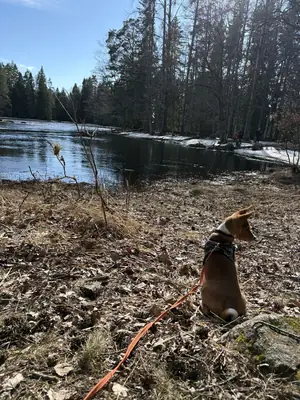
Haven't found the pet you're looking for? Let people who want to find a new home for their pet reach out to you.
Create your free pet adoption request listing now and be seen by thousands of pet owners.
Other listings in your area
Maltipoo puppies for Adoption
not suitable for inexperienced owners
Gift male and female French Bulldog puppies

Cute poodle puppies for adoption
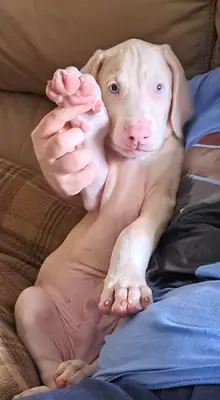
Doberman white/pink male
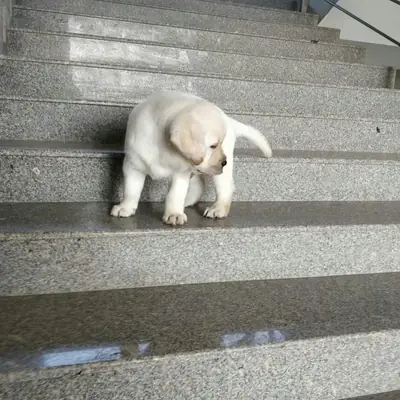
most beautiful labrador retriever puppies ever
Popular Searches
Basenji adoption Birmingham
Basenji adoption in Birmingham attracts people who want a smaller dog with a clean coat, sharp mind and quieter nature, but this breed should never be chosen only because it is known as barkless. A Basenji is still a hunting-type dog with speed, curiosity, independence and a strong opinion about what it wants to do.
Good adoption listings on Petopic should show the dog’s age, temperament, microchip status, vaccination record, neutering, recall, lead manners, garden safety, prey drive, time left alone, behaviour with children, cats and dogs, and the exact reason the Basenji needs a new home.
Free Basenji dog adoption Birmingham
Free Basenji dog adoption in Birmingham can be genuine, especially when an owner is rehoming because of work changes, housing, family circumstances or the dog needing a more experienced home. Free does not mean risk-free.
Before accepting a no-fee Basenji, ask for proof of ownership, microchip transfer details, vet history, vaccination dates, any medication, normal-day videos and a calm viewing plan. A free Basenji with missing information can cost more than an adoption with a clear background.
Basenji rescue Birmingham
Basenji rescue in Birmingham often appeals to adopters who already know the breed is different from many companion dogs. A rescued Basenji may be affectionate with its trusted people, but still aloof with strangers, hard to recall, easily bored and quick to chase movement outdoors.
Look for listings that explain the dog’s daily routine, behaviour inside the home, escape attempts, separation behaviour, lead walking, prey drive, house training and previous living situation. A rescue Basenji needs honest matching, not romantic wording.
Basenji rehoming Birmingham
Basenji rehoming in Birmingham should be handled carefully because this breed can be rehomed for reasons that sound small but become serious in the wrong home: escaping gardens, chasing cats, ignoring recall, becoming destructive when bored or struggling when left alone.
Ask why the Basenji is being rehomed, how long the owner has had the dog, whether the dog has ever escaped, whether it can be left, how it behaves around traffic, other dogs and small animals, and whether the owner will transfer documents properly.
Adopt a Basenji in Birmingham
To adopt a Basenji in Birmingham, focus less on the phrase “quiet dog” and more on whether your home can handle a smart, fast, self-directed dog. Basenjis can be clean and elegant indoors, but they are not usually dogs that blindly obey commands.
The strongest match is usually a home with secure boundaries, patient handling, predictable routines, realistic exercise, mental enrichment and no expectation that the dog will behave like a soft beginner breed.
Basenji for adoption West Midlands
Basenji adoption searches across the West Midlands often include Birmingham, Solihull, Coventry, Wolverhampton, Walsall, Dudley, Sutton Coldfield, West Bromwich, Redditch and Worcester. Local distance matters because you can meet safely and judge the dog’s behaviour before committing.
Use the regional search properly: ask to see the Basenji walking on lead, settling indoors, responding to handling and reacting to normal neighbourhood noise. A nearby listing is useful only when the dog’s background is clear.
Basenji puppy adoption Birmingham
Basenji puppy adoption in Birmingham needs extra caution because puppy photos can make people ignore the hard questions. A Basenji puppy will grow into a quick, independent adult dog that needs structure, socialisation and secure handling from the beginning.
Ask about age, microchip, vaccinations, worming, flea treatment, parent information where relevant, early socialisation, toilet routine, feeding, vet checks and why the puppy is being offered for adoption. Urgent handovers and vague stories are weak signals.
Adult Basenji adoption Birmingham
Adult Basenji adoption in Birmingham can be smarter than chasing a puppy because you can already see the dog’s real personality. You can ask whether it settles at home, walks calmly, guards food, escapes, chases cats or copes when left.
An adult Basenji is not a second-choice dog. For the right adopter, it can be the most honest option because the behaviour, energy level and home needs are already visible.
Senior Basenji adoption Birmingham
Senior Basenji adoption in Birmingham can suit calm homes that want a smaller dog with character, but older dogs still need proper checking. Age may reduce the chaos, but it does not remove vet care, dental needs, stiffness, eyesight changes or long-term health monitoring.
Ask about medication, mobility, appetite, toilet habits, sleep, teeth, weight, kidney checks, eye history and how the dog reacts to new people. A senior Basenji can be a brilliant companion when the adopter is realistic.
Barkless dog adoption Birmingham
Barkless dog adoption searches often lead people to the Basenji, but “barkless” does not mean silent or effortless. Basenjis can yodel, whine, scream, grumble and make plenty of noise when excited, frustrated or left alone.
If noise is the reason you want a Basenji, ask how the dog behaves when alone, when visitors arrive, when it sees other dogs and when it wants something. The right question is not whether it barks; it is whether its full behaviour fits your home.
Quiet dog adoption Birmingham
Quiet dog adoption in Birmingham should not be treated as a search for a dog that never causes problems. A Basenji may bark less than many breeds, but it can still become destructive, restless or vocal if bored, under-exercised or left without structure.
Ask about daily exercise, enrichment, home routine, crate tolerance if used, separation behaviour and whether neighbours have ever complained. Quiet is useful only when the whole dog matches your lifestyle.
Basenji for flat living Birmingham
A Basenji can live in a flat in Birmingham if the adopter handles exercise, toileting, noise, lifts, stairs and alone time properly. The breed’s size is not the real issue; the routine is.
Ask whether the dog settles indoors, reacts to corridor noise, copes without a garden, pulls on lead, toilets reliably and becomes frustrated when under-stimulated. A flat can work, but only with planning.
Basenji with children Birmingham
A Basenji with children can work in the right home, but this breed is not automatically a soft family dog. Some Basenjis dislike rough handling, sudden grabbing, noise, being chased or having their space invaded.
Ask whether the dog has lived with children, what ages, whether it guards food or toys, whether it snaps when crowded and whether it has a safe place to rest. Children must respect the dog, not treat it like entertainment.
Basenji with cats Birmingham
Basenji with cats is a serious adoption check because this breed can have strong chase instinct. Some Basenjis can live with cats they know, but many are risky around cats, rabbits, guinea pigs and other small animals.
Ask for honest history, not hopeful guesses. Has the dog lived with cats? Does it chase outdoors? Does it fixate on movement? Can it be redirected? A cat-safe home needs evidence, slow introductions and escape routes for the cat.
Basenji with other dogs Birmingham
A Basenji with other dogs can be fine, selective or difficult depending on social history, confidence, sex, age and energy level. The breed can be playful, but it can also be intense, bossy or uninterested in random dogs.
Ask whether the Basenji has lived with dogs, whether it guards attention, whether it reacts on lead and whether it prefers calm dogs or energetic play. A neutral meet is more useful than a pretty description.
Basenji for first time owners Birmingham
A Basenji for first time owners is possible, but it is not the easy route. This breed is intelligent and clean, yet often independent, stubborn, fast and difficult off lead. A beginner who wants simple obedience may struggle.
First-time adopters should ask about training history, recall, escape attempts, separation behaviour, handling, food guarding and prey drive. If the answer is “he just needs love”, that is not enough for this breed.
Basenji secure garden adoption
Basenji secure garden adoption is a real concern because this breed can be agile, curious and quick to exploit gaps. Low fences, open gates, loose panels and busy doorways can become immediate problems.
Ask whether the Basenji has ever climbed, jumped, dug, slipped a collar or bolted through doors. Before adoption, check fencing, side gates, balcony access and front-door routines. Hope is not a containment plan.
Basenji recall and off lead
Basenji recall and off-lead freedom should be discussed before adoption. Many Basenjis are not reliable off lead in open areas because scent, movement and distance can override the owner’s voice.
Ask whether the dog has reliable recall, whether it has ever run off, whether it chases wildlife and whether long-line exercise is safer. A Basenji that ignores recall is not being naughty in a simple way; it is acting like the breed it is.
Basenji separation anxiety adoption
Basenji separation anxiety adoption searches matter because some Basenjis cope badly when left alone. The problem may show as whining, yodelling, chewing, scratching doors, toileting indoors or trying to escape.
Ask how long the dog can be left, what happens when the owner leaves, whether another dog helps, whether the dog has damaged anything and whether neighbours have complained. Do not adopt a struggling Basenji and assume more affection will fix it.
Basenji exercise needs adoption
Basenji exercise needs are not just about long walks. This dog often needs movement, sniffing, games, training, safe running opportunities and mental work to avoid boredom.
Ask what a normal day looks like, how far the dog walks, whether it settles after exercise, what toys or puzzles it enjoys and whether it becomes destructive without stimulation. A bored Basenji can make a home miserable fast.
Basenji low shedding adoption
Basenji low shedding searches are common because the breed has a short, clean coat and often grooms itself more than many dogs. That does not make every Basenji suitable for every allergy sufferer.
Ask about shedding, skin condition, bathing, coat care and whether anyone in the home has dog allergies. Meet the dog before adoption where possible instead of trusting a simple “low shedding” label.
Basenji grooming and care
Basenji grooming is usually simple compared with many breeds, but care still matters. Nails, teeth, ears, skin checks, weight and seasonal shedding should not be ignored just because the coat is short.
Ask whether the dog tolerates nail trimming, tooth brushing, bathing and handling. A Basenji that dislikes restraint may need calm, patient care rather than force.
Basenji health problems adoption
Basenji health problems should be discussed openly before adoption. Ask about Fanconi syndrome, eye issues, kidney checks, digestive problems, skin, allergies, hips, dental care, medication and any past tests or vet concerns.
A Basenji does not need a perfect health history to deserve a home, but the adopter needs the truth. Missing vet information is not a small detail when taking responsibility for a dog.
Fanconi Basenji adoption
Fanconi Basenji adoption searches usually come from people who know the breed has specific inherited health concerns. If Fanconi syndrome is diagnosed, suspected or tested for, the listing should be honest about it.
Ask for vet records, test information, symptoms, medication, diet instructions and current monitoring. A Basenji with a health condition may still be adoptable, but only with an adopter who understands the commitment.
Microchipped Basenji adoption Birmingham
Microchipped Basenji adoption in Birmingham should include a proper keeper transfer. With a fast, curious breed, identity details matter from the first day in a new home.
Ask for the microchip number, database instructions and proof that the chip matches the dog. Do not accept vague promises about updating details later without a clear process.
Vaccinated Basenji rehoming
Vaccinated Basenji rehoming listings should state what vaccines have been given, what is due next and whether the dog has a vet record. “Healthy” is not the same as documented.
Ask about boosters, flea treatment, worming, kennel cough if relevant, recent illness and any medication. Strong adoption information makes the health picture clear before collection.
Neutered Basenji adoption Birmingham
Neutered Basenji adoption in Birmingham can help prevent accidental breeding, but it does not automatically solve behaviour, escape attempts, prey drive or separation stress.
Ask whether the dog is neutered, when it was done, whether recovery was normal and whether behaviour or weight changed afterwards. If the dog is not neutered, ask whether a vet has advised timing.
Private Basenji rehoming Birmingham
Private Basenji rehoming in Birmingham can be genuine, but it needs sharper questions than a soft emotional story. Some owners are honest; others may minimise chasing, chewing, bolting, anxiety or conflict with other pets.
Ask for ownership proof, microchip transfer, vet records, normal-day videos, behaviour history and the real reason for rehoming. A responsible owner should care about the match, not just the speed of collection.
Basenji adoption fee Birmingham
Basenji adoption fee Birmingham searches usually compare free rehoming, rescue fees and private adoption. A fee can be reasonable when it reflects care already provided, such as microchipping, vaccination, neutering, flea and worm treatment or vet checks.
Judge the evidence, not only the price. A no-fee Basenji with no documents, no chip transfer and no behaviour history can be a worse deal than a prepared adoption with honest records.
Basenji adoption scams Birmingham
Basenji adoption scams in Birmingham can use stolen photos, fake urgency, delivery-only offers, deposit pressure, copied breed descriptions and missing ownership proof. Rare-looking breeds can attract people who rush because they fear missing out.
Ask for current videos, proof of ownership, vet records, microchip details and a safe viewing or handover plan. If the person avoids proof but pushes payment, walk away.
Birmingham Solihull Coventry Basenji adoption
Basenji adoption around Birmingham, Solihull, Coventry, Wolverhampton, Walsall, Dudley, Sutton Coldfield, West Bromwich, Redditch and Worcester gives adopters more realistic chances of safe viewing and collection.
Do not let distance become the only filter. The right Basenji should have clear behaviour notes, health records, microchip transfer, a suitable home plan and an adopter who understands the breed’s independence.
Frequently Asked Questions
What should I check before adopting a Basenji in Birmingham?
Check the Basenji’s age, microchip, vaccination status, neutering, vet records, recall, lead manners, escape history, prey drive, separation behaviour, toilet routine and reason for rehoming.
This is a clever, independent dog breed, so the match should be based on behaviour and home fit, not only size or appearance.
Is a Basenji a good adoption dog?
Yes, a Basenji can be a good adoption dog for the right home, especially for people who like intelligent, clean, active and independent dogs.
It is not the easiest breed for someone who wants automatic obedience, reliable off-lead recall or a dog that is happy being left for long hours.
Are Basenjis really barkless?
Basenjis are often called barkless because they usually do not bark like many other dogs.
They can still yodel, whine, scream, grumble or become noisy when excited, frustrated, anxious or left alone.
Can a Basenji live in a flat in Birmingham?
A Basenji can live in a flat if exercise, toileting, noise, enrichment and alone time are managed properly.
Ask whether the dog settles indoors, reacts to corridor noise, copes with lifts or stairs and becomes destructive when bored.
Are Basenjis good with children?
Some Basenjis can live with children, but the match depends on the dog’s temperament, handling tolerance and previous experience.
Children should not grab, chase, corner, disturb or treat the dog like a toy. Ask whether the Basenji has lived with children before.
Can Basenjis live with cats?
Some Basenjis can live with cats, but the breed can have a strong prey drive, so this should never be assumed.
Ask whether the dog has lived with cats, whether it chases small animals and whether slow, supervised introductions are realistic.
Can Basenjis live with other dogs?
Many Basenjis can live with other dogs, but some are selective, intense or uncomfortable with certain dogs.
Ask about previous dog experience, lead reactivity, food guarding, play style and whether a calm meet-and-greet is possible before adoption.
Is a Basenji suitable for first time owners?
A Basenji can suit a first time owner only if the person is patient, prepared and realistic about independent behaviour.
It is a poor match for someone who wants an easy, highly obedient dog with simple recall and low training demands.
Do Basenjis need a secure garden?
Yes, a secure garden is strongly recommended because Basenjis can be quick, agile and curious.
Ask whether the dog has ever climbed, jumped, dug, slipped a collar, bolted through doors or escaped from a previous home.
Can Basenjis be trusted off lead?
Many Basenjis are not reliable off lead in open areas because scent, wildlife and movement can override recall.
Ask about recall history, previous escapes and whether long-line exercise or enclosed fields are safer for that dog.
Do Basenjis suffer from separation anxiety?
Some Basenjis struggle when left alone and may whine, yodel, chew, scratch doors, toilet indoors or try to escape.
Ask exactly how long the dog can be left and what happens when the owner leaves the home.
How much exercise does a Basenji need?
A Basenji usually needs daily exercise, sniffing, play, training and mental stimulation.
The exact amount depends on age, health and temperament, but boredom can quickly lead to destructive behaviour.
Do Basenjis shed?
Basenjis have a short coat and are often easier to groom than many breeds, but they can still shed.
Ask about coat condition, skin, allergies, grooming tolerance and whether anyone in the home has dog allergies before adoption.
What health problems should I ask about in a Basenji?
Ask about Fanconi syndrome, eye issues, kidney checks, digestive problems, skin, allergies, dental care, hips, medication and previous vet records.
A Basenji does not need perfect health to be adoptable, but the history must be honest.
Should an adopted Basenji be microchipped?
Yes, the Basenji should be microchipped and the keeper details should be transferred correctly after adoption.
Ask for the microchip number, database process and proof that the chip matches the dog.
Should a Basenji be vaccinated before adoption?
The vaccination status should be clear before adoption. Ask what has been given, what is due next and whether a vet record is available.
Also ask about flea treatment, worming, recent illness and any current medication.
Should a Basenji be neutered before rehoming?
Some adult Basenjis are neutered before rehoming, but not all.
Ask whether the dog is neutered, when it was done, whether there were complications and whether a vet has advised future neutering if it has not been done.
How do I avoid Basenji adoption scams?
Watch for stolen photos, urgent deposits, delivery-only offers, vague ownership stories, missing microchip details and no vet records.
Ask for current videos, proof of ownership, microchip information, safe viewing or collection and a clear reason for rehoming.
What should I prepare before bringing a Basenji home?
Prepare a secure home, strong lead, well-fitted harness, bowls, familiar food, bed, toys, chew options, enrichment, vet registration and a calm settling plan.
Keep the first week structured and quiet. Do not rush off-lead walks, introductions or long periods alone.