Free Adoption of Amazon Parrots in Bordeaux
There's 1 Amazon Parrot listing live right now, last updated 25 Apr 2026. Amazon Parrot adoption in ... There's 1 Amazon Parrot listing live right now, last updated 25 Apr 2026. Amazon Parrot adoption in Bordeaux is for people looking for a clever, vocal and long-lived companion bird, but the right matc... There's 1 Amazon Parrot listing live right now, last updated 25 Apr 2026. Amazon Parrot adoption in Bordeaux is for people looking for a clever, vocal and long-lived companion bird, but the right match should be chosen by legal paperwork, identification, temperament, daily noise level and specialist care needs before colour or talking ability. Browse Amazon parrots around Bordeaux, Chartrons, Bastide, Caudéran, Saint-Augustin, Mérignac, Pessac, Talence, Bègles, Gradignan, Le Bouscat, Lormont, Cenon, Libourne and the wider Gironde area with care for certificate of transfer, ring or microchip identification, CITES or species documents where required, captive-bred proof, age, sexing result, avian vet history, feather condition, plucking, beak and nail health, diet, obesity risk, vitamin A intake, cage size, out-of-cage time, screaming, biting, hormonal behaviour, talking habits, handling tolerance, children, cats, dogs, other birds, balcony safety, travel plans and whether this Amazon parrot’s loud voice, intelligence and decades-long commitment genuinely fit your home before adoption.
Haven't found the pet you're looking for? Let people who want to find a new home for their pet reach out to you.
Create your free pet adoption request listing now and be seen by thousands of pet owners.
Other listings in your area
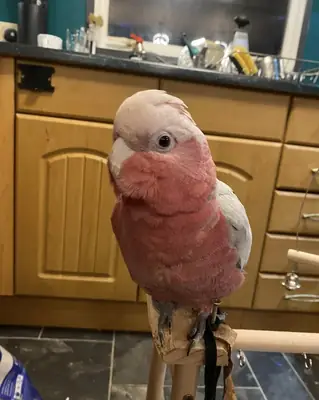
10-month-old male galah cockatoo
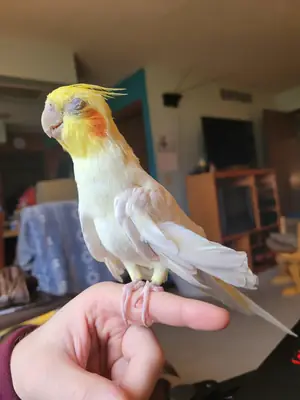
Accustomed to living with people, a cockatiel is looking for a new home.
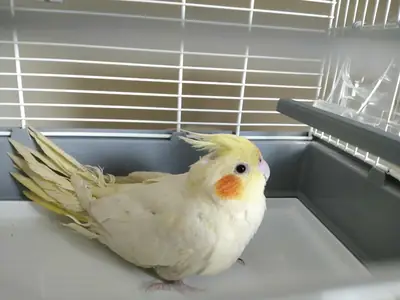
Cockatiel accustomed to living in a house seeks a new home
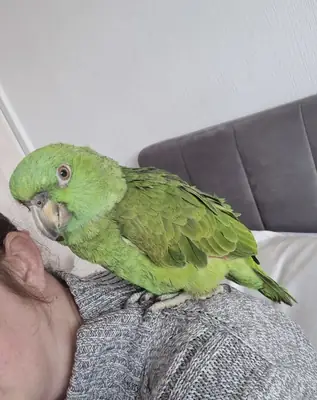
Yellow-necked Amazon parrot, pet parrot
Popular Searches
Amazon Parrot adoption Bordeaux
Amazon Parrot adoption in Bordeaux should be treated as a serious long-term commitment, not a colourful impulse choice. An Amazon Parrot is a highly intelligent companion bird with a strong voice, social needs, a powerful beak and a lifespan that can stretch across decades.
A strong adoption listing should explain the bird’s species, age, sexing status, ring or microchip identification, certificate of transfer, species paperwork where required, diet, cage routine, out-of-cage time, handling tolerance, noise level, biting history, feather condition and whether the bird has been checked by an avian vet.
Amazon parrots for adoption Bordeaux
Amazon parrots for adoption in Bordeaux can include Blue-fronted Amazons, Yellow-naped Amazons, Orange-winged Amazons, Yellow-crowned Amazons and other Amazon species or mixes. Each bird can differ sharply in noise, confidence, handling, talking ability and hormonal behaviour.
Ask whether the parrot steps up, accepts more than one person, screams at certain times, bites during breeding season, plucks feathers, has a seed-heavy diet or has legal origin documents. The exact bird matters more than the species name alone.
Amazon Parrot rehoming Bordeaux
Amazon Parrot rehoming in Bordeaux often happens because the bird is too loud, too bonded to one person, difficult to handle, expensive to care for or affected by a home move. Those reasons are not automatically bad, but they must be stated honestly.
Ask why the Amazon is being rehomed, how long it has lived in the current home, whether it has bitten, whether it screams daily, whether it plucks, whether it is cage-protective and what routine helps it stay calm.
Amazon Parrot rescue Bordeaux
Amazon Parrot rescue in Bordeaux should focus on rehabilitation, safe handling and clear records. A rescue Amazon may be loving, funny and verbal, but it may also carry stress from poor diet, isolation, rough handling or repeated home changes.
Ask for the bird’s known history, current diet, feather condition, behaviour around hands, preferred people, noise triggers, medical notes and whether the adopter will receive a proper transfer document with identification details.
Amazon Parrot free to good home Bordeaux
Amazon Parrot free to good home Bordeaux searches should be handled carefully. A free parrot can still require an avian vet visit, diet conversion, a larger cage, safe perches, toys, document checks and behaviour work.
Ask why there is no adoption fee, whether the bird comes with legal transfer paperwork, whether it is identified by ring or microchip, whether the cage is included and whether any biting, screaming or plucking is being hidden to speed up rehoming.
Talking Amazon Parrot adoption Bordeaux
Talking Amazon Parrot adoption in Bordeaux attracts people who want a bird that says words, sings or mimics household sounds. Talking ability is entertaining, but it should never be the main adoption filter.
Ask what the bird actually says, when it vocalises, whether it also screams, whether it calls for a favourite person and whether it becomes frustrated when ignored. A talking Amazon can still be extremely loud, demanding and unsuitable for thin-walled flats.
Tame Amazon Parrot adoption Bordeaux
Tame Amazon Parrot adoption in Bordeaux should mean the bird can be handled calmly and safely, not simply that it once stepped onto someone’s hand. Tameness can change with stress, hormones, new rooms and new people.
Ask whether the Amazon steps up reliably, allows cage cleaning, accepts more than one person, permits nail care, bites near the cage, lunges at visitors or becomes territorial around a favourite human.
Hand tame Amazon Parrot Bordeaux
Hand tame Amazon Parrot Bordeaux searches need proof through real behaviour. A hand tame parrot should not panic around hands, bite unpredictably or refuse to leave the cage unless handled by one specific person.
Ask for current videos showing step-up, return to cage, gentle handling and behaviour near the cage door. If every video avoids hands, the “hand tame” claim is weak.
Blue-fronted Amazon adoption Bordeaux
Blue-fronted Amazon adoption in Bordeaux should be checked through paperwork, voice level, temperament and diet. This Amazon type can be bold, vocal, expressive and strongly bonded to familiar people.
Ask whether the bird has identification, certificate of transfer, captive origin details, talking habits, screaming periods, handling tolerance, feather condition, weight history and avian vet notes. Colourful face markings are not enough.
Yellow-naped Amazon adoption Bordeaux
Yellow-naped Amazon adoption in Bordeaux needs extra attention to legal origin and behaviour. These parrots can be strong talkers and strong personalities, which is exactly why rushed adoption is a bad idea.
Ask for species documents where required, ring or microchip identification, sexing result, handling videos, biting history, hormonal behaviour, noise level and whether the bird has been kept on a balanced diet rather than seed-only feeding.
Orange-winged Amazon adoption Bordeaux
Orange-winged Amazon adoption in Bordeaux should be based on the bird’s daily routine and confidence. Some Orange-winged Amazons are social and interactive; others are nervous, loud or cage defensive after poor handling.
Ask how the bird behaves at feeding time, during cage cleaning, around strangers, with other birds and when asked to step up. A calm adoption match starts with honest routine details.
Yellow-crowned Amazon adoption Bordeaux
Yellow-crowned Amazon adoption in Bordeaux should include proof of identification, transfer paperwork and realistic information about noise and handling. A pretty yellow head does not tell you how the bird behaves at home.
Ask whether the parrot talks, screams, bites, accepts bathing, eats vegetables, has had feather damage or shows jealousy around certain people. The adoption should be about the real bird, not the photo.
Double Yellow-headed Amazon adoption Bordeaux
Double Yellow-headed Amazon adoption in Bordeaux can attract experienced bird lovers because these parrots are known for voice, confidence and personality. That same confidence can become biting, screaming or territorial behaviour in the wrong home.
Ask for exact species paperwork, identification, sexing, age, previous homes, known phrases, hormonal behaviour, cage aggression and whether the bird can be handled safely by more than one person.
Mealy Amazon Parrot adoption Bordeaux
Mealy Amazon Parrot adoption in Bordeaux should not be judged by size alone. Larger Amazon parrots need space, enrichment, safe perches, routine handling and an owner who can read body language.
Ask whether the bird has a large enough cage, whether it spends time outside the cage, whether it flies, whether it screams when bored and whether it has a history of obesity or poor diet.
Adult Amazon Parrot adoption Bordeaux
Adult Amazon Parrot adoption in Bordeaux can be safer than taking an unknown youngster because adult behaviour, voice level, food habits and handling preferences are already visible.
Ask whether the adult Amazon is bonded to one person, hormonal during certain seasons, noisy at sunrise or sunset, cage protective, friendly with visitors and able to adapt to a new routine without severe stress.
Senior Amazon Parrot adoption Bordeaux
Senior Amazon Parrot adoption in Bordeaux can be deeply rewarding, but older parrots need clear medical and routine information. Age can bring arthritis, beak or nail issues, cataracts, liver problems, obesity or reduced flight ability.
Ask about recent avian vet checks, weight, bloodwork if available, diet, mobility, perches, grip strength, feather condition, breathing, medication and whether the bird needs easier cage access.
Baby Amazon Parrot adoption Bordeaux
Baby Amazon Parrot adoption in Bordeaux should be approached with caution. Young parrots must be fully weaned, healthy, identified, properly documented and eating independently before any responsible handover.
Ask whether the bird is fully weaned, what diet it eats, whether it has identification, whether it has a certificate of transfer, whether it has seen an avian vet and whether it is already socialised with normal household activity.
Male Amazon Parrot adoption Bordeaux
Male Amazon Parrot adoption in Bordeaux should not be decided by sex alone. Male Amazons can be confident, funny and vocal, but some become territorial or intense during hormonal periods.
Ask whether sex has been confirmed by DNA or records, whether the bird bites during breeding season, whether it protects a favourite person and whether it can be handled safely when excited.
Female Amazon Parrot adoption Bordeaux
Female Amazon Parrot adoption in Bordeaux should include sexing proof where possible and honest notes about hormonal behaviour, nesting interest and egg-laying history.
Ask whether the bird has laid eggs, becomes protective of boxes or dark spaces, shows seasonal aggression, chews furniture or needs calcium and avian vet monitoring. Sex matters only when linked to real care needs.
Amazon Parrot with papers Bordeaux
Amazon Parrot with papers Bordeaux searches are important because parrot adoption in France should not be document-free. The bird’s identification, origin and transfer should be clear before adoption.
Ask for certificate of transfer, ring or microchip identification, species paperwork where required, purchase or origin records, sexing results if available and avian vet history. If paperwork is missing or vague, the adoption is not strong enough.
Amazon Parrot certificate of transfer Bordeaux
Amazon Parrot certificate of transfer in Bordeaux is not a detail to skip. A proper handover should identify the bird, the current keeper, the new keeper and the species clearly.
Ask whether the certificate includes the bird’s identification number, species name, date of transfer, origin information and signatures. A parrot without clear transfer proof can create legal and welfare problems later.
Amazon Parrot CITES documents Bordeaux
Amazon Parrot CITES documents in Bordeaux depend on the exact species and legal status of the bird. Some Amazon species require more careful documentation than others, so vague “no papers needed” answers are not good enough.
Ask for the scientific species name, identification method, origin records, certificate of transfer and any CITES or intra-community documents where required. If the seller or keeper does not know the species, stop and verify before adopting.
Ringed Amazon Parrot adoption Bordeaux
Ringed Amazon Parrot adoption in Bordeaux should include the ring number on the transfer paperwork. A ring can help connect the bird to records, but it must be readable and consistent with documents.
Ask whether the ring is closed, readable, undamaged and listed on the certificate of transfer. If the bird has no ring, ask whether it is microchipped and how identity is proven.
Microchipped Amazon Parrot Bordeaux
Microchipped Amazon Parrot adoption in Bordeaux should link the chip number to the bird’s transfer paperwork, origin records and veterinary history.
Ask whether an avian vet placed or checked the microchip, whether the number appears on documents and whether keeper details can be updated correctly. Identification must not be guessed.
Captive-bred Amazon Parrot Bordeaux
Captive-bred Amazon Parrot Bordeaux searches matter because legal origin and welfare history are central to responsible adoption. A parrot should not be taken from unclear or suspicious sourcing.
Ask for origin records, identification, breeder or previous keeper details, transfer certificate and species documents where required. A bird with no traceable background is a serious risk.
Amazon Parrot avian vet Bordeaux
Amazon Parrot avian vet Bordeaux searches should be part of adoption planning. A normal dog-and-cat check is not enough for a parrot with diet, feather, beak, respiratory and behavioural needs.
Ask whether the bird has seen an avian vet, when the last check happened, whether weight was recorded, whether bloodwork was done and whether there are notes about diet, liver health, feathers, beak, nails or breathing.
Amazon Parrot diet Bordeaux
Amazon Parrot diet in Bordeaux should not be seed-only. Many Amazons become overweight or nutrient-deficient when fed mostly sunflower seeds, nuts and human snacks.
Ask whether the bird eats pellets, vegetables, leafy greens, safe fruit in moderation and foraging foods. Also ask whether it refuses fresh food, begs for high-fat treats or has signs of vitamin A deficiency.
Amazon Parrot obesity Bordeaux
Amazon Parrot obesity is a real adoption concern because these birds can gain weight on rich seed and nut diets, especially with little flying or climbing.
Ask the bird’s current weight, diet, activity level, flight ability, perches, foraging routine and whether a vet has ever mentioned fatty liver risk or weight loss. A round parrot is not automatically a healthy parrot.
Amazon Parrot vitamin A deficiency Bordeaux
Amazon Parrot vitamin A deficiency should be asked about when the bird has been kept on a poor seed-heavy diet. Low-quality feeding can affect mouth, respiratory health, skin and feather condition.
Ask whether the parrot eats orange and dark green vegetables, whether it has had mouth plaques, respiratory infections, dull feathers, flaky skin or repeated illness. Diet history is not a minor detail.
Amazon Parrot cage size Bordeaux
Amazon Parrot cage size in Bordeaux homes must fit a strong, active bird that needs climbing, wing movement, toys, safe perches and daily out-of-cage time. A decorative small cage is not enough.
Ask what cage the bird currently uses, whether it can fully stretch its wings, whether it chews bars, whether it has varied perch sizes and how many hours it spends outside the cage each day.
Amazon Parrot out of cage time Bordeaux
Amazon Parrot out-of-cage time matters because these birds need movement, enrichment and social interaction. A parrot left in a cage all day may develop screaming, biting, feather damage or fear.
Ask how many hours the bird is out, whether it flies, climbs, destroys safe toys, returns to the cage calmly and whether the home is bird-proofed against windows, kitchens, candles, fumes, wires and open doors.
Amazon Parrot screaming Bordeaux
Amazon Parrot screaming in Bordeaux flats or attached homes can become a serious problem. Amazons can be naturally loud, especially at morning, evening, during excitement or when seeking attention.
Ask when the bird screams, how long it lasts, whether neighbours have complained, whether it screams when left alone and what reduces the behaviour. A loud Amazon should not be adopted into an unrealistic housing setup.
Amazon Parrot biting Bordeaux
Amazon Parrot biting should be discussed before adoption because this bird has a powerful beak and clear body language that inexperienced owners often miss.
Ask what triggers bites, whether the bird bites hands, faces or only near the cage, whether bites draw blood, whether the bird warns first and whether hormones, fear, jealousy or overhandling are involved.
Aggressive Amazon Parrot adoption Bordeaux
Aggressive Amazon Parrot adoption in Bordeaux is not impossible, but it is not for beginners. “Aggressive” may mean fear, hormones, territorial behaviour, poor handling or pain.
Ask for honest bite history, handling videos, avian vet notes, favourite person behaviour, cage aggression and what training has been tried. A bird with serious aggression needs an experienced, calm and patient home.
Amazon Parrot hormonal behaviour Bordeaux
Amazon Parrot hormonal behaviour can include sudden biting, territorial displays, regurgitation, nesting behaviour, screaming, lunging or possessiveness over one person.
Ask whether behaviour changes by season, whether the bird reacts to boxes, dark spaces, mirrors, petting on the back or certain people. Hormonal behaviour should be managed, not ignored.
Amazon Parrot feather plucking Bordeaux
Amazon Parrot feather plucking before adoption needs honest explanation. Plucking can be linked to stress, boredom, poor diet, skin irritation, pain, hormones or medical problems.
Ask when it started, whether the bird chews or pulls feathers, whether the skin is damaged, whether an avian vet has checked it and whether enrichment, diet change or routine changes helped.
Amazon Parrot feather condition Bordeaux
Amazon Parrot feather condition tells you a lot about diet, stress, bathing, environment and health. Dull feathers, broken feathers, bald patches or over-preening should be checked before adoption.
Ask for current photos in natural light, recent bath routine, moulting pattern, diet, humidity, vet notes and whether the bird has ever barbered or plucked its feathers.
Amazon Parrot beak and nails Bordeaux
Amazon Parrot beak and nail condition should be checked because overgrowth, deformity or poor grip can point to diet, perch, liver, age or health concerns.
Ask whether the bird has natural wood perches, whether nails have been trimmed by an experienced person, whether the beak overgrows and whether an avian vet has examined it recently.
Amazon Parrot respiratory problems Bordeaux
Amazon Parrot respiratory problems must be taken seriously. Open-mouth breathing, tail bobbing, sneezing, nasal discharge, voice changes or poor stamina need avian vet attention.
Ask whether the bird has lived near smoke, scented candles, non-stick cooking fumes, aerosols, mould or dusty bedding. A parrot’s lungs are sensitive, and home environment matters.
Amazon Parrot with children Bordeaux
Amazon Parrot with children in Bordeaux should be judged carefully because the bird can bite hard, scream loudly and become stressed by fast movement or grabbing hands.
Ask whether the parrot has lived with children, whether it tolerates noise, whether it lunges at faces, whether it is cage-protective and whether children can follow calm handling rules. Supervision is not optional.
Amazon Parrot with cats Bordeaux
Amazon Parrot with cats requires strict safety. A cat can injure or kill a parrot quickly, and even a calm cat may become triggered by flight, flapping or noise.
Ask whether the bird has lived near cats, whether the cage is secure, whether out-of-cage time can happen in a cat-free room and whether the adopter can manage doors, balconies and supervision every day.
Amazon Parrot with dogs Bordeaux
Amazon Parrot with dogs in Bordeaux can work only with strict management. Dogs may chase, bark, jump at cages or become excited by wing movement and screaming.
Ask whether the parrot has been around dogs, whether it screams at them, whether the dog can be kept away during out-of-cage time and whether the cage is positioned safely away from paws, noses and stress.
Amazon Parrot with other birds Bordeaux
Amazon Parrot with other birds should be introduced carefully because Amazons can be territorial, jealous, dominant or aggressive toward smaller birds.
Ask whether the bird has lived with parrots before, whether it attacks cages, screams at other birds, shares space safely or needs separate out-of-cage time. Bird-friendly should mean tested, not assumed.
Amazon Parrot for apartment Bordeaux
Amazon Parrot for apartment Bordeaux searches are risky because these birds can be very loud. A quiet building, thin walls or noise-sensitive neighbours may make adoption unrealistic.
Ask for the bird’s daily noise pattern, whether it screams at sunrise or sunset, whether it calls when alone, whether neighbours have complained and whether the home has enough room for a large cage and safe flight time.
Amazon Parrot balcony safety Bordeaux
Amazon Parrot balcony safety in Bordeaux matters because one open door, window or balcony can lead to escape. A clipped bird can still glide or fall, and a flighted bird can disappear quickly.
Ask whether the bird is flighted, clipped, trained to return, startled by outdoor noise and whether the adopter can use secure screens, closed doors and supervised rooms during out-of-cage time.
Amazon Parrot lifespan Bordeaux
Amazon Parrot lifespan is one of the biggest adoption realities. This is not a short-term pet; a healthy Amazon may need care for decades, sometimes longer than many household plans.
Ask the bird’s age, whether age is documented, who will care for it if the adopter moves, becomes ill or leaves France, and whether long-term veterinary, diet and housing costs are realistic.
Amazon Parrot travel documents Bordeaux
Amazon Parrot travel documents matter for adopters who may move within Europe or leave France later. A parrot with unclear identity or missing species papers can become a major travel problem.
Ask for identification, certificate of transfer, species documents where required, avian vet records and vaccination or health documents relevant to future movement. Do not adopt first and solve paperwork later.
Amazon Parrot adoption for expats Bordeaux
Amazon Parrot adoption for expats in Bordeaux needs extra caution because future relocation, language barriers, landlord rules, travel paperwork and avian vet access may all matter.
Ask whether the bird has full transfer documents, identification, species paperwork where needed and a routine that fits your work schedule. An expat home should not adopt a decades-long bird without a long-term plan.
Amazon Parrot adoption cost Bordeaux
Amazon Parrot adoption cost in Bordeaux is not only the adoption fee. The real cost includes a proper cage, safe perches, toys, fresh food, pellets, avian vet care, grooming help, travel carriers and possible behaviour support.
Ask what is included with the bird, whether the current cage is suitable, whether the bird needs immediate vet care and whether any missing paperwork must be resolved. Cheap adoption can become expensive fast.
Amazon Parrot adoption scam Bordeaux
Amazon Parrot adoption scams in Bordeaux can use copied parrot photos, fake rescue stories, delivery-only promises, urgent deposits, missing identification and vague paperwork.
Ask for current videos, proof the bird is in or near Bordeaux, certificate of transfer, identification details, species paperwork where required, avian vet history and a safe in-person handover process. If proof disappears but payment pressure increases, walk away.
Frequently Asked Questions
Can I adopt an Amazon Parrot in Bordeaux?
Yes, Amazon parrots may be listed for adoption in Bordeaux, but the bird’s legal paperwork, identification, health and behaviour must be checked before handover.
Ask for certificate of transfer, ring or microchip details, species documents where required, avian vet notes, diet history, noise level, biting history and feather condition.
Is an Amazon Parrot a bird?
Yes, an Amazon Parrot is a bird. It is a parrot species group known for intelligence, strong voice, social behaviour, bright colouring and long lifespan.
It is not a low-effort cage decoration, and it needs daily interaction, enrichment, correct diet, safe housing and specialist care.
What should I check before adopting an Amazon Parrot?
Check the species, age, sexing status, identification, certificate of transfer, species paperwork where required, diet, cage size, feather condition, noise level and handling behaviour.
Also ask about biting, screaming, plucking, hormonal behaviour, avian vet history, obesity risk, vitamin intake and compatibility with children, cats, dogs and other birds.
Does an Amazon Parrot need paperwork in France?
Yes, a parrot adoption should include clear transfer and identification paperwork. The exact documents can depend on the species and legal status of the bird.
Ask for certificate of transfer, ring or microchip identification, origin records and CITES or species documents where required before agreeing to adoption.
What is a certificate of transfer for an Amazon Parrot?
A certificate of transfer records the handover of the bird from the current keeper to the new keeper.
It should identify the bird, species, identification number, date of transfer and the people involved. Keep a copy with the bird’s records.
Do Amazon parrots need CITES documents?
Some Amazon parrots may need CITES or species-related documents depending on the exact species and status.
Ask for the scientific species name, identification details, origin proof and any required documents before adoption. Do not accept vague answers about protected species paperwork.
Should an Amazon Parrot be ringed or microchipped?
An Amazon Parrot should have clear identification, usually through a ring or microchip depending on the bird and its records.
Ask whether the identification number appears on the transfer document and matches the bird’s other paperwork.
Why does captive-bred proof matter for Amazon parrots?
Captive-bred proof helps show the bird’s legal origin and supports responsible adoption.
Ask for origin records, identification, previous keeper details and species documents where required. A bird with unclear origin is risky.
Are Amazon parrots good pets?
Amazon parrots can be excellent companion birds for experienced, patient and committed homes.
They are intelligent, social and entertaining, but they can also be loud, demanding, hormonal and capable of painful bites.
Are Amazon parrots good for beginners?
Amazon parrots are usually difficult for beginners because they are loud, strong-willed, intelligent and long-lived.
First-time bird owners should be cautious with biting history, screaming, feather plucking, poor diet, missing paperwork or severe cage aggression.
Do Amazon parrots talk?
Many Amazon parrots can learn words, songs and household sounds, but talking ability varies by individual bird.
Adopt for temperament, health and care fit first. A talking Amazon can still scream, bite or become difficult if its needs are not met.
Are Amazon parrots loud?
Yes, Amazon parrots can be very loud. They may scream in the morning, evening, when excited, when bored or when seeking attention.
Ask about the bird’s daily noise pattern and whether neighbours have ever complained before adoption.
Can an Amazon Parrot live in an apartment?
An Amazon Parrot can live in an apartment only if the home can manage noise, cage size, safe out-of-cage time and daily enrichment.
Thin walls, noise-sensitive neighbours and small rooms can make Amazon Parrot adoption unrealistic.
Do Amazon parrots bite?
Amazon parrots can bite, especially when scared, hormonal, overexcited, territorial or mishandled.
Ask what triggers bites, whether the bird gives warning signs, whether bites draw blood and whether cage aggression is present.
What does cage aggression mean in an Amazon Parrot?
Cage aggression means the bird may lunge, bite or threaten when someone approaches the cage, changes food bowls or cleans inside.
Ask whether the bird steps out calmly, whether it attacks hands near the door and whether it behaves differently away from the cage.
What is hormonal behaviour in Amazon parrots?
Hormonal behaviour can include biting, screaming, regurgitation, nesting, territorial displays and possessiveness over one person.
Ask whether behaviour changes by season, around boxes, mirrors, dark spaces or certain types of touching.
Why do Amazon parrots pluck feathers?
Feather plucking can be linked to stress, boredom, poor diet, skin irritation, pain, hormones or medical issues.
Ask when plucking started, whether an avian vet checked it and whether diet, enrichment or routine changes have helped.
What should an Amazon Parrot eat?
An Amazon Parrot should not live on seed alone. A balanced diet usually includes quality pellets, vegetables, leafy greens, safe fruit in moderation and limited high-fat treats.
Ask what the bird currently eats and whether it accepts fresh foods before adoption.
Are Amazon parrots prone to obesity?
Yes, Amazon parrots can become overweight, especially on seed-heavy diets with little flight, climbing or foraging.
Ask for the bird’s current weight, diet, activity level and whether an avian vet has mentioned liver or weight concerns.
Why is vitamin A important for Amazon parrots?
Vitamin A supports healthy skin, feathers, mouth tissues and respiratory health.
Ask whether the bird eats vegetables such as leafy greens, carrots, peppers or sweet potato, and whether it has had repeated infections or dull feathers.
How big should an Amazon Parrot cage be?
The cage should allow the parrot to move, climb, stretch its wings, use varied perches and interact with enrichment safely.
Ask what cage the bird currently uses and how many hours it spends outside the cage each day.
How much out-of-cage time does an Amazon Parrot need?
Amazon parrots need regular out-of-cage time for movement, enrichment and social interaction.
Ask whether the bird flies, climbs, plays, returns to the cage calmly and whether the home can be made safe for out-of-cage time.
Can Amazon parrots live with children?
Some Amazon parrots can live around children, but supervision is essential because these birds can bite hard and become stressed by grabbing or fast movement.
Ask whether the bird has lived with children, whether it lunges at faces and whether it tolerates normal household noise.
Can Amazon parrots live with cats?
Amazon parrots can only live in homes with cats when strict safety rules are possible.
Out-of-cage time should happen in a cat-free room, and the cage must be secure from paws, jumping and stalking.
Can Amazon parrots live with dogs?
Amazon parrots can live in homes with dogs only when the dog is controlled and the bird is protected from chasing, barking and cage harassment.
Ask whether the bird has lived near dogs and whether safe separation is possible every day.
Can Amazon parrots live with other birds?
Some Amazon parrots can live near other birds, but introductions must be careful because Amazons can be territorial or aggressive.
Ask whether the bird has lived with parrots before, whether it attacks cages and whether separate out-of-cage time is needed.
Is a balcony dangerous for an Amazon Parrot?
Yes, balconies, open windows and open doors are escape risks for Amazon parrots.
A clipped bird can still glide or fall, and a flighted bird can disappear quickly. Use secure rooms and supervised out-of-cage time.
How long do Amazon parrots live?
Amazon parrots can live for decades with good care, so adoption should be planned as a long-term responsibility.
Ask the bird’s age, whether age is documented and who will care for the bird if the adopter moves or can no longer provide care.
Do Amazon parrots need an avian vet?
Yes, Amazon parrots should be checked by an avian vet or a vet experienced with birds.
Ask for recent health checks, weight records, diet advice, beak and nail notes, feather condition and any bloodwork or treatment history.
What health problems should I ask about in an Amazon Parrot?
Ask about obesity, vitamin A deficiency, respiratory problems, feather plucking, liver concerns, beak overgrowth, nail problems, skin irritation and old injuries.
Also ask whether the bird has seen an avian vet and whether any medication or diet change is needed.
Can I travel with an adopted Amazon Parrot from Bordeaux?
Travel can be complicated for parrots because identification, species documents, health records and destination rules may apply.
Before adoption, ask for full paperwork and check future travel needs if you may move within Europe or outside France.
How much does Amazon Parrot adoption really cost?
Even if the adoption fee is low, Amazon Parrot care can be expensive.
Budget for a large cage, perches, toys, safe food, pellets, avian vet care, travel carrier, document checks and possible behaviour support.
How can I avoid Amazon Parrot adoption scams in Bordeaux?
Be cautious with copied photos, urgent deposits, delivery-only offers, fake rescue stories, vague Bordeaux locations and missing identification or paperwork.
Ask for current videos, proof the bird is local, certificate of transfer, identification details, species documents where required, avian vet history and a safe handover process.