Bordeaux Greyhound Free Adoption listings
There are 2 Greyhound listings live right now, last updated 22 Aug 2026. Bordeaux Greyhound Free Ado... There are 2 Greyhound listings live right now, last updated 22 Aug 2026. Bordeaux Greyhound Free Adoption listings. Browse the latest pet ads — adoption, for sale, lost & found and breeding. Find the ... There are 2 Greyhound listings live right now, last updated 22 Aug 2026. Bordeaux Greyhound Free Adoption listings. Browse the latest pet ads — adoption, for sale, lost & found and breeding. Find the right listing for you from thousands of ads. petopic.com
Haven't found the pet you're looking for? Let people who want to find a new home for their pet reach out to you.
Create your free pet adoption request listing now and be seen by thousands of pet owners.
Greyhound 2026: Temperament, Health, and Adoption Costs for New Owners
Explore Greyhound traits, health screenings, adoption costs, and lifestyle fit. Get the facts before adopting this iconic breed.
Other listings in your area
Yorkshire, lack of time

Maltese puppy for sale
dog, maintenance more complicated than expected
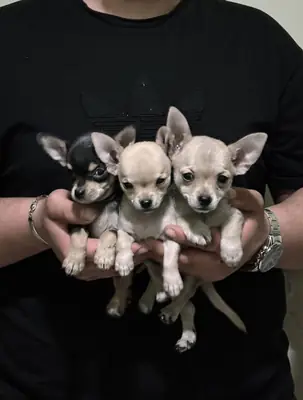
Free to a good home: male and female Chihuahua puppies
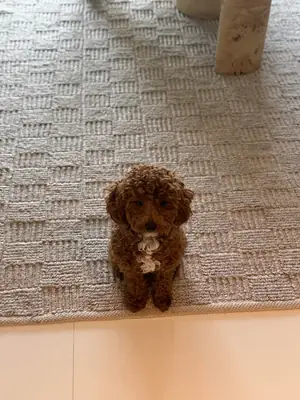
A very intelligent brown poodle who loves walks.

very pretty Australian shepherd puppy for adoption
Popular Searches
Greyhound adoption
People searching for Greyhound adoption are often trying to understand whether the breed’s reputation matches real life. They see speed, but they also hear that Greyhounds are calm indoors and surprisingly easy to live with once settled.
The strongest content under this heading should make the real picture obvious early. A good Greyhound listing needs to show whether the dog is a retired racer, how it behaves in the home, whether it has been assessed around cats or small dogs, and whether the adopter is looking at a quiet companion or a dog still learning ordinary home life.
retired racing Greyhound adoption
This is one of the strongest real intent clusters for the breed. A lot of adopters already know that many Greyhounds available for homing come from racing backgrounds and want listings that explain what that actually means in daily life.
A useful section here should explain whether the dog has already lived in foster care, whether it is learning stairs and household sounds, and whether the adopter should expect a smooth transition or a short adjustment period while the dog gets used to normal home routines.
Greyhound rescue near me
This search comes from people who want a realistic local option, not a dog so far away that transport and coordination become the whole story before they even know whether the match is right. They want nearby rescue listings, clear location details, and a quick sense of what is actually available now.
The most useful content here makes region, local branch or rescue matching, and meeting expectations clear from the start. With Greyhounds, local rescue structure matters because many dogs are placed through specialist groups rather than ordinary shelter browsing alone.
adopt a retired racer
This is action intent from someone who already understands the breed’s adoption story. The visitor is not casually browsing. They want a page that helps them move from search to shortlist without reading generic large dog copy that completely misses the retired-racer reality.
The best content here should stay practical. Show current dogs, keep availability clear, and surface the details that matter most for ex-racers, such as cat testing, home adjustment, stairs, lead habits, and whether the dog has already learned how to relax in a domestic routine.
Greyhound apartment dog
People search this because Greyhounds have an unusual contrast between size and lifestyle. They look like they should need huge daily output, yet many adopters hear they can be excellent calm indoor dogs.
This heading works best when listings explain the real balance. A Greyhound may cope very well in a smaller home if the dog has safe exercise, enough company, and a home environment that is calm rather than chaotic. The page should make that practical instead of romantic.
cat friendly Greyhound
This search reflects one of the biggest real matching questions in Greyhound adoption. The visitor wants to know whether a specific dog has been cat tested or fostered safely around cats, not whether someone has written vague breed praise.
The strongest content here should make the distinction clear. A serious listing should explain whether the Greyhound has passed a cat test, whether the result is promising but not guaranteed, and whether the new home still needs to handle introductions carefully and patiently.
Greyhound with small dogs
This search is really about prey drive management and household fit. People want to know whether a specific Greyhound can live safely with smaller dogs, not whether the breed is generally nice.
A good section here should say what is actually known. It should explain whether the dog has lived with small dogs before, whether introductions need extra caution, and whether the dog’s outdoor chase instinct is much stronger than its indoor manners might first suggest.
Greyhound stairs and slippery floors
Visitors searching this already know one of the more specific retired-racer transition issues. They want to know whether the dog has seen stairs before, whether smooth flooring is a problem, and whether the home will need a patient setup in the first days or weeks.
The strongest content here should make those adjustments feel normal rather than alarming. A useful listing should explain whether the dog is already comfortable with stairs, rugs, and glass doors, or whether the next home needs to expect a short learning curve while the dog adapts.
adult Greyhound adoption
This search usually comes from adopters who specifically want a more known quantity. With Greyhounds, that often means a retired racer or a mature rescue dog whose temperament, prey drive, and indoor habits are easier to assess than a puppy’s future personality.
A useful section here should focus on what is already known. Does the dog settle well indoors, walk nicely on lead, cope with normal home noise, and understand basic house routine? That is the information serious adopters want before they enquire.
senior Greyhound adoption
Some adopters search for senior Greyhound on purpose because they want the quietest version of a breed already known for indoor calm. Older Greyhounds can appeal strongly to people who want companionship, gentleness, and a more predictable routine.
The best listings here should show health basics, comfort indoors, mobility, and whether the dog still enjoys short outings or prefers an even softer pace. For senior dogs, honesty converts better than sentiment.
Greyhound foster home
This search reflects rescue-aware intent. The visitor knows foster-based dogs often come with much better day-to-day information than dogs described only from kennel life.
A good section here should explain what foster care has already revealed, such as cat tolerance, stairs progress, confidence around household objects, lead manners, and whether the Greyhound has settled into pet life more quickly than first expected.
Greyhound rescue application
This search comes from people who understand that Greyhound rescue is often more structured than simply sending a message. They want to know whether the process includes an application, home check, foster matching, or cat-assessment before they get attached to a specific dog.
The strongest content here makes that path feel clear instead of vague. If the rescue uses forms, home visits, or detailed pet matching, the visitor should understand that early so the page attracts serious adopters rather than low-intent clicks.
Greyhound can be left alone
People searching this are trying to understand whether their workday and home rhythm are realistic for the breed. They are not looking for a fantasy answer. They want to know whether a Greyhound can cope or whether stress, vocalising, or shutdown behaviour are likely to appear.
This section works best when the listing explains what the dog is actually used to. Some Greyhounds settle into quiet alone time well, while others need a softer transition because almost every part of home life is new at first.
Greyhound cold weather
This search reflects a very practical sighthound concern. People want to know whether a Greyhound’s thin coat and lean body change winter care, outdoor time, and what the dog needs to stay comfortable.
The best content here should keep the focus on daily reality. A serious listing should explain whether the dog needs a coat in colder weather, whether it is comfortable outdoors in winter, and whether the home already has a routine that suits a dog with very little body fat and a fine coat.
Frequently Asked Questions
In Bordeaux, What kind of home usually suits a Greyhound best?
A Greyhound usually suits a home that values calm indoor living, gentle handling, and safe exercise rather than nonstop rough activity. This is not a breed that wants to perform all day just because it can run fast.
That is why a strong listing should explain more than age and looks. It should help you understand whether the dog would suit an apartment, a house with a secure garden, a quieter adult home, or a family setup that can respect a sensitive sighthound temperament.
In Bordeaux, Why do so many Greyhound adoption pages focus on retired racing dogs?
Because a large part of the Greyhound adoption world is built around dogs leaving racing life and moving into homes for the first time. That is not a side note. It shapes the whole adoption experience.
A useful page should make that transition clear. If the dog is an ex-racer, adopters want to know what has already been introduced, what still feels new, and whether the dog has had time in foster care before moving into a permanent home.
In Bordeaux, Are Greyhounds really couch potatoes indoors?
Very often, yes. That reputation exists for a reason. Greyhounds may be incredibly fast in short bursts, but many are quiet, sleepy, and gentle once they are inside and settled.
The mistake is assuming that means no management is needed. A strong page should explain that indoor calm and outdoor prey drive can both be true at the same time, and that adopters need to understand both sides of the breed.
In Bordeaux, Why do Greyhounds need secure areas and careful lead use?
Because this is a sighthound with real chase instinct. Once a Greyhound locks onto movement, speed takes over very quickly, and ordinary confidence in recall can collapse in seconds.
A strong adoption page should treat this as a practical placement issue, not a funny quirk. It should explain whether the dog has secure off-lead options, whether the home has safe fencing, and whether the adopter understands that open public spaces are not the same as enclosed running areas.
In Bordeaux, Can a Greyhound live with cats or other small pets?
Sometimes yes, sometimes clearly no, and that is exactly why a vague listing is useless here. The right answer depends on the individual dog, the cat or small pet in question, and whether the dog has been assessed properly.
A useful page should say what is actually known. It should make clear whether the Greyhound is cat tolerant, whether that result came from testing or foster experience, and whether the home still needs to introduce everyone carefully rather than treating any label like a guarantee.
In Bordeaux, Why do some Greyhounds struggle with stairs, slippery floors, and glass doors at first?
Because some retired Greyhounds are meeting ordinary home features for the first time. What looks simple to a pet-dog owner can feel very strange to a dog coming from kennel or track life.
The best listings should make this feel manageable rather than dramatic. They should explain whether the dog is already comfortable with stairs and smooth floors, whether rugs are helping, and whether the adopter should expect a short learning curve as the dog adjusts.
In Bordeaux, Do Greyhounds need a lot of exercise?
Not a lot of sustained endurance exercise in the way people often imagine, but they do need safe outlets and proper routine. Greyhounds are sprinters, not all-day working dogs.
A strong page should not flatten that into either extreme. Serious adopters want to know whether the dog needs short bursts of secure running, steady lead walks, or simply a predictable pattern that lets it rest well once its exercise needs are met.
In Bordeaux, Can Greyhounds live in apartments or smaller homes?
Often yes, and this surprises people who only think about the breed’s speed. Many Greyhounds care more about a soft place to rest and a calm routine than about having a huge house.
A useful adoption page should still stay honest. Apartment life works when the dog has enough safe exercise, a quiet environment, and a home that understands sighthound management instead of assuming size alone decides everything.
In Bordeaux, Do Greyhounds need coats or extra care in cold weather?
Often yes, because the breed has a very fine coat and little body fat compared with many other large dogs. Cold weather can affect comfort quickly.
A strong listing should explain whether the dog already uses a coat outdoors, whether winter walks are kept sensible, and whether the adopter is prepared for seasonal care that would not matter as much with a thicker-coated breed.
In Bordeaux, What should a strong Greyhound adoption listing include?
A strong listing should do much more than say the dog is gentle and needs a loving home. It should clearly show age, sex, location, retired racing background if relevant, cat or small-dog assessment if known, stairs and flooring confidence, time left alone, and whether the dog has lived in rescue, foster care, or a settled home before.
For this breed, the best listings also explain exercise style, lead manners, home confidence, and whether the rescue or owner is looking for a cat-free home, a secure garden, or someone ready to help a former racer adjust to ordinary domestic life. That is what separates serious enquiries from wasted time.