Free Boxer Dog Adoption in Bristol
There's 1 Boxer listing live right now, last updated 29 Apr 2026. Find Boxer dogs for free adoption ... There's 1 Boxer listing live right now, last updated 29 Apr 2026. Find Boxer dogs for free adoption in Bristol with the checks this playful, muscular and people-loving dog really needs before you brin... There's 1 Boxer listing live right now, last updated 29 Apr 2026. Find Boxer dogs for free adoption in Bristol with the checks this playful, muscular and people-loving dog really needs before you bring one home: compare local rehoming listings on Petopic by age, microchip transfer, vaccination record, neutering, heart history, breathing and heat tolerance, skin lumps, lead manners, jumping, separation stress, children, cats, other dogs, garden safety, exercise routine and safe handover options across Bristol, Bath, Weston-super-Mare, Gloucester and the wider South West.

Haven't found the pet you're looking for? Let people who want to find a new home for their pet reach out to you.
Create your free pet adoption request listing now and be seen by thousands of pet owners.
Other listings in your area

Gift male and female Pug puppies
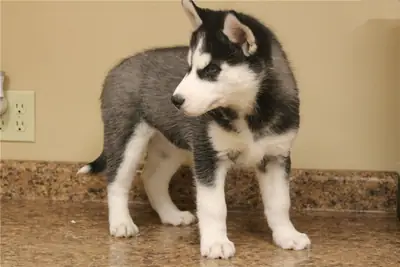
Stunning Siberian Husky Puppies Seeking Loving Families

Miniature poodle puppy for adoption

Yorkshire Terrier Puppies Registered

Bitchon Frise puppy for sale

Pomeranian puppy for rehoming
Popular Searches
Free Boxer dog adoption Bristol
Free Boxer dog adoption in Bristol should be judged by energy, health and home fit before emotion. Boxers are affectionate dogs, but they are also strong, bouncy, playful and capable of overwhelming an unprepared home.
On Petopic, strong adoption listings should explain age, microchip transfer, vaccination status, neutering, heart checks, breathing, heat tolerance, skin lumps, jumping, lead manners, children, cats, other dogs and the real reason for rehoming. “Lovely Boxer needs home” is too thin.
Boxer dogs for adoption in Bristol
Boxer dogs for adoption in Bristol can be brilliant for active homes that want a funny, loyal, people-focused dog. The mistake is assuming a Boxer’s clownish personality means easy ownership.
Ask what the dog is like on a normal day: how it greets visitors, whether it jumps up, how it walks on lead, whether it can settle indoors, whether it has separation stress and whether it copes with warm weather.
Boxer rescue Bristol
Boxer rescue in Bristol often involves dogs rehomed because of owner illness, relationship changes, housing rules, cost, energy, jumping, separation anxiety, dog conflict or health concerns.
Look for real background: vet history, heart notes, medication, skin lumps, breathing, exercise tolerance, behaviour around children, reaction to other dogs and whether the dog has already been moved between homes.
Boxer rehoming Bristol
Boxer rehoming in Bristol needs direct questions because the reason for rehoming changes the risk. A Boxer rehomed because the owner is moving is different from one rehomed because it cannot be left alone, knocks people over or reacts to dogs.
Ask why the Boxer is being rehomed, how long the owner has had it, what training has been done, what the dog struggles with and whether any behaviour has ever frightened people.
Boxer free to good home Bristol
Boxer free to good home listings in Bristol can be genuine, but free does not mean low responsibility. Food, insurance, vet care, training, strong equipment and safe transport still matter.
A responsible listing should include microchip details, vaccination proof, vet records, behaviour notes, exercise routine, alone-time tolerance and a proper handover plan. If the current keeper only wants the dog gone fast, slow down.
Boxer adoption South West
Boxer adoption across the South West can include Bristol, Bath, Weston-super-Mare, Gloucester, Cheltenham, Swindon, Taunton, Newport and Cardiff. A wider local search can help because Boxer rehoming listings are not always common in one city.
Use local distance properly: meet the dog, watch movement and breathing, check paperwork, ask about heat tolerance and avoid rushed handovers where the dog is passed over with no meaningful history.
Adult Boxer dog adoption Bristol
Adult Boxer dog adoption in Bristol can be smarter than taking a puppy because the dog’s real size, energy, jumping, lead strength and ability to settle are already visible.
Ask whether the adult Boxer is house trained, crate trained, calm indoors, safe around visitors, manageable on lead and able to be left alone without panic. Adult Boxers are often the clearer option, not the lesser one.
Senior Boxer adoption Bristol
Senior Boxer adoption can be deeply rewarding, but the adopter must be honest about health and comfort. Older Boxers may need heart checks, lump monitoring, shorter walks, joint support, dental care or medication.
Ask about appetite, weight, breathing, coughing, fainting, mobility, sleep, toilet habits, skin lumps, medication and recent vet notes. A senior Boxer needs a practical home, not just sympathy.
Boxer puppy adoption Bristol
Boxer puppy adoption in Bristol needs realism because Boxer puppies grow into strong, bouncy dogs that can jump, mouth, pull and crash into people if training is weak.
Ask exact age, microchip status, vaccination plan, worming, flea treatment, socialisation, parent temperament, heart background and whether the puppy has started toilet training, calm handling and sleeping alone.
Private Boxer rehoming Bristol
Private Boxer rehoming in Bristol can be genuine, but you need to uncover the truth yourself. Some owners minimise jumping, pulling, dog reactivity, separation anxiety, skin lumps or vet bills.
Ask for microchip transfer, vaccination records, vet history, normal walking videos, behaviour notes and the exact reason the Boxer needs a new home. A responsible owner should care about the match, not just the collection time.
Microchipped Boxer adoption Bristol
A microchipped Boxer adoption listing should explain how keeper details will be transferred. The chip should match the dog, and the transfer process should be clear before collection.
Ask for the microchip number, database process and proof that the current keeper is allowed to rehome the dog. Identity should be handled during the adoption, not weeks later.
Vaccinated Boxer rehoming Bristol
Vaccinated Boxer rehoming should state what has been given, what is due next and whether a vet record is available. “Healthy” is not the same as documented care.
Ask about boosters, flea treatment, worming, kennel cough if relevant, recent illness, skin problems, ear discharge, eye ulcers, weight, medication and any ongoing condition.
Neutered Boxer adoption Bristol
Neutered Boxer adoption in Bristol can reduce accidental breeding and some management issues, but it does not automatically fix jumping, pulling, anxiety, dog conflict or poor training.
Ask whether the Boxer is neutered, when it was done, whether recovery was normal and whether any weight or behaviour changed afterwards. Behaviour still needs structure, not assumptions.
Boxer with children Bristol
A Boxer with children can be a joyful match, but the dog’s strength and bounce need management. A friendly Boxer can still knock a child over, steal food or become too excited during play.
Ask whether the dog has lived with children, what ages, whether it jumps up, mouths hands, guards toys, reacts to noise and settles when the house is busy. Family-friendly needs evidence, not just a cute photo.
Boxer with other dogs Bristol
A Boxer with other dogs can be social, playful and enthusiastic, but that enthusiasm can be too much for calmer dogs. Some Boxers play hard, jump, box with their paws or ignore signals.
Ask whether the dog has lived with dogs, whether it guards food, whether it humps, barks on lead, starts rough play or becomes frustrated. A neutral meet matters more than “good with dogs”.
Boxer with cats Bristol
A Boxer with cats can work only when the dog has the right history and self-control. Some Boxers are gentle; others chase through excitement even without aggression.
Ask whether the Boxer has lived with cats, whether it stares, chases, barks, paws or can be redirected. Cats need high escape spaces and slow introductions, not instant access.
Boxer for first time owners Bristol
A Boxer for first time owners can work only when the adopter is ready for energy, training, jumping, strength, health checks and a dog that wants close human contact.
A first-time adopter should ask whether the dog pulls, jumps, mouths, panics when left, reacts to dogs or needs medical monitoring. Inexperience plus a strong bouncy dog is a bad combination if the history is vague.
Boxer for active families Bristol
Boxer adoption for active families in Bristol can be a strong fit when the family can provide walks, games, training, calm rest and consistent boundaries. Activity alone is not enough if the dog never learns to settle.
Ask whether the Boxer enjoys walks, fetch, training, scent games, garden play and calm indoor time. The right routine burns energy without turning the dog into a permanent wrecking ball.
Boxer flat living adoption Bristol
Boxer flat living in Bristol can be difficult if the dog is noisy, jumpy, reactive in corridors or unable to settle after exercise. The issue is not only space; it is noise, routine and control.
Ask whether the Boxer barks at neighbours, manages stairs, copes with lifts, settles indoors and can be left alone. A flat can work for the right dog, but not for an under-exercised Boxer with no off-switch.
Boxer house with garden adoption Bristol
A house with a garden can help with Boxer adoption, but the garden should support training and play, not replace walks and human interaction. Boxers often want to be with people, not parked outside.
Ask whether the dog digs, jumps fences, barks at neighbours, charges gates or becomes overexcited outdoors. A garden is useful only when the dog has structure.
Boxer jumping up adoption Bristol
Boxer jumping up is not a small detail because this breed is strong, springy and physical. A happy greeting can become unsafe around children, older people or visitors carrying bags.
Ask whether the dog jumps at people, mouths hands, paws at faces, knocks people over or calms down when asked. A Boxer can be friendly and still need serious impulse training.
Boxer lead training adoption Bristol
Boxer lead training matters because strength changes the whole adoption. A Boxer that pulls, lunges towards dogs or bounces at people can be hard to manage in busy Bristol streets and parks.
Ask for a normal walking video, not just a sofa photo. Check whether the dog walks on a collar, harness or headcollar, reacts to traffic and can be handled by every adult in the home.
Boxer separation anxiety adoption
Boxer separation anxiety can show as barking, howling, pacing, chewing, scratching doors, toileting indoors or following people constantly. Some Boxers are deeply people-focused and struggle when left.
Ask how long the dog can be left, what happens during that time, whether crate training was tried and whether another dog helps or worsens the issue. Love alone does not fix panic.
Boxer breathing problems adoption
Boxer breathing problems should be asked about before adoption because the breed’s shorter muzzle can make heat, stress and over-exercise harder to manage in some dogs.
Ask whether the Boxer snores heavily, pants quickly, struggles in warm weather, has noisy breathing, collapses after exercise or has ever needed vet attention for breathing. Do not treat panting as harmless without context.
Boxer heat tolerance adoption Bristol
Boxer heat tolerance matters even in the UK. Warm weather, overexcited play, car travel and poor timing on walks can affect a short-muzzled, muscular dog quickly.
Ask how the dog copes in summer, whether it pants heavily, avoids walks in heat, needs cooling mats or struggles in cars. A Boxer should not be pushed through heat to satisfy a walking schedule.
Boxer heart murmur adoption
Boxer heart murmur adoption should be handled openly. A murmur does not automatically mean a dog cannot be adopted, but it changes vet planning, insurance, exercise decisions and monitoring.
Ask when the murmur was found, what grade it is if known, whether scans were done, whether medication is used and whether the dog coughs, tires quickly, faints or struggles after exercise.
Boxer cardiomyopathy adoption
Boxer cardiomyopathy adoption searches come from people who understand the breed’s heart risk. A Boxer with known heart history may still be adoptable, but the adopter needs clear vet detail.
Ask about heart screening, fainting, collapse, irregular heartbeat, coughing, exercise intolerance, medication and emergency history. A Boxer’s joyful personality should not hide serious heart questions.
Boxer skin lumps adoption
Boxer skin lumps should never be ignored in adoption. This breed can develop skin masses, and any lump history should be discussed clearly before the dog changes homes.
Ask whether lumps have been checked by a vet, whether any were removed, whether biopsy results exist, whether new lumps are being monitored and whether insurance claims may already exist.
Boxer skin allergies adoption
Boxer skin allergies can affect comfort, coat condition, ears, paws and vet costs. Itching, redness, licking feet, recurring ear issues and skin infections should be discussed before adoption.
Ask whether the dog has allergies, what food it eats, whether medication or special shampoo is used and whether flare-ups are seasonal. Skin history is not cosmetic; it affects daily care.
Boxer epilepsy adoption
Boxer epilepsy adoption needs honesty because seizures change vet planning, insurance, home safety and emergency preparation. A dog with epilepsy may still be a loving adoption, but the adopter must know the reality.
Ask when seizures started, how often they happen, whether medication is used, whether triggers are known and whether emergency vet visits have occurred. Vague answers are not good enough.
White Boxer adoption Bristol
White Boxer adoption in Bristol gets attention because the coat stands out, but colour should never outrank health, hearing, skin care and temperament.
Ask whether the dog hears normally, whether sun sensitivity or skin issues exist, whether it has vet records and whether its behaviour suits your home. A white coat does not make a weak listing safe.
Brindle Boxer adoption Bristol
Brindle Boxer adoption searches are colour-led, but the actual decision should be about behaviour and health. A striking brindle coat says nothing about heart history, jumping, pulling or separation stress.
Ask for normal videos, vet records, microchip details, vaccination status, walking behaviour and how the dog behaves around children and other pets. Colour can help you choose between strong matches; it should not hide missing information.
Fawn Boxer adoption Bristol
Fawn Boxer adoption in Bristol may appeal to people who love the classic Boxer look, but coat colour is appearance, not a safety check.
Ask about heart notes, breathing, heat tolerance, skin lumps, lead manners, jumping, dog manners, children and alone-time behaviour. A good Boxer listing should make the real dog clear.
Boxer cross free adoption Bristol
Boxer cross free adoption in Bristol needs the same serious checks because Boxer traits can still come through strongly in a mixed dog: bounce, strength, affection, separation stress and heat sensitivity.
Ask what the dog is crossed with, adult size, temperament, health history, exercise needs and whether the Boxer side is obvious in daily behaviour. “Only a cross” is not a proper assessment.
Boxer adoption near Bath Weston Gloucester
Boxer adoption near Bath, Weston-super-Mare, Gloucester, Cheltenham, Swindon and Newport gives Bristol adopters more realistic local options without rushing into the first free listing.
Short distance helps you meet properly, watch the dog move, check paperwork, discuss behaviour and plan a calm journey home. Local convenience matters only when the dog’s history is clear.
Boxer adoption scam Bristol
Boxer adoption scams in Bristol can use copied photos, fake urgent rehoming stories, delivery-only offers, missing microchip details, no vet records and pressure for transport fees or deposits.
Ask for current videos, proof of ownership, microchip information, vet history, normal walking footage and a safe viewing or collection plan. If the person avoids proof but pushes urgency, walk away.
Frequently Asked Questions
What should I check before adopting a Boxer in Bristol?
Check the dog’s age, microchip transfer, vaccination status, neutering, vet records, heart history, breathing, heat tolerance, skin lumps, exercise routine, jumping, lead manners, separation anxiety, children, cats, other dogs and the reason for rehoming.
A Boxer is a strong, playful dog, so adoption should be based on health, behaviour and home fit, not just its friendly face.
Can I adopt a Boxer for free in Bristol?
You may find free Boxer rehoming listings in Bristol, but free adoption still needs proper checks.
Ask for microchip details, vet records, vaccination history, behaviour notes, health history and a clear handover plan. Free does not mean low-cost ownership.
Is a Boxer a good adoption dog?
Yes, a Boxer can be a brilliant adoption dog for an active home that enjoys a playful, affectionate and people-focused companion.
It may be a poor match for someone who wants a quiet, low-energy dog with little training, little exercise and no daily structure.
Are Boxers good with children?
Many Boxers are affectionate with children, but their strength and bouncy play need supervision.
Ask whether the dog has lived with children, whether it jumps up, mouths hands, guards toys or becomes overexcited in a busy family home.
Can a Boxer live with other dogs?
Some Boxers live well with other dogs, while others are too rough, excitable or selective.
Ask whether the dog has lived with dogs, whether it guards food, humps, barks on lead, plays too hard or becomes frustrated around other dogs.
Can a Boxer live with cats?
A Boxer may live with cats if it has the right history and can stay calm around movement.
Ask whether the dog has lived with cats, whether it chases, barks, stares, paws or can be redirected. Cats need safe high spaces during introductions.
Is a Boxer suitable for first-time dog owners?
A Boxer can be difficult for first-time owners because the breed is strong, energetic, playful and sometimes stubborn.
A first-time adopter should only consider one with honest behaviour history, manageable lead manners and a realistic plan for training, exercise and health care.
Can a Boxer live in a flat?
A Boxer can live in a flat only if the dog settles indoors, gets enough exercise and does not bark heavily at neighbours or corridor noise.
Ask whether the dog can manage stairs or lifts, whether it can be left alone and whether it has an off-switch after walks and play.
How much exercise does a Boxer need?
A Boxer usually needs daily walks, play, training and mental stimulation.
The exact routine depends on age, health, breathing, heat tolerance and fitness. Avoid pushing a Boxer hard in warm weather or when breathing looks strained.
Do Boxers jump up a lot?
Some Boxers jump up when excited because they are physical, playful dogs.
Ask whether the dog jumps on visitors, children or older people, whether it knocks people over and whether training has improved the behaviour.
Can Boxers be left alone?
Some Boxers can be left for short periods if trained gradually and given a stable routine.
Others develop separation anxiety. Ask whether the dog barks, howls, chews, scratches doors or toilets indoors when left alone.
Do Boxers have breathing problems?
Some Boxers can have breathing difficulty because of their shorter muzzle and airway shape.
Ask whether the dog has noisy breathing, heavy snoring, heat intolerance, exercise collapse, heavy panting or any vet notes about breathing.
Are Boxers sensitive to hot weather?
Yes, some Boxers can struggle in warm weather, especially if they have breathing issues, are overweight or over-exercised.
Ask how the dog copes in summer, whether it pants heavily and whether walks need to be kept cooler and shorter during warm days.
What health problems should I ask about in a Boxer?
Ask about heart murmurs, cardiomyopathy, breathing, skin lumps, allergies, eye ulcers, epilepsy, ear issues, weight, medication and previous surgery.
A Boxer does not need a perfect health record to be adoptable, but the history must be honest and specific.
What should I ask about Boxer heart health?
Ask whether the Boxer has had a heart murmur, heart screening, fainting, collapse, coughing, exercise intolerance or medication.
Heart history affects exercise, insurance, vet planning and long-term care, so it should not be hidden or guessed.
Should Boxer skin lumps be checked before adoption?
Yes, any skin lumps should be discussed before adoption.
Ask whether a vet has checked the lumps, whether any were removed, whether biopsy results exist and whether new lumps are being monitored.
Should an adopted Boxer be microchipped?
Yes, the dog should be microchipped and keeper details should be transferred correctly after adoption.
Ask for the chip number, database process and proof that the dog matches the listing before completing the handover.
Should vaccination status be clear before Boxer adoption?
Yes, vaccination status should be clear before adopting a Boxer.
Ask what has been given, what is due next, whether a vet record is available and whether flea and worm treatment are up to date.
Should a Boxer be neutered before rehoming?
Some adult Boxers are neutered before rehoming, but not all.
Ask whether the dog is neutered, when it was done, whether recovery was normal and whether a vet has advised neutering if the dog is still entire.
How do I avoid Boxer adoption scams?
Watch for stolen photos, urgent rehoming stories, delivery-only offers, missing microchip details, no vet records and pressure for deposits or transport fees.
Ask for current videos, proof of ownership, microchip information, vet history, normal walking footage and a safe viewing or collection plan.
What should I prepare before bringing a Boxer home?
Prepare a strong lead, suitable harness, ID tag, bed, bowls, familiar food, toys, safe travel plan, vet registration, insurance if possible and a calm settling space.
Keep the first week structured but not chaotic. Use controlled walks, short training sessions, rest periods and slow introductions instead of overwhelming the dog immediately.