Free Burmese Cat Adoption in Cambridge
There's 1 Burmese listing live right now, last updated 5 Apr 2026. Find Burmese cats for free adopti... There's 1 Burmese listing live right now, last updated 5 Apr 2026. Find Burmese cats for free adoption in Cambridge for people who want a warm, people-focused and quietly talkative companion cat, not ... There's 1 Burmese listing live right now, last updated 5 Apr 2026. Find Burmese cats for free adoption in Cambridge for people who want a warm, people-focused and quietly talkative companion cat, not a pet that fades into the background: compare local rehoming listings on Petopic by age, microchip transfer, neutering, vaccination history, indoor routine, alone-time tolerance, litter habits, weight, dental care, hypokalaemia background, children, other cats, dogs, temperament and safe handover options across Cambridge, Ely, Newmarket, Huntingdon, St Neots and wider Cambridgeshire.
Haven't found the pet you're looking for? Let people who want to find a new home for their pet reach out to you.
Create your free pet adoption request listing now and be seen by thousands of pet owners.
Other listings in your area
Gentle British Shorthair looking for a quiet forever home
Russian blue kitten for adoption
Sweet & Charming British Shorthair Kittens
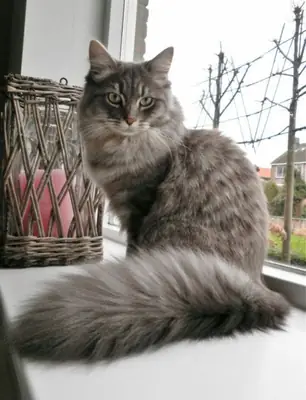
Siberian Cat Adoption | Gentle & Loyal
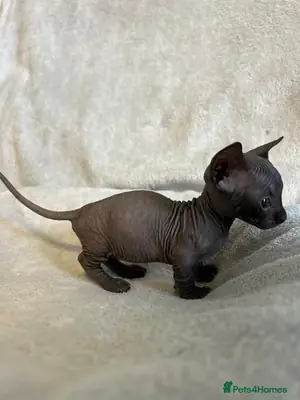
Short Leg Munckin Sphinx Kittens
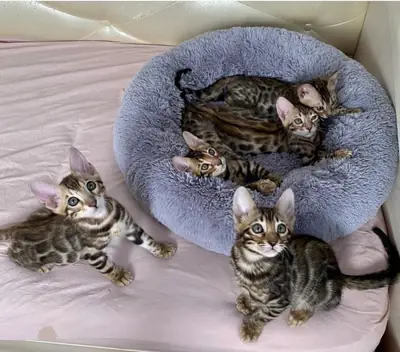
Beautiful Bengal kitten’s for Rehoming
Popular Searches
Free Burmese cat adoption Cambridge
Free Burmese cat adoption in Cambridge should be treated as a companionship match, not just a chance to take home a pedigree-looking cat without paying. Burmese cats are usually social, affectionate and involved in daily life, so they need a home that actually wants interaction.
On Petopic, strong adoption listings should explain age, microchip transfer, neutering, vaccination history, litter tray habits, appetite, weight, dental care, voice level, alone-time tolerance, children, other cats, dogs and the real reason for rehoming. A free Burmese with no detail is not a safe shortcut.
Burmese cats for adoption in Cambridge
Burmese cats for adoption in Cambridge often appeal to people who want a loyal, people-loving cat with a smoother coat and a more involved personality than an independent house cat.
Ask whether the Burmese follows people around, sleeps close, talks for attention, dislikes closed doors, copes alone and enjoys visitors. This breed can be gentle and affectionate, but it is rarely emotionally distant.
Burmese cat rehoming Cambridge
Burmese cat rehoming in Cambridge may happen because of owner illness, housing changes, allergies, work schedules, another pet conflict, landlord rules or a cat becoming too needy for the current household.
Ask why the cat is being rehomed, how long the current keeper has owned it, whether it has moved homes before and whether any behaviour changed after routine, family or pet changes. The reason matters more than the sad wording in the advert.
Burmese cat rescue Cambridge
Burmese cat rescue in Cambridge should focus on emotional fit and health history. Some Burmese cats settle quickly because they like people; others become clingy, vocal or unsettled after losing their old routine.
Ask about appetite, weight, dental history, litter tray use, confidence with strangers, hiding, overgrooming, previous vet care and whether the cat needs a quiet home, another cat or someone present for much of the day.
Burmese free to good home Cambridge
Burmese free to good home listings in Cambridge can be genuine, but “free” should make you ask better questions, not fewer. Vet care, dental work, insurance, microchip transfer, quality food and settling support still cost money.
A responsible listing should include microchip details, neutering status, vaccination record, health notes, normal behaviour, litter habits and a clear handover plan. If the current keeper only wants the cat gone quickly, that is weak.
Burmese adoption Cambridgeshire
Burmese adoption across Cambridgeshire may include Cambridge, Ely, Newmarket, Huntingdon, St Neots, St Ives, Cambourne, Royston, Saffron Walden and Peterborough. A wider local search helps because genuine Burmese rehoming is not always common in one city.
Use local distance properly: view the cat’s current setup, check documents, ask about daily routine and plan a calm journey home. A nearby Burmese is useful only when the history is clear.
Adult Burmese cat adoption Cambridge
Adult Burmese cat adoption in Cambridge can be a strong choice because personality, voice level, confidence, litter habits and need for company are already visible.
Ask whether the adult Burmese is lap-focused, playful, clingy, independent, nervous, good with visitors and able to settle when left alone. Adult cats often give you a clearer match than kittens.
Senior Burmese cat adoption Cambridge
Senior Burmese cat adoption can suit someone who wants a devoted companion with a more settled routine. Older Burmese cats may still be affectionate and playful, but their preferences and limits are usually easier to read.
Ask about teeth, weight, kidney checks, thyroid checks, diabetes history, appetite, medication, mobility, litter tray changes and how the cat copes with noise, visitors and being left alone.
Burmese kitten free adoption Cambridge
Burmese kitten free adoption in Cambridge should raise extra caution because Burmese kittens are desirable and usually not casually given away without a reason. A free kitten can be genuine, but it can also hide missing health history, fake photos or rushed rehoming.
Ask exact age, microchip status, vaccination plan, flea and worm treatment, litter training, appetite, parent background, socialisation and whether the kitten is old enough, eating independently and confident enough to move safely.
Private Burmese rehoming Cambridge
Private Burmese rehoming in Cambridge can be genuine, but you must uncover the full picture yourself. Some owners minimise clinginess, crying, litter problems, food issues, pet conflict or vet costs.
Ask for microchip transfer, neutering proof, vaccination records, vet history, normal videos, setup photos and the exact reason the cat needs a new home. A responsible keeper should care about the match, not just the collection time.
Microchipped Burmese cat adoption Cambridge
A microchipped Burmese cat adoption listing should explain how keeper details will be transferred. The chip should match the cat, and the database update should be part of the handover.
Ask for the microchip number, transfer process and proof that the person rehoming the cat has the right to do so. Indoor cats need correct identity details too.
Neutered Burmese cat adoption Cambridge
Neutered Burmese cat adoption in Cambridge can reduce unwanted breeding, roaming, spraying and hormone-driven calling, but it does not automatically fix anxiety, clinginess or stress behaviour.
Ask whether the cat is neutered, when it was done, whether recovery was normal and whether spraying, calling or restlessness happened before or after neutering.
Vaccinated Burmese cat rehoming Cambridge
Vaccinated Burmese cat rehoming should state what has been given, what is due next and whether a vet record is available. “Healthy” is not the same as documented care.
Ask about boosters, flea treatment, worming, dental checks, weight, appetite, respiratory history, medication and any ongoing condition. A clear health picture makes adoption safer.
Burmese indoor cat adoption Cambridge
Burmese indoor cat adoption can work well when the home offers company, warmth, play, scratching spaces, climbing spots and safe windows. Indoor does not mean low-effort.
Ask whether the cat has always lived indoors, whether it tries to escape, whether it uses window spots, whether it has enough enrichment and whether it becomes noisy or clingy when bored.
Burmese cat for flat living Cambridge
A Burmese cat can live in a flat if noise, enrichment, litter tray access, safe windows and alone-time are managed properly. The issue is not only space; it is whether the cat has enough contact and stimulation.
Ask whether the cat cries at doors, talks at night, scratches when bored, tries to escape or becomes distressed when left alone. A flat can work, but only with a routine that fits the cat.
Burmese cat for students Cambridge
Burmese cat adoption for students in Cambridge is usually risky unless housing is stable, landlord permission is clear and the cat will not be left alone through lectures, work, travel and nights out.
Ask whether the Burmese copes alone, handles visitors, stays calm in shared housing and can remain with you long term after study plans change. A free cat is not a temporary comfort object.
Burmese cat alone time adoption
Burmese cat alone time should be checked before adoption because many Burmese cats prefer human company and can become vocal, clingy or stressed when ignored for long periods.
Ask how long the cat can be left, whether it cries, scratches doors, overgrooms, loses appetite or settles better with another cat. Do not adopt a people-focused cat if your routine is mostly empty rooms.
Talkative Burmese cat adoption Cambridge
Talkative Burmese cat adoption is a real search intent because many Burmese cats use their voice to stay involved with people. Their voice is often softer than a Siamese-style yowl, but it can still be frequent.
Ask when the cat talks most: food time, doors, bedtime, being left alone, attention or play. If you want a silent cat, a vocal Burmese may frustrate you quickly.
Affectionate Burmese cat adoption Cambridge
Affectionate Burmese cat adoption sounds easy, but affectionate can mean lap-loving, shoulder-sitting, following, sleeping beside you or demanding attention while you work.
Ask how the cat shows affection, whether it becomes pushy, whether it dislikes closed doors and whether it can rest independently. A loving Burmese is wonderful only if your home actually welcomes that closeness.
Burmese cat with children Cambridge
A Burmese cat with children can be a lovely match when the cat is confident and the children are gentle. Burmese cats often enjoy people, but they still need respectful handling and calm escape spaces.
Ask whether the cat has lived with children, what ages, whether it scratches during play, hides from noise, tolerates being picked up or becomes overstimulated. Friendly does not mean grab-proof.
Burmese cat with other cats Cambridge
Burmese cats can often enjoy feline company, but compatibility still depends on personality, introduction style and resource sharing. A lonely Burmese may want company; a territorial one may not.
Ask whether the cat has lived with cats, whether it bonds closely, bullies, hides, guards food or becomes stressed as a single cat. Slow introductions matter more than assuming all social cats get along.
Burmese cat with dogs Cambridge
A Burmese cat with dogs may work if the cat is confident and the dog is calm, cat-safe and not pushy. A trusting Burmese can be vulnerable if a dog chases or crowds it.
Ask whether the cat has lived with dogs, whether it approaches, hides, swipes, plays or panics. The cat needs high escape spaces and slow introductions, not forced friendship.
Burmese litter tray problems adoption
Burmese litter tray problems should be asked about directly because stress, medical issues, territory conflict, dirty trays or changes in routine can cause accidents.
Ask whether the cat urinates outside the tray, sprays, avoids certain litter, shares trays with other cats or has had urine checks. Litter issues need truth before adoption, not excuses after arrival.
Burmese cat spraying rehoming Cambridge
Burmese cat spraying can be linked to hormones, stress, territory, other cats, outdoor cats near windows or big routine changes. It is a major rehoming detail, not a small habit.
Ask whether the cat sprays, when it started, whether it is neutered, whether a vet checked for urinary issues and whether household changes triggered the behaviour.
Burmese cat dental problems adoption
Burmese cat dental problems should be checked before adoption because mouth pain can affect appetite, mood, grooming and long-term vet costs.
Ask whether the cat has had dental treatment, extractions, bad breath, gum inflammation, drooling, difficulty chewing or a recent vet check. A shiny short coat can still hide a painful mouth.
Burmese cat weight gain adoption
Burmese cat weight gain should not be ignored because this breed can look sturdy and compact even when carrying too much weight. Extra weight can affect movement, grooming, diabetes risk and general comfort.
Ask current weight, feeding routine, treat habits, activity level, vet comments and whether weight loss has been advised. Loving a Burmese does not mean overfeeding it.
Burmese cat diabetes adoption
Burmese cat diabetes history matters because it can affect food routine, weight control, vet planning and medication. A diabetic cat may still be adoptable, but the adopter needs full honesty.
Ask whether the cat has been diagnosed, whether insulin or special diet is used, whether weight is stable and whether recent vet records are available. Do not accept vague answers about thirst, appetite or weight change.
Burmese hypokalaemia adoption
Burmese hypokalaemia adoption searches come from people who know this breed can have a specific inherited muscle-weakness concern. It should not be ignored if the cat’s background is known.
Ask whether any genetic testing exists, whether the cat has had weakness, neck drooping, strange gait, collapse, medication or vet notes about potassium levels. A Burmese does not need a perfect history, but the history must be honest.
Brown Burmese cat adoption Cambridge
Brown Burmese cat adoption in Cambridge attracts people who want the classic rich Burmese look, but colour should come after temperament, health and routine.
Ask about microchip transfer, vet records, teeth, weight, litter habits, voice level and whether the cat enjoys people without becoming stressed when left alone. A beautiful brown coat does not make a weak listing safe.
Blue Burmese cat adoption Cambridge
Blue Burmese cat adoption searches are colour-led, but the decision should stay practical. Coat shade says nothing about dental care, weight, social needs or litter habits.
Ask for normal videos, clear vet notes, microchip details, neutering status and how the cat behaves when people leave the room. Colour can help choose between good matches; it should not hide missing information.
Chocolate Burmese cat adoption Cambridge
Chocolate Burmese cat adoption in Cambridge may appeal to people looking for a warmer, softer coat colour, but the adopter still needs the same hard checks.
Ask about temperament, appetite, weight, teeth, vaccination history, neutering, microchip transfer and whether the cat can cope with your daily schedule. A pretty colour does not answer adoption questions.
Burmese mix cat adoption Cambridge
Burmese mix cat adoption in Cambridge needs honest description because a Burmese-type cat may still be people-focused, vocal, playful and clingy even without full pedigree background.
Ask what is known about parentage, temperament, health, coat, appetite, litter habits, alone-time tolerance and compatibility with other animals. “Burmese mix” should not be used as decoration without detail.
Burmese adoption near Ely Newmarket Huntingdon
Burmese adoption near Ely, Newmarket, Huntingdon, St Neots, St Ives and Cambourne gives Cambridge adopters more realistic local options without rushing into the first free listing.
Short distance helps you view the cat’s current home, check paperwork, discuss daily routine and make the journey less stressful. Local convenience matters only when the adoption history is solid.
Burmese cat adoption scam Cambridge
Burmese cat adoption scams in Cambridge can use copied photos, fake pedigree claims, urgent rehoming stories, missing microchip details, no vet records, delivery-only offers and pressure for deposits or transport fees.
Ask for current videos, proof of ownership, microchip information, vet history, setup photos and a safe viewing or handover plan. If the person avoids proof but pushes urgency, walk away.
Frequently Asked Questions
What should I check before adopting a Burmese cat in Cambridge?
Check the cat’s age, microchip, vaccination status, neutering, litter training, vet records, temperament, indoor routine, social needs, weight, dental care, eye health and reason for rehoming.
Burmese cats are social and people-focused, so adoption should be based on the individual cat’s routine and behaviour, not only breed appearance.
Is a Burmese cat a good adoption cat?
Yes, a Burmese cat can be a good adoption cat for a home that wants an affectionate, playful and interactive companion.
It may not suit someone who wants a distant cat that can be ignored for long hours with little attention.
Can I adopt a Burmese cat for free in Cambridge?
Free Burmese cat adoption can happen through genuine rehoming, but the cat should still come with clear information.
Ask for proof of ownership, microchip transfer, vaccination history, neutering status, vet records and the real reason for rehoming.
Are Burmese cats affectionate?
Many Burmese cats are affectionate and enjoy being close to their people.
Ask how the individual cat shows affection, whether it likes laps, follows people, sleeps nearby or prefers attention on its own terms.
Are Burmese cats talkative?
Some Burmese cats are vocal and use their voice for attention, food, play or routine changes.
Ask when the cat is loudest, whether it cries when left alone and whether the noise level suits your home.
Do Burmese cats get lonely?
Some Burmese cats can struggle when left alone for long periods because they are often people-focused.
Ask how long the cat can be left, what happens when the owner leaves and whether another pet or more home time helps.
Are Burmese cats good indoor cats?
Burmese cats can live well indoors when the home provides attention, play, climbing space, scratching posts and safe windows.
Indoor life should be enriched because a bored Burmese can become noisy, clingy or frustrated.
Can a Burmese cat live in a flat?
A Burmese cat can live in a flat if it has enough enrichment, clean litter access, play and human interaction.
Ask whether the cat has lived in a flat before, reacts to hallway noise, scratches furniture or cries when left alone.
Are Burmese cats good with children?
Some Burmese cats are good with children, especially when children are gentle and respectful.
Ask whether the cat has lived with children before, whether it hides from noise and whether it scratches when overstimulated.
Can Burmese cats live with dogs?
A Burmese cat may live with dogs if the cat is confident and the dog is calm around cats.
Introductions should be slow, supervised and supported with safe escape routes for the cat.
Can Burmese cats live with other cats?
Some Burmese cats enjoy feline company, while others are selective, jealous or territorial.
Ask whether the cat has lived with other cats, whether it guards food or litter trays and whether slow introductions are possible.
Are Burmese cats hypoallergenic?
No cat should be treated as guaranteed hypoallergenic, including Burmese cats.
If allergies are a concern, spend time around the individual cat before adoption and be honest about whether the household can cope.
Do Burmese cats need much grooming?
Burmese cats usually have short coats that are easier to manage than long-haired breeds.
They still need regular checks, nail care, dental care, skin checks and weight control.
Should an adopted Burmese cat be microchipped?
Yes, the cat should be microchipped and the keeper details should be transferred correctly after adoption.
Ask for the microchip number, database process and proof that the chip matches the cat.
Should a Burmese cat be vaccinated before adoption?
Vaccination status should be clear before adoption. Ask what has been given, what is due next and whether a vet record is available.
Also ask about flea treatment, worming, recent illness, appetite, weight and any current medication.
Should a Burmese cat be neutered before rehoming?
Many adult cats are neutered before rehoming, but not all.
Ask whether the Burmese is neutered, when it was done and whether a vet has advised neutering if it has not been done yet.
Are Burmese cats litter trained?
Most adoptable adult cats should have clear litter habits, but you should still ask direct questions.
Ask about litter type, tray style, accidents, spraying, stress toileting and whether the cat’s routine has changed recently.
What health problems should I ask about in a Burmese cat?
Ask about diabetes, weight, dental problems, eye issues, hypokalaemic polymyopathy background, GM2 gangliosidosis background where known, appetite, drinking, litter changes, medication and recent vet visits.
A Burmese cat does not need perfect health to be adoptable, but the adopter needs honest information.
Are Burmese cats prone to diabetes?
Diabetes is a health issue adopters should ask about in Burmese cats, especially if the cat is overweight, drinks more than normal or urinates more often.
Ask whether the cat has been tested, whether insulin is used, whether diet has changed and whether vet monitoring is needed.
What is hypokalaemic polymyopathy in Burmese cats?
Hypokalaemic polymyopathy is a condition linked with episodes of muscle weakness and low potassium.
Ask whether any genetic background, weakness episodes, blood tests or treatment history is known.
What is GM2 gangliosidosis in Burmese cats?
GM2 gangliosidosis is an inherited condition that should be discussed when pedigree or family background is available.
Ask whether any testing or breeder background is known, especially for Burmese kittens or pedigree cats.
Can Burmese cats have eye problems?
Some Burmese cats can have eye concerns, so adopters should ask about redness, cloudiness, watering, squinting, vision issues or past treatment.
Ask whether the cat uses eye drops, has had vet checks or shows any sign of discomfort around the eyes.
Is a Burmese mix worth adopting?
Yes, a Burmese mix can be a good adoption choice if the cat’s temperament, health and routine fit your home.
Honest records and a suitable match matter more than a perfect breed label.
How do I avoid Burmese cat adoption scams?
Watch for copied photos, urgent deposits, delivery-only offers, fake pedigree claims, vague ownership stories, missing microchip details and no vet records.
Ask for current photos or video, proof of ownership, microchip information, safe viewing or collection and a clear reason for rehoming.