Free Adoption of Norwegian Forest Cats in Cambridge
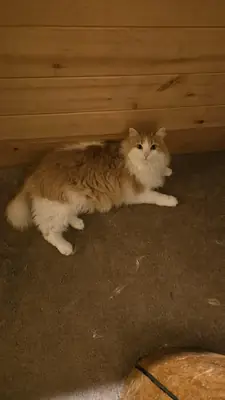
There's 1 Norwegian Forest Cat listing live right now, last updated 5 Apr 2026. Find Norwegian Fores... There's 1 Norwegian Forest Cat listing live right now, last updated 5 Apr 2026. Find Norwegian Forest Cat adoption listings in Cambridge for people who want a large, athletic and gentle long-haired ca... There's 1 Norwegian Forest Cat listing live right now, last updated 5 Apr 2026. Find Norwegian Forest Cat adoption listings in Cambridge for people who want a large, athletic and gentle long-haired cat but understand that this breed is not just a fluffy indoor ornament. Norwegian Forest Cats are often friendly, independent, playful and strong climbers, so adopters should check microchip transfer, vaccinations, neutering, litter training, coat condition, seasonal shedding, grooming tolerance, sturdy climbing space, indoor or secure outdoor routine, weight, dental care, heart history, hip concerns, GSD IV background where known, behaviour with children, dogs and other cats, vet records and the real reason for rehoming across Cambridge, Ely, Newmarket, Huntingdon, Peterborough and Cambridgeshire.
Haven't found the pet you're looking for? Let people who want to find a new home for their pet reach out to you.
Create your free pet adoption request listing now and be seen by thousands of pet owners.
Other listings in your area
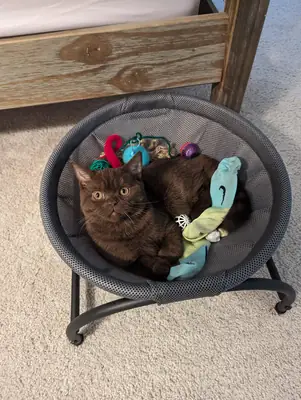
Gentle British Shorthair looking for a quiet forever home
Russian blue kitten for adoption
Sweet & Charming British Shorthair Kittens
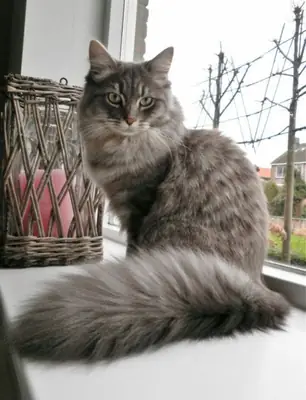
Siberian Cat Adoption | Gentle & Loyal
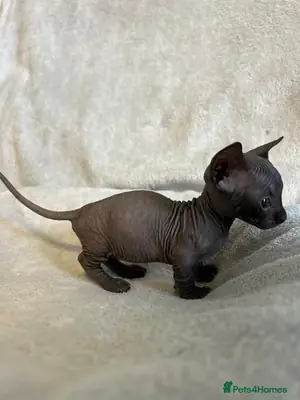
Short Leg Munckin Sphinx Kittens
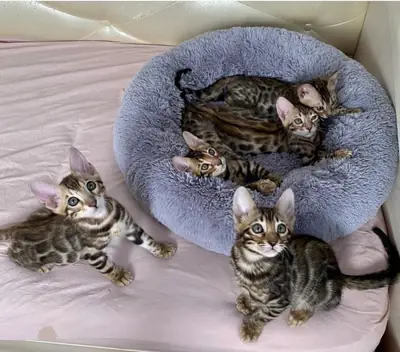
Beautiful Bengal kitten’s for Rehoming
Popular Searches
Norwegian Forest Cat adoption Cambridge
Norwegian Forest Cat adoption in Cambridge should be judged by the cat’s real routine, not only by its thick coat, large frame and wild woodland look. This is a strong, semi-longhaired cat that often enjoys height, play, people and independence in the same household.
A strong listing on Petopic should explain age, microchip transfer, vaccination status, neutering, litter habits, coat condition, grooming tolerance, climbing needs, indoor or outdoor history, health records and why the Norwegian Forest Cat needs a new home.
Norwegian Forest Cat rescue Cambridge
Norwegian Forest Cat rescue in Cambridge can be a strong route for adopters who want a settled cat with known behaviour. A rescue Norwegian Forest Cat may be calm, affectionate and confident, but it may also need time after losing a familiar home.
Look for clear notes on confidence, handling, grooming, food, litter habits, microchip details, vet history, climbing behaviour, children, dogs, other cats and whether the cat needs indoor-only life, a secure garden or a quieter home.
Norwegian Forest Cat rehoming Cambridge
Norwegian Forest Cat rehoming in Cambridge needs a clear reason. Owner illness, moving home or family change is very different from rehoming caused by matting, stress, litter problems, pet conflict, vet costs or a cat that needs more space than expected.
Before collection, understand the cat’s normal day: where it sleeps, whether it climbs furniture, how often it is brushed, whether it uses the litter tray reliably, whether it has outdoor access and how it reacts to visitors or noisy homes.
Norwegian Forest Cats for adoption Cambridgeshire
Norwegian Forest Cats for adoption across Cambridgeshire may appear around Cambridge, Ely, Newmarket, Huntingdon, St Neots, Peterborough, Royston and nearby East Anglia areas. A wider local search gives more chances, but it should not lower the checks.
Use local access properly: arrange a calm viewing, check coat condition, confirm microchip details, ask for vet records and make sure your home has enough space, enrichment and sturdy climbing areas for a large active cat.
Wegie cat adoption Cambridge
Wegie cat adoption in Cambridge is another way people search for Norwegian Forest Cats. The nickname may sound cute, but the cat behind it can be large, athletic, intelligent and more demanding than a small low-energy pet.
Ask whether the cat enjoys climbing, how it handles grooming, whether it likes laps or simply nearby company, whether it has lived indoors and whether it becomes stressed without enough height, play and routine.
Free Norwegian Forest Cat adoption Cambridge
Free Norwegian Forest Cat adoption in Cambridge can be genuine when an owner cares more about the right home than a fee. Free still needs proper evidence, especially for a large long-haired cat with grooming and health checks to consider.
Ask for proof of ownership, microchip transfer, vaccination history, neutering status, grooming notes, food routine, litter setup, vet records and the exact reason for rehoming. A free listing with poor detail is not a safe shortcut.
Norwegian Forest kitten adoption Cambridge
Norwegian Forest kitten adoption in Cambridge gets attention because the kittens look fluffy, bold and unusual. That cuteness should make the checks stricter, not weaker.
Ask about age, microchip, vaccinations, flea and worming treatment, litter training, early grooming, food, socialisation, parent background where relevant and whether the kitten is old enough to leave safely. A vague kitten listing is a risk, not an opportunity.
Adult Norwegian Forest Cat adoption Cambridge
Adult Norwegian Forest Cat adoption in Cambridge can be smarter than chasing kittens because the cat’s real size, coat, confidence and daily routine are already visible. You can ask whether the cat is social, independent, playful, calm, shy or demanding.
An adult Norwegian Forest Cat with known litter habits, honest grooming needs and clear vet notes can be a safer match than a young cat chosen only because it looks impressive.
Senior Norwegian Forest Cat adoption Cambridge
Senior Norwegian Forest Cat adoption in Cambridge can suit a calm home that wants a settled, dignified companion. Older cats may still enjoy height and routine, but they need realistic care planning.
Ask about teeth, weight, appetite, drinking, mobility, hips, heart checks, coat care, litter habits, medication and recent vet notes. A senior Norwegian Forest Cat can be a brilliant adoption when the adopter is ready for the care.
Large long-haired cat adoption Cambridge
Large long-haired cat adoption in Cambridge often leads people toward Norwegian Forest Cats because they want a big, beautiful, natural-looking cat. Size and coat are not enough to choose well.
Ask whether the cat needs a larger litter tray, sturdy scratching posts, strong climbing furniture, regular brushing and space to move. A large long-haired cat needs a home built for its body, not just admiration from a sofa.
Indoor Norwegian Forest Cat adoption Cambridge
Indoor Norwegian Forest Cat adoption in Cambridge can work when the home gives enough space, vertical climbing areas, play, window views and routine. This breed may adapt indoors, but it should not be left bored in a bare flat.
An indoor Norwegian Forest Cat needs enrichment: scratching posts, cat trees, shelves, toys, clean litter trays and safe windows. Indoor life should be protected and interesting, not cramped and inactive.
Norwegian Forest Cat outdoor access Cambridge
Norwegian Forest Cat outdoor access in Cambridge should be discussed carefully because this cat may enjoy climbing, exploring and watching the world. Outdoor freedom also brings roads, theft risk, fights, parasites and getting lost.
Ask whether the cat has lived outdoors before, whether it returns reliably, whether it wears a collar, whether the garden is secure and whether a catio or supervised outdoor routine would be safer.
Norwegian Forest Cat for flat living Cambridge
A Norwegian Forest Cat can live in a flat in Cambridge only when the flat is enriched for a large, active cat. The problem is not just floor space; it is whether the cat has height, scratching, play, privacy and a large enough litter setup.
Ask whether the cat has lived in a flat before, whether it scratches furniture, reacts to hallway noise, becomes restless indoors and whether balconies or windows are secure. A flat can work for the right cat, not every cat.
Norwegian Forest Cat family adoption Cambridge
Norwegian Forest Cat family adoption in Cambridge can be a strong match when the household wants a friendly cat that can be involved without demanding constant carrying. Many cats from this breed enjoy family life but still need respect and space.
Ask whether the cat has lived with children, whether it tolerates handling, whether it hides from noise, whether it enjoys play and whether it needs a high resting place away from busy rooms.
Norwegian Forest Cat with children Cambridge
A Norwegian Forest Cat with children can work well when the cat is confident and the children are gentle. This is a large cat, but it should not be grabbed, chased, pulled or treated like a toy.
Ask whether the cat has lived with children, what ages, whether it scratches when overstimulated, whether it dislikes being picked up and whether it has a quiet high place to retreat.
Norwegian Forest Cat with dogs Cambridge
A Norwegian Forest Cat with dogs may work if the cat is confident and the dog is calm around cats. A strong cat can still be stressed by chasing, barking or blocked escape routes.
Ask whether the cat has lived with dogs before, whether it hides, hisses, swats, relaxes or tries to play. Introductions should be slow, supervised and built around safe high spaces for the cat.
Norwegian Forest Cat with other cats Cambridge
A Norwegian Forest Cat with other cats can be friendly, neutral, dominant or stressed depending on history. Do not assume a gentle breed image means automatic acceptance of another cat.
Ask whether the cat has shared a home with cats, whether it guards food or litter trays, whether it sprays, fights or hides, and whether slow introductions are possible. Rushing cat introductions is how decent adoptions fail.
Norwegian Forest Cat grooming Cambridge
Norwegian Forest Cat grooming in Cambridge should be discussed before adoption because the semi-long coat can tangle, especially around the belly, back legs, ruff and seasonal shedding periods.
Ask how often the cat is brushed, whether it tolerates combing, whether mats have ever needed shaving and whether the adopter can keep a regular routine. Grooming is not just cosmetic; it prevents discomfort and skin problems.
Norwegian Forest Cat shedding adoption
Norwegian Forest Cat shedding adoption searches are realistic because this breed has a heavy seasonal coat. The spring coat change can put a lot of loose hair through the home if grooming is ignored.
Ask about seasonal shedding, brushing routine, hairballs, matting, skin condition and whether the cat accepts grooming. A beautiful coat becomes a problem when the household is not ready for upkeep.
Matted Norwegian Forest Cat adoption
Matted Norwegian Forest Cat adoption needs blunt honesty because mats can pull skin, hide sores and make grooming painful. A cat with coat neglect may need a careful shave, vet check or slow desensitisation to brushing.
Ask where the mats are, how long they have been there, whether the skin is sore, whether the cat bites during grooming and whether a vet or groomer has already checked it. Do not take on coat neglect casually.
Hypoallergenic Norwegian Forest Cat adoption
Hypoallergenic Norwegian Forest Cat adoption searches need a reality check. No Norwegian Forest Cat should be treated as guaranteed allergy-safe, especially with a dense seasonal coat.
If allergies matter, spend time around the individual cat before adoption where possible. Rehoming a cat again because the household skipped allergy checks is unfair to the animal.
Norwegian Forest Cat climbing needs
Norwegian Forest Cat climbing needs are not a decoration detail. This cat is athletic and often enjoys high places, sturdy furniture, shelves, trees and lookout spots.
Ask whether the cat climbs wardrobes, curtains, shelves or cat trees, and whether it becomes bored without height. A weak scratching post built for a small kitten is not enough for a large Norwegian Forest Cat.
Norwegian Forest Cat litter trained adoption
Norwegian Forest Cat litter trained adoption should include more detail than “uses tray”. Because this is a large cat, tray size, location and litter type can matter more than people expect.
Ask what litter the cat uses, whether it needs a large tray, whether there have been accidents, spraying or stress toileting, and whether the current routine changed recently. A poor tray setup can create problems after adoption.
Microchipped Norwegian Forest Cat adoption
Microchipped Norwegian Forest Cat adoption in Cambridge should include proper keeper transfer. This matters for indoor cats too, because escape can happen during moving, open windows, visitors or carrier mistakes.
Ask for the microchip number, database process and proof that the chip matches the cat. Microchip details are not something to leave until later; they are part of a safe handover.
Vaccinated Norwegian Forest Cat rehoming
Vaccinated Norwegian Forest Cat rehoming should state what has been given, what is due next and whether a vet record is available. “Healthy” is not enough by itself.
Ask about boosters, flea treatment, worming, dental checks, appetite, drinking, coat condition, weight, mobility and any medication. Clear records make the adoption decision safer.
Neutered Norwegian Forest Cat adoption
Neutered Norwegian Forest Cat adoption is usually easier to manage, especially for adult cats. Neutering can reduce unwanted breeding, roaming pressure and some household issues, but it does not replace good routine.
Ask whether the cat is neutered, when it was done, whether recovery was normal and whether weight or behaviour changed afterwards. If not neutered, understand the plan before adoption.
Norwegian Forest Cat health problems adoption
Norwegian Forest Cat health problems adoption checks should include heart history, hip concerns, GSD IV background where known, teeth, weight, appetite, drinking, coat condition, mobility, litter changes and medication.
A large, calm cat can still hide discomfort. Do not let a strong appearance stop you asking serious health questions before adoption.
Norwegian Forest Cat HCM adoption
Norwegian Forest Cat HCM adoption checks should be direct because heart history can affect monitoring, insurance and long-term care. A cat with a heart concern may still be adoptable, but the adopter needs the truth.
Ask whether a murmur has been heard, whether scans were done, whether medication is used, whether the cat has breathing difficulty or weakness and whether any family heart history is known.
Norwegian Forest Cat hip dysplasia adoption
Norwegian Forest Cat hip dysplasia adoption checks matter because this is a large, athletic cat that may jump, climb and land from height. Hip pain can affect stairs, litter trays, play and grooming comfort.
Ask about stiffness, limping, reluctance to jump, pain medication, x-rays, vet notes and whether the cat needs lower climbing options. Mobility history should be clear before adoption.
Norwegian Forest Cat GSD IV adoption
Norwegian Forest Cat GSD IV adoption searches are niche but important for people who understand inherited breed risks. Glycogen storage disease type IV is not something most casual adopters know to ask about.
Ask whether the cat is pedigree, whether any testing or breeder background is known, whether related health history is available and whether the cat has had weakness, collapse or unexplained serious illness. If no background exists, be honest about uncertainty.
Norwegian Forest Cat dental care adoption
Norwegian Forest Cat dental care adoption should not be ignored. Large, healthy-looking cats can still have painful teeth, gum disease, bad breath or eating changes that are easy to miss.
Ask when the cat last had a dental check, whether teeth have been removed, whether brushing is tolerated and whether the cat avoids hard food. Dental pain should not be discovered after collection.
Overweight Norwegian Forest Cat adoption
Overweight Norwegian Forest Cat adoption needs honest discussion because this is already a large breed and extra weight can hide under the coat. Big is not the same as healthy.
Ask current weight, body condition, food amount, treat habits, activity level and vet advice. A large cat needs measured feeding and movement, not endless excuses because it looks naturally bulky.
Norwegian Forest Cat mix adoption Cambridge
Norwegian Forest Cat mix adoption in Cambridge can be a strong option when the cat has the size, coat or temperament without full pedigree background. A good mix with honest information can beat a vague purebred claim.
Focus on the cat in front of you: health, litter habits, grooming needs, microchip transfer, confidence, climbing behaviour and home suitability. Breed label is useful only when the care details are clear.
Pedigree Norwegian Forest Cat adoption
Pedigree Norwegian Forest Cat adoption should include clear background, but documents alone do not make the cat the right match. A pedigree cat can still have health issues, grooming problems, stress or unsuitable behaviour for your home.
Ask for documents if pedigree status is claimed, then still check vet records, microchip transfer, coat care, litter habits, temperament and the real reason for rehoming. Paperwork should support the decision, not replace it.
Private Norwegian Forest Cat rehoming Cambridge
Private Norwegian Forest Cat rehoming in Cambridge can be genuine, but private handovers need caution. Some owners are honest; others may minimise matting, litter issues, pet conflict, allergies, stress or missing vet care.
Ask for proof of ownership, microchip transfer, vet history, current photos or video, grooming notes, behaviour history and the exact rehoming reason. A responsible owner should care about the match, not just collection speed.
Norwegian Forest Cat adoption fee Cambridge
Norwegian Forest Cat adoption fee Cambridge searches usually compare private rehoming, rescue-style adoption and pedigree cats. Price matters less than evidence.
A lower-fee adoption with honest records, proper chip transfer and clear grooming history can be stronger than a costly listing with vague answers. Judge the cat’s health, routine and handover, not just the fee.
Norwegian Forest Cat adoption scams Cambridge
Norwegian Forest Cat adoption scams in Cambridge can use copied photos, fake pedigree claims, urgent deposits, delivery-only offers and vague ownership stories. Rare-looking long-haired cats are easy bait for rushed decisions.
Ask for current photos or video, proof of ownership, microchip information, vet history, safe viewing or collection and a clear reason for rehoming. If payment pressure comes before proof, walk away.
Cambridge Ely Newmarket Norwegian Forest Cat adoption
Norwegian Forest Cat adoption around Cambridge, Ely, Newmarket, Huntingdon, St Neots, Peterborough, Royston and Bury St Edmunds gives adopters more realistic chances to meet the cat safely before deciding.
Use local reach properly: meet calmly, check coat condition, confirm documents, ask direct questions and prepare the home before collection. Regional convenience only matters when the adoption match is already strong.
Frequently Asked Questions
What should I check before adopting a Norwegian Forest Cat in Cambridge?
Check the cat’s age, microchip, vaccination status, neutering, litter training, vet records, coat condition, grooming routine, climbing needs, weight, heart history, hip concerns and reason for rehoming.
Norwegian Forest Cats are large, athletic and semi-longhaired, so adoption should be based on health, behaviour and home fit, not only appearance.
Is a Norwegian Forest Cat a good adoption cat?
Yes, a Norwegian Forest Cat can be a good adoption cat for a home that can provide space, climbing options, grooming and a calm routine.
It may not suit someone who wants a tiny, low-activity cat with no coat care or enrichment needs.
Can I adopt a Norwegian Forest Cat for free in Cambridge?
Free Norwegian Forest Cat adoption can happen through genuine rehoming, but the cat should still come with clear information.
Ask for proof of ownership, microchip transfer, vaccination history, neutering status, vet records, grooming notes and the real reason for rehoming.
Are Norwegian Forest Cats good indoor cats?
Norwegian Forest Cats can live indoors when the home provides enough space, climbing areas, scratching posts, play and safe window access.
Indoor life should be enriched because this is a large, athletic cat that can become bored without height and activity.
Can a Norwegian Forest Cat live in a flat?
A Norwegian Forest Cat can live in a flat if the space is enriched with sturdy climbing furniture, scratching areas, play and a suitable litter setup.
Ask whether the cat has lived in a flat before, reacts to hallway noise, scratches furniture or becomes restless indoors.
Do Norwegian Forest Cats need outdoor access?
They do not always need free outdoor access, but they do need enrichment, climbing, play and stimulation.
If outdoor access is considered, ask about the cat’s previous routine and whether a secure garden, catio or supervised setup would be safer.
Are Norwegian Forest Cats good with children?
Some Norwegian Forest Cats are good with children, especially when children are gentle and respectful.
Ask whether the cat has lived with children before, whether it tolerates handling and whether it has a quiet high place to retreat.
Can Norwegian Forest Cats live with dogs?
A Norwegian Forest Cat may live with dogs if the cat is confident and the dog is calm around cats.
Introductions should be slow, supervised and supported with high escape routes and safe resting areas for the cat.
Can Norwegian Forest Cats live with other cats?
Some Norwegian Forest Cats can live with other cats, but the match depends on temperament, territory and previous experience.
Ask whether the cat has lived with cats before, whether it guards food or litter trays and whether slow introductions are possible.
Do Norwegian Forest Cats need much grooming?
Norwegian Forest Cats usually need regular grooming, especially during heavier seasonal shedding.
Ask how often the cat is brushed, whether it tolerates combing and whether mats have ever needed shaving.
Do Norwegian Forest Cats shed a lot?
They can shed heavily during seasonal coat changes, especially when losing the thicker winter coat.
Ask about shedding, hairballs, brushing routine and whether the household is ready for long-haired cat care.
Are Norwegian Forest Cats hypoallergenic?
No cat should be treated as guaranteed hypoallergenic, including Norwegian Forest Cats.
If allergies are a concern, spend time around the individual cat before adoption and be honest about whether the household can cope.
Are Norwegian Forest Cats lap cats?
Some Norwegian Forest Cats enjoy close contact, but many prefer being near people rather than being carried or held constantly.
Ask how the individual cat shows affection, whether it likes laps, follows people or prefers nearby company.
Do Norwegian Forest Cats need climbing furniture?
Yes, sturdy climbing furniture is useful because Norwegian Forest Cats are large, athletic cats that often enjoy height.
Use strong cat trees, shelves or safe climbing areas that can support the cat’s size.
Should an adopted Norwegian Forest Cat be microchipped?
Yes, the cat should be microchipped and the keeper details should be transferred correctly after adoption.
Ask for the microchip number, database process and proof that the chip matches the cat.
Should a Norwegian Forest Cat be vaccinated before adoption?
Vaccination status should be clear before adoption. Ask what has been given, what is due next and whether a vet record is available.
Also ask about flea treatment, worming, recent illness, appetite, weight and any current medication.
Should a Norwegian Forest Cat be neutered before rehoming?
Many adult cats are neutered before rehoming, but not all.
Ask whether the cat is neutered, when it was done and whether a vet has advised neutering if it has not been done yet.
Are Norwegian Forest Cats litter trained?
Most adoptable adult cats should have clear litter habits, but you should still ask direct questions.
Ask about litter type, tray size, accidents, spraying, stress toileting and whether the cat needs a larger tray because of its size.
What health problems should I ask about in a Norwegian Forest Cat?
Ask about heart history, hip problems, GSD IV background where known, dental care, weight, appetite, drinking, mobility, coat condition, litter changes and medication.
The cat does not need perfect health to be adoptable, but the adopter needs honest information.
What is HCM in Norwegian Forest Cats?
HCM means hypertrophic cardiomyopathy, a heart condition that should be discussed honestly before adoption.
Ask whether a murmur has been heard, whether scans were done, whether medication is used and whether any family heart history is known.
Can Norwegian Forest Cats have hip dysplasia?
Yes, hip concerns can occur and should be checked, especially in a large athletic cat.
Ask about limping, stiffness, reluctance to jump, x-rays, pain medication and any vet advice about mobility.
What is GSD IV in Norwegian Forest Cats?
GSD IV means glycogen storage disease type IV, a rare inherited condition associated with the breed.
Ask whether any testing or breeder background is known, especially if the cat is described as pedigree.
How do I avoid Norwegian Forest Cat adoption scams?
Watch for copied photos, urgent deposits, delivery-only offers, fake pedigree claims, vague ownership stories, missing microchip details and no vet records.
Ask for current photos or video, proof of ownership, microchip information, safe viewing or collection and a clear reason for rehoming.